A mobile workshop against destruction
Veröffentlicht am 9. November 2022
von CADUS-PR
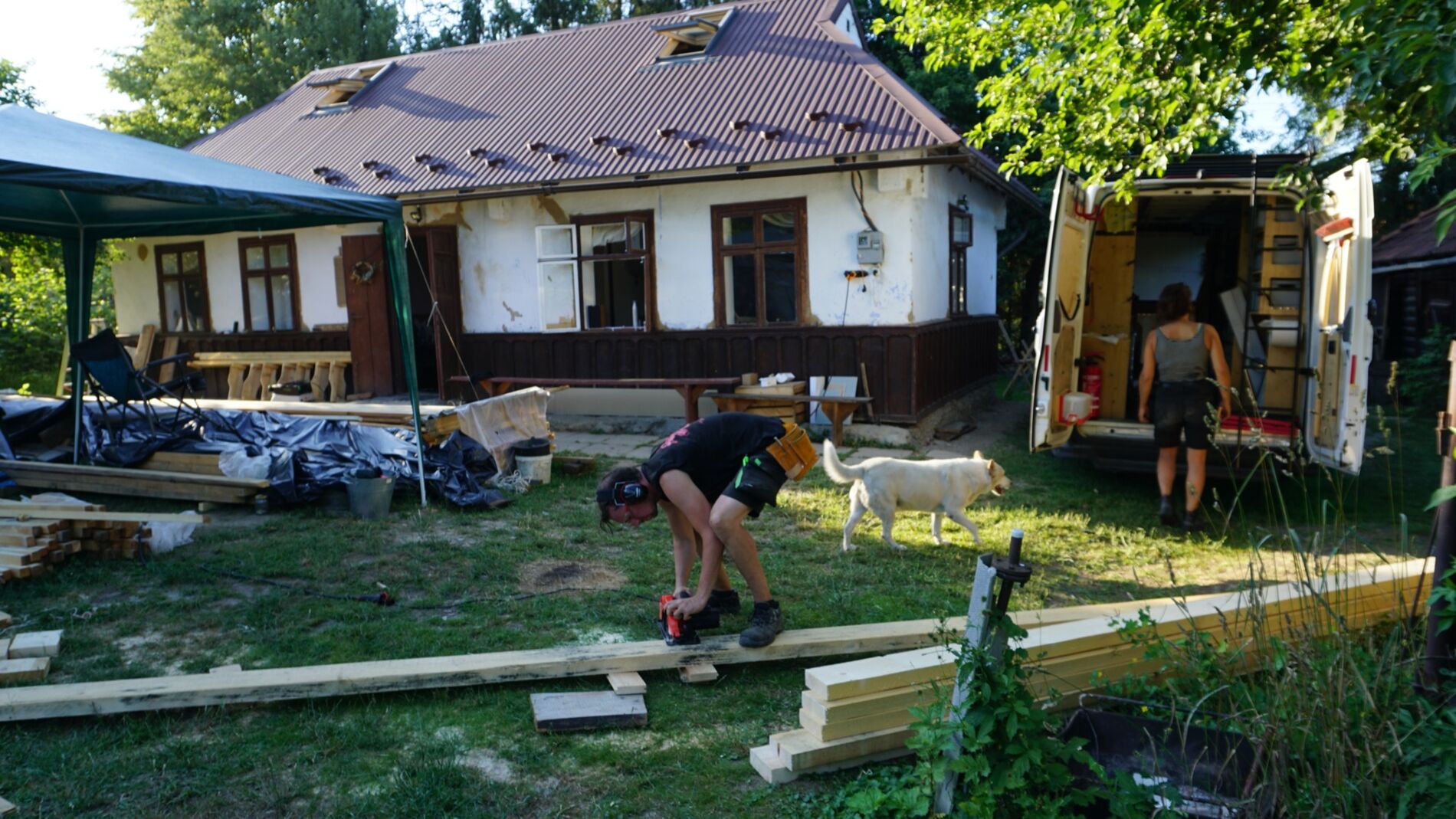
Ein Wohnhaus wird hergerichtet. Mittlerweile wohnen dort geflüchtete Menschen aus der Ostukraine. Foto: CADUS
With war comes destruction. But how can houses be made habitable again and public buildings made usable again? Together with Ukrainian and German partner organizations, we have taken a mobile workshop for reconstruction on the road.
Since mid-May, we have been using the mobile Crisis Response Makerspace in Ukraine, a van fully equipped with power and hand tools. With a team of volunteer craftspeople, the vehicle served as a mobile workshop. Since the beginning, our Makerspace team has worked with the Ukrainian partner initiative Metalab to convert several vacant buildings into accommodation for refugees within Ukraine.
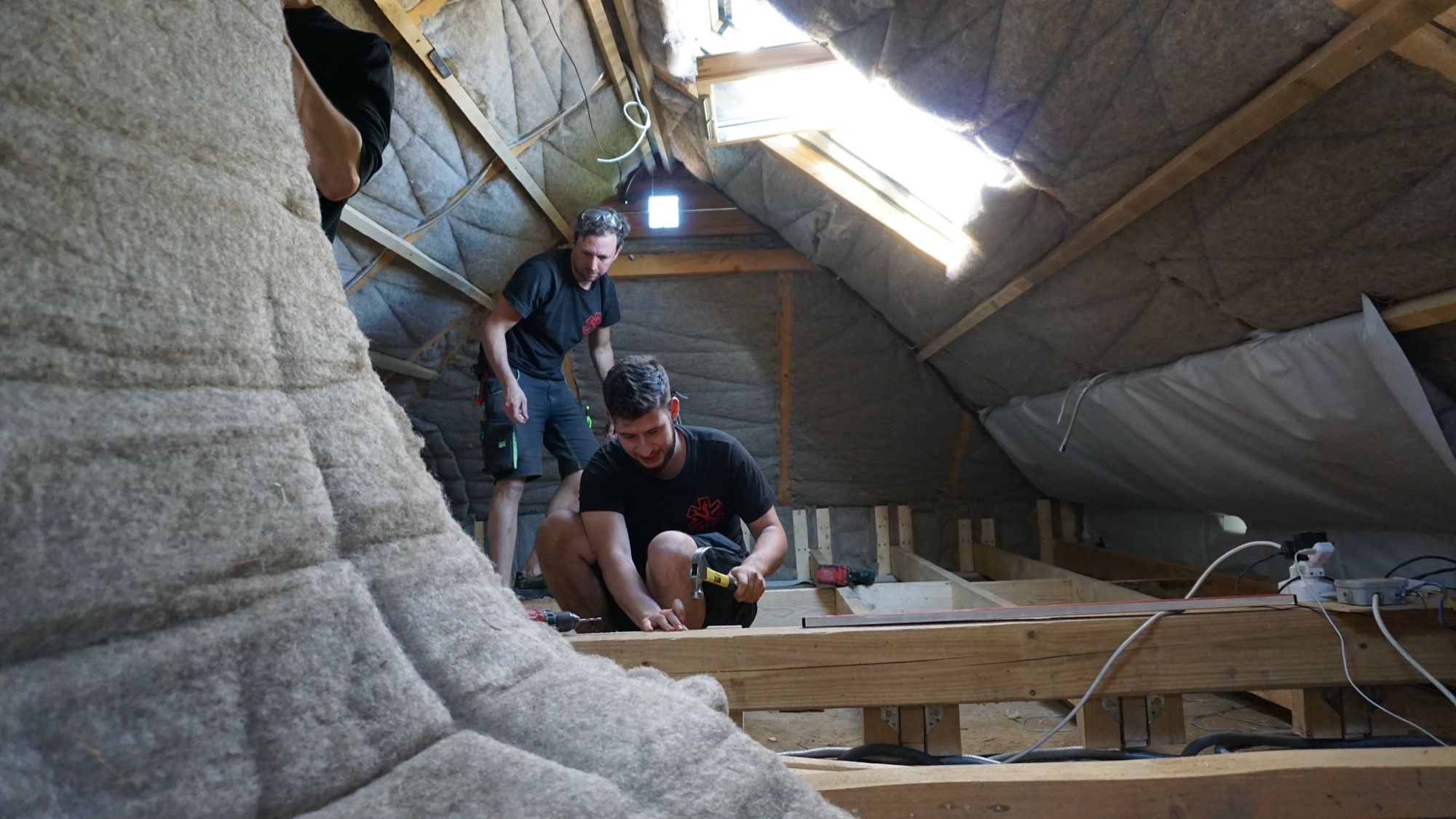 The roof of a house is being insulated so that people displaced from eastern Ukraine can live here. Photo: CADUS
For several weeks, the team was deployed in the area around Makariw, near Butscha and Irpin, where countless public buildings had been destroyed during the occupation by the Russian army in March and April. Together with Ukrainian volunteers from the “Built Ukraine Together” initiative, our team was able to restore a badly damaged fire station and a partially destroyed school so that the buildings are now usable again.
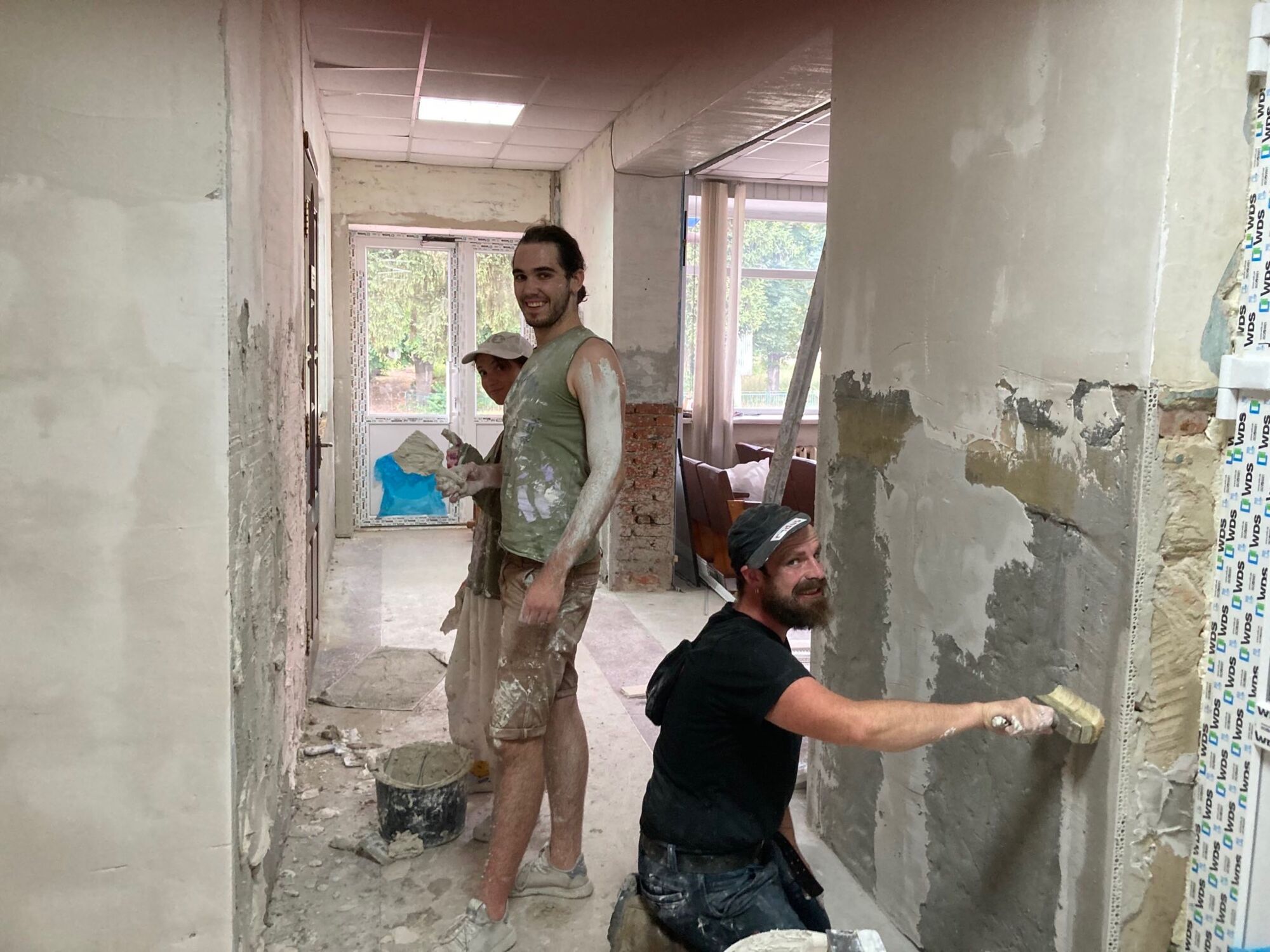 The fire station is being rebuilt together with Ukrainian volunteers. Photo: CADUS
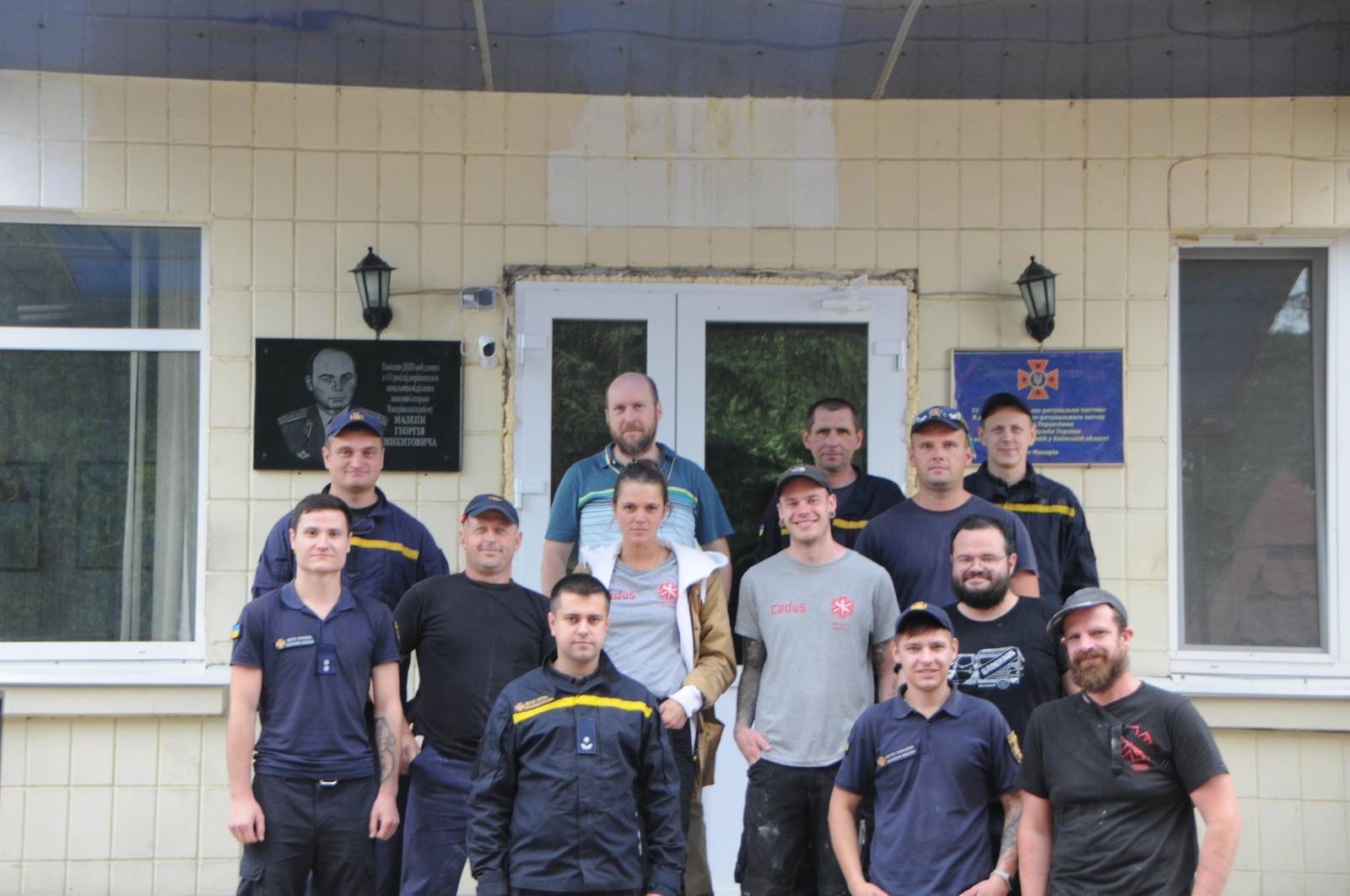 A farewell group photo with the local fire department. Photo: CADUS
In the meantime, our makerspace was in Ivano-Frankivsk, where it formed the basis for the development of a bus into an intensive care unit – the MICU bus.
The mobile workshop is now back in Berlin and is being prepared for its next assignment.
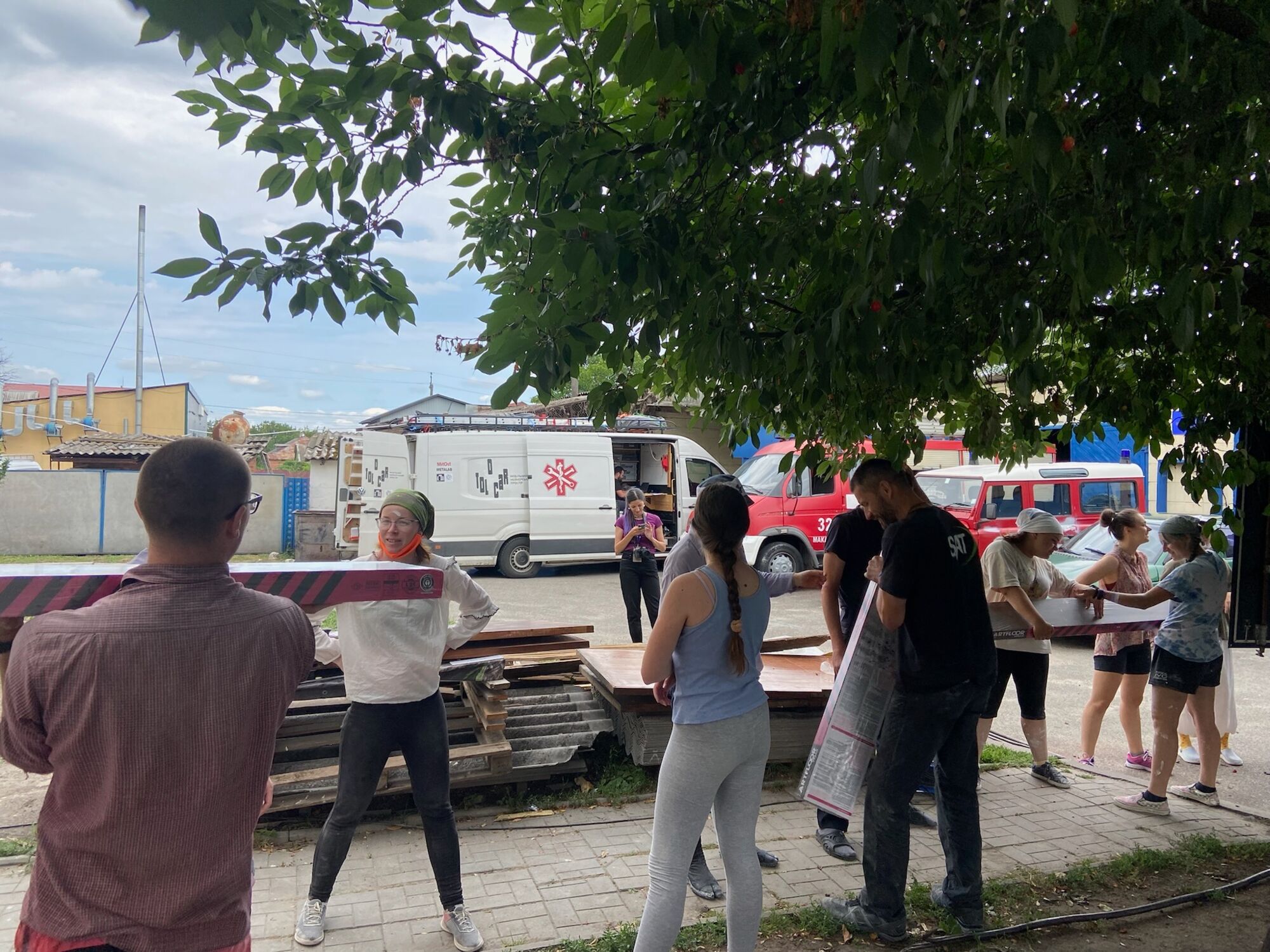 Everyone pitches in to rebuild the fire station. The residents are rebuilding their villages and are happy to receive any support. Photo: CADUS
Published:
Author:
Die Zukunft humanitärer Hilfe
Einen Text schreiben über die Zukunft der humanitären Hilfe. Mein erster Impuls: Das wird aber ein düsterer Text. Die Gegenwart der humanitären Hilfe lässt wenig Raum für Zuversicht. Kriege reißen nicht ab, im Sudan sterben Menschen unbeachtet von der Weltöffentlichkeit,

How AI Is Changing Humanitarian Aid: Risks and Opportunities
I’ve spent enough nights under mosquito nets and sat through long, often circular UN coordination meetings to know this: if we want to reach people in crisis faster, with less waste, and without burning out the sector, we can’t
Wie KI die humanitäre Hilfe verändert: Risiken und Chancen
Ich habe genug Nächte unter Moskitonetzen verbracht und lange, oft im Kreis drehende UN-Koordinationssitzungen durchgestanden, um eines zu wissen: Wenn wir Menschen in Krisen schneller erreichen wollen, mit weniger Verschwendung und ohne den gesamten Sektor zu überlasten, können wir