Severe earthquake in northern Syria and Turkey: CADUS supports the Kurdish Red Crescent Emergency Response.
Veröffentlicht am 8. February 2023
von CADUS-PR
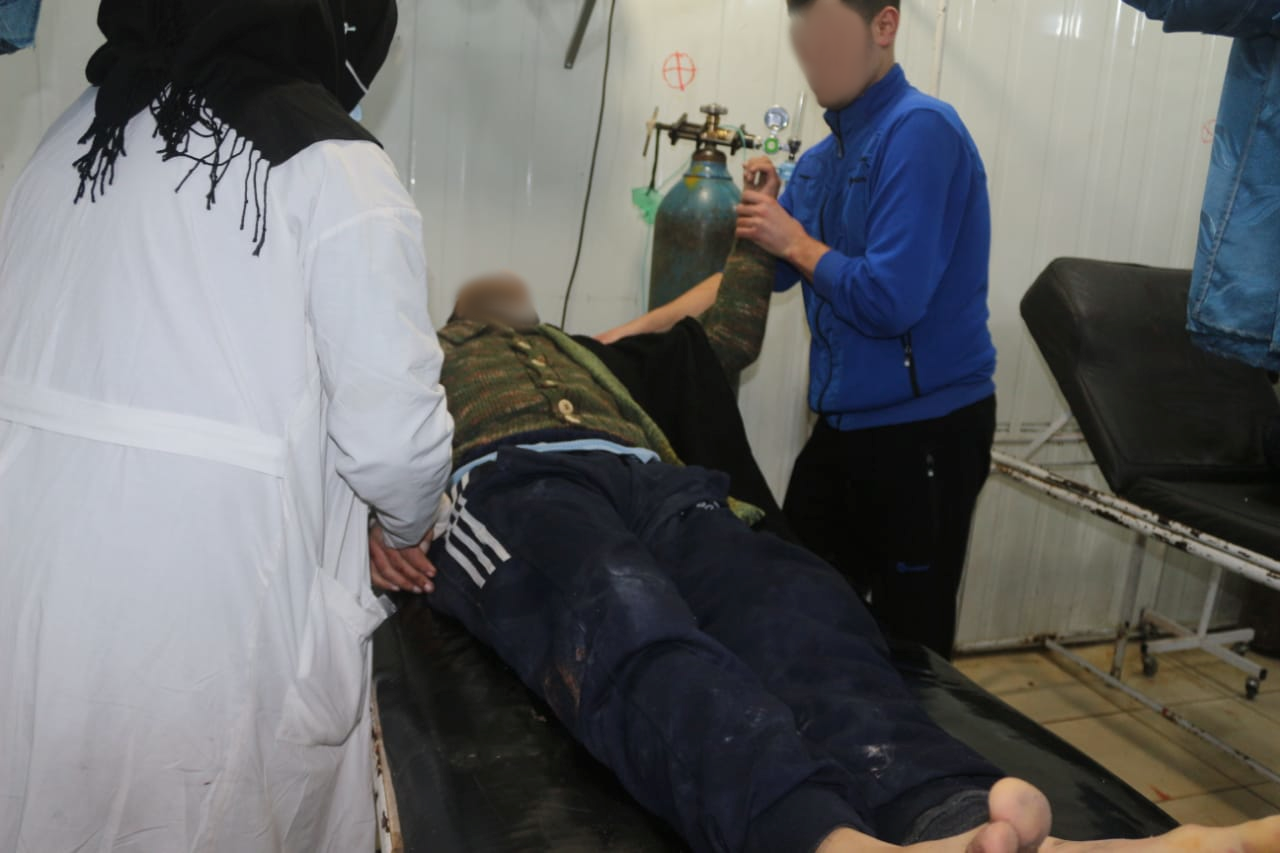
The Volunteers from KRC are doing their best to support the affected people in the region. Photo: KRC
Early on Monday morning, a severe earthquake with a magnitude of 7.8 shook the region on the border between Syria and Turkey. Further strong quakes followed in the course of the day. By the afternoon, more than 2,000 people had already been counted dead, and tens of thousands more are directly affected by the disaster. CADUS supports the Kurdish Red Crescent Emergency Response with medicines and essential non-food items.
The employees of CADUS in the eastern part of north-eastern Syria were woken from their sleep by the earthquake, and the shock is still deep-seated. Fortunately, apart from a minor injury, nothing happened to them.
But in the northwest of the country, the extent of the destruction is huge. The earthquake has affected people there who have been suffering from the conflicts in the region for years and who now have to deal with destroyed houses and infrastructure and many injured people during the coldest time of the year. Our partner organization, the Kurdish Red Crescent (KRC), immediately started providing emergency aid on the ground in northern Syria. Since the early morning, KRC aid workers have been caring for those affected by the earthquake in Aleppo, Kobane, Tal Rifaat and Manbij.
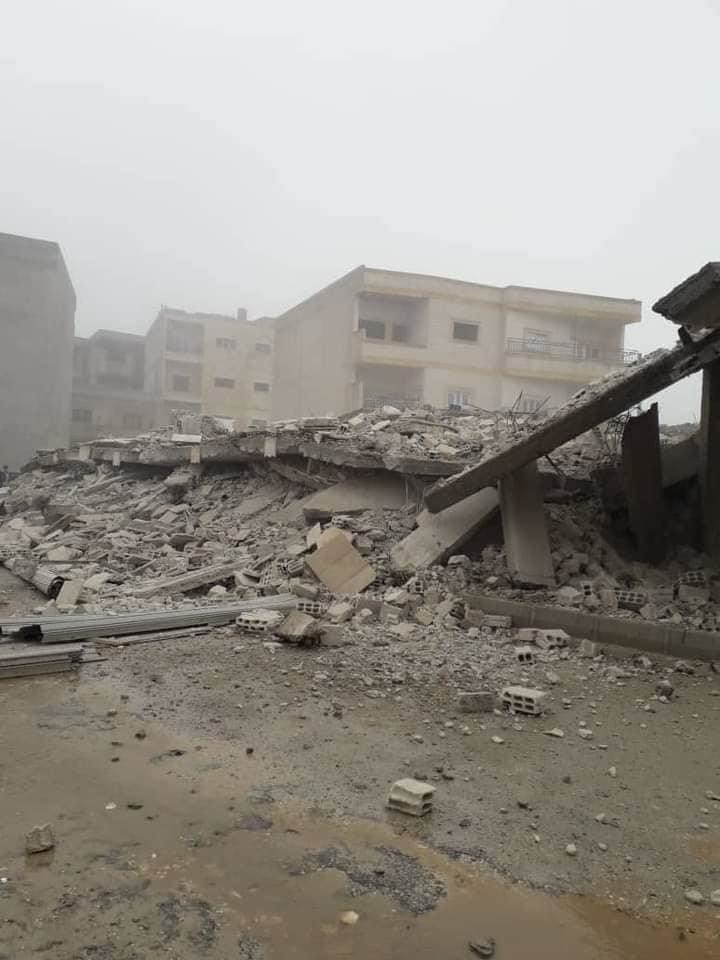
The earthquake caused thousands of deaths and injuries in the affected region and caused extensive damage, as here in Kobane. Photo: KRC
The area is extremely difficult to access for aid organizations due to the complicated political situation: It is located in the area controlled by Turkey, and is separated from Kurdish-controlled north-eastern Syria by an area controlled by the Syrian regime. The fact that KRC operates on the ground there is anything but a matter of course, and involves considerable risk for the organization.
We support KRC in this. Your donations arrive directly on site!
Published:
Author: by Corinna Schäfer

Die Zukunft humanitärer Hilfe
Einen Text schreiben über die Zukunft der humanitären Hilfe. Mein erster Impuls: Das wird aber ein düsterer Text. Die Gegenwart der humanitären Hilfe lässt wenig Raum für Zuversicht. Kriege reißen nicht ab, im Sudan sterben Menschen unbeachtet von der Weltöffentlichkeit,

How AI Is Changing Humanitarian Aid: Risks and Opportunities
I’ve spent enough nights under mosquito nets and sat through long, often circular UN coordination meetings to know this: if we want to reach people in crisis faster, with less waste, and without burning out the sector, we can’t
Wie KI die humanitäre Hilfe verändert: Risiken und Chancen
Ich habe genug Nächte unter Moskitonetzen verbracht und lange, oft im Kreis drehende UN-Koordinationssitzungen durchgestanden, um eines zu wissen: Wenn wir Menschen in Krisen schneller erreichen wollen, mit weniger Verschwendung und ohne den gesamten Sektor zu überlasten, können wir