Border openings in Gaza: Turning words into action
Veröffentlicht am 5. April 2024
von Jonas Gruenwald
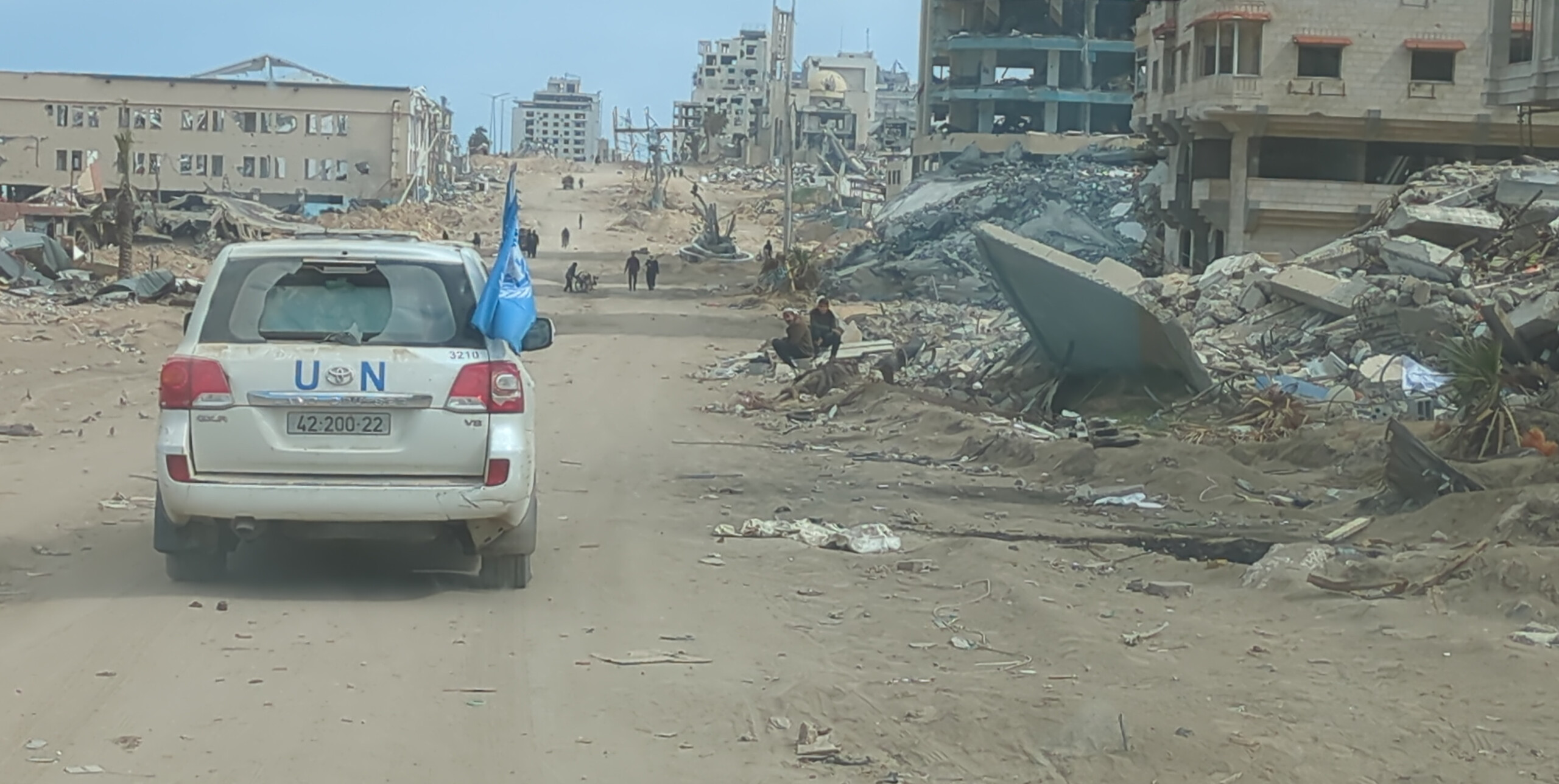
Auf einer Fahrt durch Nord-Gaza wird das Ausmaß der Zerstörung ersichtlich. Eine Grenzöffnung für humanitäre Güter könnte die Not abmildern. Foto: CADUS
We are delighted by the news of a planned opening of the border in the north and south of Gaza and thus the prospect of more humanitarian aid deliveries. At the same time, it is clear that this step is long overdue and that Israel must now quickly follow up its announcement with action.
The opening of the borders gives hope for an easing of the situation and an improvement in the supply of food, medicine, fuel and other essential goods. This could also eliminate the need for expensive, ineffective and dangerous transportation by air. For us, the opening of the borders could also reduce the risk of our medical transports from the north. The people there understandably take every opportunity to get food and approach our convoys in the hope of a little nourishment.
Despite the risks and several aborted attempts, our team continues to carry out medical transports, so-called MedEvacs, from North Gaza. Video: CADUS
Expectations of the border openings are high, but many questions remain unanswered: to what extent will transports be permitted and how quickly can they pass through the checkpoints? Will the border also be open out of Gaza, especially to allow medical transports?
Not least because of the deadly attack on the aid workers from World Central Kitchen, the Israeli army has lost the trust of humanitarian organizations in joint agreements. Announcements to open the borders “temporarily” do not allow for reliable planning. Trust can only be rebuilt through clear announcements, agreements and processes in order to enable effective humanitarian work. Humanitarian aid workers must be able to carry out their tasks with the certainty that they will not be targeted by the Israeli army.
We therefore demand:
- the creation of permanent humanitarian corridors with clear and transparent arrangements between the Israeli army and humanitarian actors, and
- the opening of borders for medical transports to enable seriously ill and seriously injured people to receive appropriate medical care!
Humanitarian aid is not a generous act of a state, but a human right protected by international rules! It is time for Israel to act accordingly.
It’s hard to stop the bleeding once it started
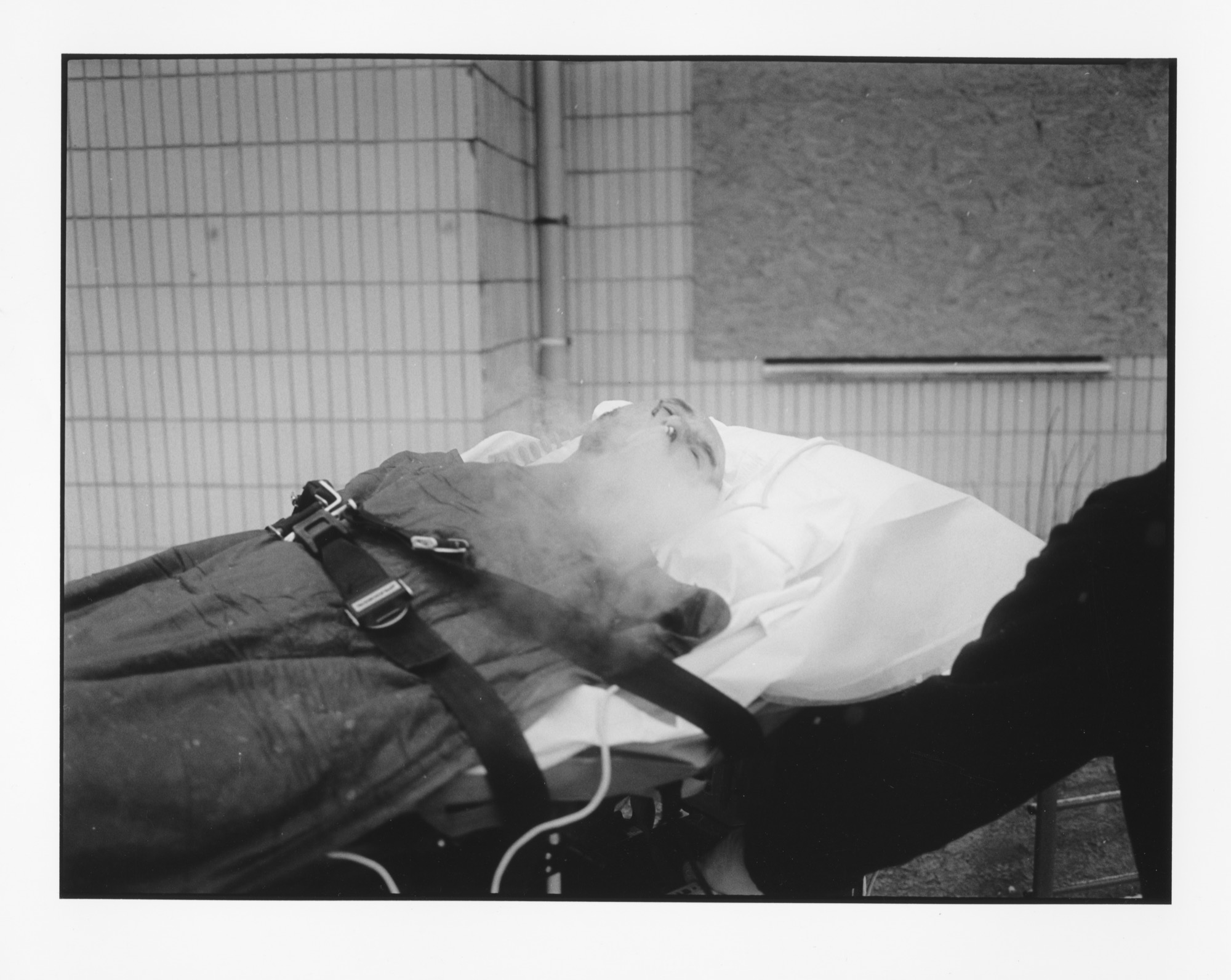
Photographer Julius Bauer visited our Medevac team in Dnipro, Ukraine, in February. In this guest article, he gives us a brief insight into the everyday life of our colleagues on site, takes us along on the transport of a wounded patient and shares his thoughts on the recurring war trauma in Ukraine and his impressions of life in the war zone. All photos in this article were taken by him.
It’s hard to stop the bleeding once it started
Der Fotograf Julius Bauer hat im Februar unser Medevac-Team in Dnipro in der Ukraine besucht. In diesem Gastbeitrag gewährt er uns einen kurzen Einblick in den Alltag unserer Kolleg*innen vor Ort, nimmt uns mit auf den Transport eines verwundeten Patienten und teilt seine Gedanken zum wiederkehrendem Kriegstrauma der Ukraine und seine Eindrücke vom Leben im Kriegsgebiet. Alle Fotos in diesem Beitrag stammen von ihm.
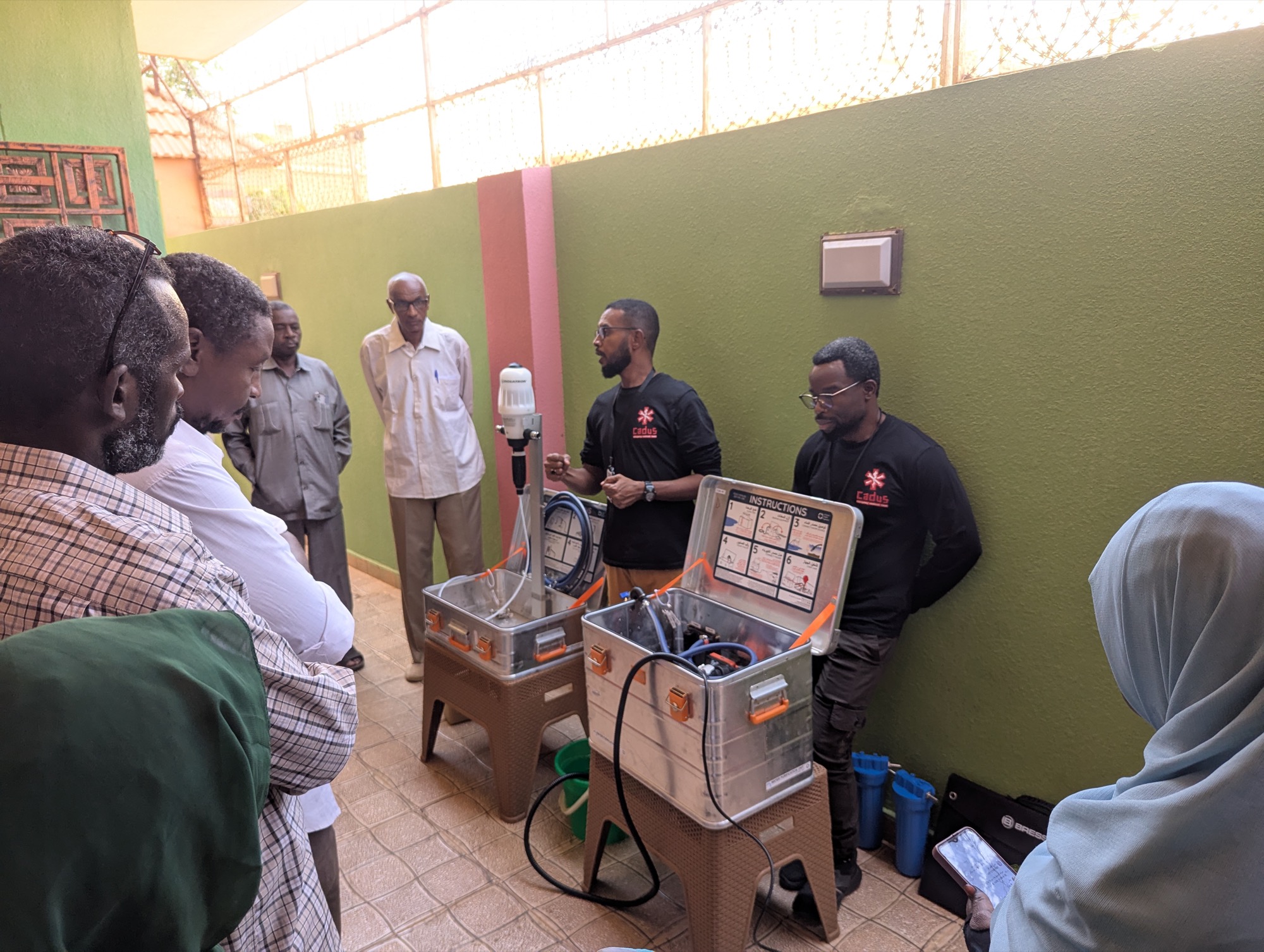
Cholera prevention in Sudan
We are helping to prevent future cholera outbreaks by providing training and equipment for drinking water treatment in Sudan.