Emergency Response Balkan
Veröffentlicht am 18. February 2020
von CADUS-PR
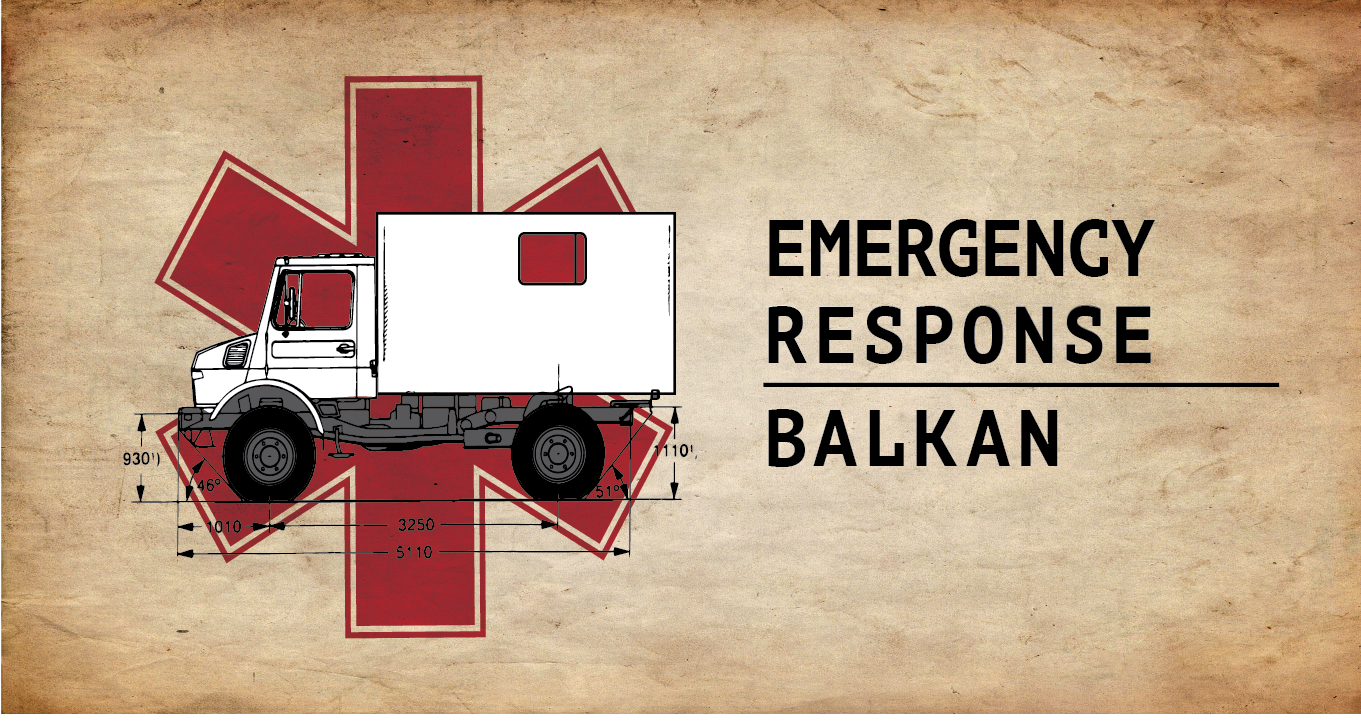
Target country/region: Bosnia and Herzegovina, Sarajevo
Period: November 2018 – March 2019
Brief description: With a mobile clinic, CADUS provided basic medical care to refugees on the Balkan route, specifically in Sarajevo, and delivered over 2500 treatments.
Project history:
Thousands of people fleeing the Balkan route are stranded at the EU’s external border outside Croatia. They live in countries like Bosnia-Herzegovina in refugee camps or on the streets in the big cities. Repression, violence, inadequate government support and no access to medical care lead to poor living conditions. With the cold Bosnian winter soon to begin, it was clear to us that medical care for refugees was needed there.
Our detailed assessment on the ground revealed that two hotspots could be expected in the winter of 2018/2019. One was the area from Bihac to Velika Kladusa in the north and the other was in the capital Sarajevo. In consultation with several organizations, we took over the medical care there, while the north was covered by the other organizations.
Thanks to the great help of our supporters, we converted a van into a heated examination and treatment room in mid-November and sent the first team to Sarajevo.
Immediately after arrival, we were able to start work and provide basic medical care over the winter. However, it quickly became clear that there were a number of problems that went beyond our capacities and for which specialists were needed: opticians, dentists and psychologists or psychiatrists.
Thanks to good local contacts, these were soon found so that we could refer the patients. A Bosnian dentist offered us special conditions for the treatments. An optician was necessary because many of the refugees on the Balkan route regularly had their belongings destroyed or stolen by the police and border guards – not only cell phones, sleeping bags, warm clothing and shoes, but also eyeglasses, for which we procured replacements. The psychological problems that are widespread among our patients there due to the experiences of violence and flight could be treated through close cooperation with specialists from another organization.
The flexibility and mobility of our team paid off. The constantly changing political and security situation and the different locations of the refugees have led us to change our treatment location several times. Probably the biggest change came in January when we started working in a community center and a heated waiting room was available for our patients. In addition to the people on the streets and in the squats, we were also able to take care of families with children who are staying in a separate house.
By the end of the project in mid-March 2019, our teams have carried out 2625 treatments and thanks to our donors have been able to make a significant contribution to the health care of refugees in Sarajevo.
Verhärtete Fronten – CADUS Jahresrückblick 2024
Das Jahr 2024 war für uns gleich in dreifacher Hinsicht besonders: wir feierten unser 10jähriges Jubiläum, starteten in unseren bisher herausforderndsten Einsatz und haben uns nach einigen arbeitsreichen Jahren endlich als Emergency Medical Team klassifiziert. Aber der Reihe nach.
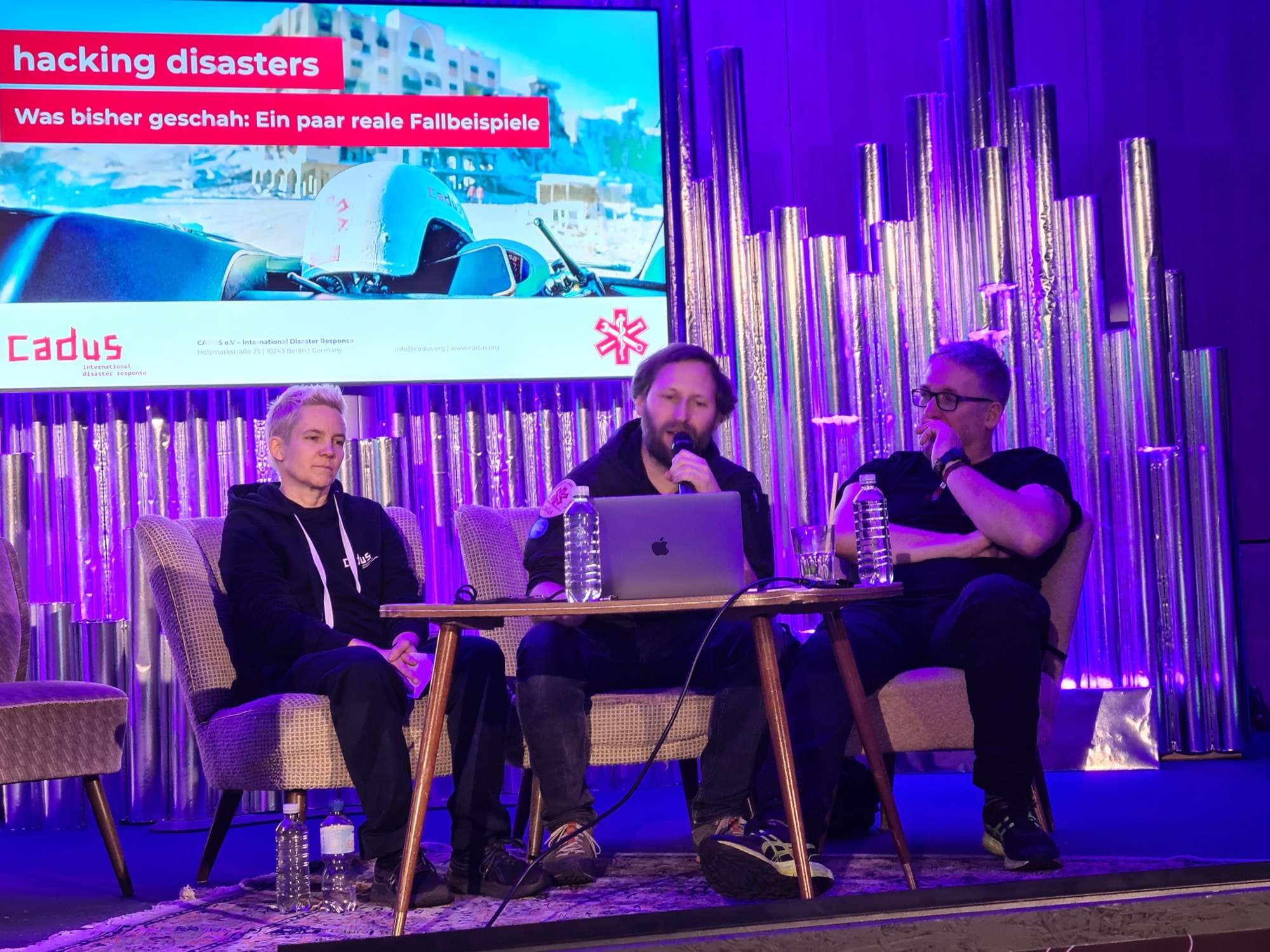
CADUS at 38c3 – Reports from the field and a very special job center
At the end of 2024, we really went all out once again: At the Chaos Communication Congress 38C3, there were several presentations by CADUS and a rather unusual humanitarian job consultation.
CADUS beim 38c3 – Berichte aus dem Feld und ein ganz besonderes Arbeitsamt
Zum Abschluss des Jahres 2024 haben wir uns noch einmal richtig ins Zeug gelegt: Auf dem Chaos Communication Congress 38C3 gab es mehrere Vorträge von CADUS und eine recht ungewöhnliche humanitäre Job-Beratung.