Humanitarian disaster relief

CADUS and Climate Emergency Response
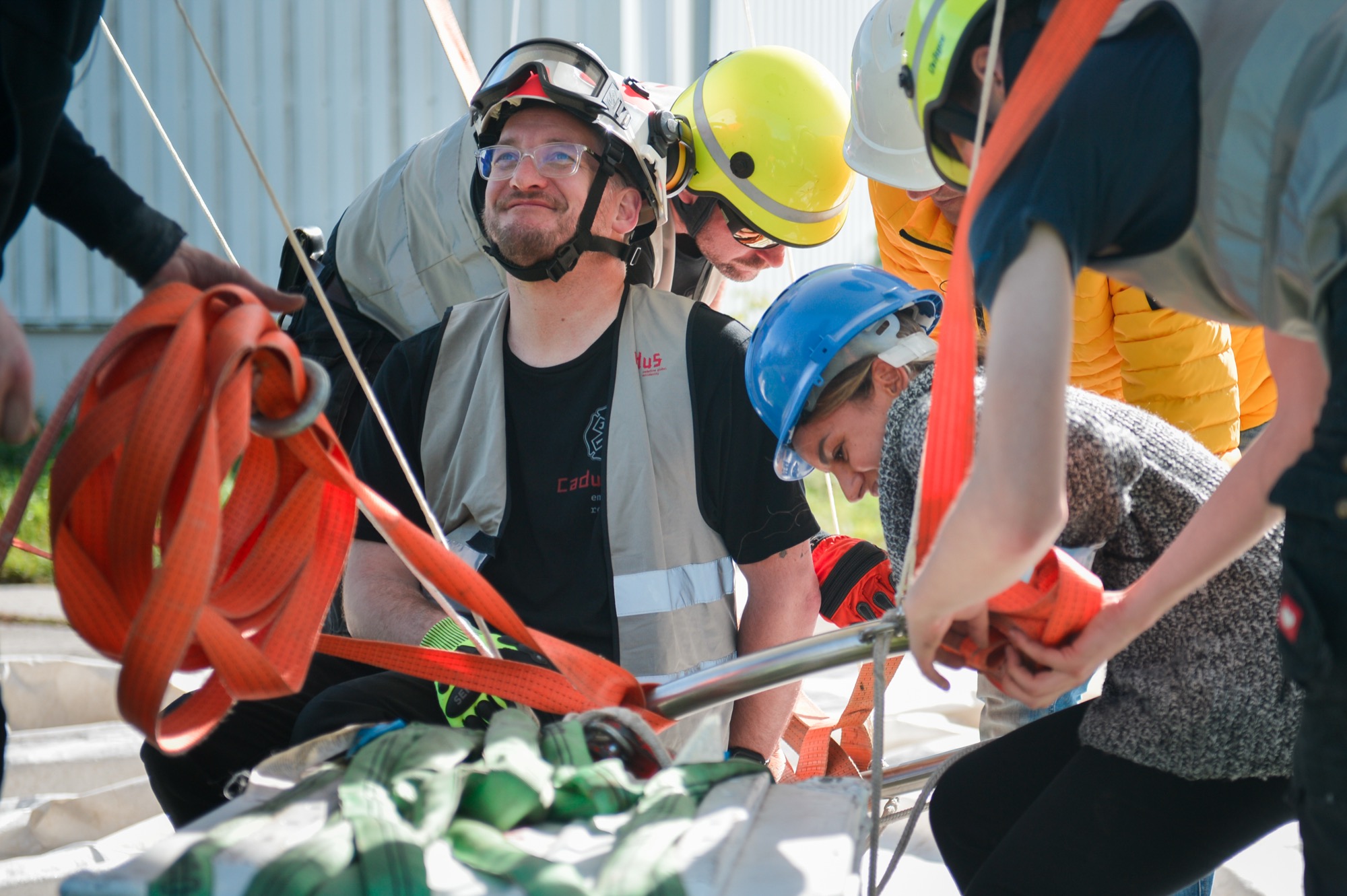
The climate crisis means that extreme weather events such as floods, forest fires and heatwaves are becoming more frequent and more severe. In order to be prepared for these humanitarian disasters, new approaches are needed in disaster relief and greater involvement of civil society. CADUS has many years of experience in crisis regions and would like to contribute to making people and structures capable of taking action

With the Climate Emergency Response Program, CADUS aims to meet this growing need. This involves integrating technical expertise into the disaster relief framework, training a new generation of emergency personnel and helpers for climate disasters and establishing a network that combines climate policy and professional disaster relief.

Our approaches
We are currently expanding our training capacities and making them accessible worldwide through an online learning platform. In the CADUS Academy, we are making all our experience and that of our partners from academia, civil society and humanitarian aid accessible. We make the materials available free of charge. In this way, we want to prepare interested and affected parts of civil society for climate-related disasters. Training is provided in various disaster scenarios such as floods, power outages and forest fires. Learners can also acquire basic knowledge in areas such as psychological first aid, water treatment and safety & resilience.

We want to make our knowledge as widely accessible as possible, especially for groups that have often hardly been reached or considered to date. To this end, we train community organizers who can pass on what they have learned to their communities and target groups. We have already tested initial approaches and would now like to further develop and expand these together with partners. We welcome support, ideas and collaborations. Feel free to contact us!

Similar to our response teams in war zones, we can become active in disaster areas at short notice to alleviate suffering on site and provide both technical and medical support. For example, we train special teams for high-altitude or water rescue and offer training for initial medical care and evacuation measures in areas that are difficult to access and challenging situations.

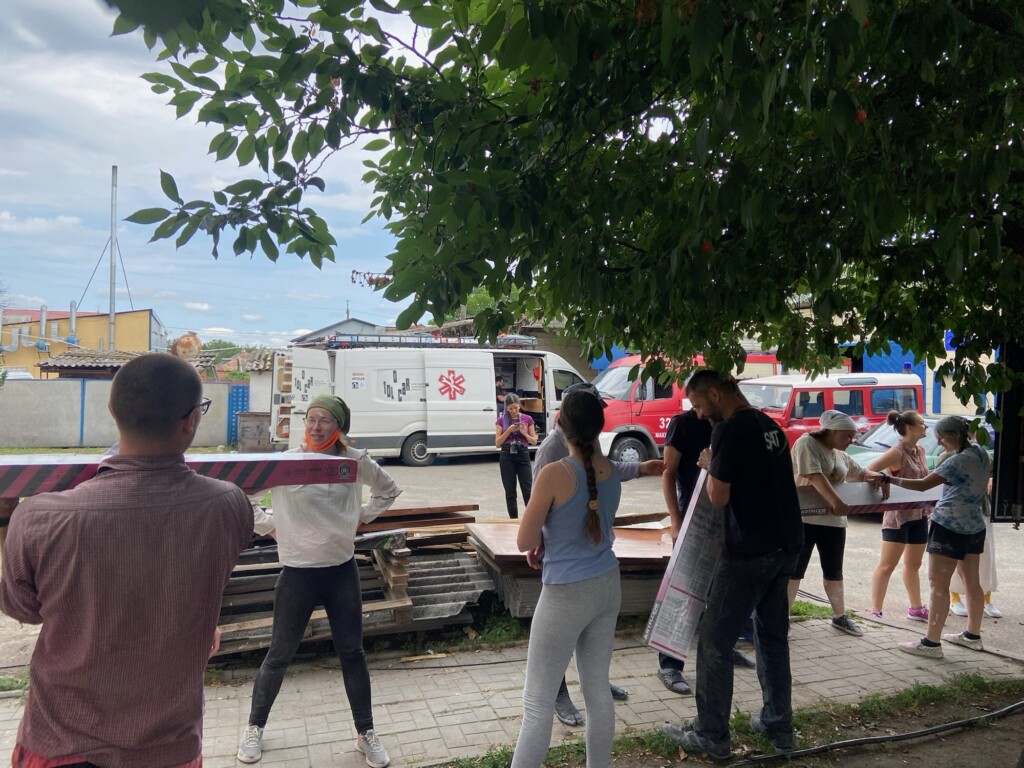
People show solidarity in disasters. We know this from our actual work, but also from research. In addition to top-down organized aid, disasters also require support from so-called “spontaneous helpers” or community-based structures that have a deeper understanding of organization and defined competencies. We are familiar with both perspectives and mediate between disaster relief organizations and helpers without organizational ties on the ground.

Less scared, more prepared!

The effects of the climate crisis are increasing noticeably worldwide. That is why we are further expanding our Climate Emergency Response. We need your support for this. We welcome partners, supporters and also donations.

Do you have ideas on how we can expand the topic of “Climate Emergency Response”, want to get involved in training or know organizations to network with? Then write to us at info@cadus.org!

With the Soli-Preppen Congress, we launched a professional exchange on the further development of the field from a solidarity, humanitarian and professional perspective. Our evaluation and the recordings of the 2025 congress can be found here.