COVID-19 response: Masks in Northeast Syria
Published on 14. January 2022
from CADUS-PR
covid-19-response-masken-in-nordostsyrien-feature-masksfornortheastsyria
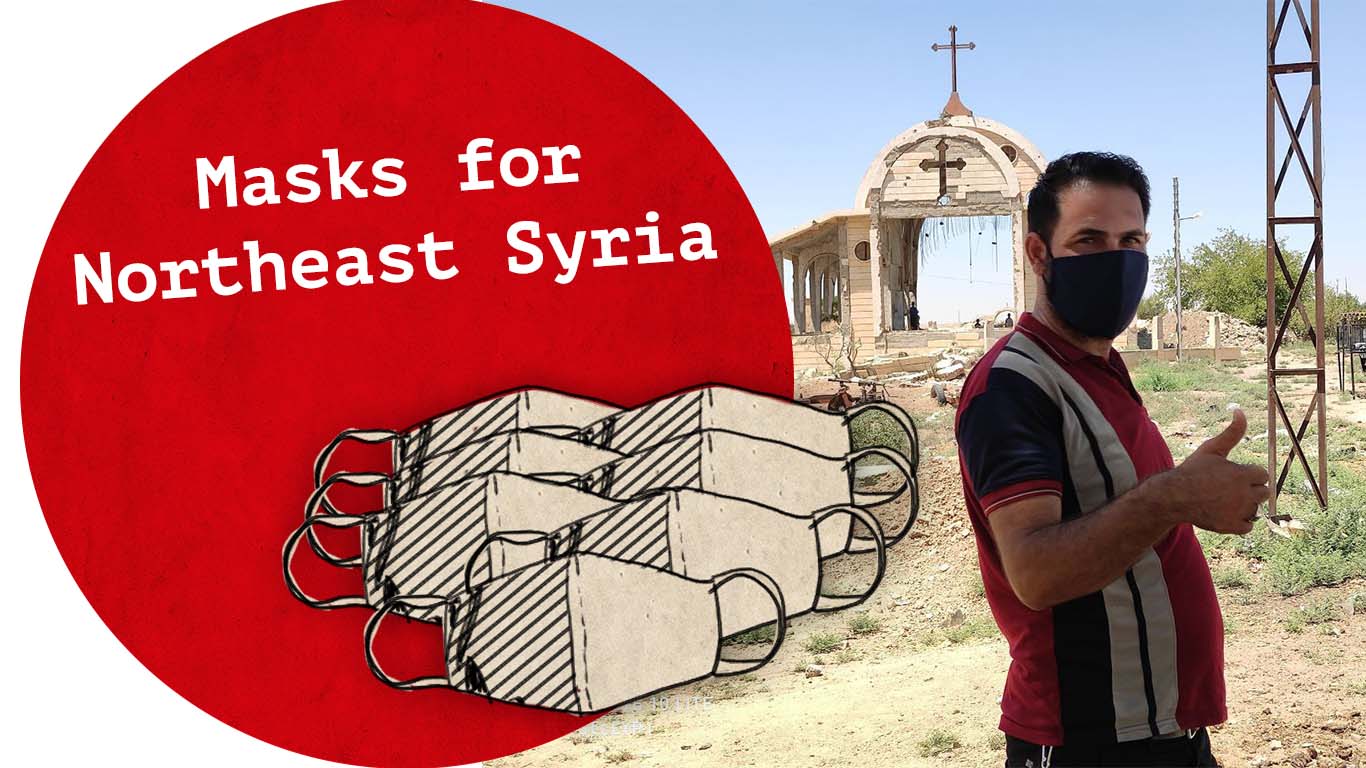
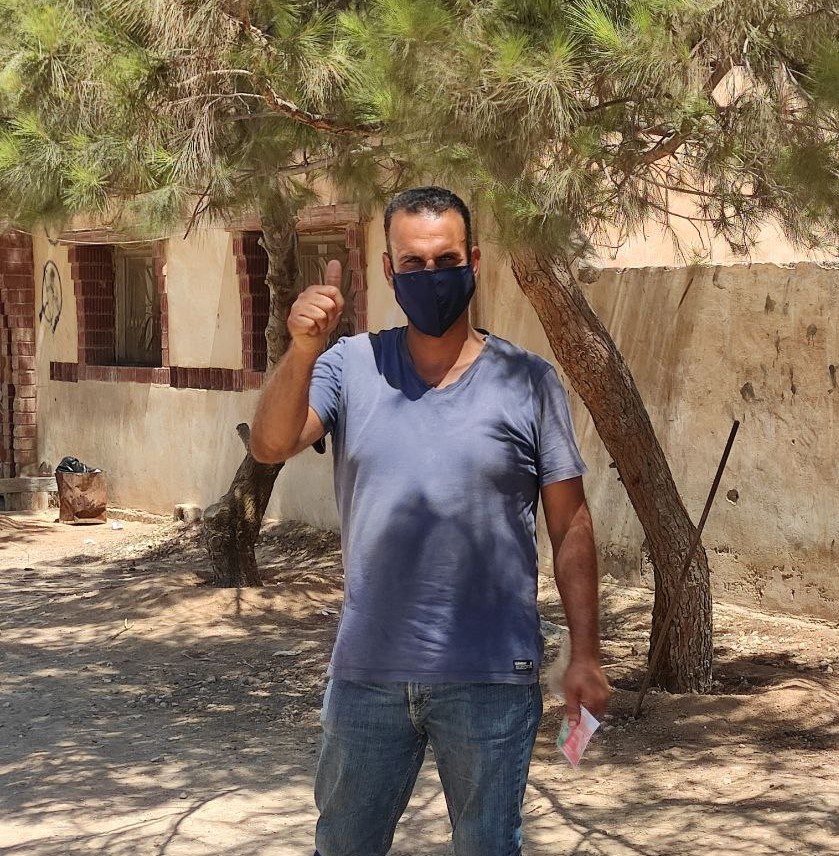
Due to sanctions and limited aid supplies, there is a mask shortage in northeast Syria. While Covid-19 infection rates are rising, people have little opportunity to protect themselves against it. We produce masks at local workshops and then distribute them to people in Tal Tamr and surrounding communities.
In northeastern Syria, everyday masks are in short supply and very expensive. As a preventive measure against corona, we have therefore already had over 13,400 masks produced by local seamsters and seamstresses and distribute them to the population.
Economic crisis as a health risk
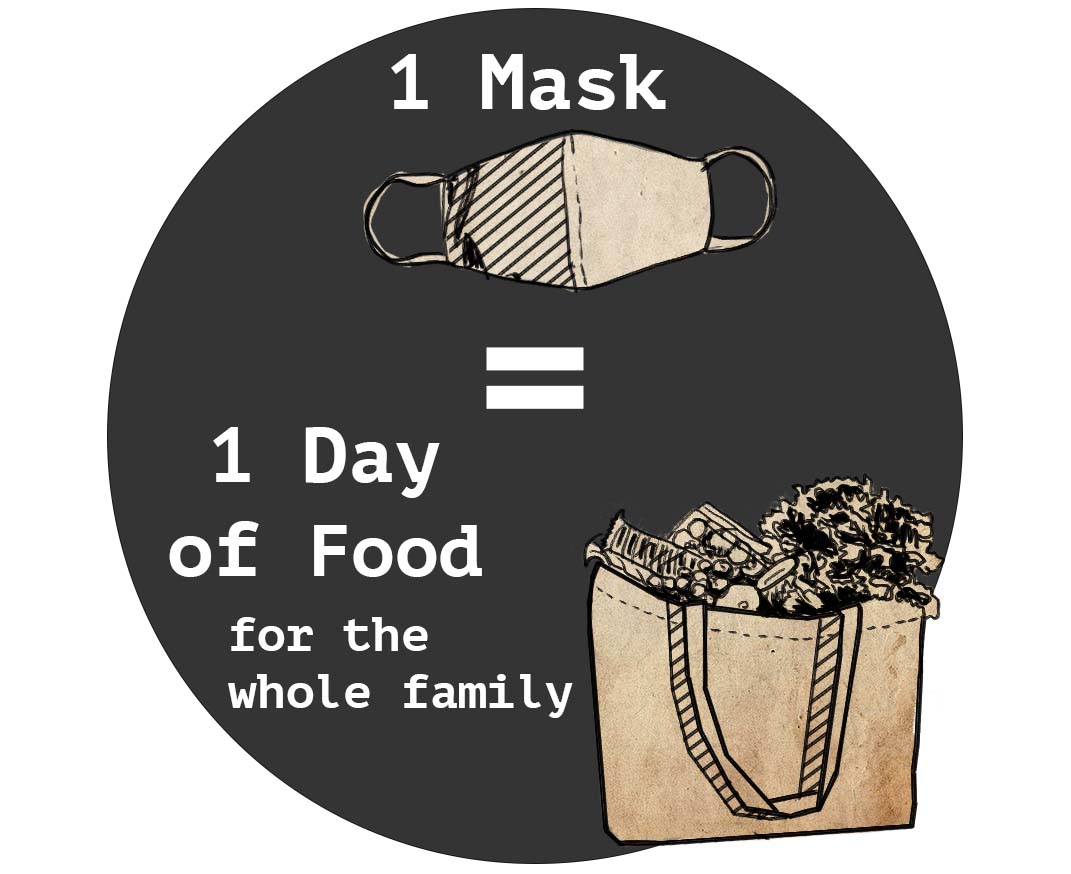
The precarious economic situation in Northeast Syria and the inflation and sanctions on imports mean that medical or everyday masks are a very rare and expensive commodity. In a population where 80% of people live below the poverty line, families often have to choose between putting food on the table or buying masks when they go shopping.
Viele Menschen sind aus ihren Heimatorten vertrieben worden und leben in überfüllten Unterkünften, in denen Abstand halten kaum möglich ist. Auch die sanitäre Versorgung lässt in solchen Orten kaum zu, sich an die Hygieneregeln zu halten.
Masks from Syria for Syria
The easy solution, simply sending a lot of medical masks to northeast Syria to solve the problem is unfortunately not possible. Sanctions prohibit the import of large quantities of such goods and both transport costs and additional effort would not have been affordable for us. Therefore, we joined forces with local health structures such as the Tal Tamr Municipal and Health Council (our local partners) and arranged for the local production of everyday masks. Sewers were guided by medical professionals and were able to produce 13,500 masks so far. Health workers in the city of Tal Tamr distribute the masks in hygiene packs with detailed instructions for use to the population of the city and surrounding communities. In addition, our staff conducts on-site hygiene training with employees of the local health council.
Progress of the project
We started the project in October 2020 and were able to produce 8,000 masks at the beginning through funding from the Lush Charity Pot.
After our own fundraising campaign, we were able to have another 4,450 masks re-produced in July 2021.
Field hospital al-Hol Camp
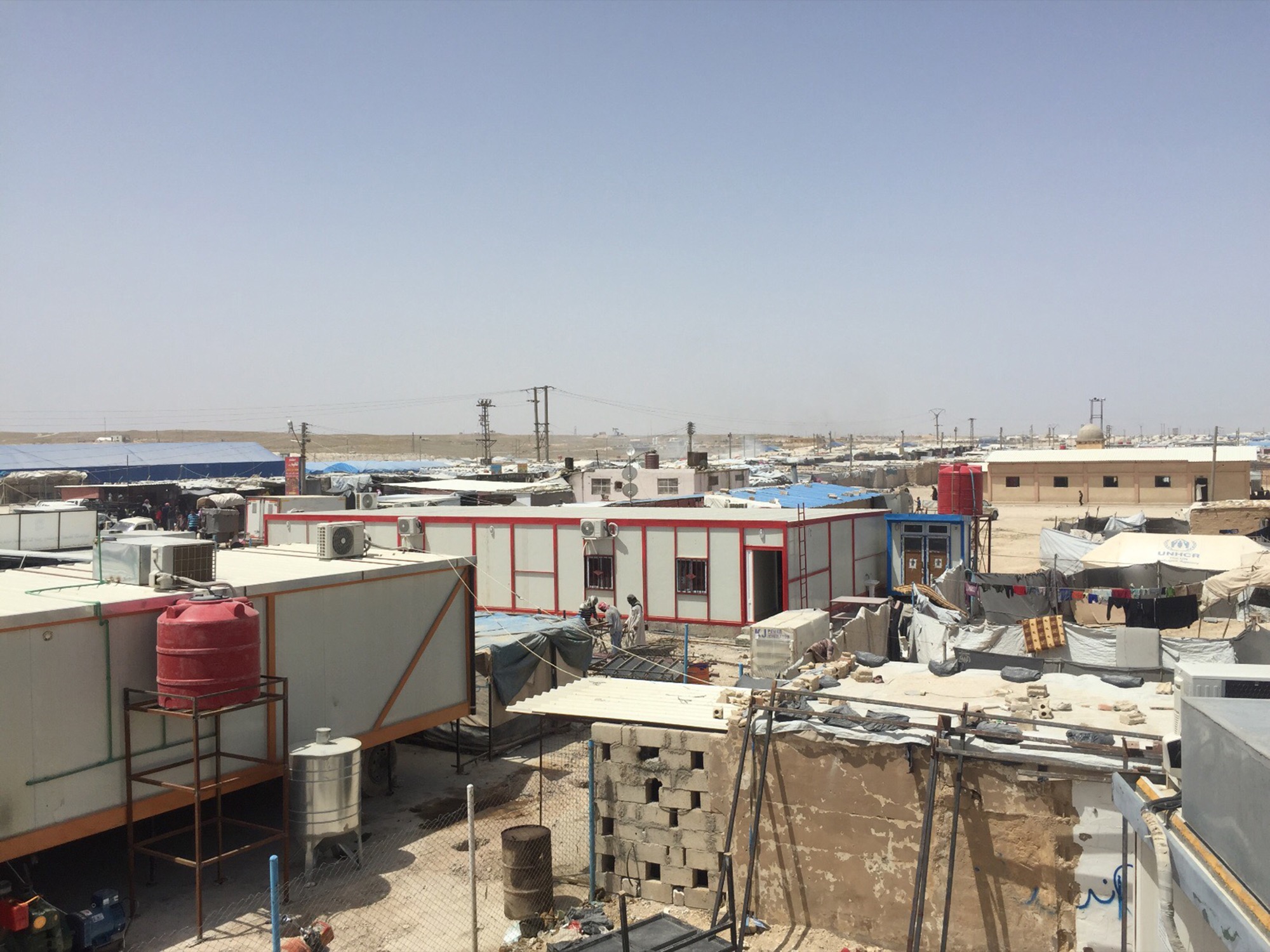
Destination country/region: Northeast Syria Period: March 2019 - June 2023 We operate a field hospital in the al-Hol refugee camp in northeastern Syria. The supply situation for the approximately 70,000 residents in the camp, designed for 20,000 people, is desolate. We support the local health structures in providing …
Humanity in one of the toughest places in the world – Looking back at four years of CADUS Field Hospital at Camp Al Hol
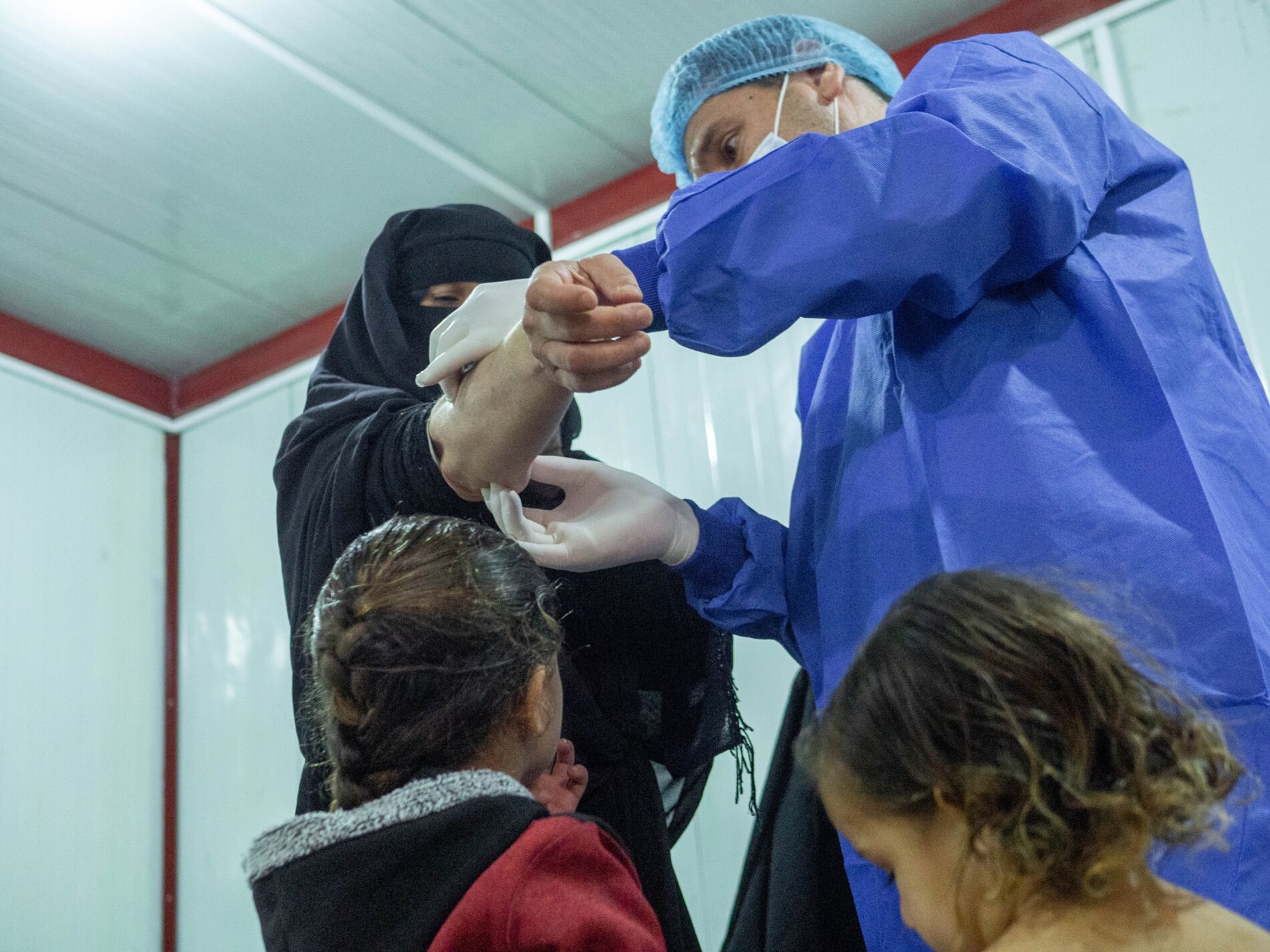
On June 30, 2023, the time had come: CADUS left Camp Al Hol, where we built up a field hospital and supported the camp's internal rescue control center, forever. But we know that the Field Hospital is in good hands: our local employees have set up their own organization and the ...
Water as a weapon
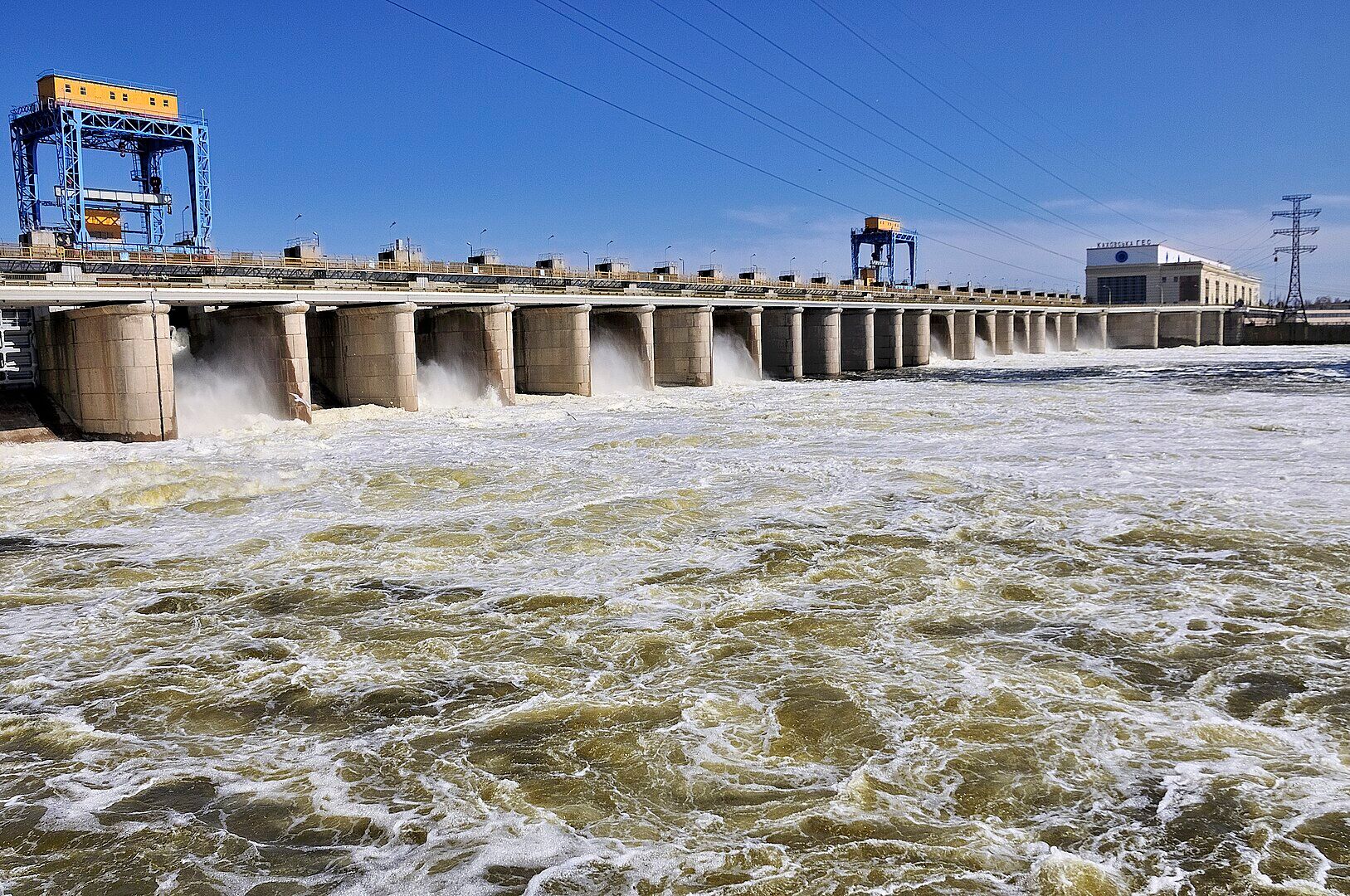
In addition to the ongoing shelling by rockets and artillery, thousands of people in Ukraine have been facing the threat of flooding since the morning of 06 June. The presumed blowing up of the Kakhovka dam is currently flooding large areas of the country around the city of Kherson.