No peace for northeastern Syria
Published on 8. November 2019
from CADUS-PR
no-peace-for-northeastern-syria-feature-verteilung-be8ad53e
As fighting continues in northeastern Syria, international aid is still much needed. CADUS keeps funding the operation of five ambulances.
Three weeks into the Turkish military operation, and in spite of two ceasefire agreements, the fighting has not stopped in northeastern Syria. The buffer zone demanded by Turkey has been captured and established long since, and the Kurdish dominated self government has deliberately backed out of many contested cities and military placements.
But apparently, Turkey's hunger is not yet satisfied. The advance of Turkish troops and their allied Syrian fractions is threatening the last cohesive settlement area of Assyrian Christians in Northeast Syria. People whose families were sent on death marches into the Syrian desert by Ottoman soldiers in World War I, who had to flee from the IS only five years ago, now again have to grab their remaining belongings and run. Their well-founded fear is to become the target of assaults by confederate Turkish and Syrian troops.
Ambulances are indispensable for medical care
Founded by survivors of the Assyrian Genocide, Tal Tamr is currently the first place of refuge for those wounded in combat, and ambulances are much needed. Whilst the local hospital is too small to cope with the onrush of patients seeking treatment, with long-distance transports to the nearest hospitals at Hasakeh and Qamishli often mean that an ambulance is blocked for many hours. Moreover, these ambulances will go right into the combat line to stabilize and evacuate the most heavily wounded. Moreover, they play a vital role in the care for Internally Displaced Persons. They stop by at schools and community centers to bring medical care to the diseased and injured, and to provide rapid transportation to emergency facilities.
60.000 euros of emergency relief money for northeastern Syria
Of the 60.000 euros you donated over the past weeks, we spent roughly one quarter to maintain five ambulances at northeastern Syria – an invaluable help for the paramedics on site. As the fighting has not yet come to an end, we wish to provide further support for the local health infrastructure. Hence, we have dedicated an additional 15.000 euros of your donation money to the funding of these ambulances over the next month.
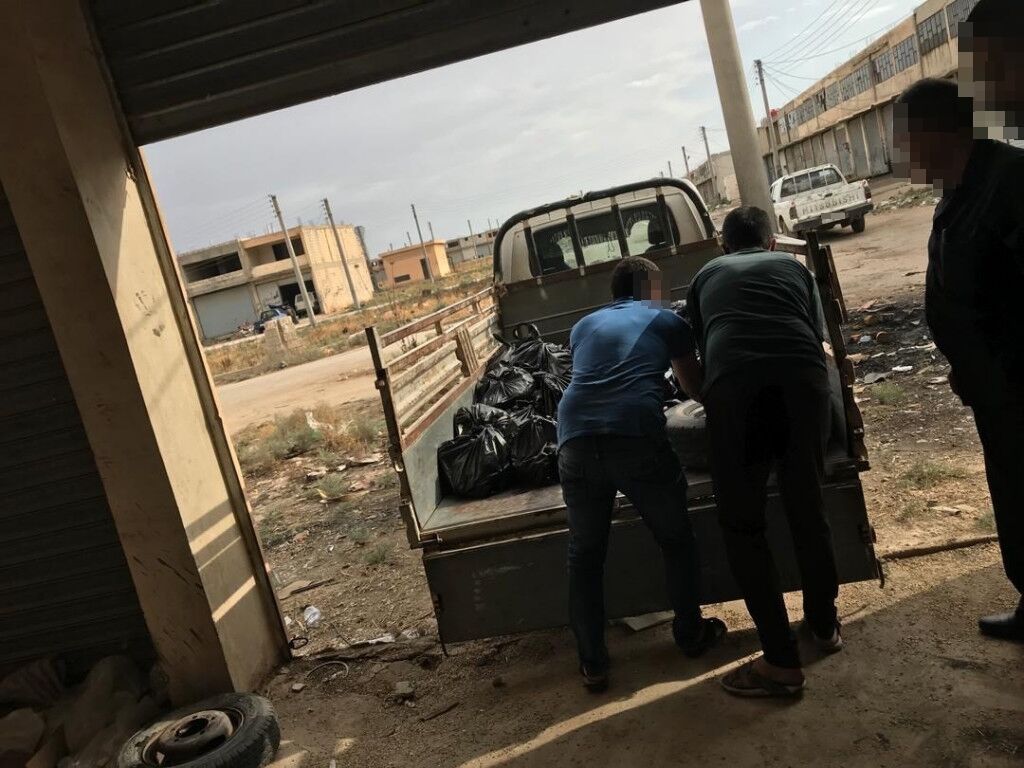
Another 15.000 euros went into providing food supplies for 810 families displaced to Tal Tamr from the border region. Due to a 20 % increase in food prices throughout the region, instant provision proved a challenge. Upon consultation with the local council, we decided for a food distribution. On top of their regular tasks, our CADUS staff assumed the procurement, transportation and distribution of supply packets containing dates, chickpeas, oil, zatar, sugar, canned meat, and semolina.
The CADUS team on site maintains constant exchange with the local self-government, as well as with other humanitarian aid organizations, to make sure your donations keep reaching the people in need at northeastern Syria directly!
Published
Author: by Jonas Grünwald
Trauma Stabilisation Point Mossul
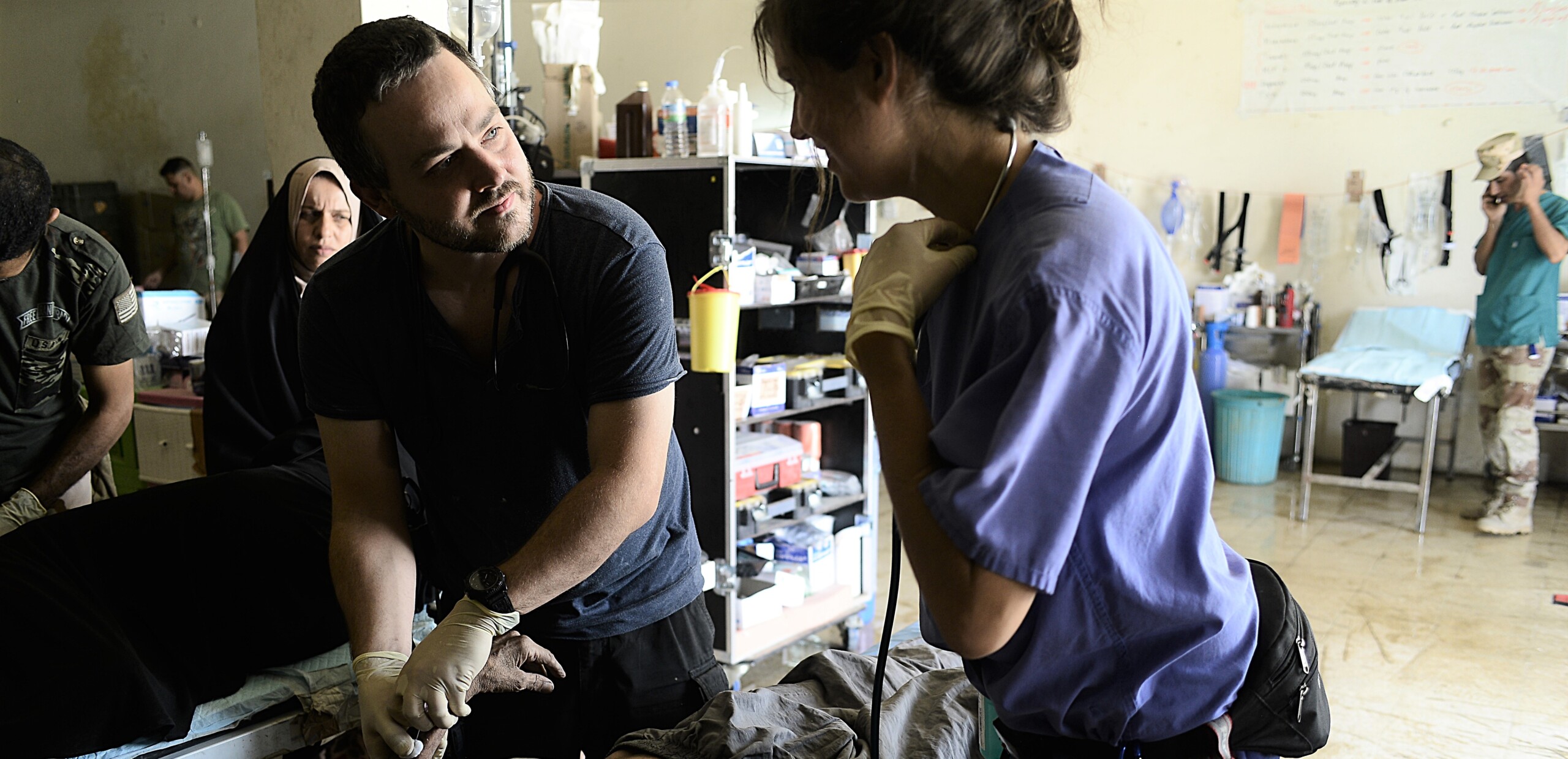
Target country/region: Iraq Period: June 2017- December 2017 CADUS provided medical trauma care to civilians in the course of retaking West Mosul. In doing so, this deployment took us one and a half kilometres behind the fighting lines in the summer of 2017. There, we were a part of the first link in the emergency …
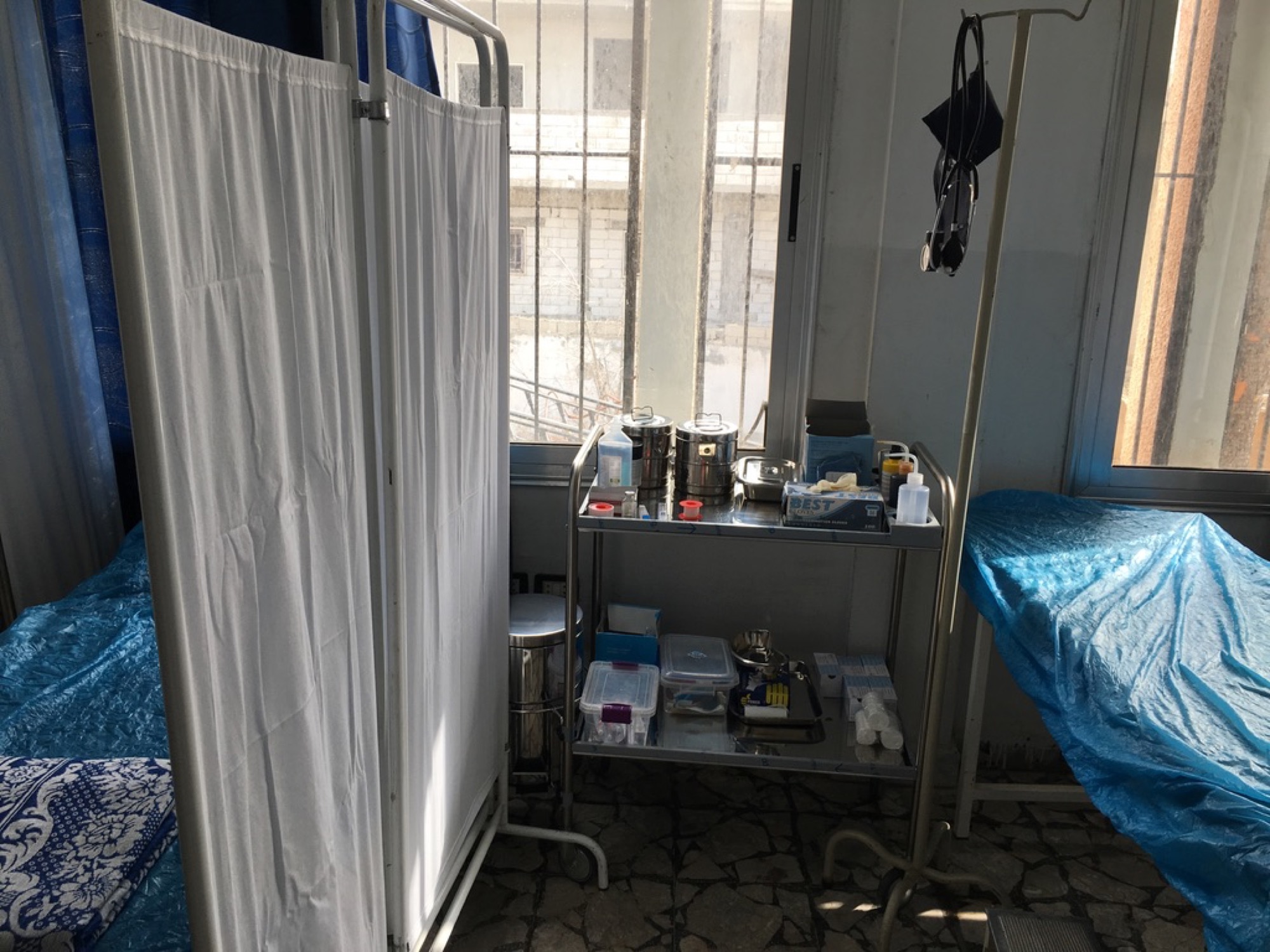
Primary Health Clinic Rakka
Target country/region: northeast Syria, Rakka Period: July 2018 - May 2020 Together with our partner organization Heyva Sor, we set up an outpatient general medical clinic, where about 120 patients were treated daily. The medical needs of the city, which was occupied by the Islamic State for years, were high. With the …
Faces of CADUS – Monitoring & Evaluation in Iraq
There are people where you can tell right away that they are truly passionate about what they do. This is the case with Muhammed, our newest employee in Iraq. Talking to him, it quickly becomes apparent that humanitarian work is his passion.