Leave No One Behind
Published on 25. March 2020
from CADUS-PR
leave-no-one-behind-2-feature-Lesbos20Sign2018-52c0d056
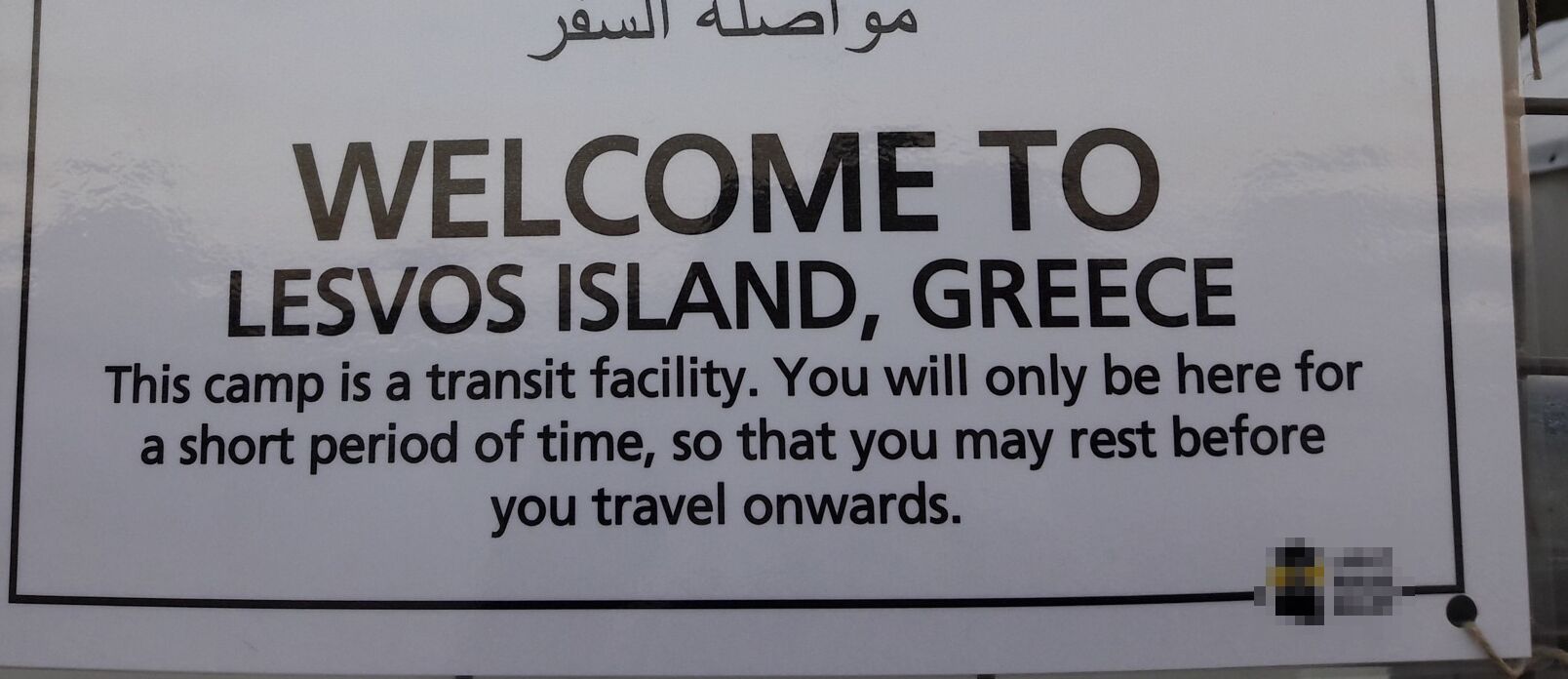
The corona virus is a challenge for all of us. But for refugees in the overcrowded camps on the Greek islands, the risk of an outbreak is far greater.
The news about Corona has been so overwhelming lately that other topics seem to have moved into far distance.
While we are increasingly feeling the effects of insecurity, restricted mobility, existential fears and the concern for family and friends in the last few days, the people in the hopelessly overcrowded camps on the Greek islands have known this for a long time.
By now the inhuman conditions, especially in the notorious camp Moria on Lesbos, should be widely known. The sad climax of the last few days was the outbreak of a fire that claimed a child as its victim.
Even CADUS has already reported about it in 2016, when one of our teams witnessed protests of the camp inhabitants against the miserable camp conditions.
Nevertheless the people and their concerns continue to be ignored by the European states. Much more the reception of refugees is suspended, the basic right to asylum is suspended, while deportations continue and German citizens are brought home from all corners of the world at state expense.
We should not leave this injustice unchallenged. We must ask ourselves whether we want to live in a society where human rights are played off against each other – especially in times of Corona.
For the closure of the camps in the Greek Aegean islands and for a dignified accommodation of all refugees in the European states!
Published
Author: by Jonas Grünwald
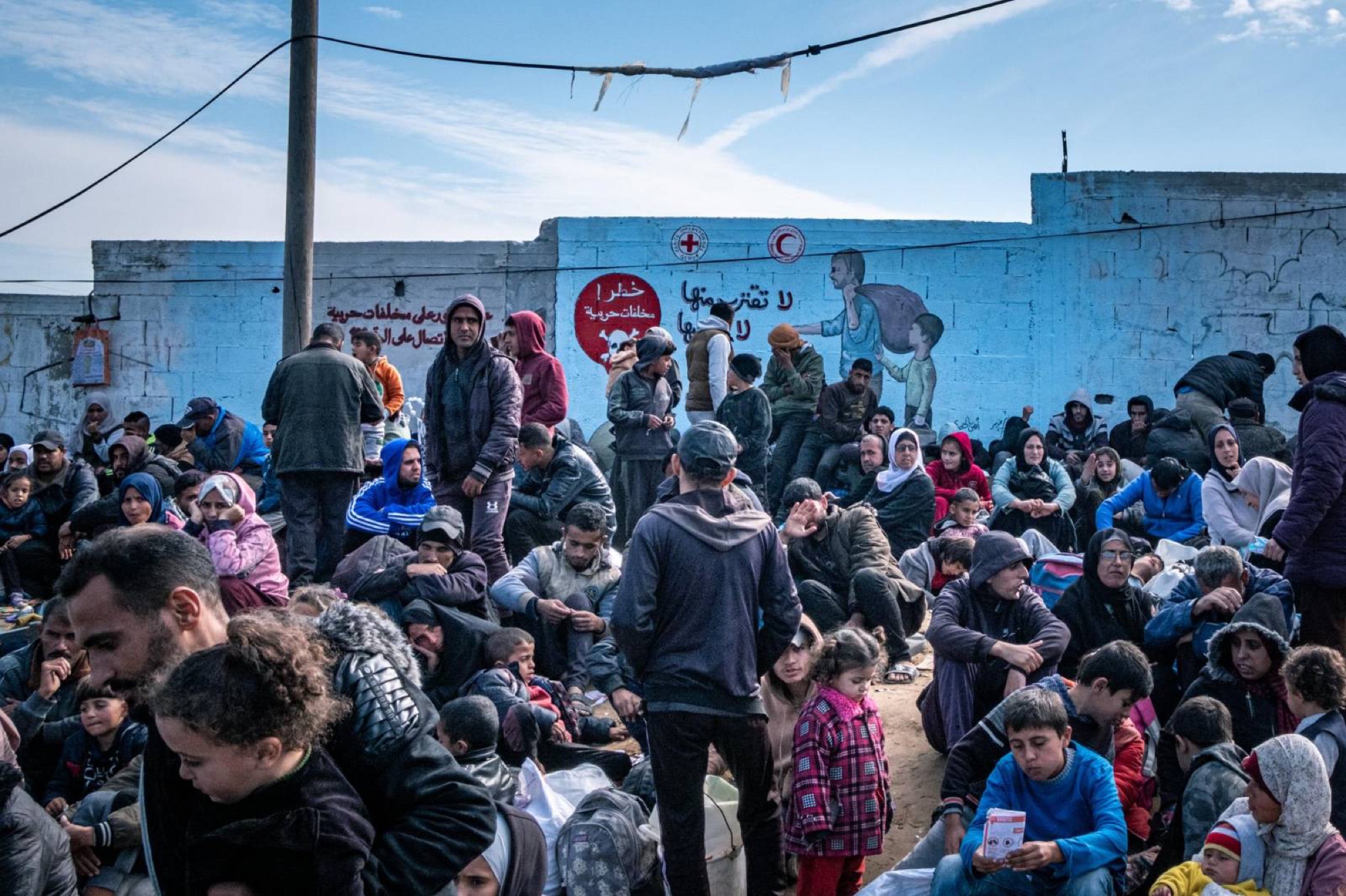
If only Gaza were a cruise ship
While the outbreak and spread of the hantavirus on a cruise ship is causing quite a stir and some are already worried about a coronavirus pandemic 2.0, outbreaks of infectious diseases elsewhere are going largely unnoticed.
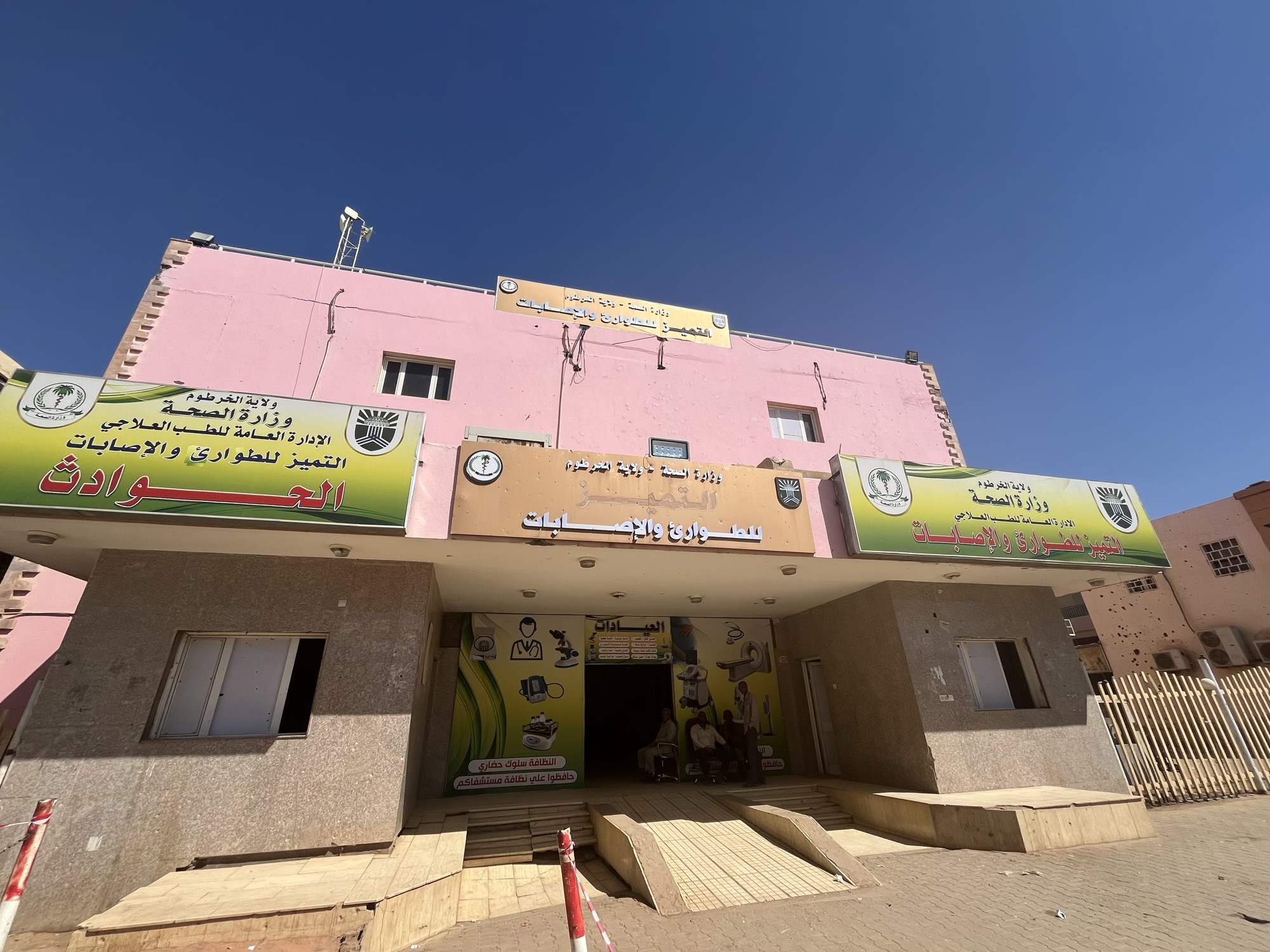
Sudan: Emergency room back in operation
Initial measures to get the emergency room at Al-Tamayoz Hospital in Khartoum back into operation will significantly improve emergency care in the city of millions.
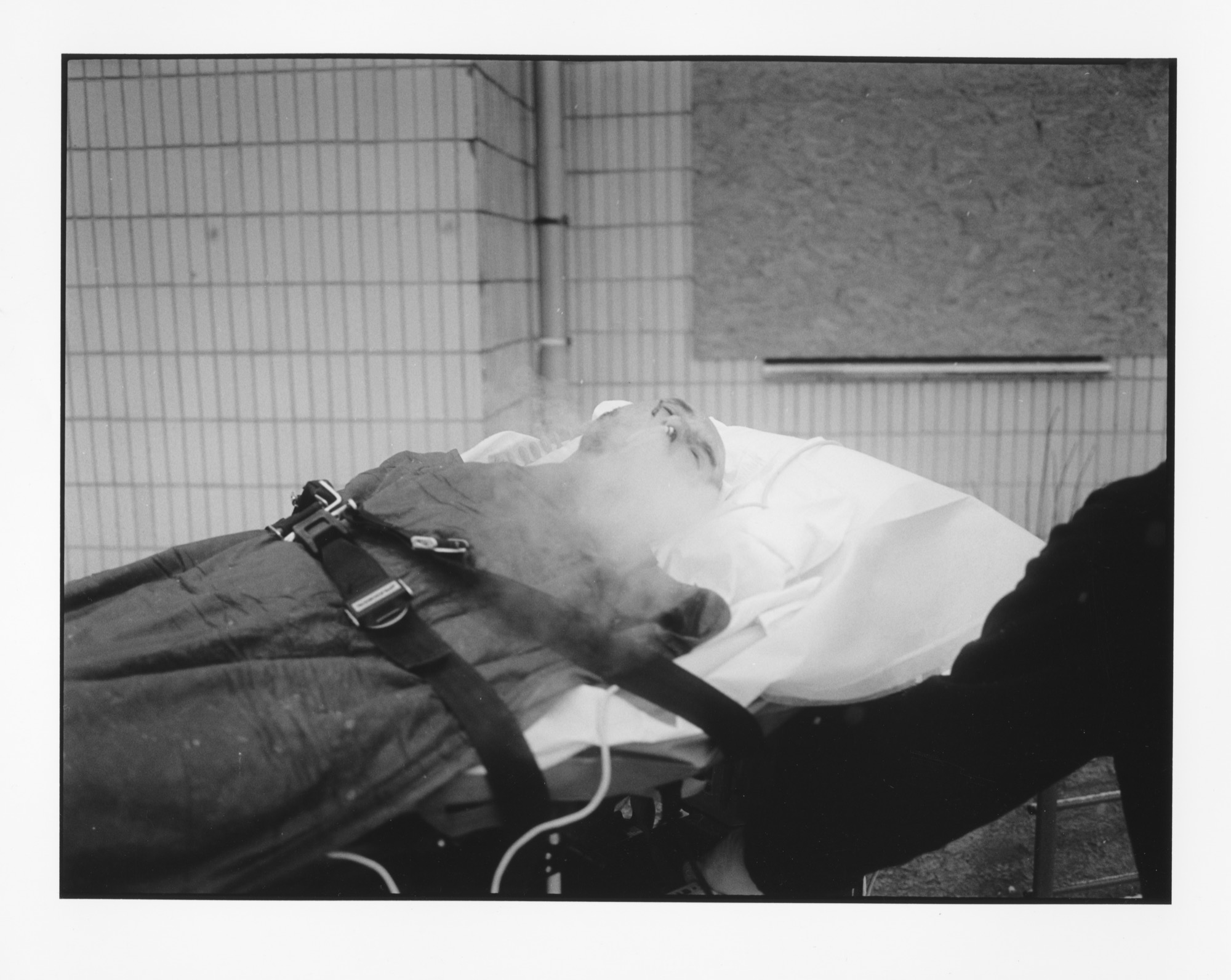
It’s hard to stop the bleeding once it started
Photographer Julius Bauer visited our Medevac team in Dnipro, Ukraine, in February. In this guest article, he gives us a brief insight into the everyday life of our colleagues on site, takes us along on the transport of a wounded patient and shares his thoughts on the recurring war trauma in Ukraine and his impressions of life in the war zone. All photos in this article were taken by him.