Meet our Team: Dr. Corinna Schäfer
Published on 2. June 2026
from Jonas Gruenwald
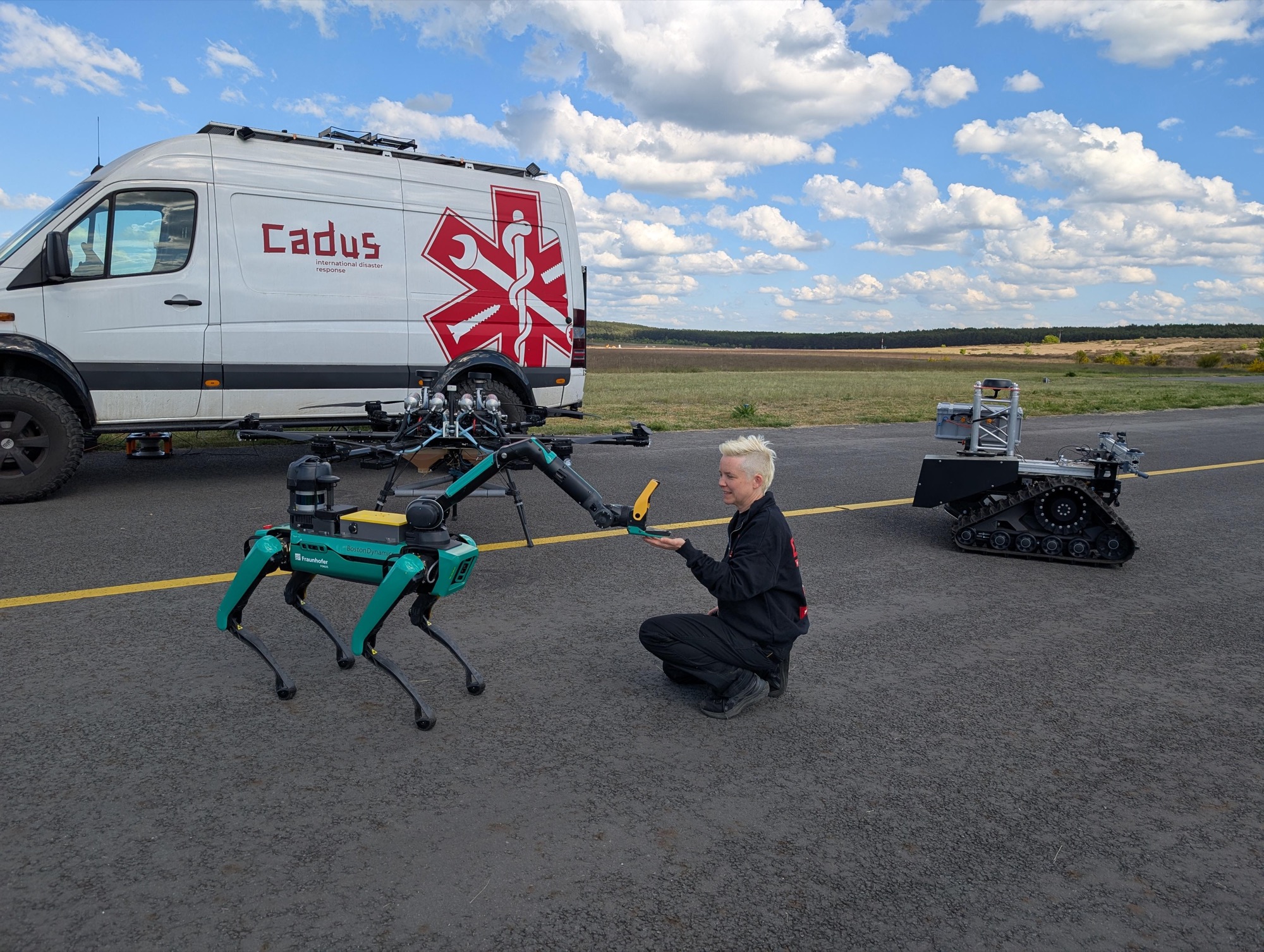
When you think of humanitarian emergency aid, you usually have images of doctors saving lives in improvised tents in your head. But the reality of today’s crisis operations involves more than that. It largely consists of logistics, infrastructure and, increasingly, digital security. Our colleague Dr. Corinna Schäfer is a co-founder of CADUS and is now head of the IT department. In this interview, she tells us what drives her and how she came to CADUS.
How do you introduce yourself and your role to someone who is not familiar with your work?
I head up the IT department at CADUS. We make sure that there are enough functioning means of communication in the field and that our people on site know how to use them.
This also includes data protection. As a humanitarian organization, we have a very special ethical responsibility here: if sensitive data about our local colleagues on the ground falls into the wrong hands, it can be life-threatening. And last but not least, my heart beats for a very practical topic: water. I work on WASH (water, sanitation and hygiene) projects from time to time, most recently in Sudan.
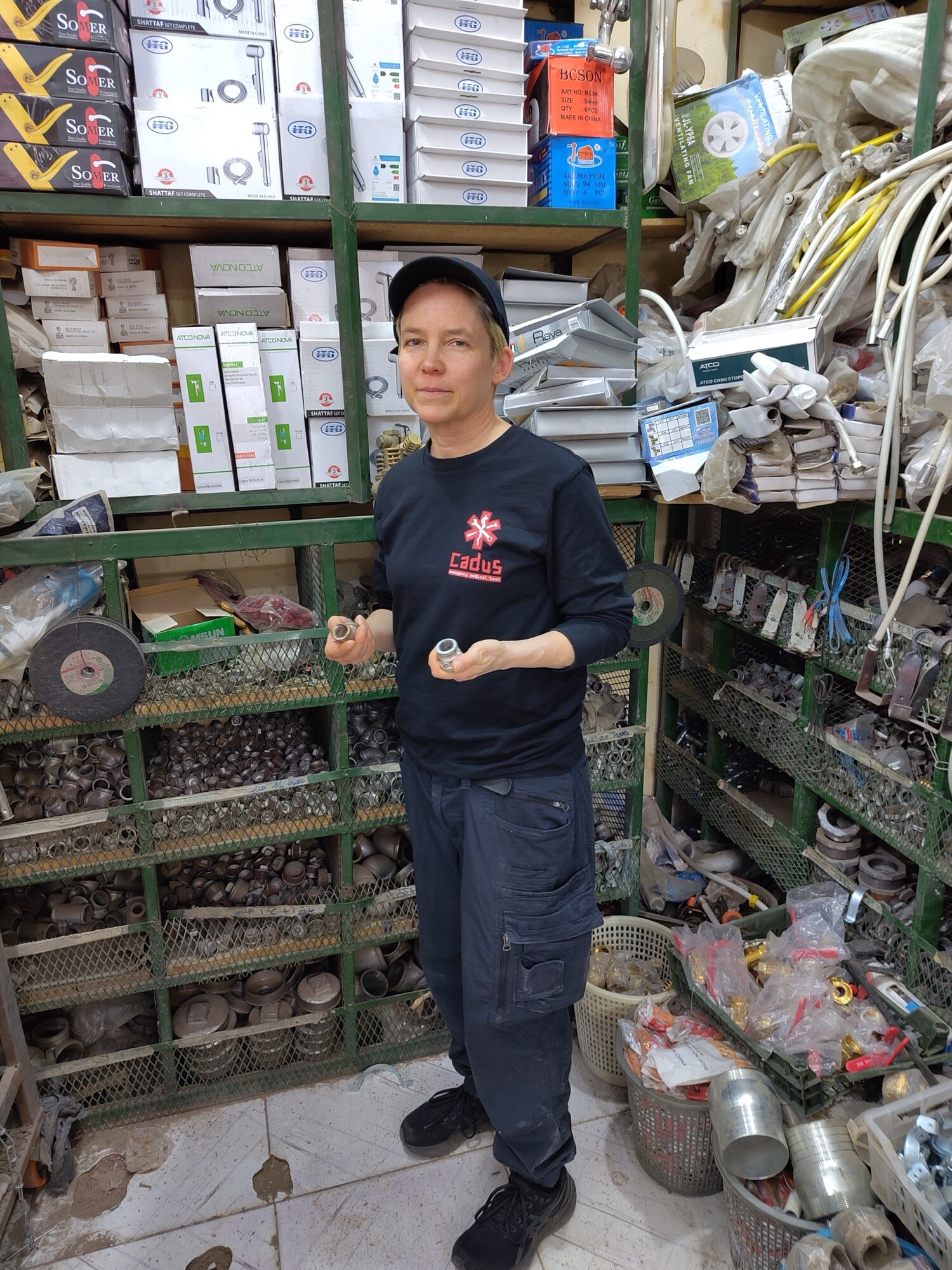 Market research in a store for sanitary supplies in Port Sudan, Sudan, 2025. Photo: CADUS
What did your path to humanitarian emergency aid look like?
Before CADUS, I first studied nursing, then social work and later did a PhD in Media and Cultural Studies on German colonialism. I became interested in humanitarian aid relatively early on during my studies. At the time, however, there was unfortunately a lot of work with racist stereotypes and white saviorism*. So we set up CADUS to do something about it. What also appealed to me, and still does today, is the innovative approach to solutions in our daily work.
How has your work at CADUS changed over the years?
In the early days, there were no fixed departments, everyone just did everything. Initially, I was responsible for putting together the operational teams, then I was increasingly involved in research and innovation and finally I was on the management team for a while.
However, the desire to work more in the “hands-on” area again and to have time for more in-depth topics led me back to the specific projects. When the IT manager at the time left the organization, I took over the area of responsibility. Since then, the requirements have grown so much that a separate department has emerged.
You have often been on assignment for CADUS. Can you share a moment with us when you thought: “This is exactly why I’m here”?
I have experienced many such moments, so it is difficult to pick just one. But I was deeply impressed by my assignment in Gaza at the beginning of 2024. As an international team, we had many privileges. A fixed departure date, coordinated accommodation. Our colleagues on the ground don’t have any of that. They live in the middle of this war situation with no end date and have no choice but to carry on every day.
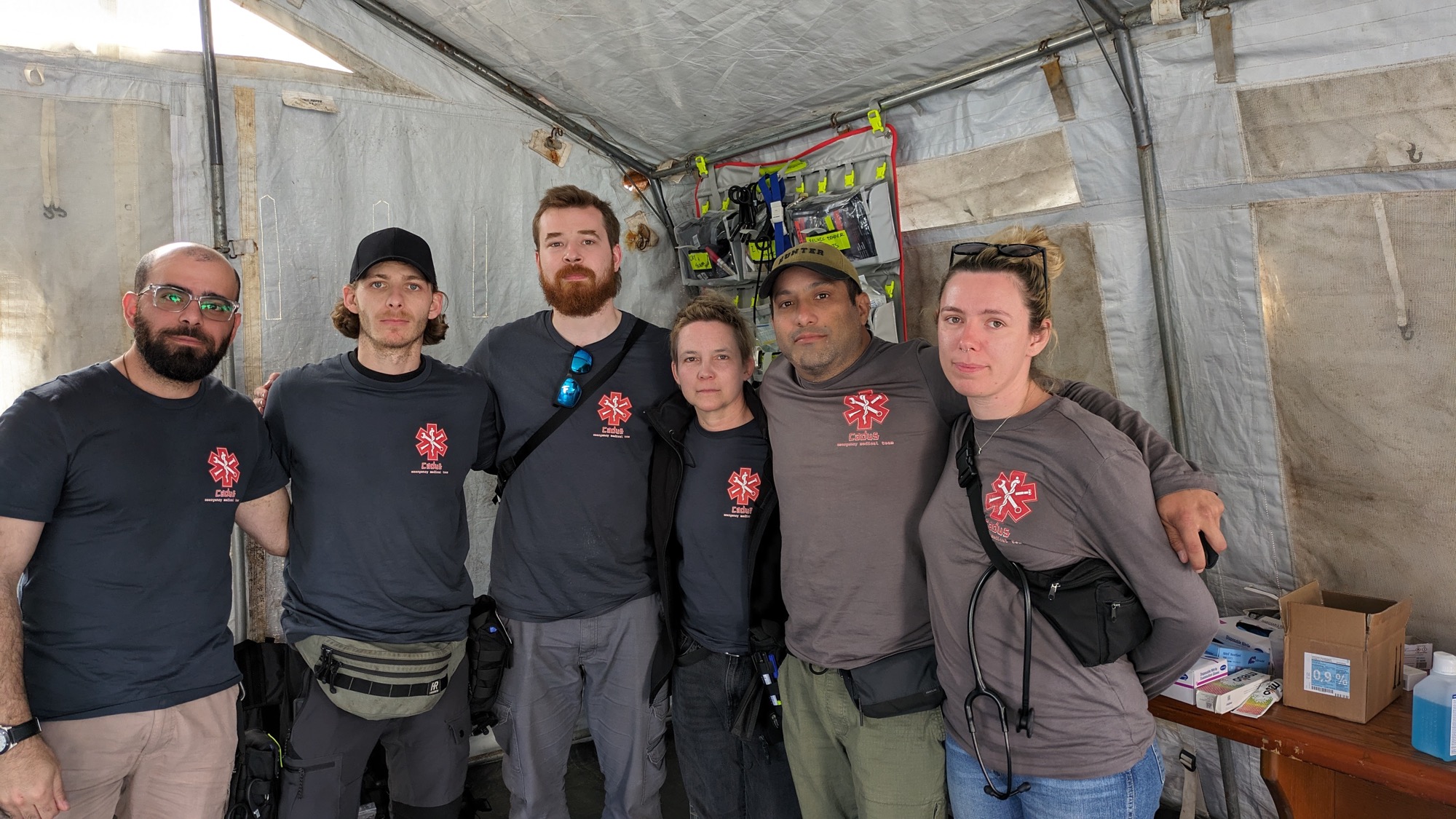 Corinna with the CADUS team at the Trauma Stabilization Point of the Palestine Red Crescent in Gaza, 2024. Photo: CADUS
What has this work taught you about yourself that you didn’t know before your time at CADUS?
I have found that I can remain very calm in really dangerous situations and react with great concentration. Anyone who knows me in my private life knows that I sometimes get stressed when problems arise. But when I’m on a mission, my focus works. I’ve learned that I can rely on my own actions in tricky situations and adapt quickly to new dynamics.
With all that is happening in the world, is there anything that gives you hope?
It gives me hope that I keep seeing people who are in the most difficult situations and yet don’t let it get them down, but find the strength to change their world.
And it gives me hope that we are not alone. There are so many different groups, initiatives and associations that live unconditional solidarity. They are not concerned with what they get in return, but simply with creating a better life for everyone and standing by other people in need.
*White saviorism: a white person who helps non-white people in a selfish way in order to enhance their own status. A white savior is therefore to be distinguished from an ally. The often unintended but real consequence is a devaluation of poor, non-white people. Examples of this are photos or travel reports of white people and their encounters with children in poverty. White saviorism is often criticized in international charity projects. Source: NdM
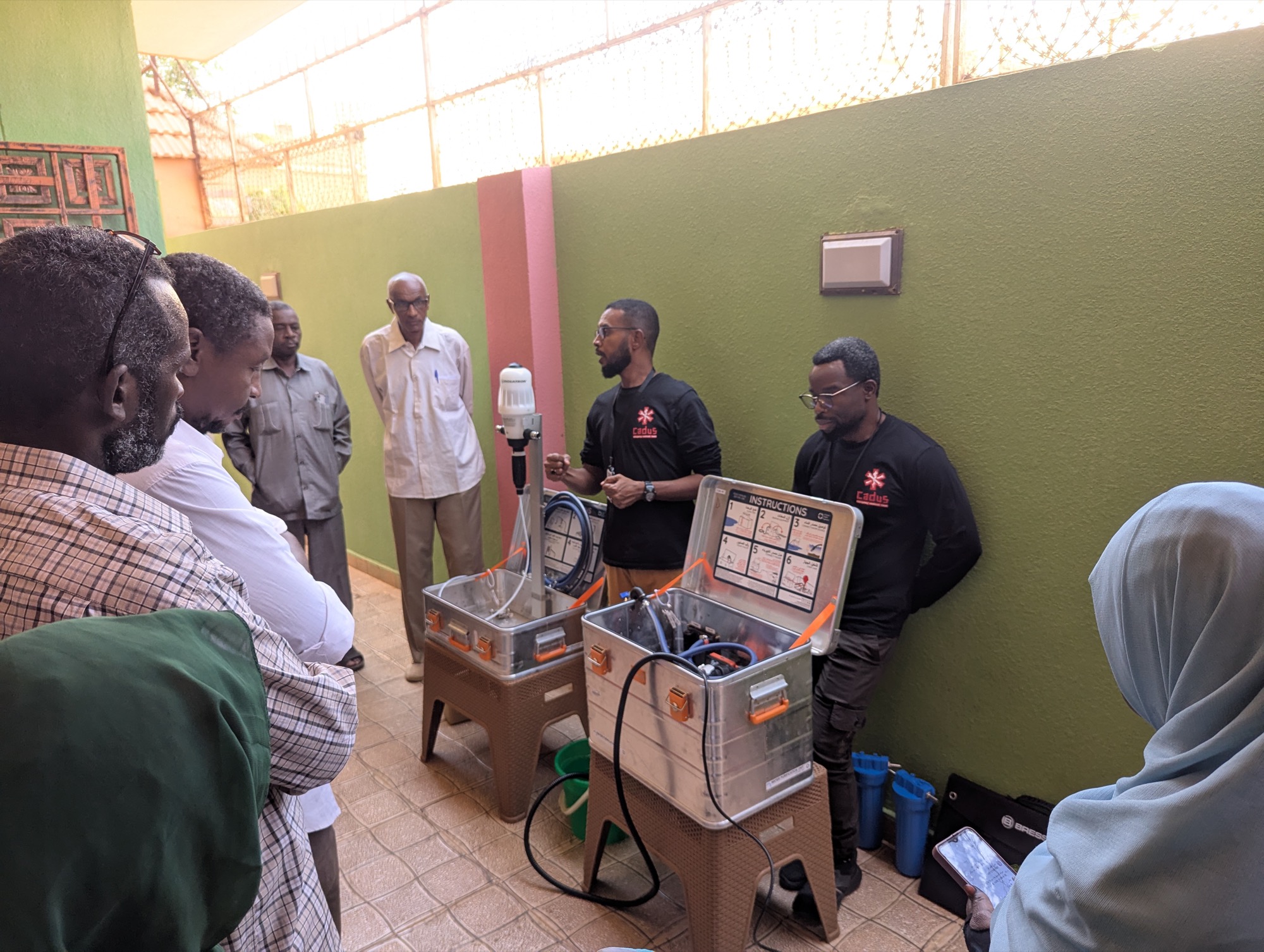
Cholera prevention in Sudan
We are helping to prevent future cholera outbreaks by providing training and equipment for drinking water treatment in Sudan.
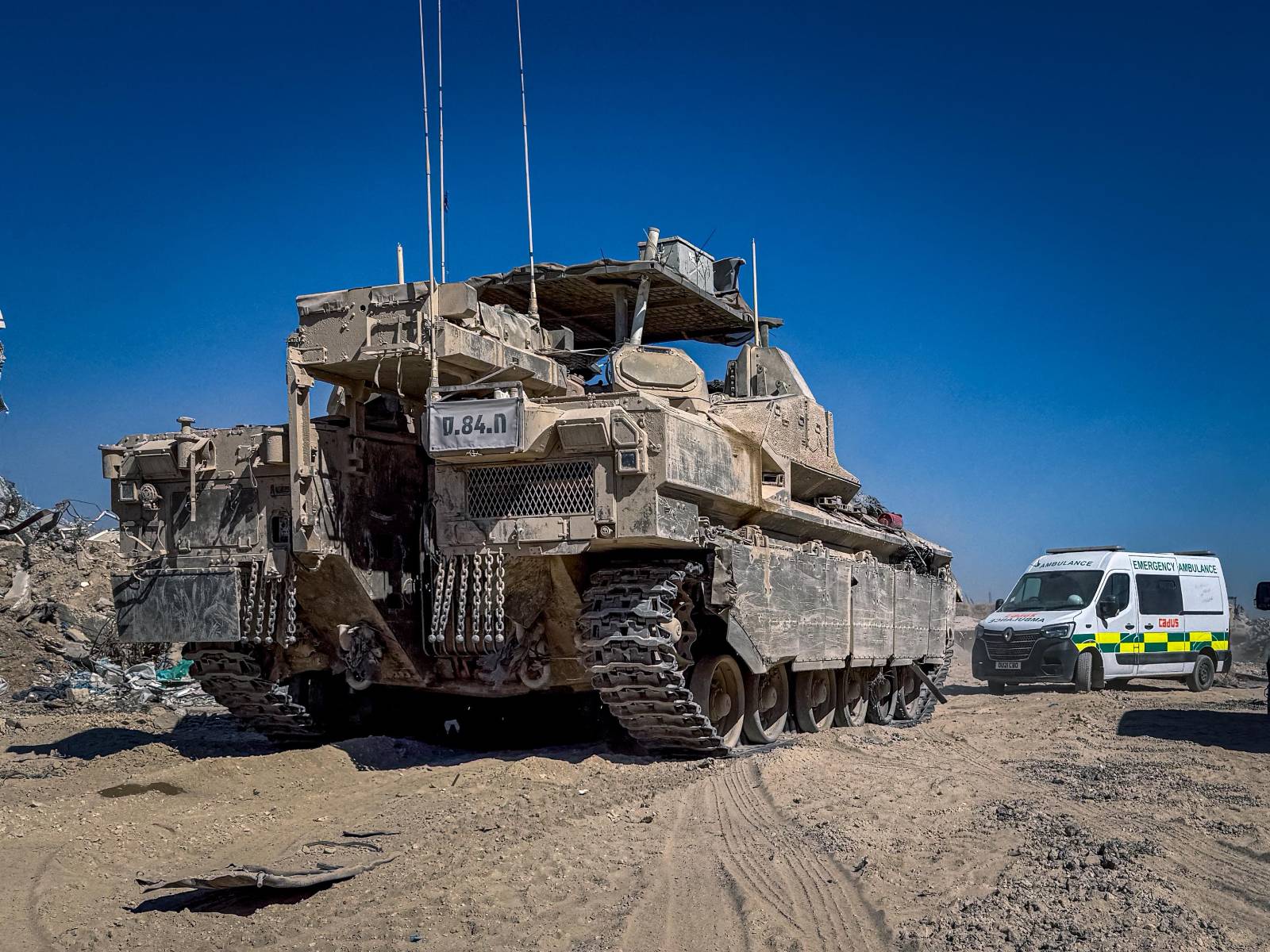
Two years of emergency response in Gaza
In February 2024, we began our most challenging mission to date: For two years now, we have been supporting the people of Gaza with a medical team. Despite all the adversity.
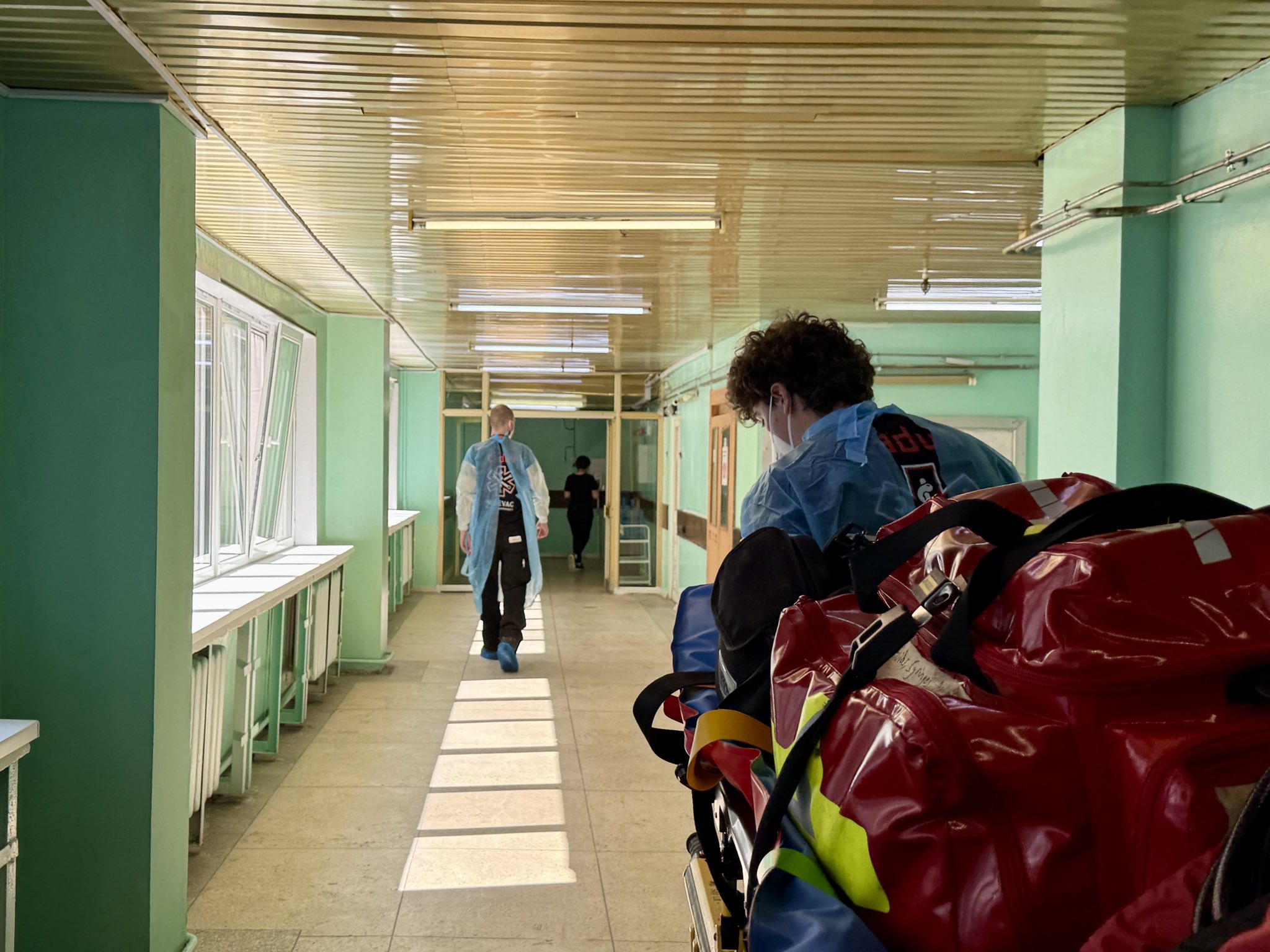
Ukraine: Four years between war and emergency response
Russia launched its full-scale invasion of Ukraine in February 2022. The fighting has been going on for four years now, and with it our humanitarian aid on the ground.