Syria: Former CADUS field hospital in al-Hol burnt down
Published on 28. January 2026
from Jonas Gruenwald
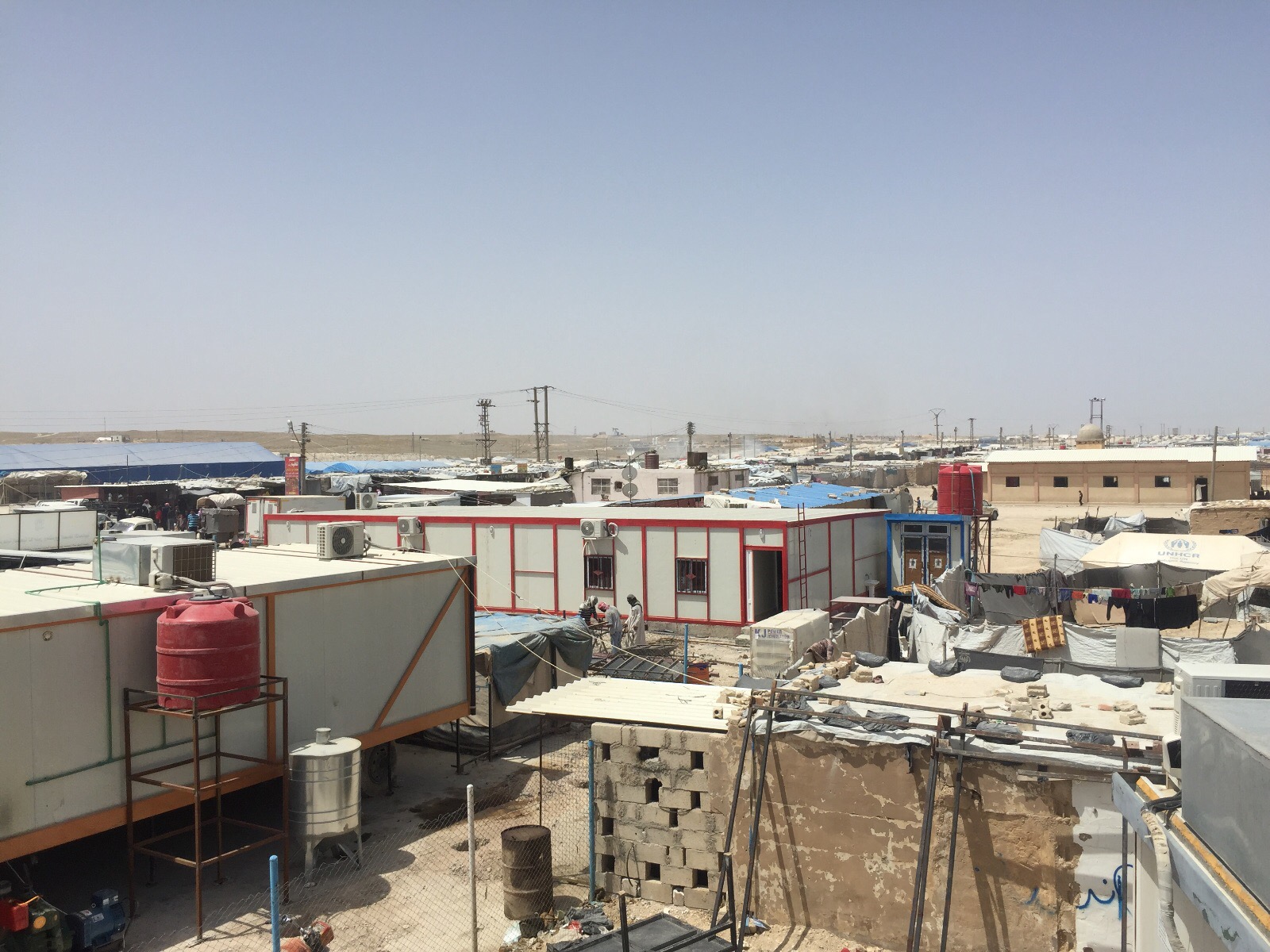
The field hospital with red metal frame in the al-Hol camp shortly after completion in 2019. Photo: CADUS
After the Kurdish security forces withdrew from the al-Hol camp due to battles with Syrian government troops, violent unrest broke out inside the camp. An interview about the situation on the ground with Adrian, an employee of the organization Sîler.
The fighting in Syria in recent weeks between the Kurdish-led Syrian Democratic Forces (SDF) and the government forces under the new ruler al-Sharaa has unsettled many people. Both sides accuse each other of provoking and exacerbating the situation. There is now a ceasefire, but how long the peace will last is uncertain.
During the fighting, SDF troops also withdrew from the al-Hol camp, where many families of (former) fighters of the so-called “Islamic State” were housed and guarded.
CADUS built and operated a field hospital there from 2019 to 2023, which was taken over by Sîler, an organization founded by local employees of the hospital.
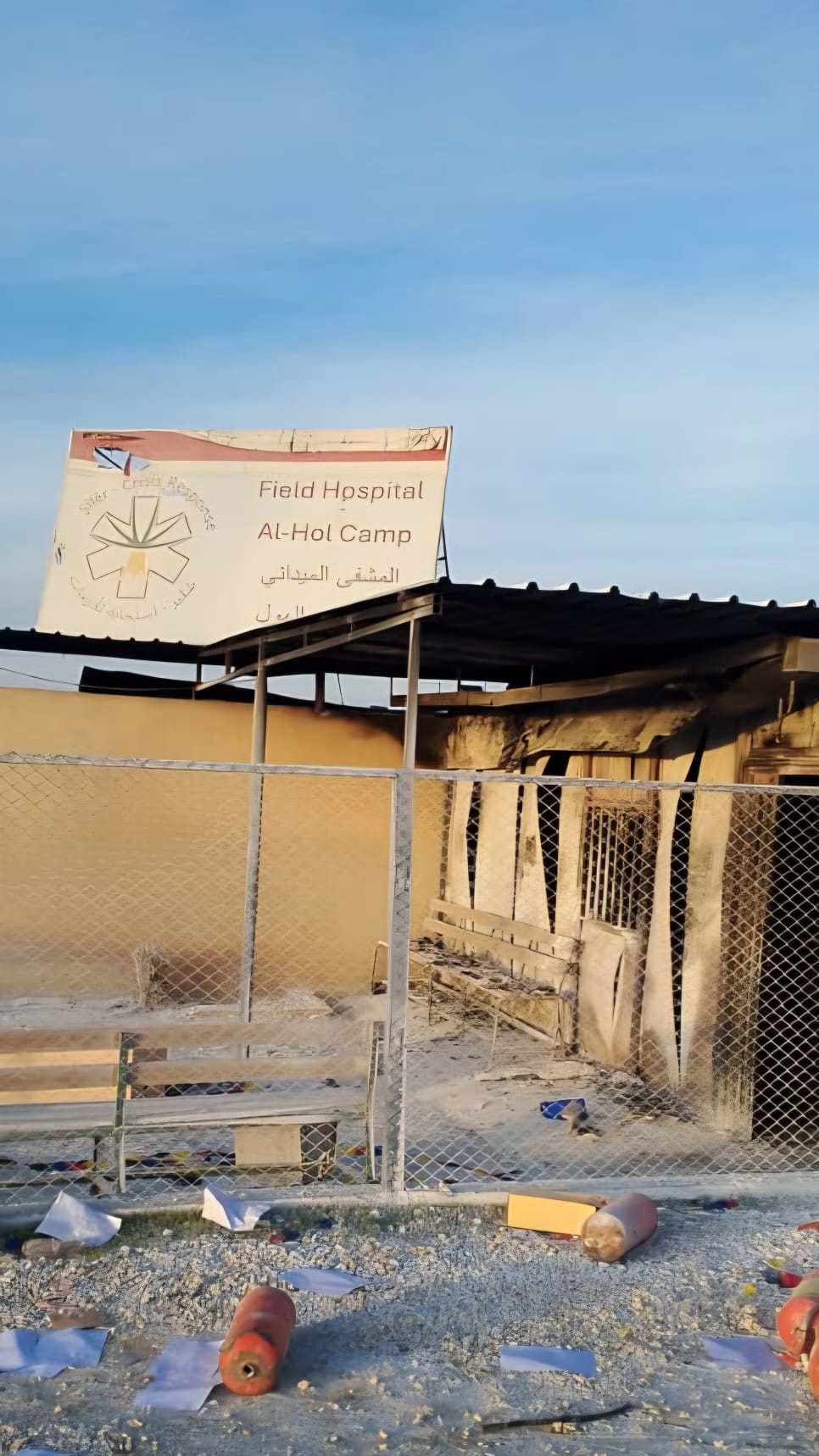
The field hospital was completely looted and set on fire. Parts of the building were completely burnt down. Here you can see the waiting area for triage, the damage caused by the flames is clearly visible. Photo: Sîler
The violent unrest in the al-Hol camp ended the six-year history of the field hospital for the time being, and with it the only comprehensive medical care available to the local population.
Adrian, an employee of the Sîler organization, describes the events of the past week and how they plan to continue their humanitarian work:
How are your employees doing?
Our staff are safe but deeply saddened by the destruction of the field hospital that they ran with dedication for years. The loss has affected us all emotionally, but we are determined to continue our work.
What exactly happened in al-Hol?
The Syrian army recently took control of Al-Hol. This shift in power led to a security vacuum, which encouraged looting and fires. Our field hospital was severely damaged in the process. The insecurity has led to further incidents of violence and chaos, and many residents of the camp have taken the opportunity to flee. The situation remains extremely precarious.
How have you experienced the developments in Syria in recent weeks?
The developments of recent weeks have brought Rojava to the brink of collapse. The Syrian government’s offensive against the Kurdish-led forces has destabilized the entire region. While Al Hol is now controlled by Damascus, we also see this situation as part of a larger crisis affecting the whole area and causing a huge humanitarian crisis. Access to support is much more difficult for Kurdish organizations than it is for organizations in the Damascus-controlled area, as most international donors are now focusing on Damascus and dropping the Kurdish areas.
What influence did this have on your work? How did you react?
Due to the fighting in Aleppo, many families have fled the city in the direction of Rojava. We provided these families with food, blankets and diapers, among other things, as quickly as possible. We are preparing to continue providing for these people.
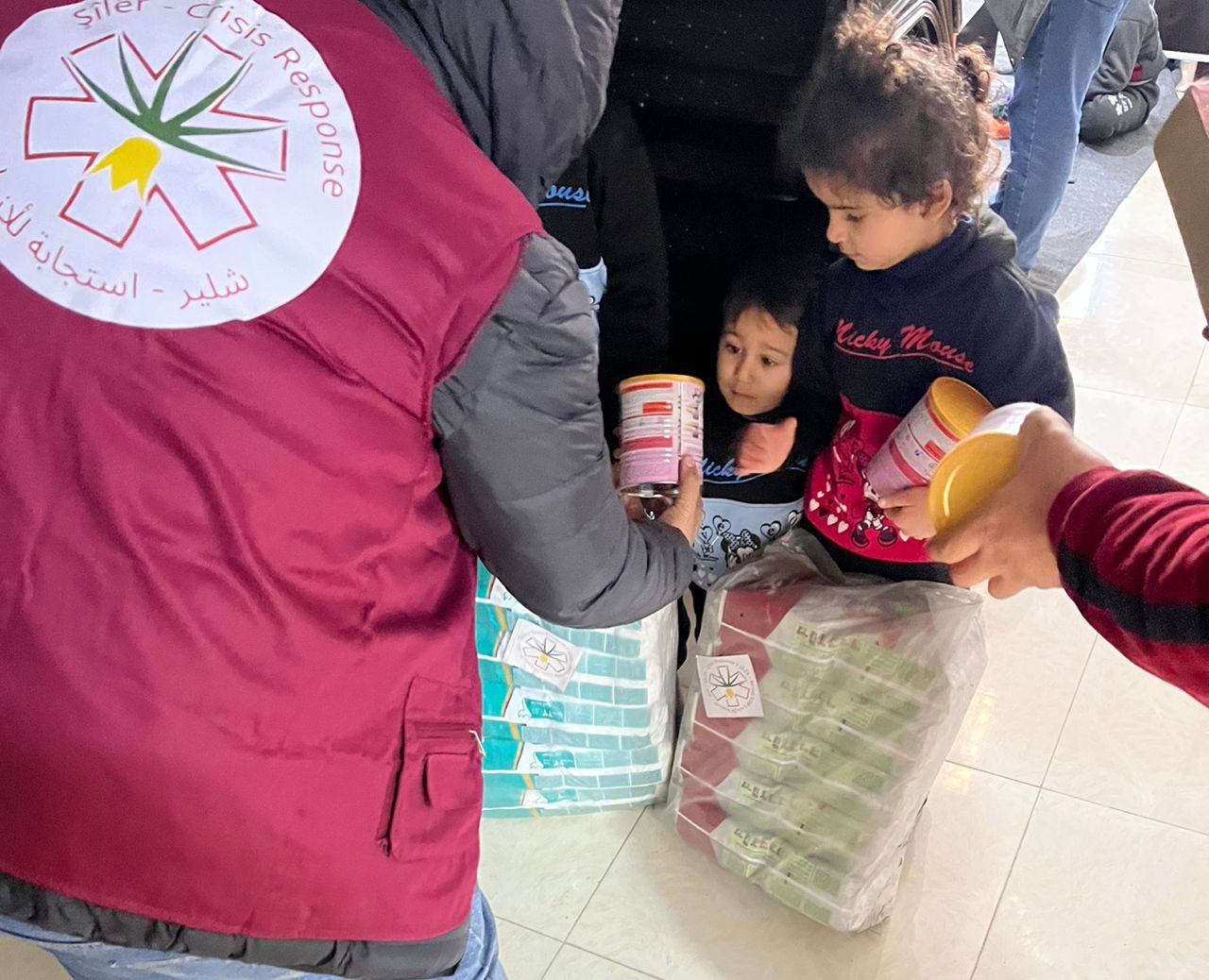
Sîler employees distribute relief supplies to families who have fled the fighting in Aleppo. Photo: Sîler
What’s next for Sîler and your work in Al Hol?
The destruction of the hospital has severely limited our medical capacities. We reacted quickly to protect our teams and are now planning to refocus our support outside the camp in Rojava. Our commitment to the region and the affected communities remains unwavering. Whether and how we can become active in Al Hol again is unclear at this time.
What are the greatest needs right now?
The need for medical care, safe shelter and humanitarian aid is enormous. People need blankets, heaters, clothing and food to fill the gaps left by the recent events.
How can you support Sîler?
Donations that flow directly into our aid projects offer the best support. It is equally important to share information about what is happening in Rojava* in order to raise awareness of the situation.
Anything else you’d like to say?
We are incredibly grateful for the support we have received so far. In these difficult times, we are counting more than ever on the solidarity and support of the international community to continue our mission.
You can find out more about Sîler and her humanitarian work in north-east Syria here: siler-crisis-response.org
*Term for the Kurdish-majority self-administration in northern and eastern Syria, editor’s note.
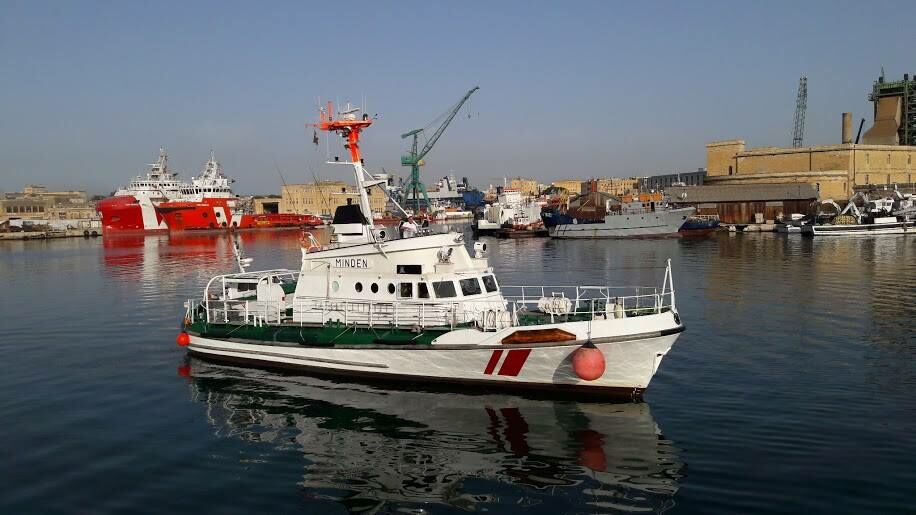
Search and Rescue Einsätze vor Libyen derzeit +++ Update: Rettungsmissionen wieder aufgenommen! +++
+++ Update: Rettungsmissionen wieder aufgenommen! +++ CADUS betreibt zusammen mit LifeBoat als Teil einer internationalen Rettungsflotte den ehemaligen Seenotrettungskreuzer ‚Minden‘ vor der tunesisch-libyschen Küste. Auf Grund eines Überfalls auf das Schiff ‚Bourbon Argos‘ von Ärzte ohne Grenzen(MSF) im …
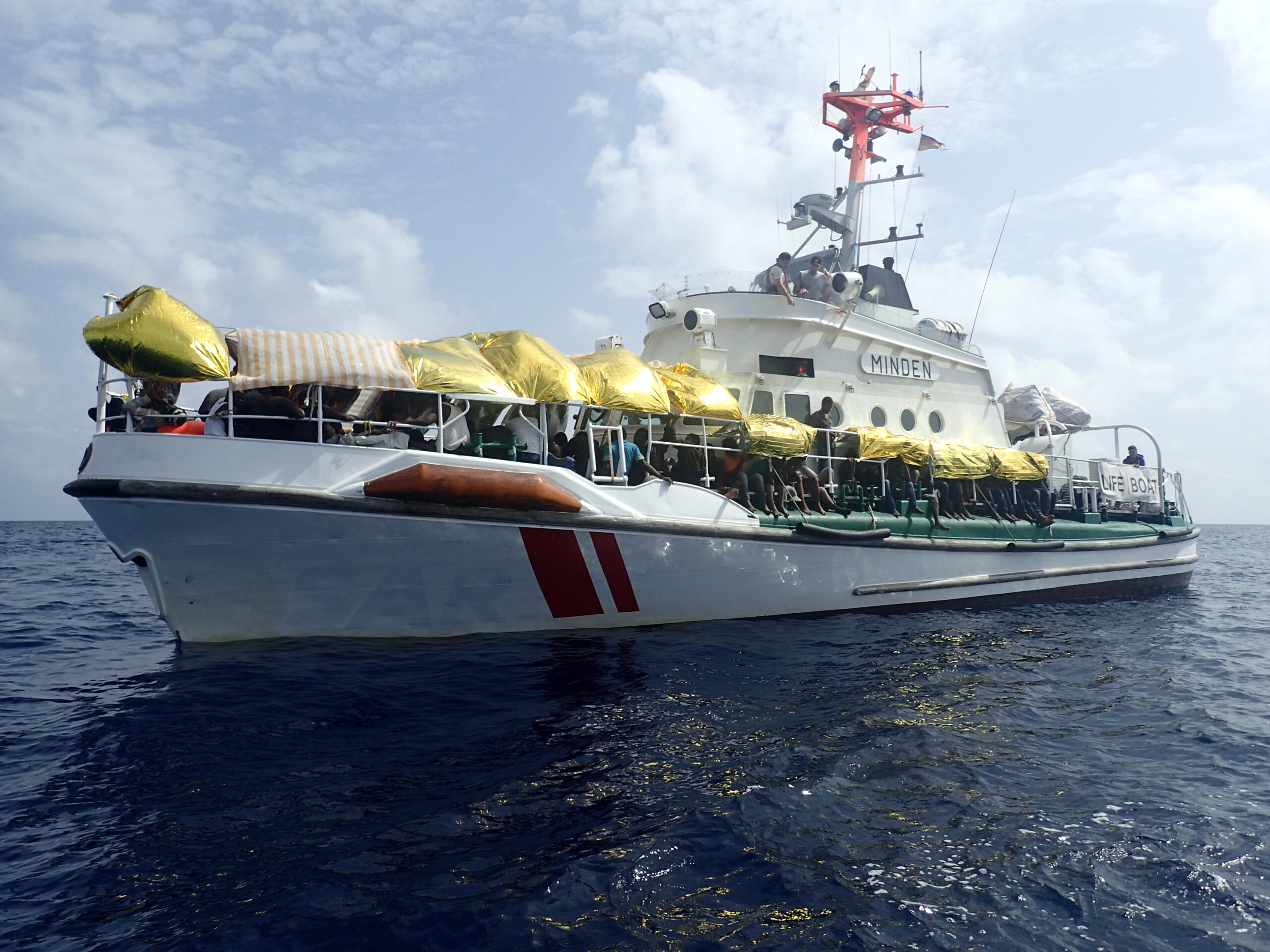
Sea Rescue (Mind’n’Rescue)
Destination country/region: Mediterranean Sea (Aegean, Libyan coast) Period: October 2015 - December 2016 Due to the sharp increase in refugee movements via Turkey to the Greek islands in the Aegean Sea in 2015, we deployed speedboats and teams for "Search and Rescue" missions. Due to the shift of flight routes after …
CADUS 2019 and up into year six!
We say goodbye to the past year 2019 and thus the fifth year of our existence. We review 2019 and look ahead to 2020. So up into the sixth year of CADUS!