Ukraine: Four years between war and emergency response
Published on 24. February 2026
from Jonas Gruenwald
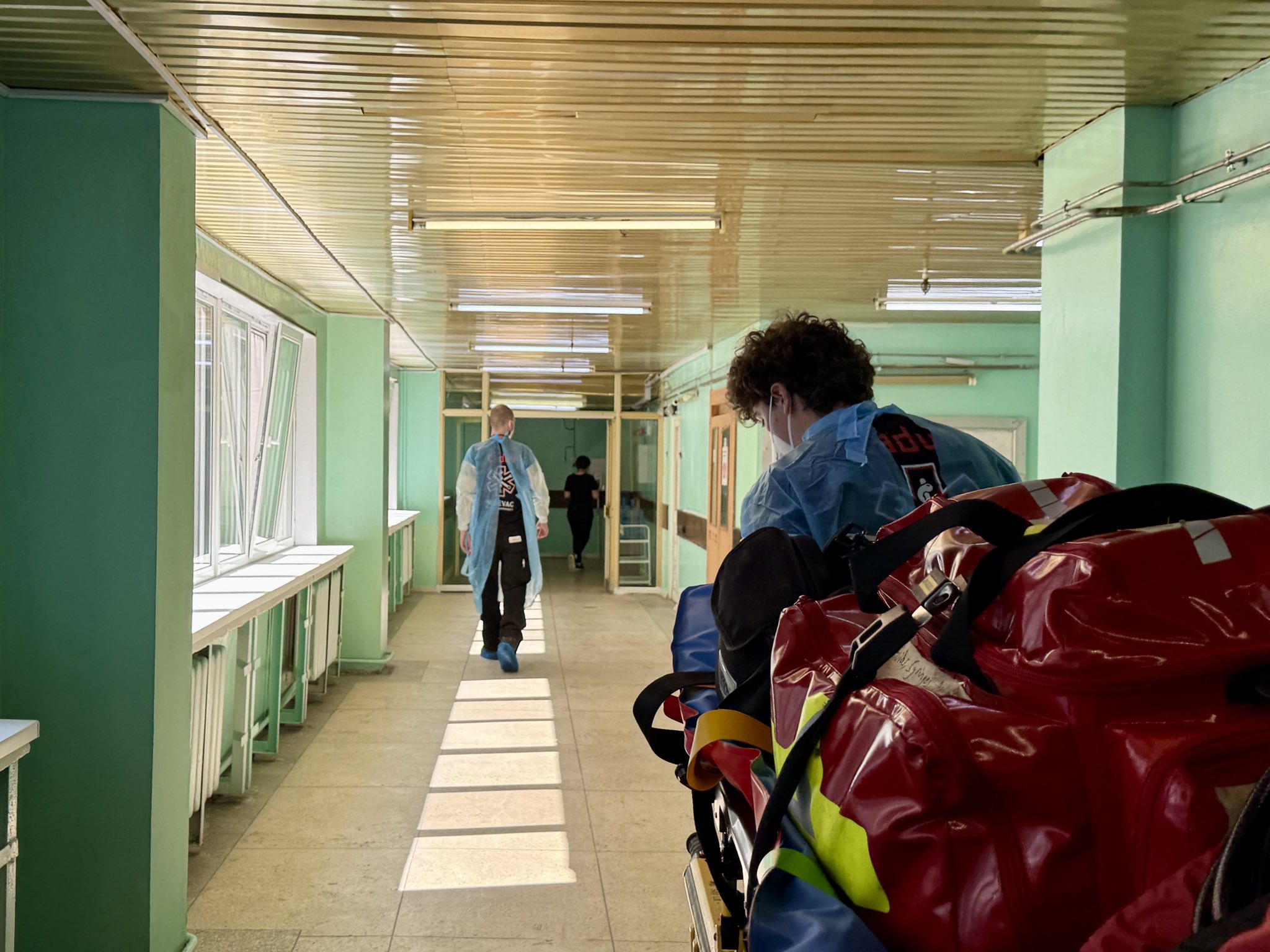
Russia launched its full-scale invasion of Ukraine in February 2022. The fighting has been going on for four years now, and with it our humanitarian assistance on the ground.
This February is the coldest month of war since the start of the Russian war of aggression in Ukraine four years ago. Regular attacks on the energy supply are leaving local people freezing in their homes and paralyzing their daily lives. The elderly, sick, injured and children are particularly affected by power cuts and energy shortages. A war strategy that violates international law – as so often in the last four years.
Our teams also have to adapt to the harsh conditions. The winter makes our MedEvacs, i.e. the transportation of seriously ill and injured people, more difficult anyway due to snow-covered roads and poor visibility. The Russian attacks add to the pressure. Our teams were also directly affected twice, with damage to buildings and ambulances. A risk that we were aware of from the outset.
Extensive support
Four years have passed since our first team set off for Ukraine to provide emergency medical aid. At that time, it was not possible to predict how long this war would last.
Since then, we have organized numerous transports of materials, delivered dozens of rescue vehicles, partially expanded them ourselves, supported the reconstruction with technical teams and conducted many training courses in the fields of medicine and crafts. Collaboration with numerous organizations has shaped our work over the years and has had a particularly profound impact on our work with Ukrainian initiatives.
Four years of CADUS emergency aid in Ukraine
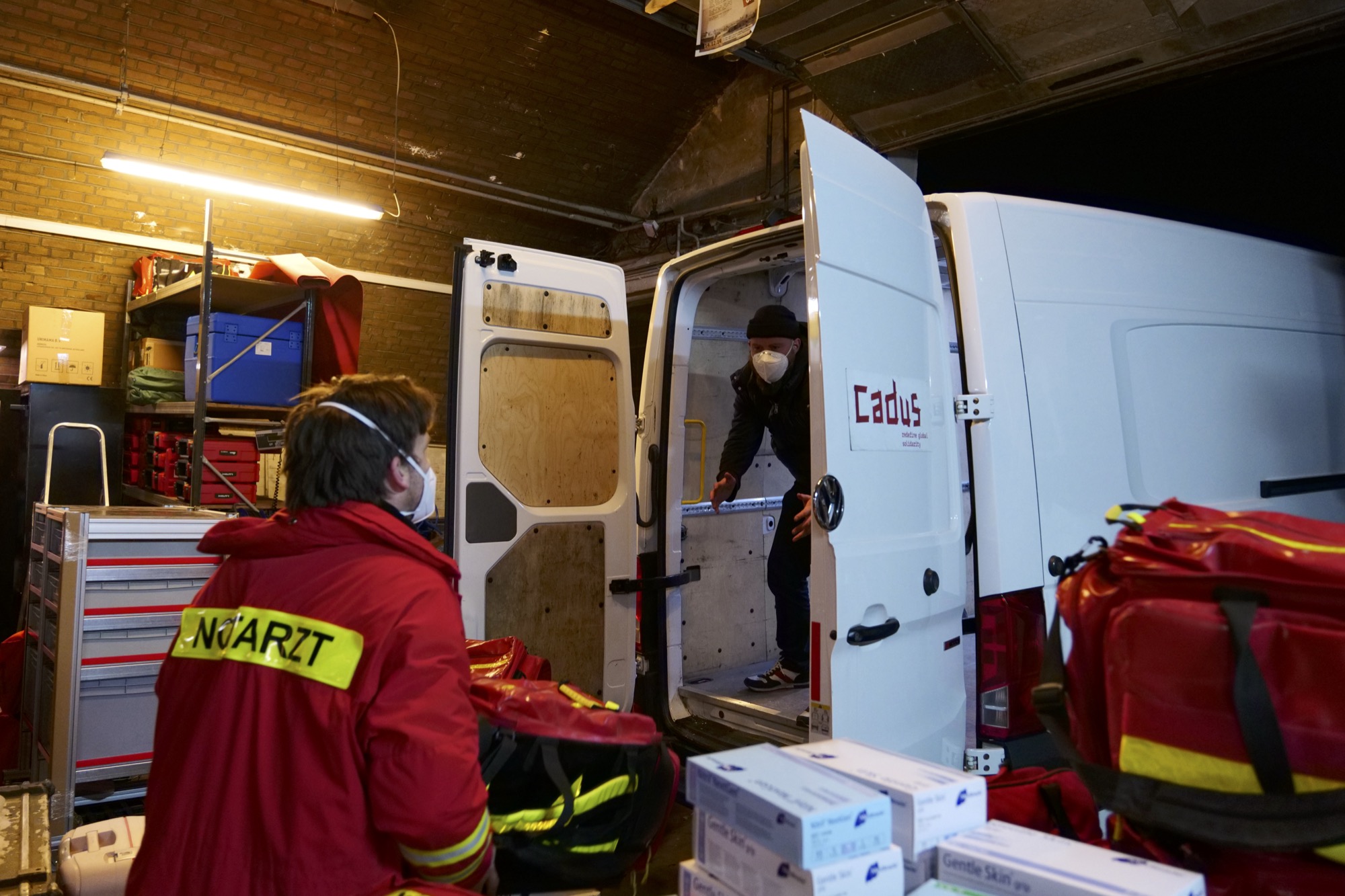
That was the start of our Ukraine mission: At the end of February 2022, we sent the first emergency team to Ukraine. At that time, a huge wave of support for the people of Ukraine rolled in from all over Europe. Photo: CADUS
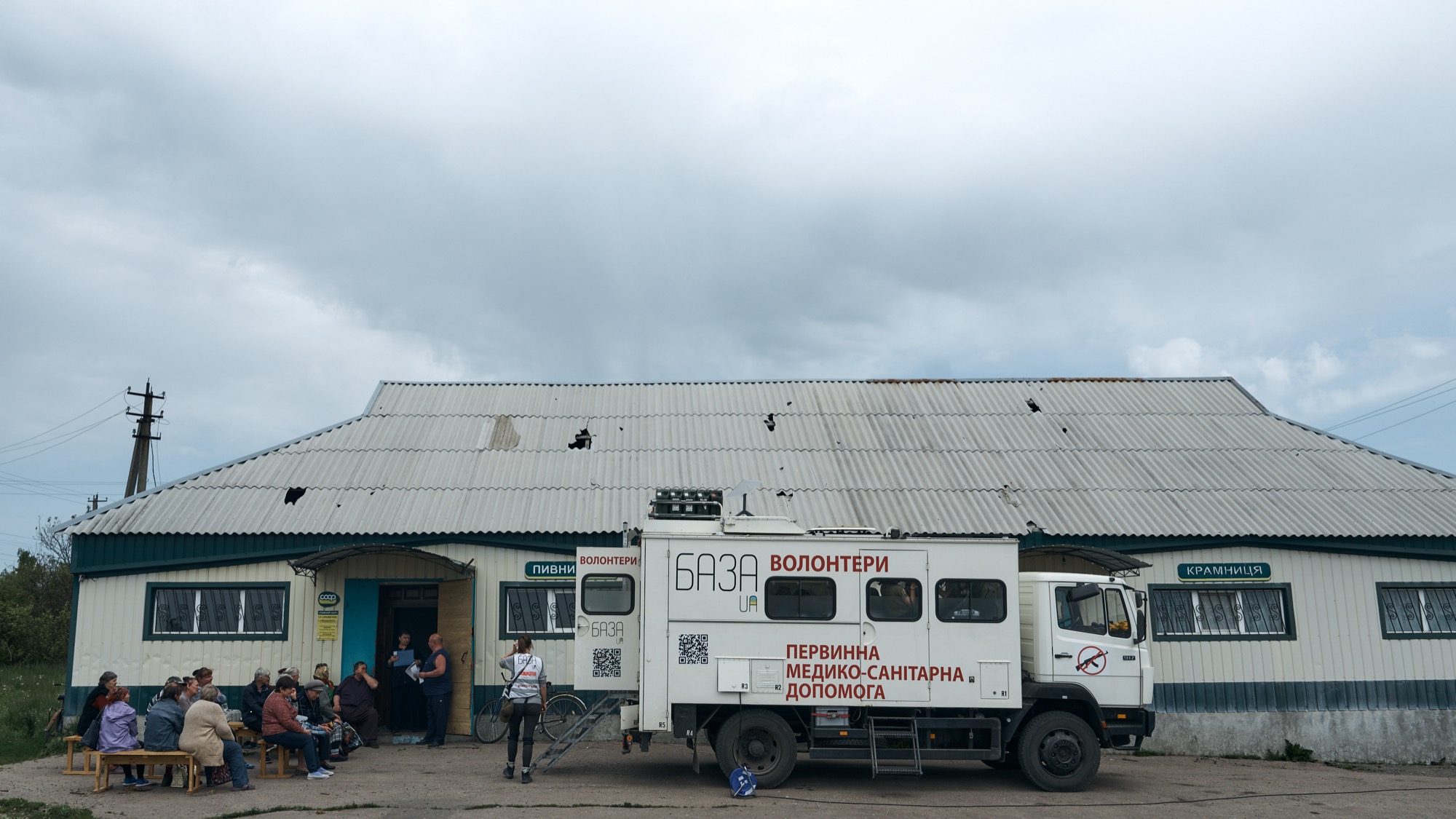
We built the mobile medical practice ourselves in our makerspace in Berlin and handed it over to BASE UA, a Ukrainian organization that provides free basic medical care in remote areas. Foto: BASE UA
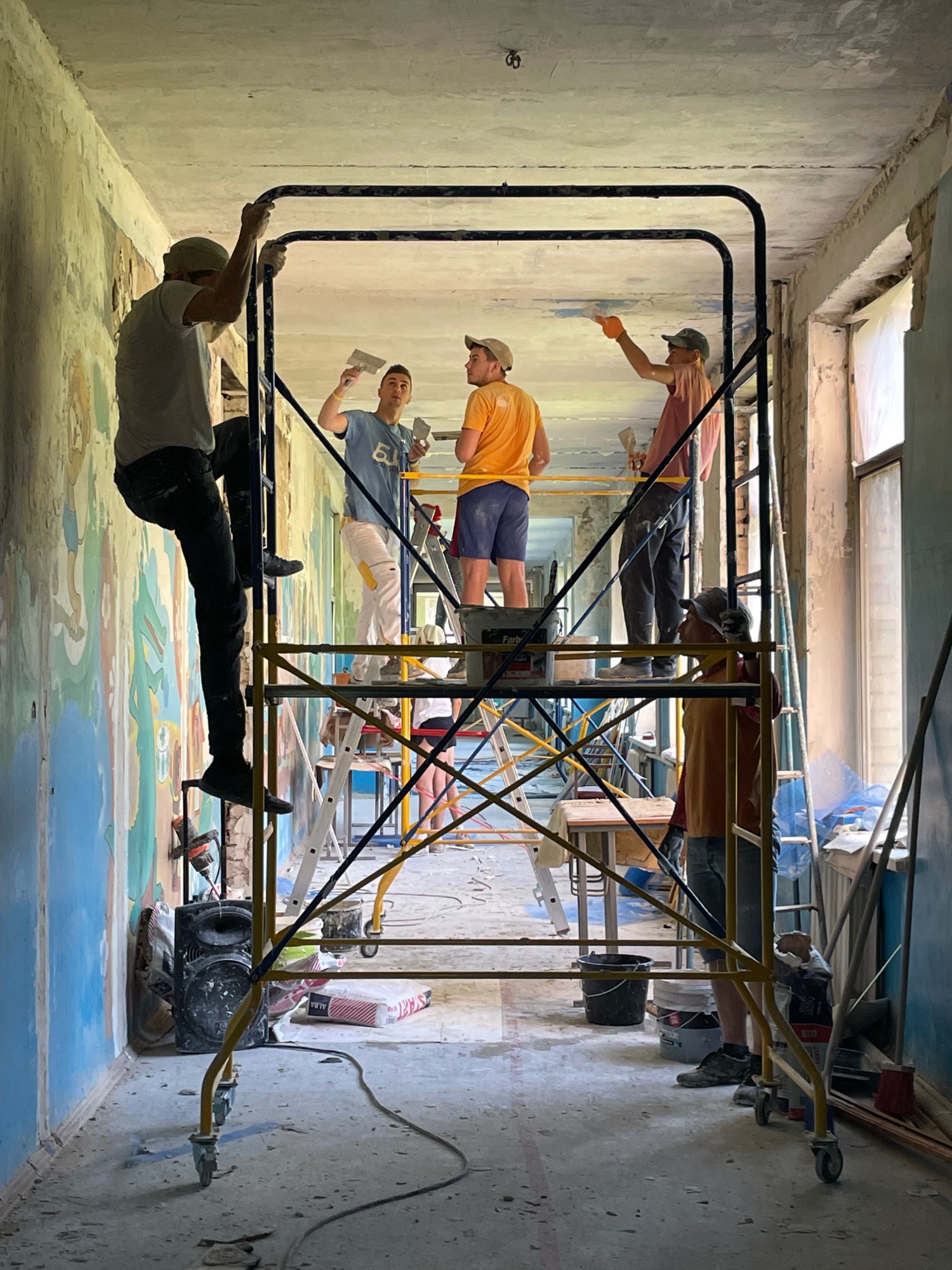
Using a mobile workshop, we have implemented numerous reconstruction projects in close cooperation with Ukrainian communities. These include a school, a fire station and several residential buildings. Photo: CADUS
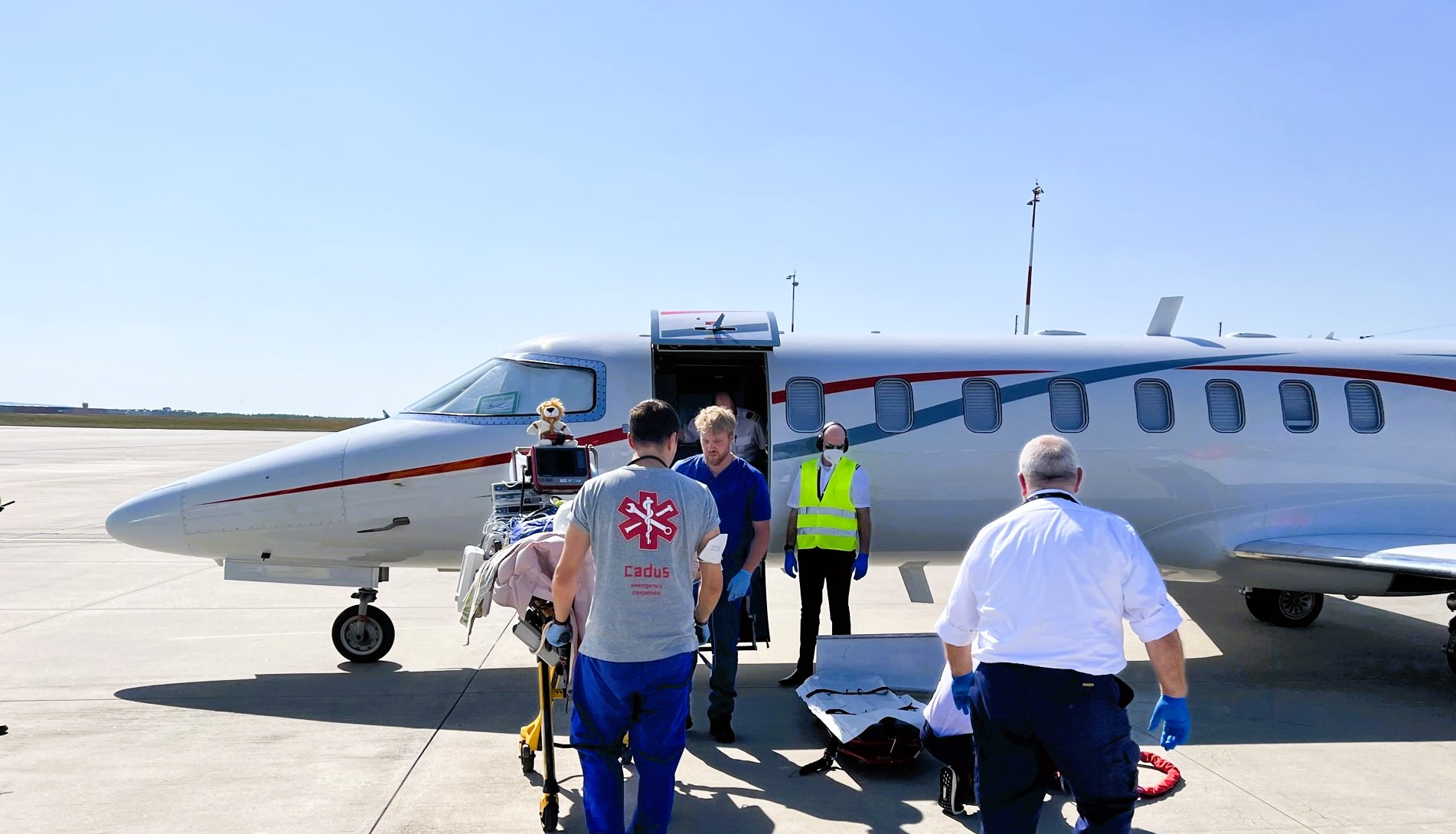
For our doctor Mike the end of a demanding medical transport. For R. just the beginning of his way to become healthy again. Photo: Artesans ResQ/Jonathan Vinke
At the beginning of the war, trains and airplanes were also used as part of the rescue chain for the MedEvacs. These were only possible thanks to the close cooperation of many organizations. Foto: Jonathan Vinke/ArtesansResQ
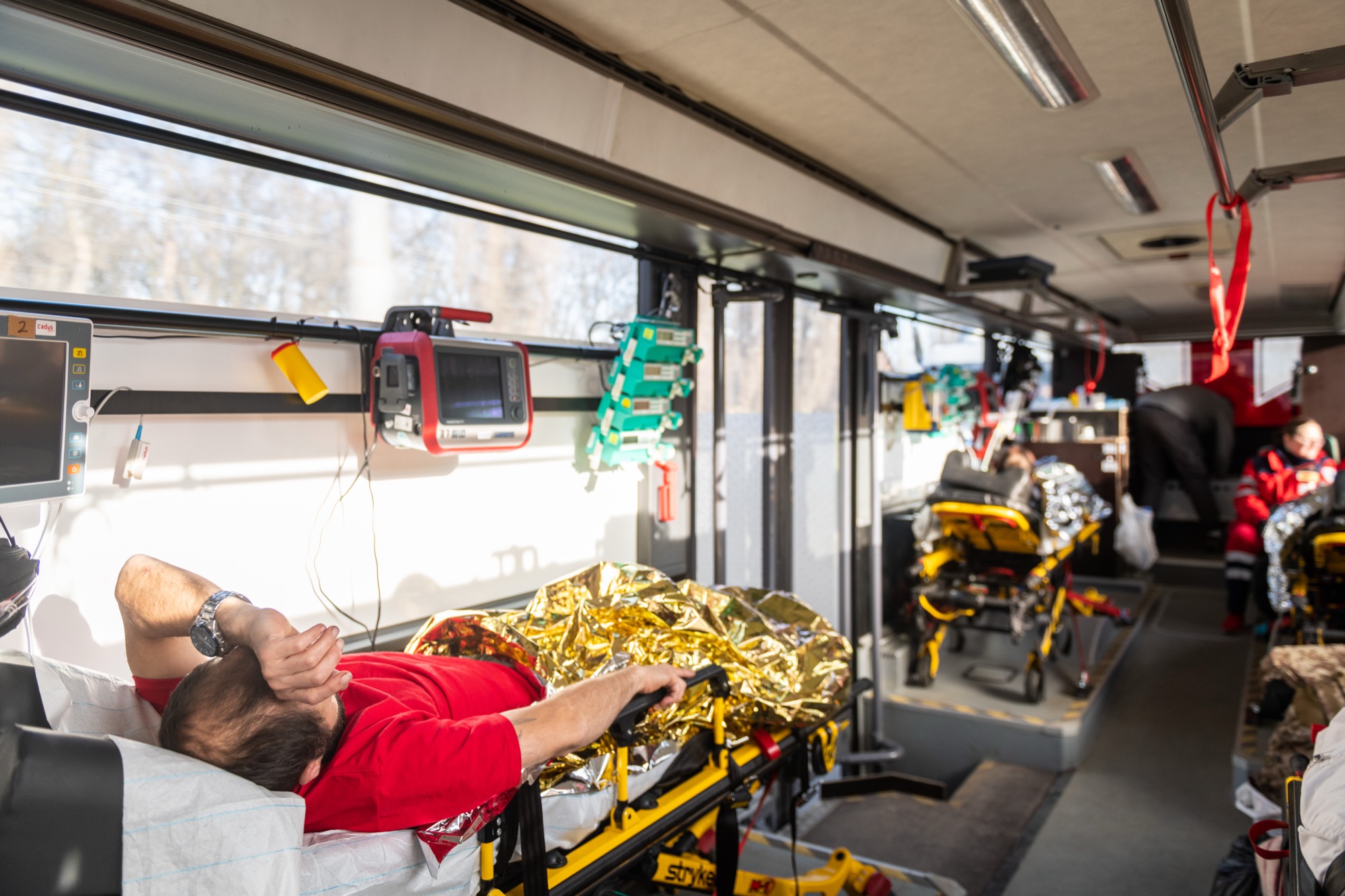
Another vehicle project: we have converted a coach into a mobile intensive care unit. This means that more patients can be transferred with fewer staff, which saves important resources. We donated the Mobile Intensive Care Unit (MICU) to the ambulance service in Lviv. Photo: CADUS
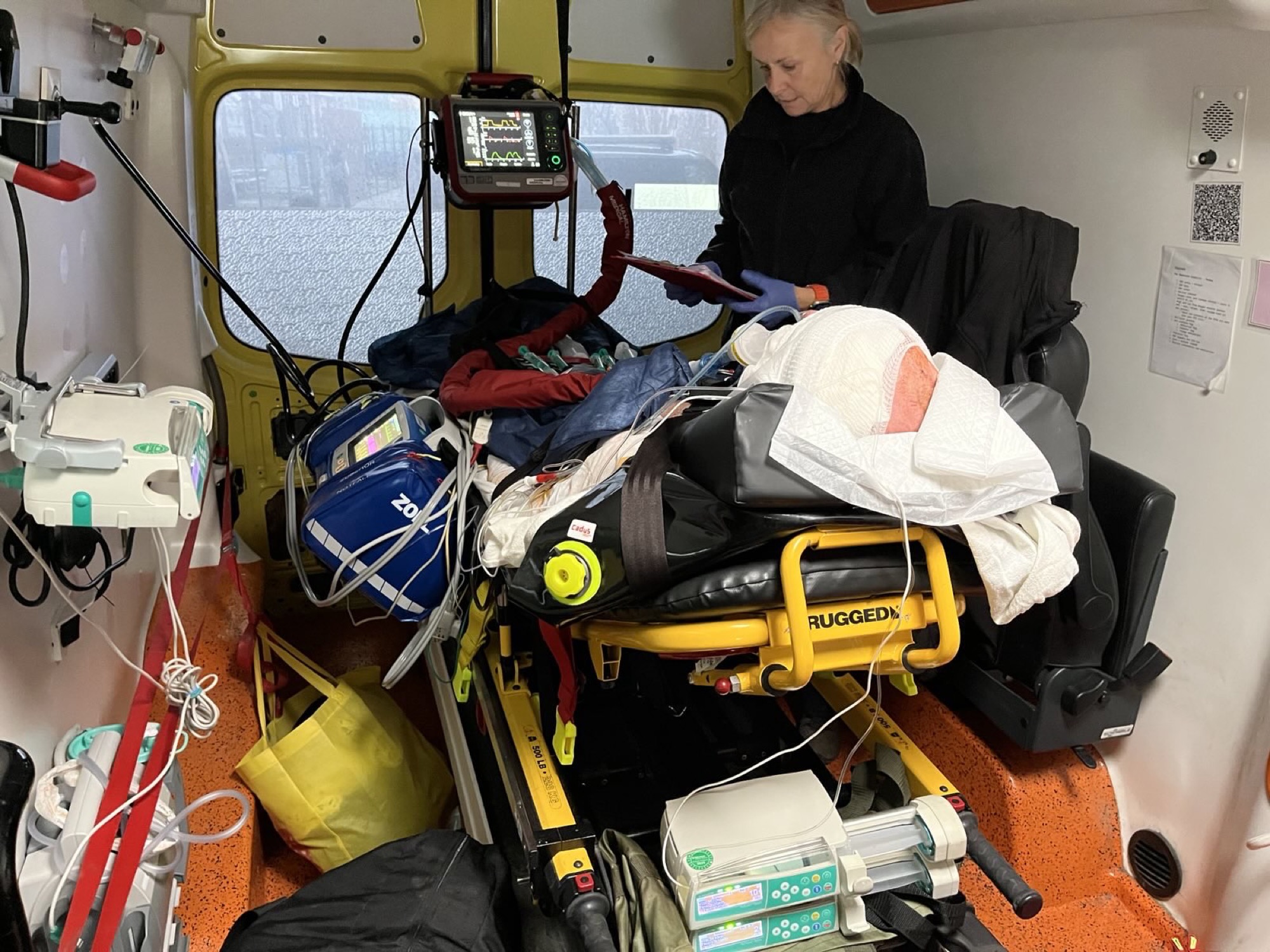
Providing intensive medical care to patients on the hour-long journeys in confined spaces, sometimes in additional protective clothing, is complicated and exhausting. But every successful MedEvac is an important contribution to the patient's recovery. Photo: CADUS
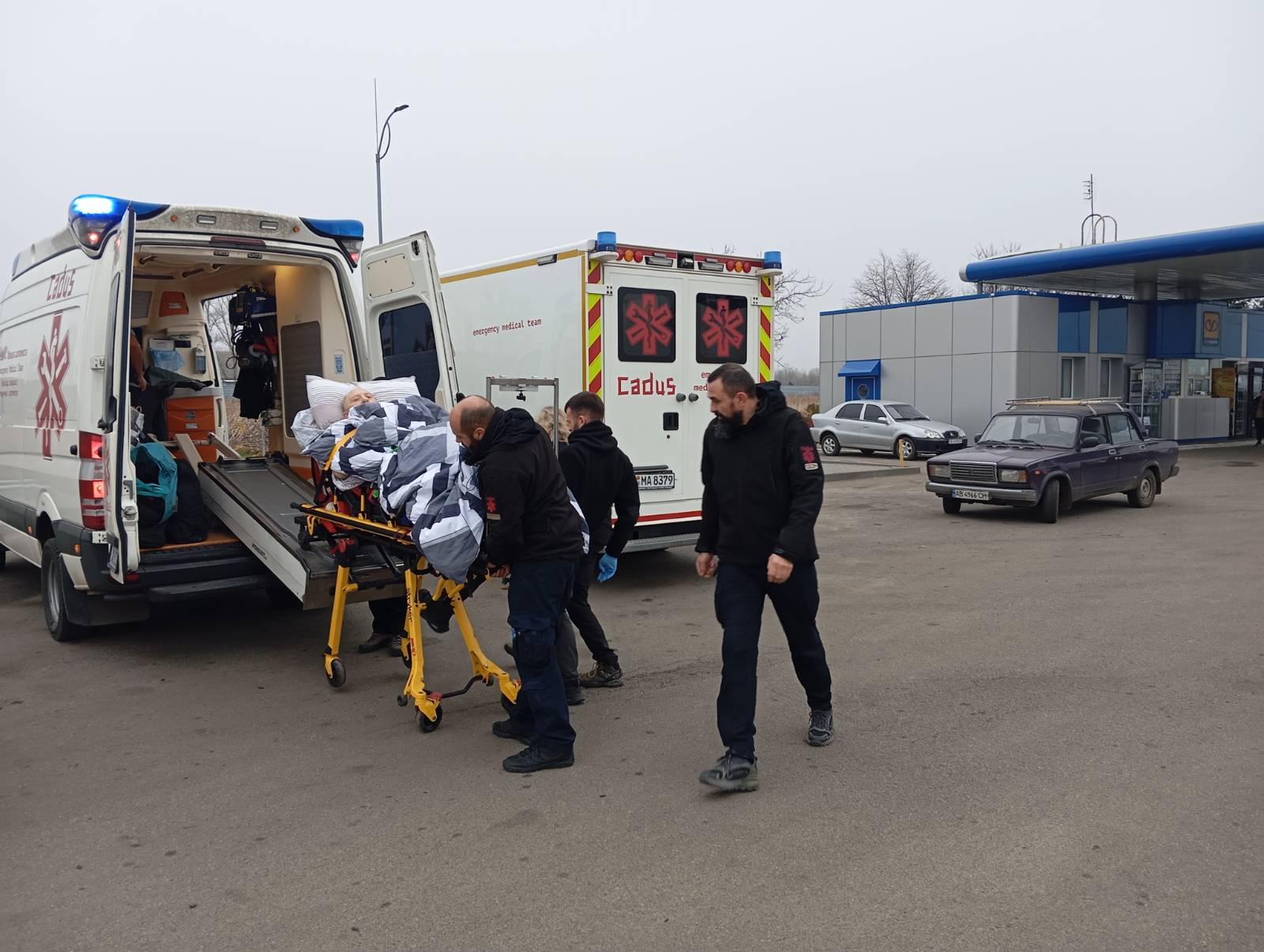
The routes in Ukraine are long - a strain on vehicles and passengers. In a kissing transfer, our teams meet halfway for a patient handover in order to keep this to a minimum. Photo: CADUS
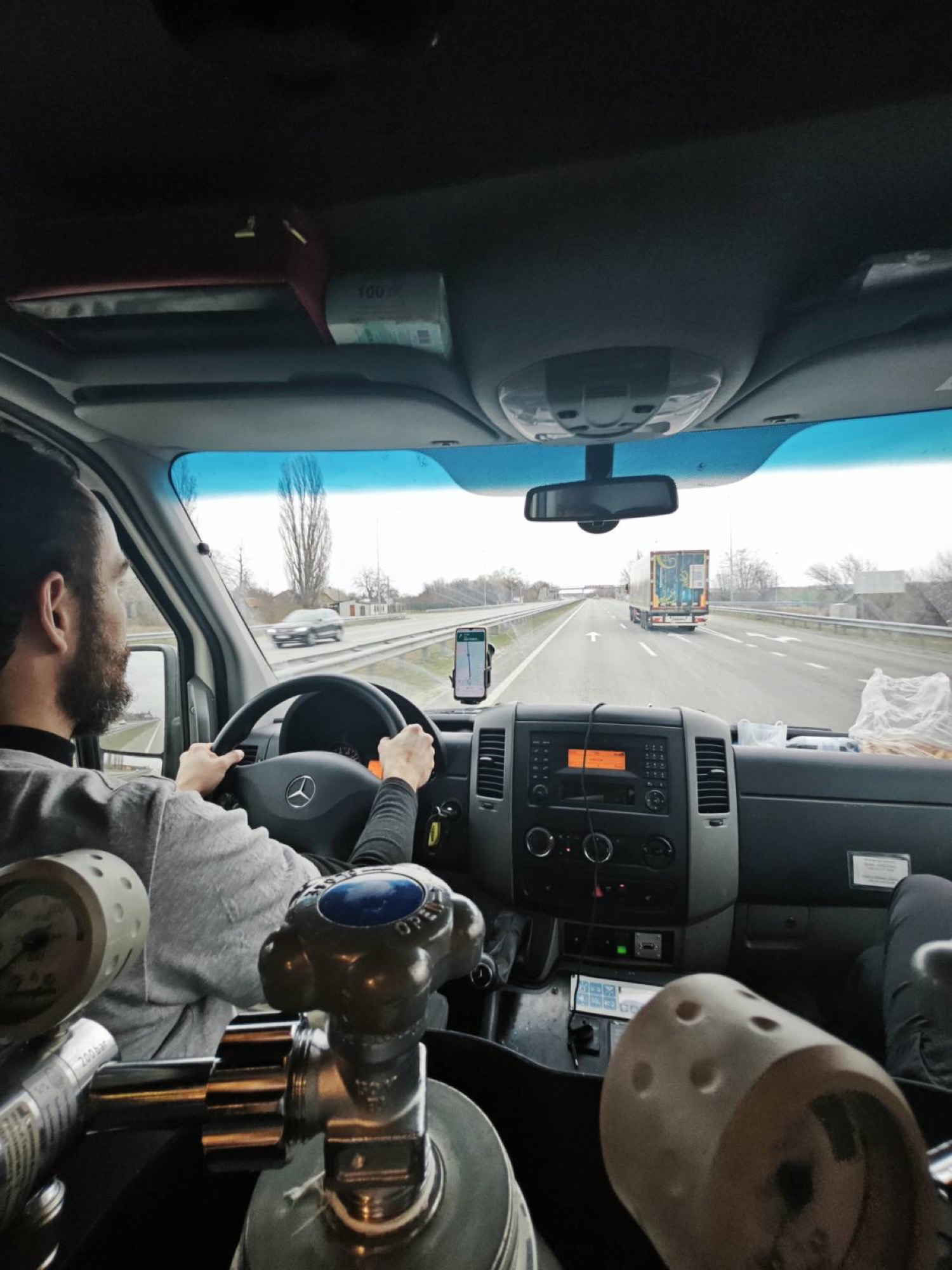
Every year, our teams travel thousands of kilometers in Ukraine to bring patients to where they can receive the best possible treatment. Photo: CADUS
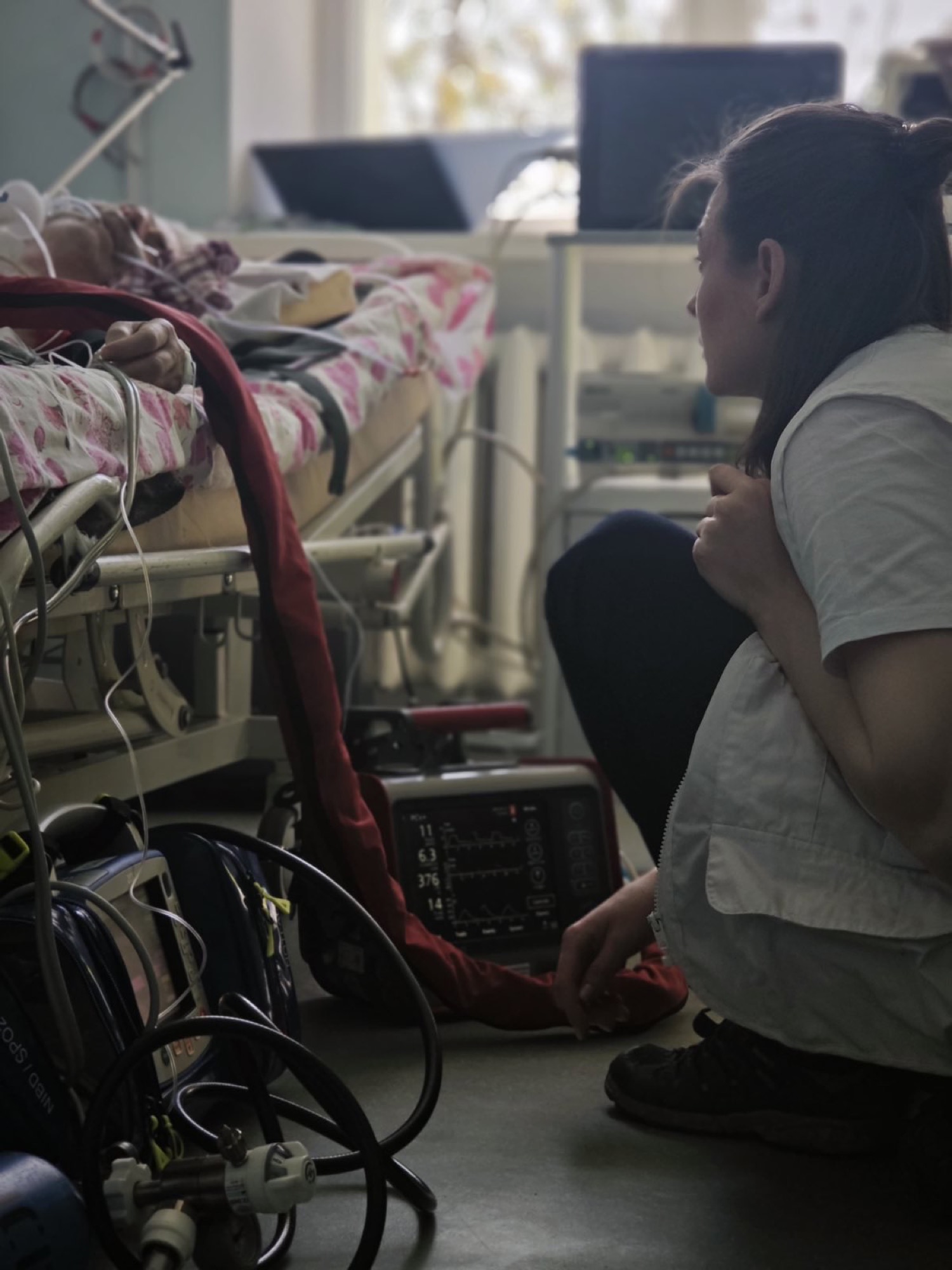
Our staff always try to treat patients as equals, stand by them in solidarity and provide them with the best possible care. Photo: CADUS
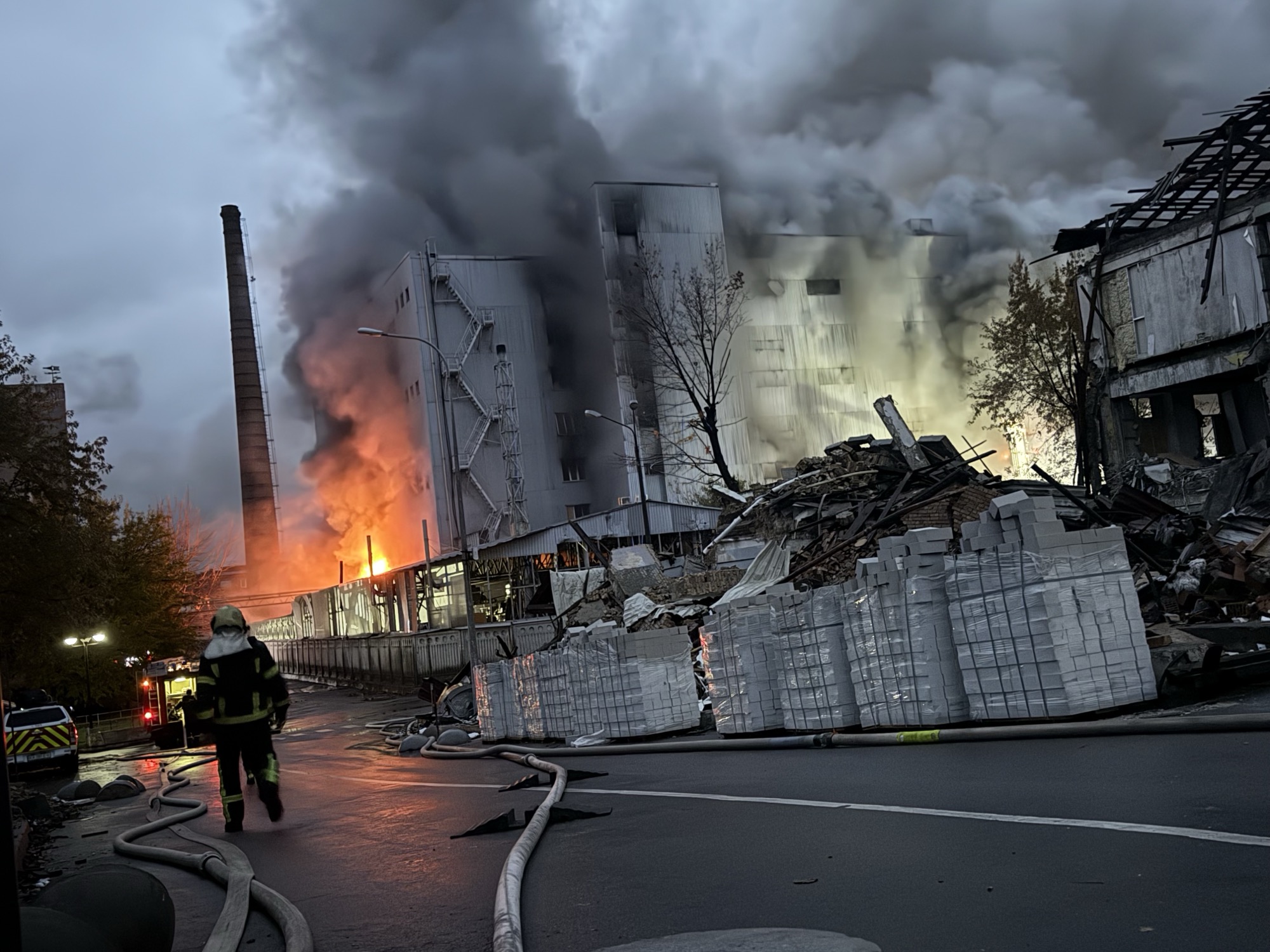
Ukraine is constantly being bombarded with missiles and drones. Our teams were also directly affected by this on several occasions. Photo: Ruben Neugebauer/CADUS
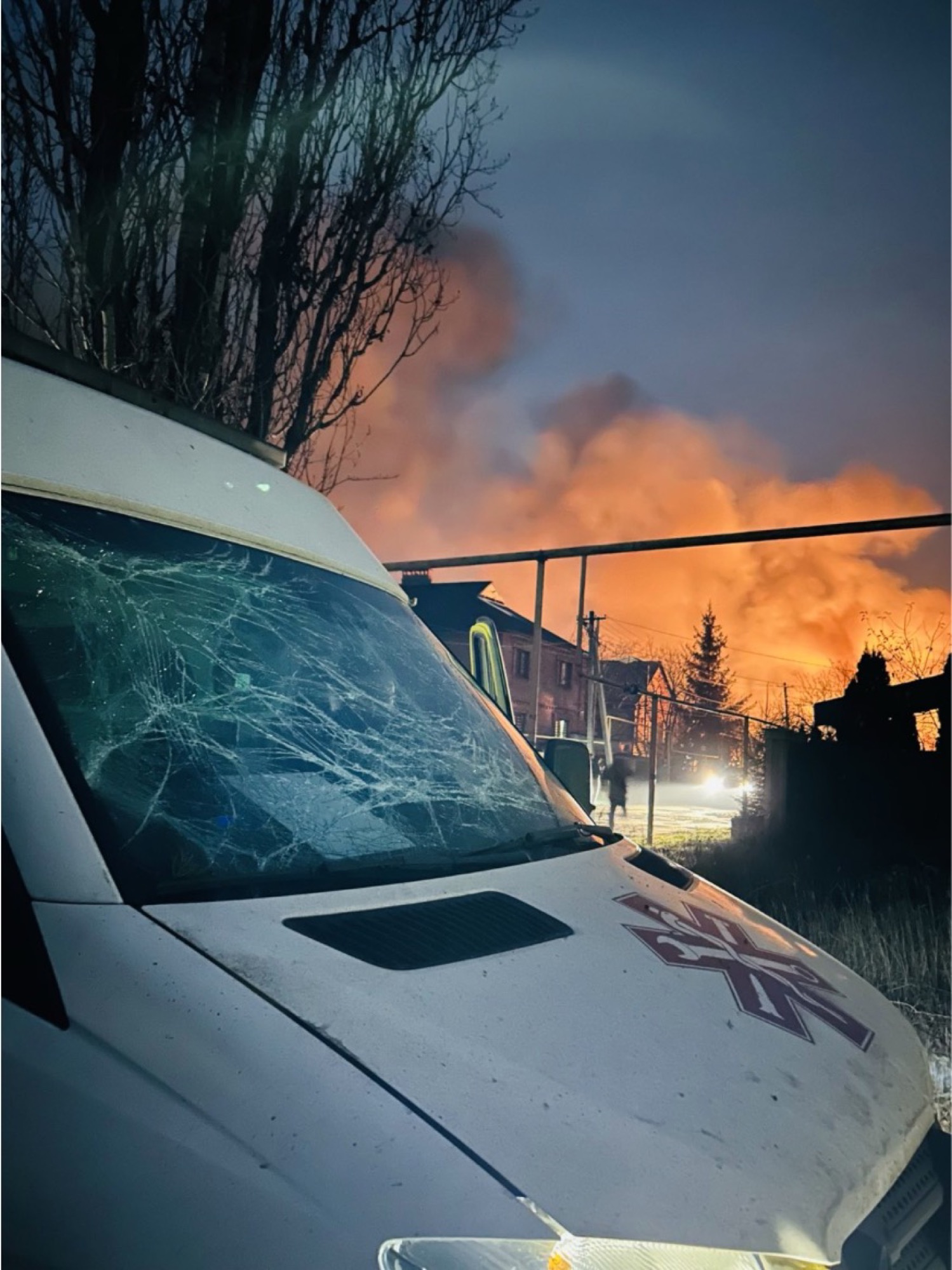
Here, our ambulance was damaged by the explosion of several drones in a residential area. Our team's accommodation was also damaged. Photo: CADUS
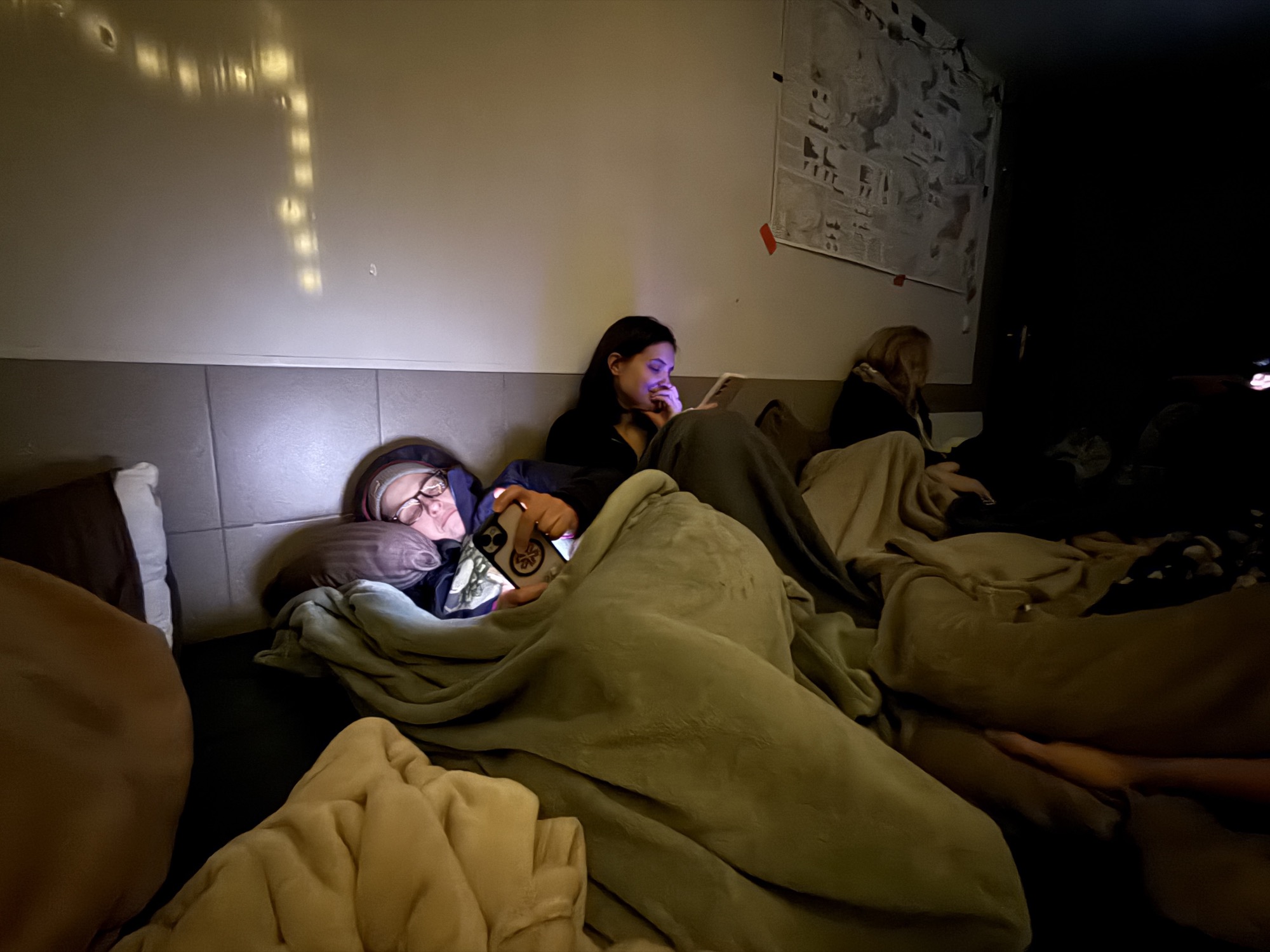
Several times a week, our teams have to take shelter from attacks in the basement or bathroom. Often in the middle of the night, sometimes several times and for several hours. Photo: CADUS
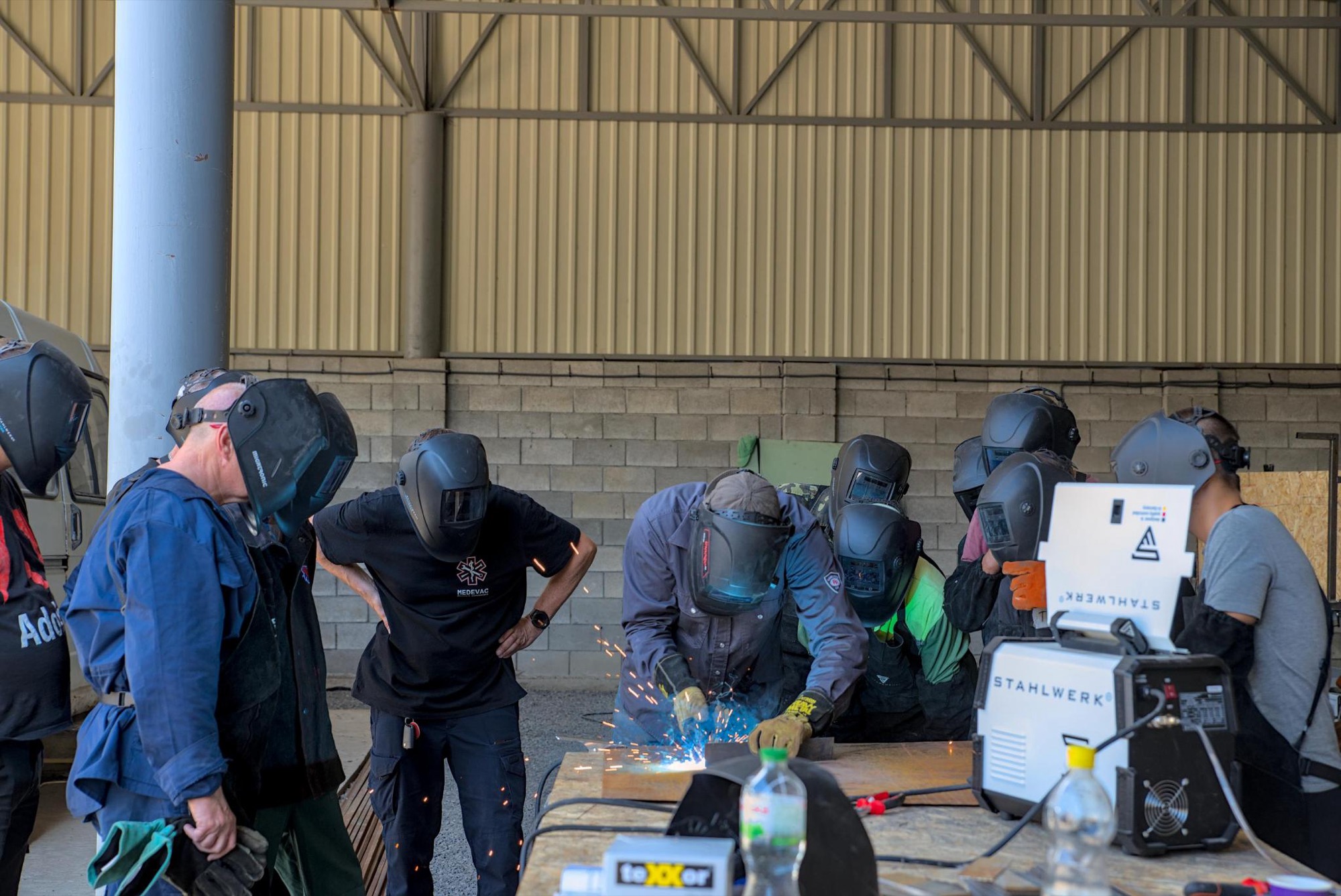
In cooperation with GIZ, we have organized workshops in various trades to enable Ukrainians to carry out minor repairs themselves in order to increase the resilience of the population. Photo: CADUS
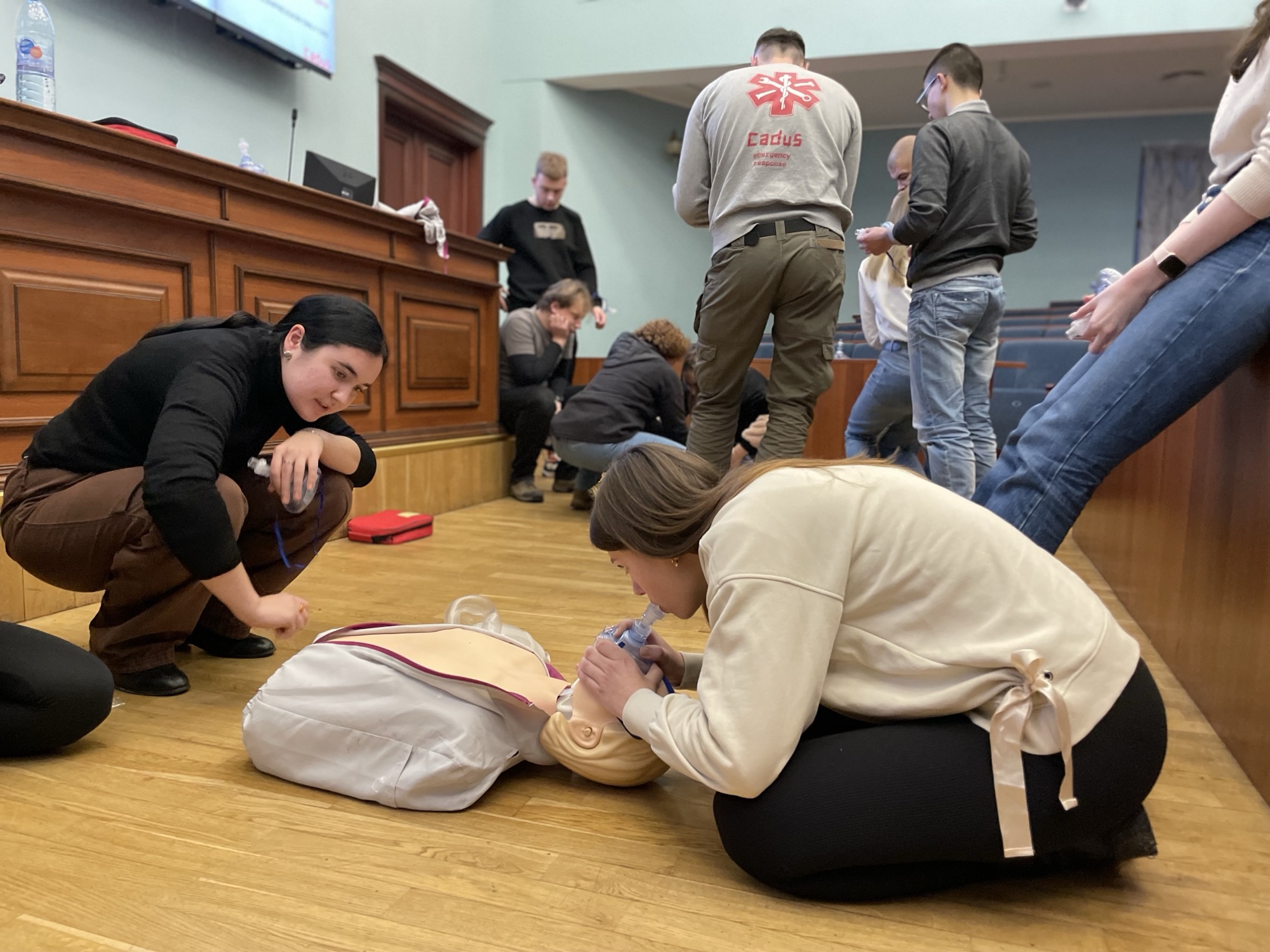
We have trained hundreds of lay and specialist staff in various medical courses. Among other things, they learn how to properly treat wounds, stop bleeding and stabilize circulation. Photo: CADUS
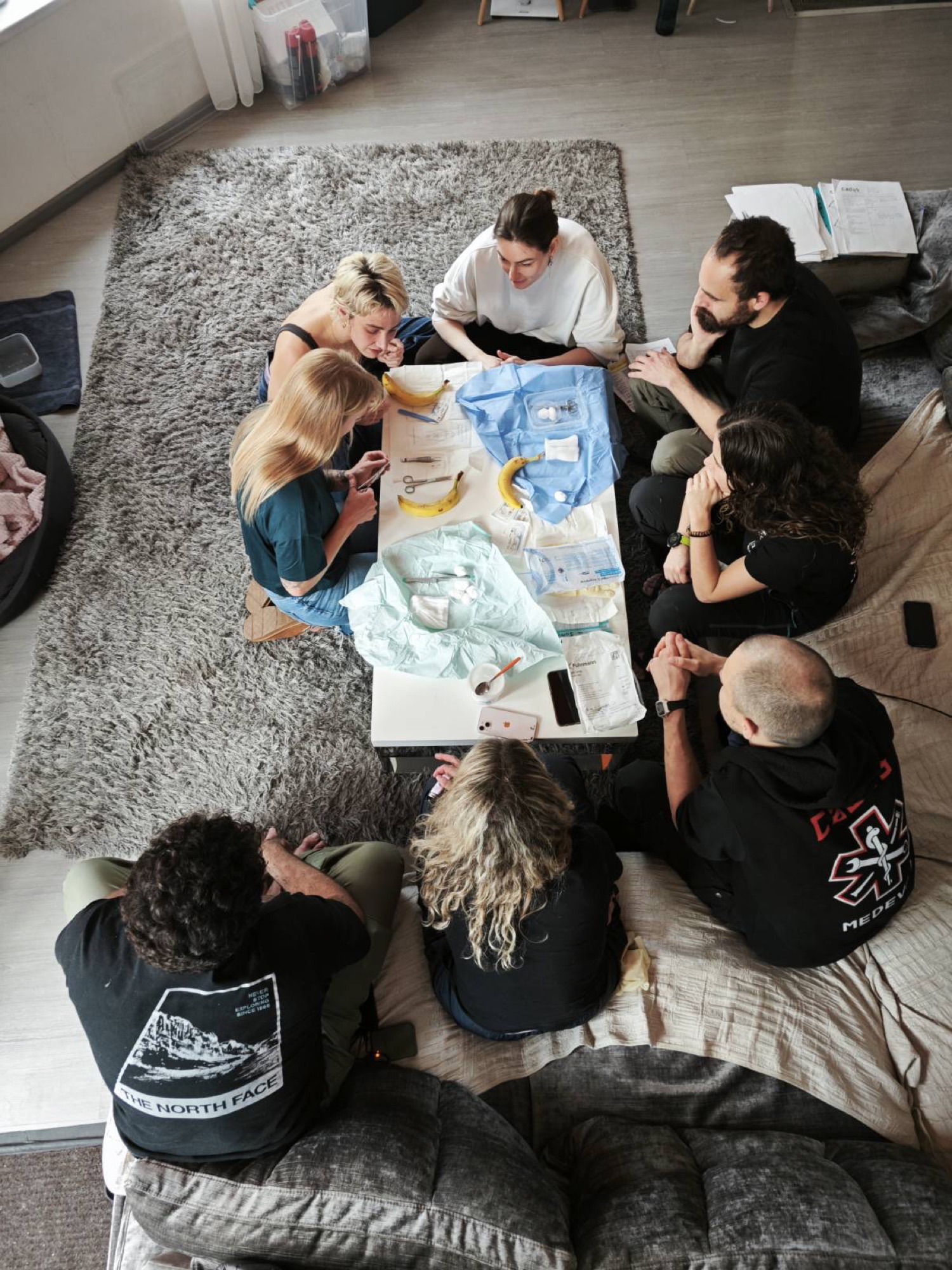
Our teams also train internally on a regular basis. Here they practise stitching wounds with bananas. Photo: CADUS
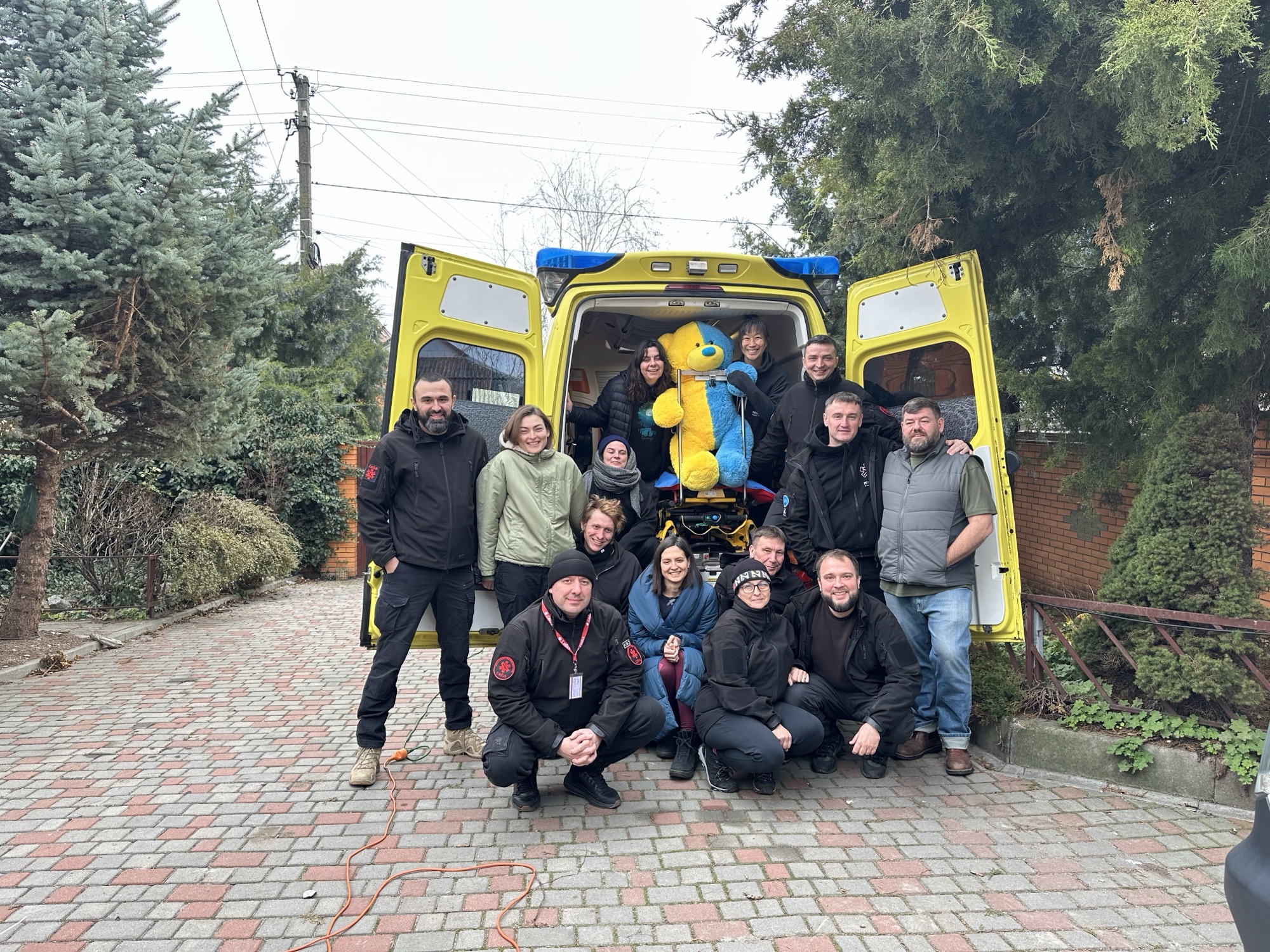
Both Ukrainians and international employees work side by side in our teams. They have been doing great work under challenging conditions for four years. Photo: CADUS
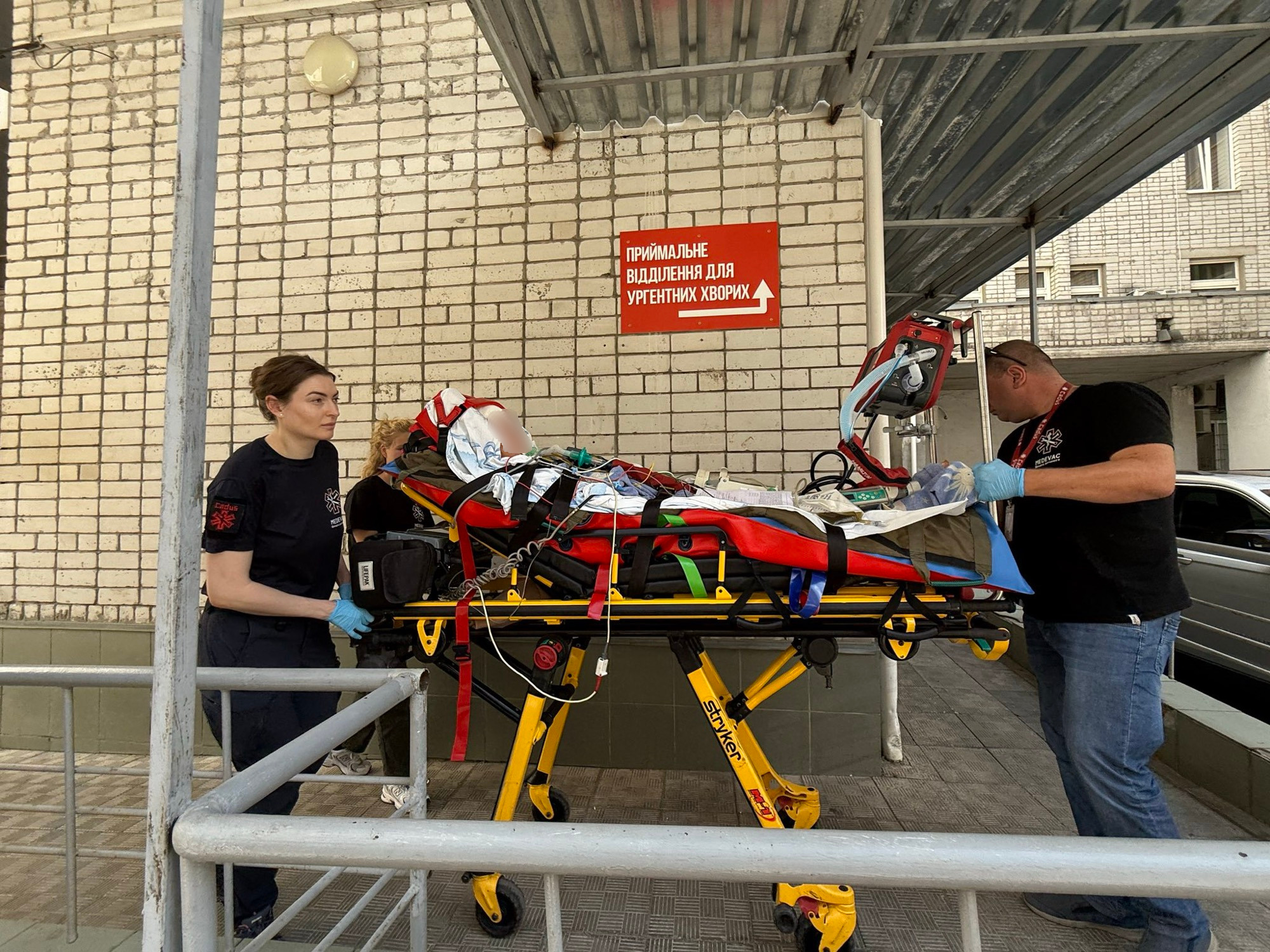
We will continue to actively provide humanitarian aid in Ukraine for the fifth year. As long as it remains necessary. Photo: CADUS
With our now three MedEvac teams in Sumy, Dnipro and Pavlohrad, we primarily fill a gap in the local rescue chain: we specialize in the transfer of patients who require intensive medical treatment. The combination of complex medical care, long journeys on challenging roads and working in an active war zone is what makes MedEvacs so demanding. Nevertheless, in four years we have been able to transport over 2,000 patients on more than 1,700 MedEvacs, covering around 300,000 kilometers.
Customize help
With the widespread use of drones, the war in Ukraine currently represents a new type of warfare like no other. The result remains the same: suffering, death and destruction.
But we are also adapting to counter the recurring consequences of war. For example, in collaboration with the Karolinska Institute and Harvard Medical School, we are developing a new type of course on emergency medical care for young children. With the subsequent training courses for Ukrainian specialists, we are creating added value beyond the end of the war.
“It is shocking that this war has already lasted four years. These are four years in which Ukrainians have already had to fight for survival under extreme conditions. We will continue to help where necessary in the fifth year!”
Ronja Heinemann, CADUS Country Manager Ukraine
The fifth year of the war
However, this still seems a long way off. The Ukrainians are not only struggling with the Russian attacks and the harsh winter, but also with dwindling international support and global public fatigue. We, on the other hand, will continue to bring humanitarian aid to Ukraine.
On the one hand, we are proud of our tireless efforts over the past four years, the support of our donors and supporters and the commitment of our partners on the ground. On the other hand, we are saddened by the fact that humanitarian emergency aid has been needed for years.
Nevertheless, we continue to hope for an early, just peace and a self-determined life in security and freedom for the people in Ukraine. And thus also for an early end to our mission!

The climate catastrophe as the greatest challenge for humanitarian aid
What impact does the climate catastrophe have on humanitarian aid? What can and must humanitarian actors prepare for and how must they adapt in order to counter the consequences of the climate catastrophe?
The future of humanitarian aid
Writing a text about the future of humanitarian aid. My first impulse: this is going to be a gloomy text. The present of humanitarian aid leaves little room for optimism. Wars continue, people are dying in Sudan unnoticed by the
How AI Is Changing Humanitarian Aid: Risks and Opportunities
I’ve spent enough nights under mosquito nets and sat through long, often circular UN coordination meetings to know this: if we want to reach people in crisis faster, with less waste, and without burning out the sector, we can’t