Northeast Syria: Public Relations done sensitively
Published on 26. July 2020
from CADUS-PR

northeast-syria-public-relations-done-sensitively-feature-newspaper-412809_1920-d4c904cc
Part of the essential public relations work of an organization that depends on donations is to report regularly on its own work. The more tangible and personal the reporting, the higher the probability that potential donors will feel addressed and support the project. Nevertheless, we report comparatively little about our work in Northeast Syria. What are the reasons for our hesitation, which sometimes leads to smoking heads in our PR department?
Safety of our employees
Gaining access to conflict regions is very difficult and not all actors on the ground support the work of humanitarian organisations and respect international law. The protection of our international and local staff is our top priority. In order to preserve the anonymity of our colleagues, we try to report as little as possible about our work processes, routines and employees. Even though public relations often works in relation to individuals and their history, no reporting is possible that could possibly help identify individuals.
Safety of our patients
Not only our colleagues on site are exposed to various dangers, but also our patients. In our PR guidelines we have laid out why we oppose over-emotionalised reporting in the context of humanitarian aid: We do not want to stage the people as passive victims waiting for our rescuing help.
At the same time, especially in the context of Northeast Syria, we cannot tell the individual life stories of the people on the ground, because they are extremely vulnerable on several levels. Political statements can have dramatic consequences for the people, who often lack an overview and information about what happens to their statements and personal data. It happens again and again that the media violate the personal rights of individuals. In addition, our work is dedicated to minors and children, whose personal rights must be particularly protected.
Complexity of the situation
The complexity of the situation in Northeast Syria can hardly be captured in a Facebook or Twitter post. Even an article in the CADUS blog often only approximates the complexity of the now nine-year war. Therefore, we have repeatedly published articles to discuss the situation on the ground on a “meta-level”. Instead of using a simplified good-and-evil scheme, we have instead focused on the challenges faced by humanitarian organisations in the region. But here, too, the danger of trivializing the work of humanitarian workers in a country that has been at war for almost a decade lurks. A war with an almost unmanageable number of involved militias, combat groups, regional and world powers with different interests and the associated rapid change of alliances and front lines.
Ambiguous information situation
Due to the many actors and their interests, the information situation is often not clear. Events can turn up in a flash and it is a difficult task to distinguish rumours and fake news from actual events. Of course, we will continue to comment on issues that affect our work on the ground and find clear words where necessary and possible. However, we must proceed with caution in order not to use certain narratives, often politically motivated, and also to respect the humanitarian principle of neutrality.
No reason for the lack of reporting, on the other hand, is that we have too much money. Therefore: donations most welcome!
Published
Author: by Jonas Grünwald
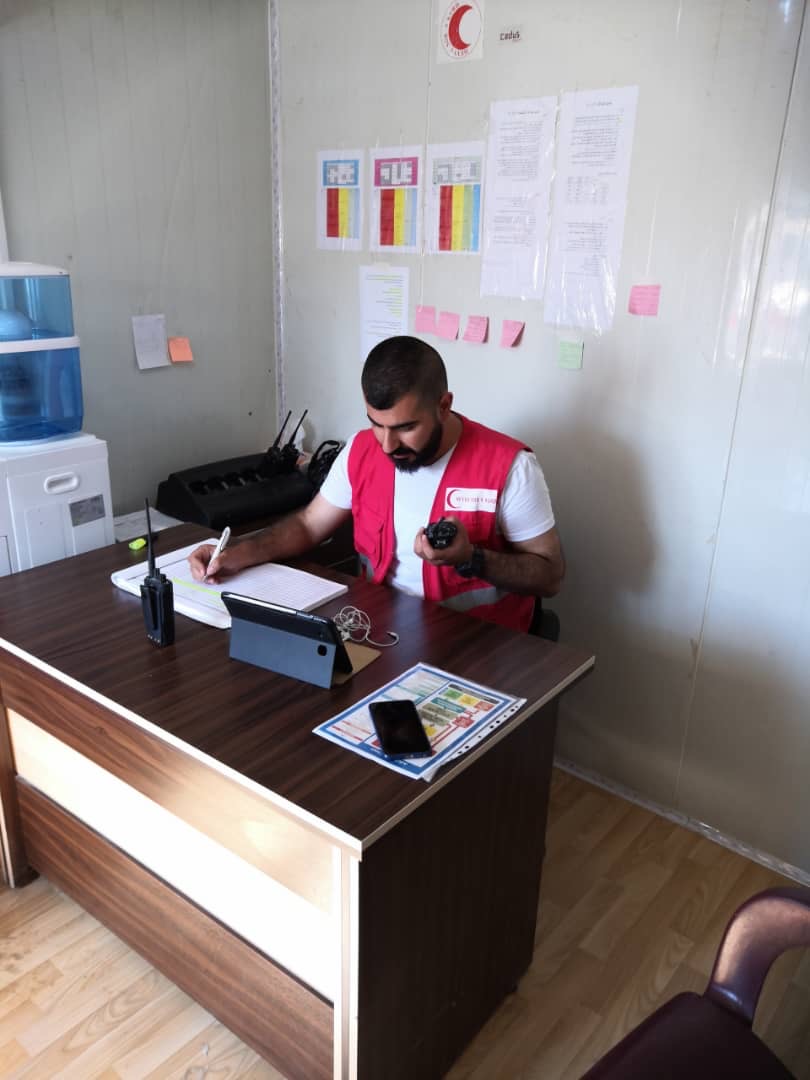
Emergency call center al-Hol Camp
Destination country/region: Northeast Syria, al-Hol Camp Period: March 2019 - June 2023 By setting up and financing an emergency call center (Operation Desk) together with our partner organization, the Kurdish Red Crescent, we were able to significantly improve coordination between medical facilities and with hospitals …
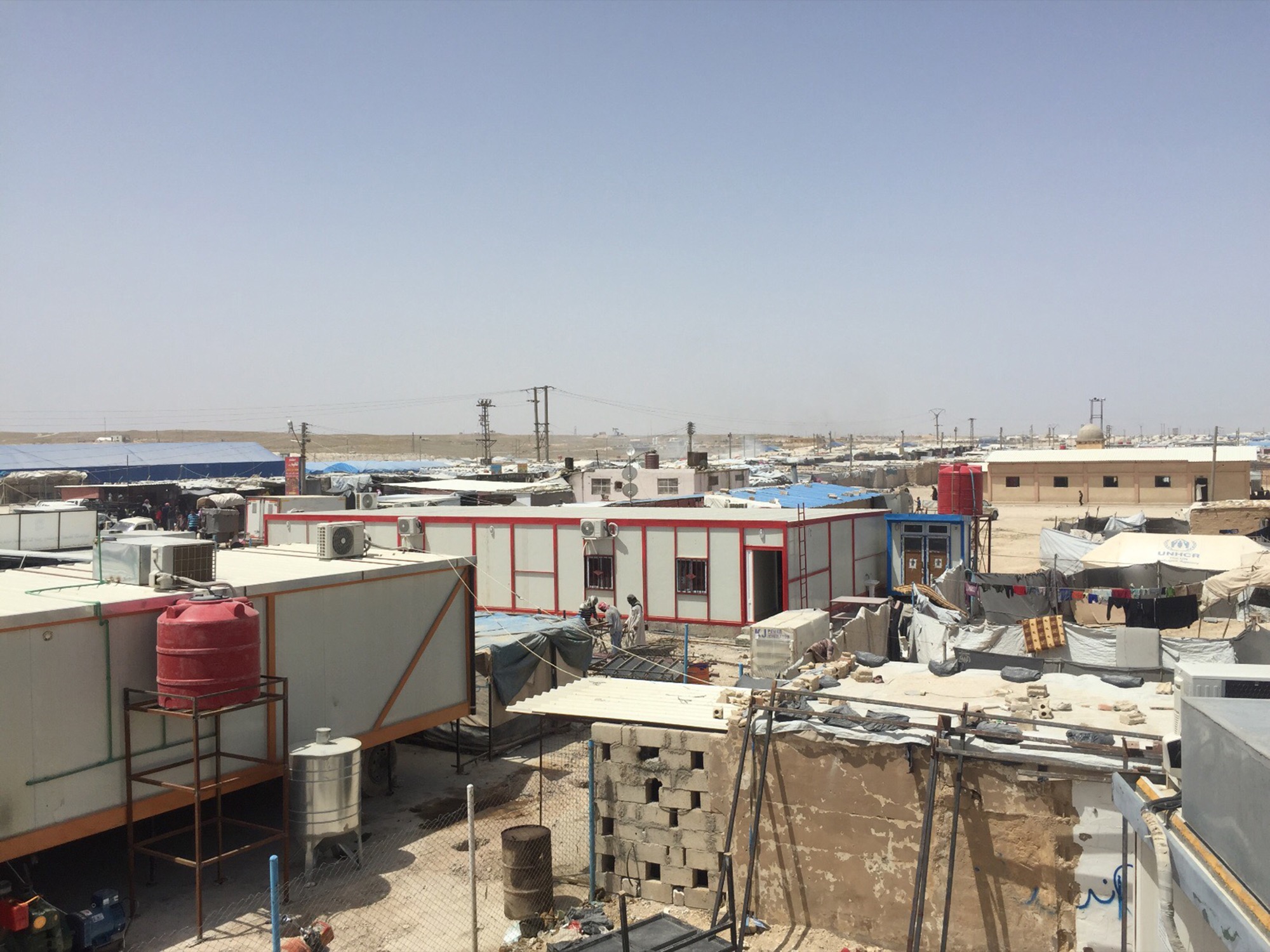
Field hospital al-Hol Camp
Destination country/region: Northeast Syria Period: March 2019 - June 2023 We operate a field hospital in the al-Hol refugee camp in northeastern Syria. The supply situation for the approximately 70,000 residents in the camp, designed for 20,000 people, is desolate. We support the local health structures in providing …
Humanity in one of the toughest places in the world – Looking back at four years of CADUS Field Hospital at Camp Al Hol
On June 30, 2023, the time had come: CADUS left Camp Al Hol, where we built up a field hospital and supported the camp's internal rescue control center, forever. But we know that the Field Hospital is in good hands: our local employees have set up their own organization and the ...