Meet the team: Kristy
Published on 20. November 2017
from CADUS-PR
239-feature-Kristy_2_Nov17_groC39F-68273ee4
What is your role with CADUS?
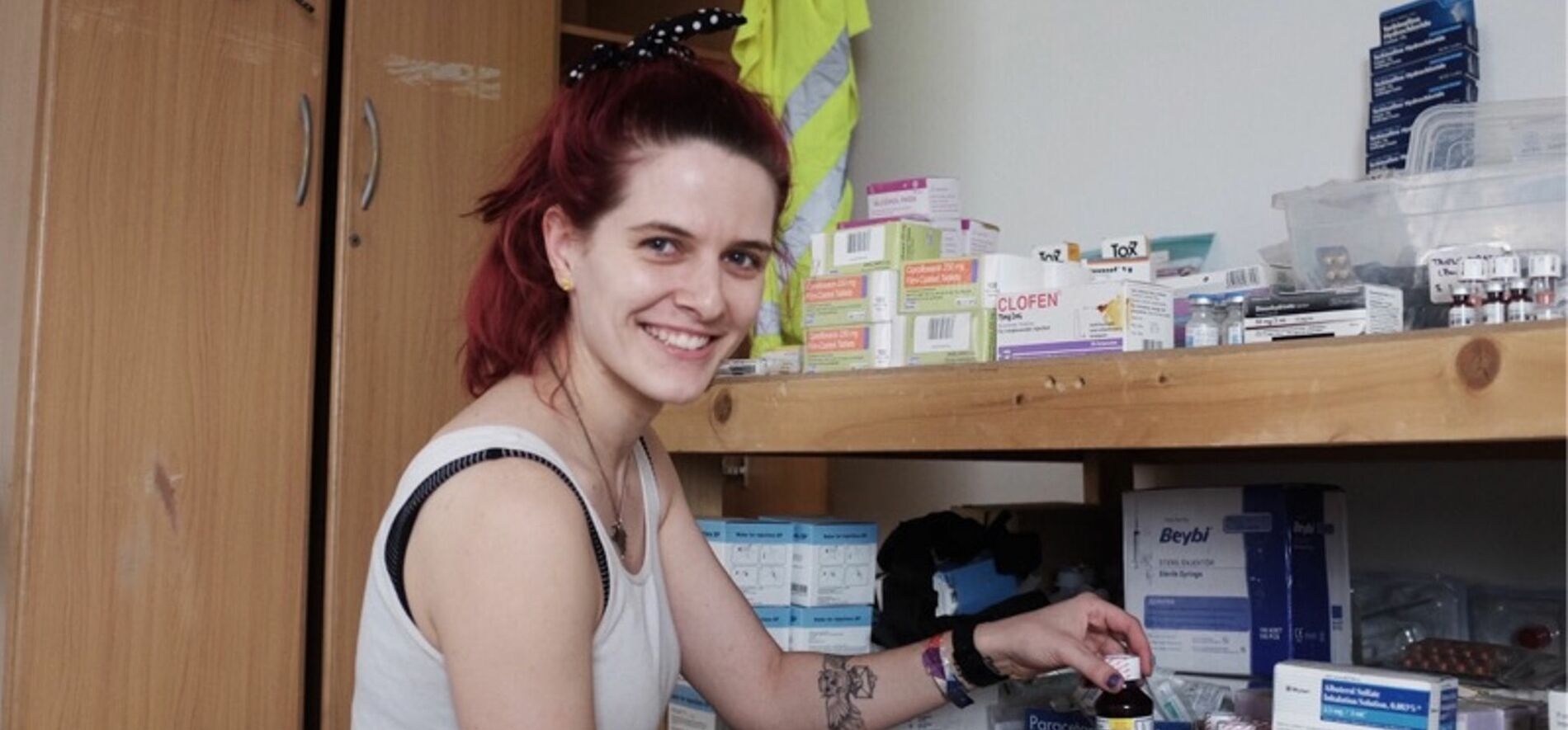
I am a paramedic and part of the CADUS medical crew. When in field my job includes trauma care, triage (sorting the patients after their (need for treatment), liaising with the referral line to get trauma patients to the appropriate hospitals and providing primary health care if it is needed. Right now, I am in Erbil assisting with the preparation of the medical equipment and consumables. I have been counting medications, sorting the medicine boxes for infield, preparing inventory lists and helping pack the truck.
Oh and cooking vegan food for all.
Why did you volunteer with CADUS?
I have a particular skill set I wanted to use to help people. CADUS allowed me to use my experience as a paramedic to contribute to one of the largest humanitarian crises of my lifetime.
You were a part of the team in Mosul, what made you come back for the Anbar mission?
While the mission in Mosul was incredibly challenging, I learnt a lot about my own profession and my own ability to work in a conflict environment. I wanted to continue to build on this experience, to keep learning and keep being able to help the Iraqi people. The CADUS team is diverse and easy to work with, this means I get to learn from other medics, while meeting new people.
What advise would you give to other medics interested working on a CADUS mission?
I would advise that anyone who feels they are psychologically prepared to work in a conflict area to do so. You will never learn more then in a situation like this, where you are constantly on your feet providing care and improvising with the resources available. I would also advise to be patient and keep an open mind. Things are always changing, the situation is evolving.
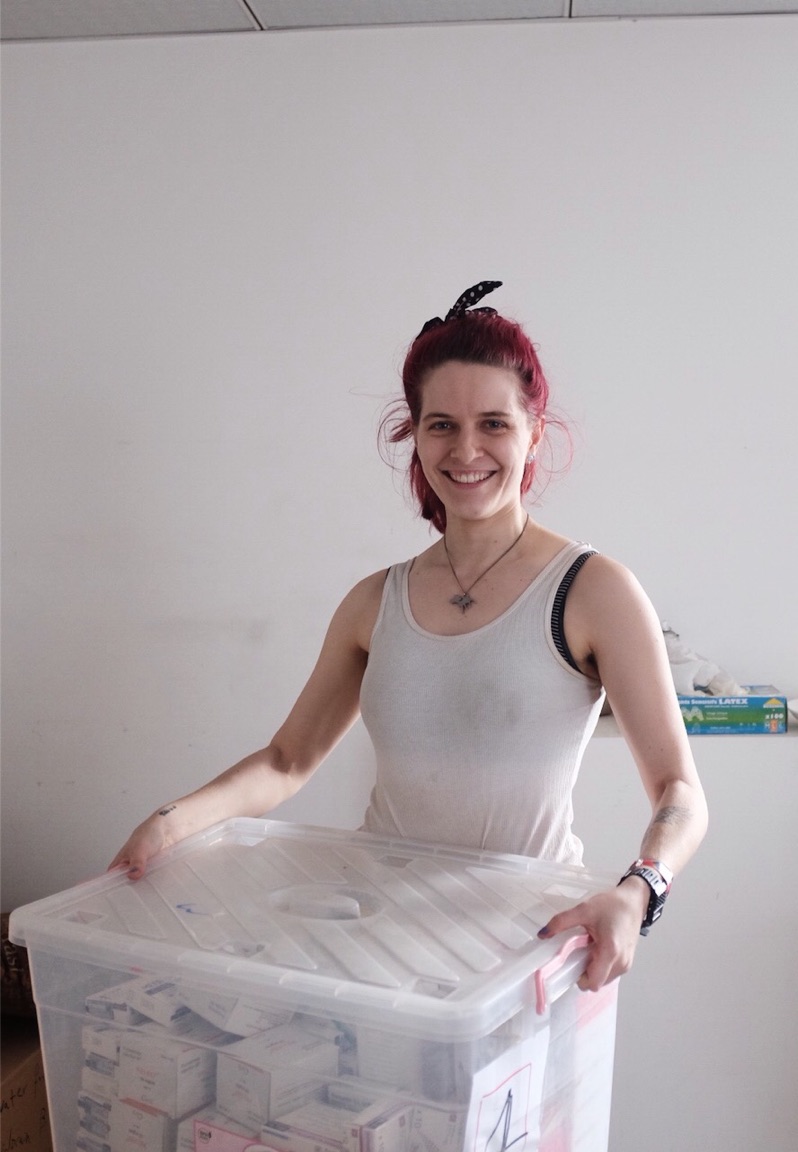 Kristy preparing and counting medications. Photo: CADUS
You mentioned ‘psychologically prepared,’ what do you mean by this and how can a crew member prepare themselves?
Always try to research and inform yourself about the conflict in the area, the different actors on the ground and the local norms.
Be aware that in the Middle East, there are cultural differences. For example gender roles are very constructed. It can be more challenging for women medics to work with local communities that are traditionally male dominated, meanwhile many local women will refuse care from a male medic.
Familiarising yourself with the CADUS equipment lists and medical provisions is a good way to feel more settled in the work environment, especially when things get busy.
It’s important to always ask questions, even if they seem silly. You should always feel comfortable and heard!
What is the best (or worst) part about volunteering with CADUS?
The best part about working with CADUS is that I fell into a group of people that hold very similar ideals, values and sense of humour to me. It’s like, I found my people from Germany, in Iraq.
Is there anything about your experience with CADUS you would like to add? Energy drinks? Dogs?
The vintage market scene in Iraq is on point. It’s heaven for a hipster-melbouneite. Oh, but pack your artisan beans and aero-press, it’s definitely a chai country!
PS: I love dogs.
Published
Author: by Jonas Grünwald
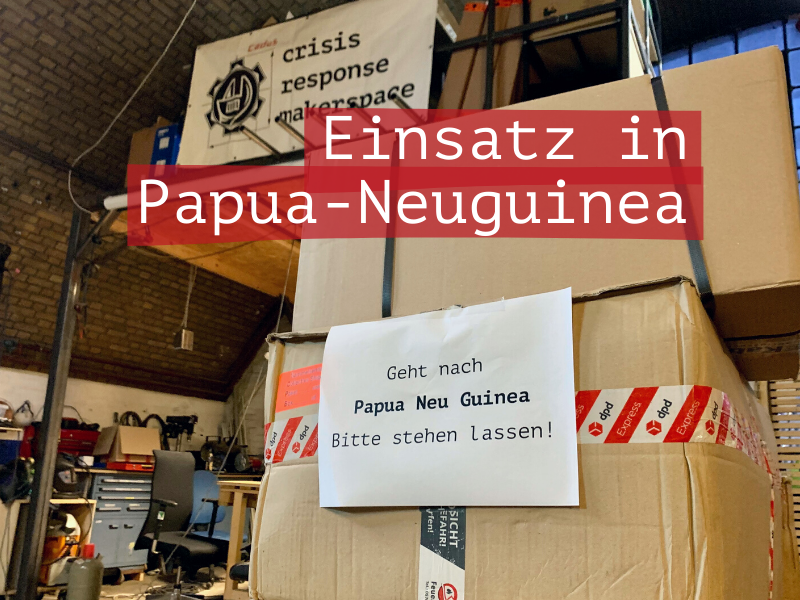
Covid-19 Response: Einsatz in Papua-Neuguinea
CADUS entsendet Medics-Team nach Papua Neuguinea zur Unterstützung des dortigen Gesundheitssystems im Kampf gegen Covid-19.
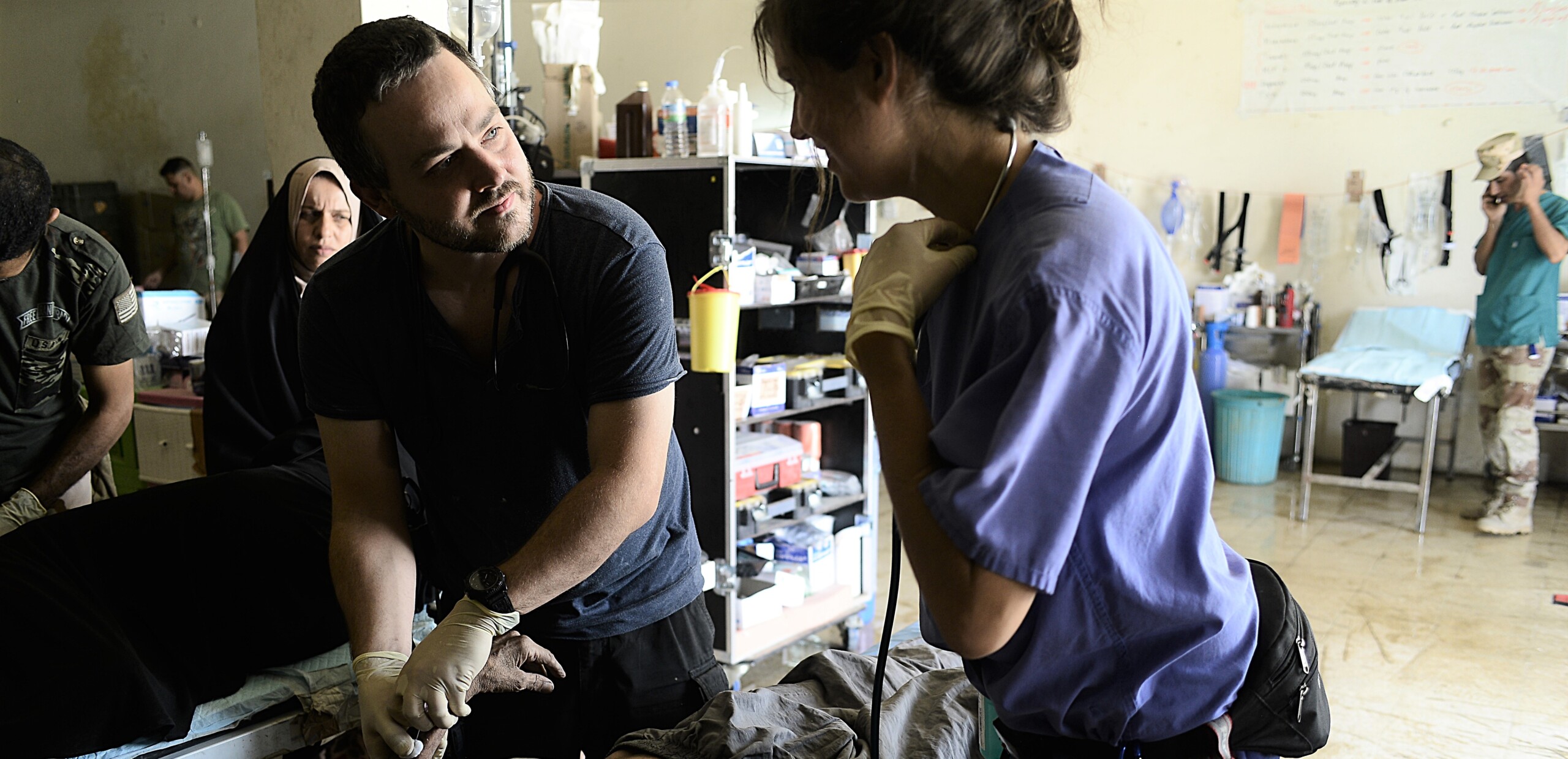
Trauma Stabilisation Point Mossul
Target country/region: Iraq Period: June 2017- December 2017 CADUS provided medical trauma care to civilians in the course of retaking West Mosul. In doing so, this deployment took us one and a half kilometres behind the fighting lines in the summer of 2017. There, we were a part of the first link in the emergency …
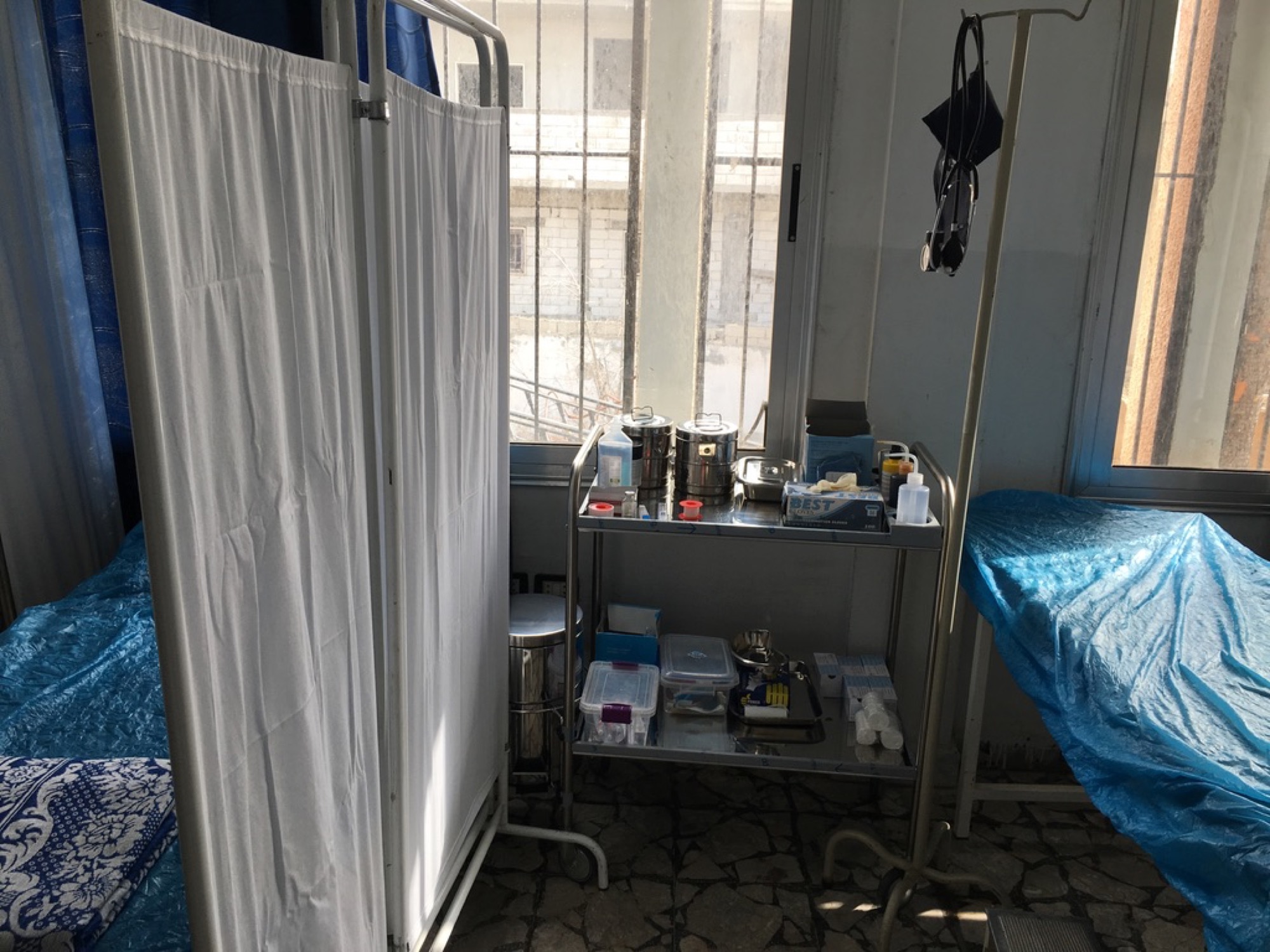
Primary Health Clinic Rakka
Target country/region: northeast Syria, Rakka Period: July 2018 - May 2020 Together with our partner organization Heyva Sor, we set up an outpatient general medical clinic, where about 120 patients were treated daily. The medical needs of the city, which was occupied by the Islamic State for years, were high. With the …