A small ultrasound unit can make a big difference
Published on 26. April 2018
from CADUS-PR
a-small-ultrasound-unit-can-make-a-big-difference-feature-Henryk20weist20die20Mitarbeiter2Ainnen20in20die20Funktionen20des20neuen20UltraschallgerC3A4ts20ein-199e83fd
Henryk had been at Al-Khansaa hospital last year on a mission with CADUS, and had taken an inventory.
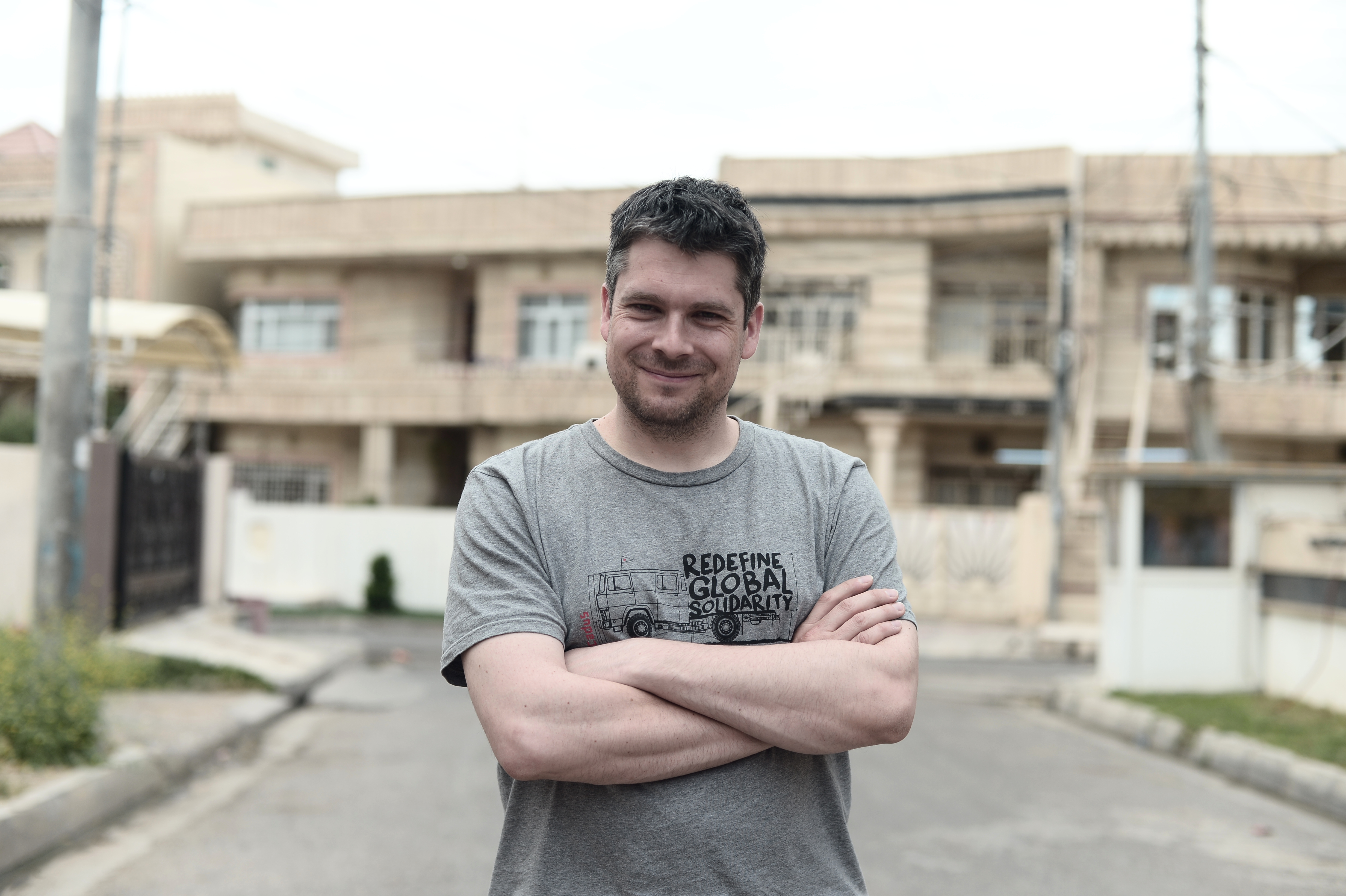
Dr. Henryk Pich (picture: Kenny Kaprov)
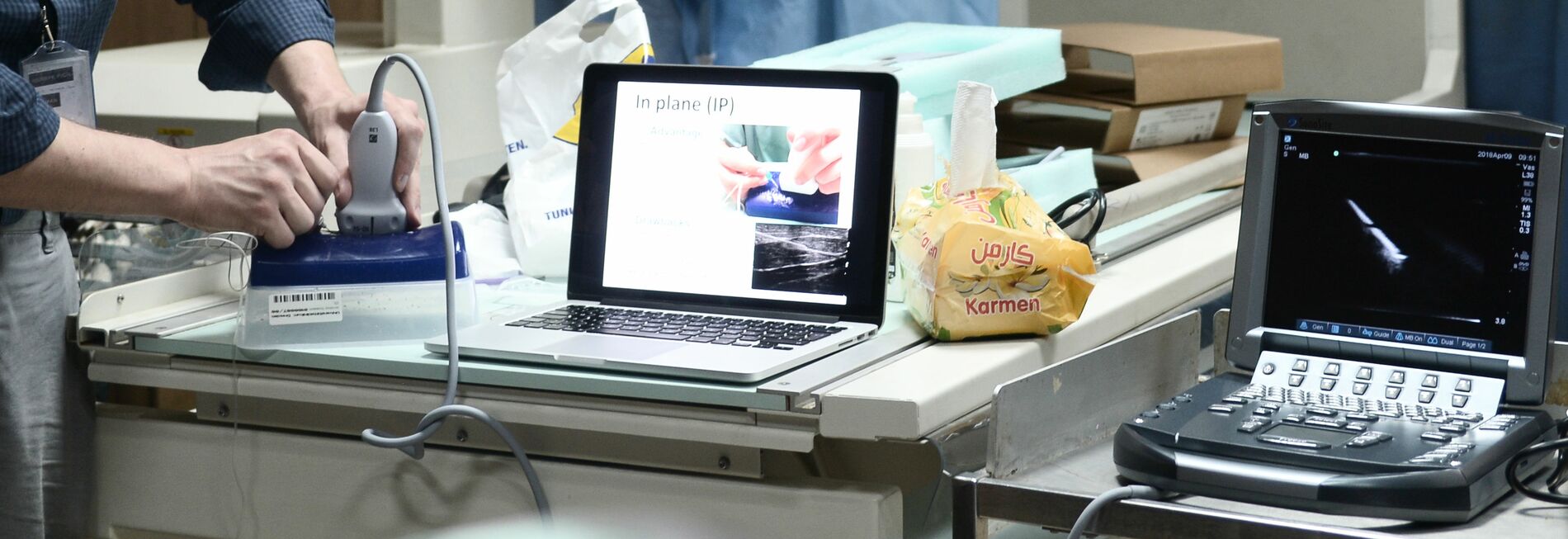
Back in Germany, Henryk then met with several company officials and finally obtained the mobile ultrasound device. In a short workshop, five local physicians were trained on the new device, providing them with the necessary knowledge.
It was particularly rewarding to see the ultrasound unit put to use on a patient right after the introduction, with our team and the patient’s family sharing the excitement!
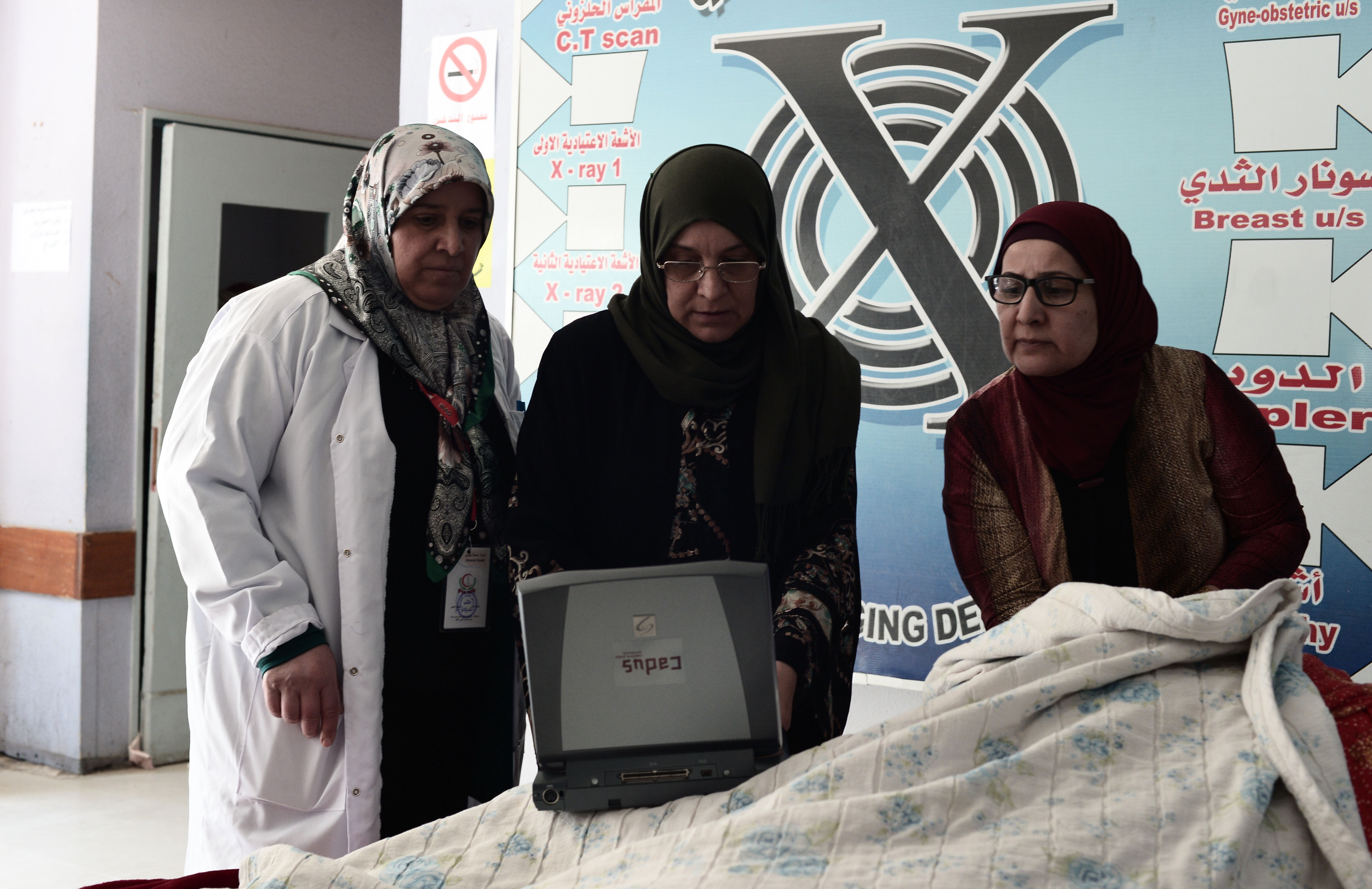
In use for the first time: The new ultrasound unit (Photo by Kenny Kaprov)
Just a drop in the ocean?
By and large, of course this is only a small contribution. More than 80 per cent of the hospital was destroyed when the IS left the eastern part of town, and large portions of the structure are still inaccessible. However, to see the huge progress made by the staff on site, within such a short timespan, left us deeply impressed.
A small local group of technicians and engineers has formed to tackle the repair and reconstruction of hospitals and their technical equipment. They are all over town, tirelessly bringing all kinds of medical machinery back to life. The buildings are permanently being worked on as well, offices and staff areas coming last in priority. Achievements have been made, and most of the operating rooms in the hospital have already been restored.
A hospital buzzing with activity, and a lack of everything
Whilst funding is scarce to buy new medical equipment, the hospital is bursting at the seams, lending even more urgency to the reconstruction or replacement of destroyed infrastructure. However, it appears there is no money for that.
Meanwhile, we can say CADUS has attained a special status at Al-Khansaa hospital. None of the other NGOs is allowed to take photos without a special permit any longer, simply because thousands of NGOs rushed by to take pictures, wasted the staff’s time – and never came back again. To be fair, there may be the most diverse reasons for these NGOs to do so. Last year, CADUS had been invited to put up the mobile hospital and to conduct surgery in the yard – but it would not have made any sense; patients would have had to be transported to the second floor for recovery, without an elevator in place. We therefore confined ourselves to operating a TSP in the Western part of Mosul’s old town area, which back then was still in the combat zone.
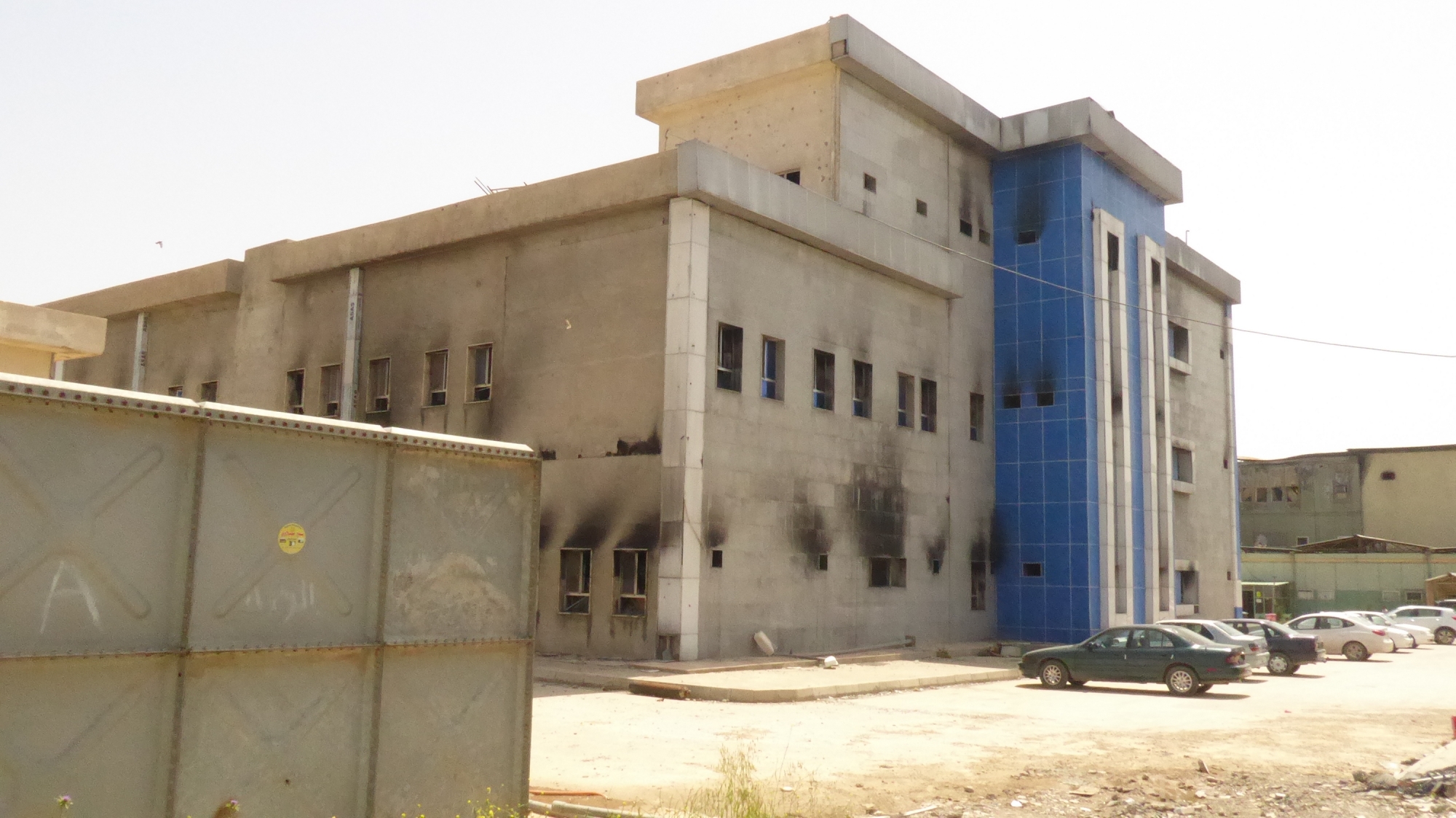
The devastated Al-Khansaa hospital, exterior view (Photo: Kenny Kaprov)
Teaming up for unbureaucratic help
Luckily, we knew of a storage full of hospital beds in Erbil. The NGO “Bring Hope Foundation” brought them to the hospital, along with other medical equipment they had in stock. The staff at Al-Khansaa never forgot this, and they greatly appreciated us using our connections to obtain donations from medical production companies.
First and foremost, money is needed to reconstruct devastated buildings. High-quality donations in kind also remain important – the stress being on “high-quality” here. Unfortunately, the hospital frequently receives cheaply imported equipment that tends to fall apart after short use, just leaving more scrap to be disposed of.
Whilst our storage capacity is very limited, our good standing at the Al-Khansaa hospital means that the staff members and manager will not hesitate to put in a good word for us with the health authorities, thus speeding up the handling of our equipment and requests.
Moreover, the medical staff has proven more than interested in expert knowledge and professional training. Hence, both Dr. Henryk Pich and CADUS as an organization will keep in close contact with the Al-Khansaa hospital. It is our objective to provide useful help wherever possible, and to place medical material into competent hands that will put them to the best use.
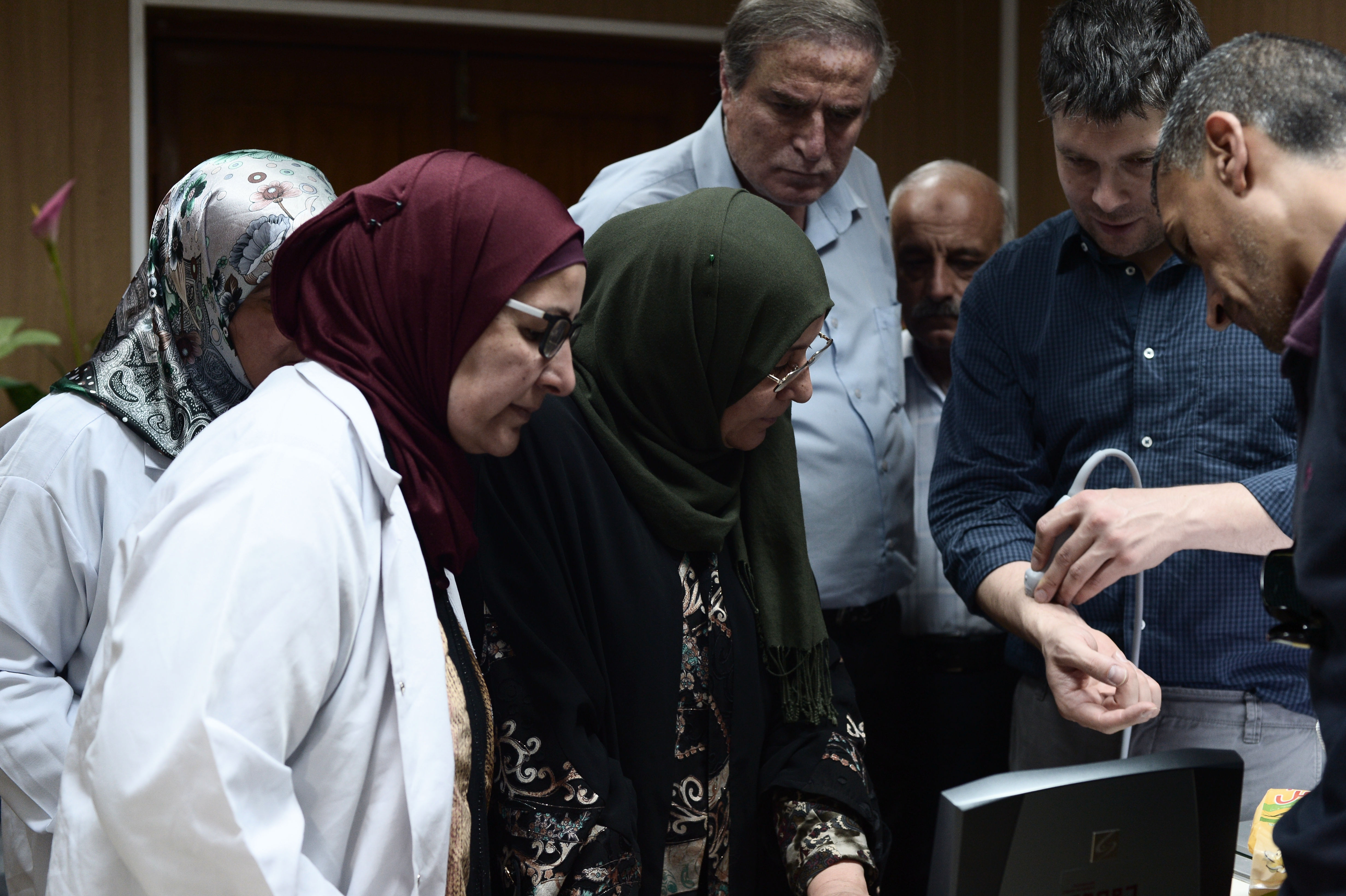
Training iraqui doctors to use the ultrasound device (photo: Kenny Kaprov)
What CADUS needs to provide sustained help
The sustainable help CADUS aims to provide comprises a lot more than just delivering equipment. With doctors and teams on site, many things have to be taken care of. Transportation and accommodation, permits and visas, interpreters… all of that costs plenty of money.
As a final outlook, we are striving to help the Al-Khansaa hospital staff respond to the high numbers of patients in the best ways possible.
Please help us support the al-khansaa hospital and rebuild destroyed infrastructures! Here's our Donation Link on our Website and on Betterplace.org.
Published
Author: report by Country Coordinator Fee Baumann, translation by Andreas Schüler
Wie war das noch mit den Menschenrechten?
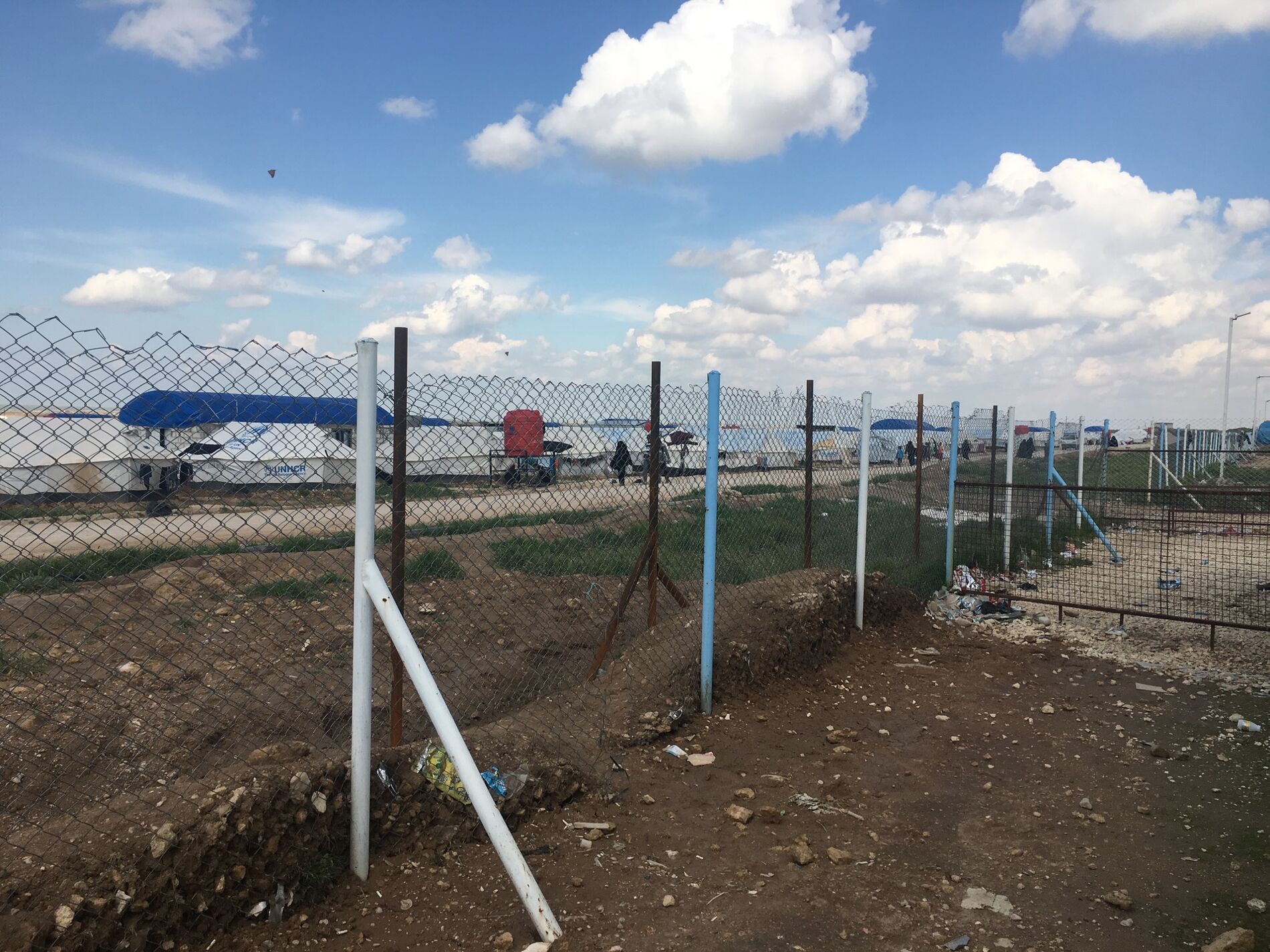
Das Geflüchtetenlager al-Hol in Nordostsyrien ist nach den Kämpfen gegen die letzten Überreste des IS komplett überfüllt und jegliche Struktur überlastet. Die gemeinsame Unterbringung von IS-Angehörigen und deren ehemaligen Opfern sorgt immer wieder für Konflikte unter den Bewohner*innen. Angesichts dessen stellt …
Pressemitteilung – Social Media Action Day #RechtaufFlucht
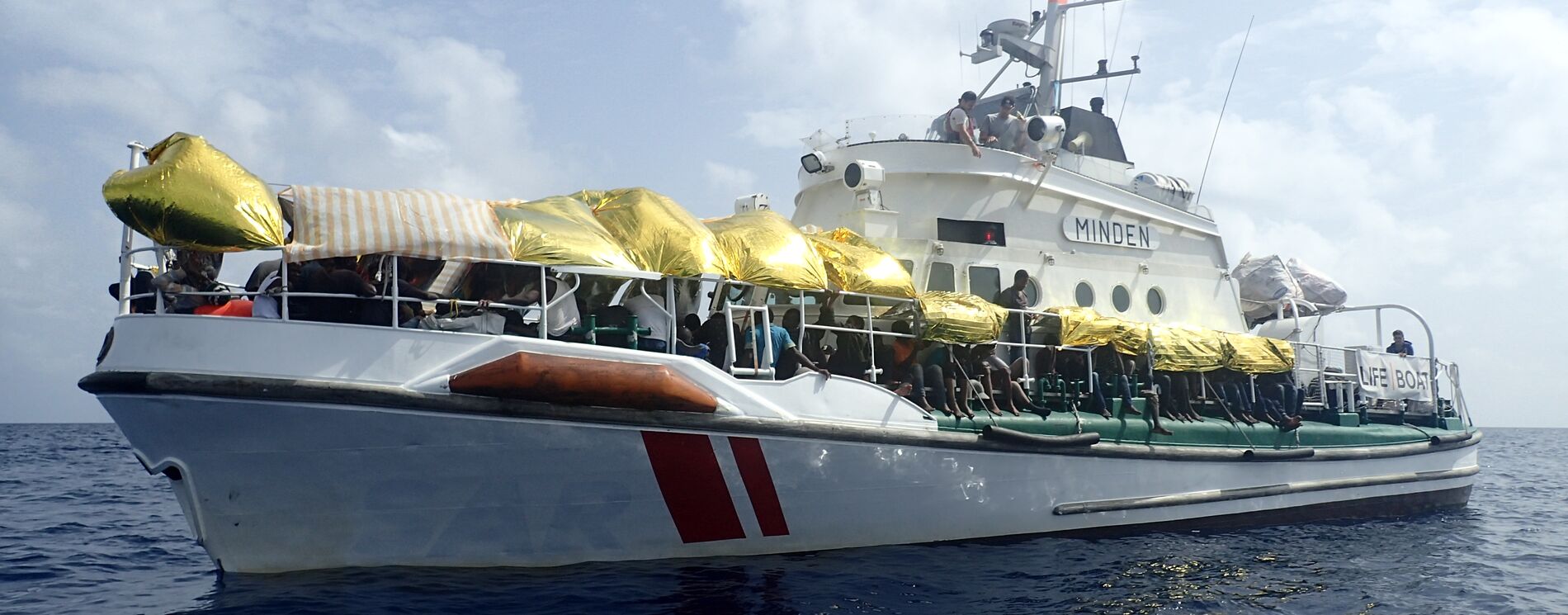
Gemeinsamer Social Media Action Day: Stoppt EU-Unterstützung für Libysche „Küstenwache“ Am Sonntag, den 28. Januar 2018 rufen Organisationen der zivilen Seenotrettung und humanitären Hilfe zu einem Social Media Action Day auf. Über den gesamten Tag werden die beteiligten Organisationen Artikel, Bilder und Videos …
Press release: Treatment of displaced persons from ISIS territory: CADUS starts providing medical care at al-Hawl refugee camp
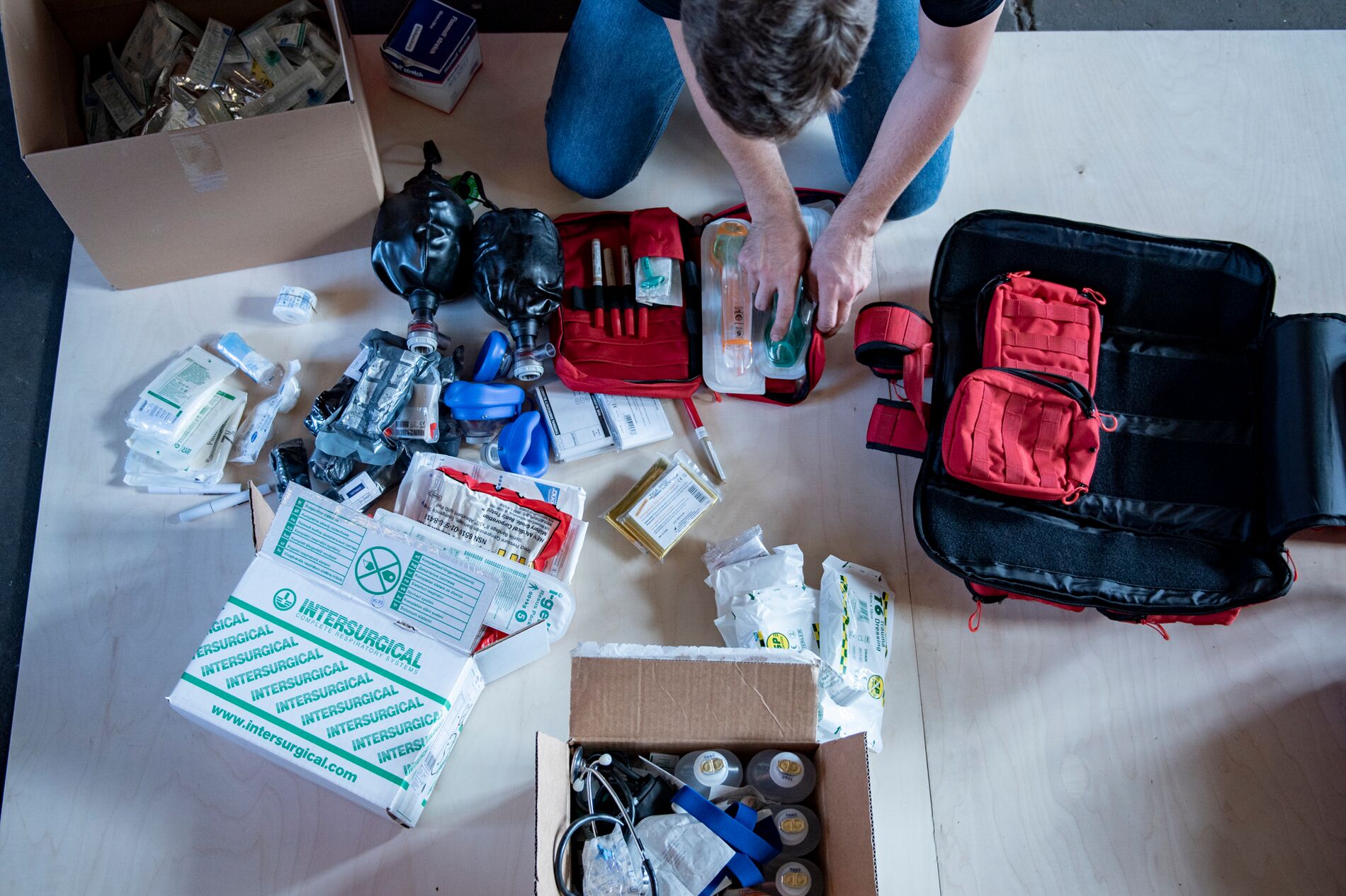
Berlin based relief organisation CADUS e.V. is supporting the construction of a field hospital in the al-Hawl refugee camp in the northeast of Syria. Medical care is one of the most pressing issues of the camp which is hopelessly crowded with over 75.000 people. One of the main reasons for the big number of people in …