About failure
Published on 22. June 2017
from CADUS-PR
about-failure-feature-cadus_projekt_rojava-2015_07-fb7892b5
At some point it seems, it had to hit us as well. For quite a time now representatives of other aid organisations active in North Syria kept asking us how we managed to get over the border of Turkey and Syria so easily.
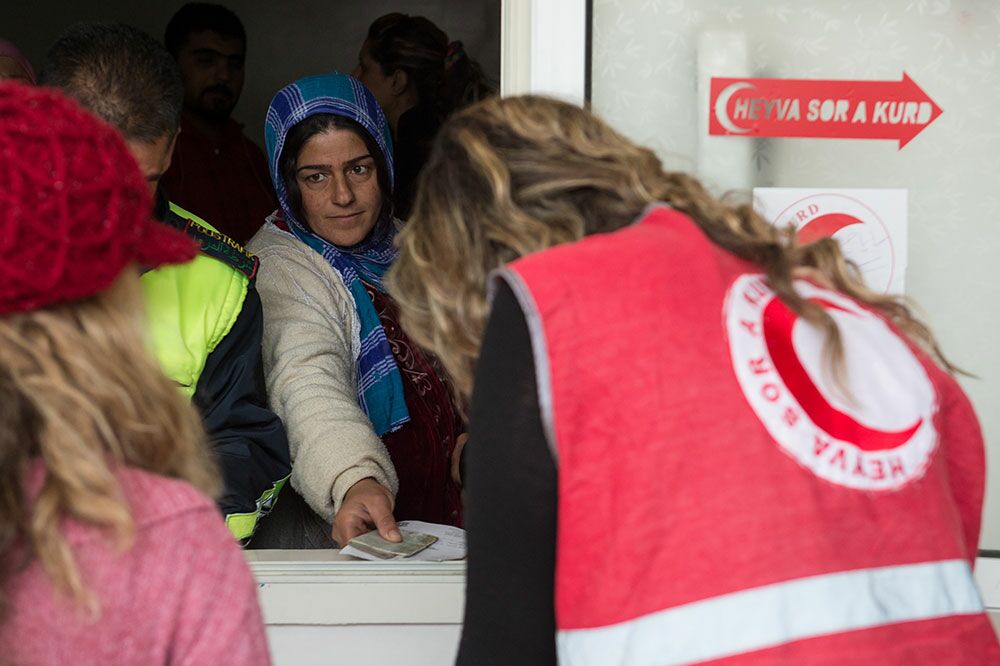
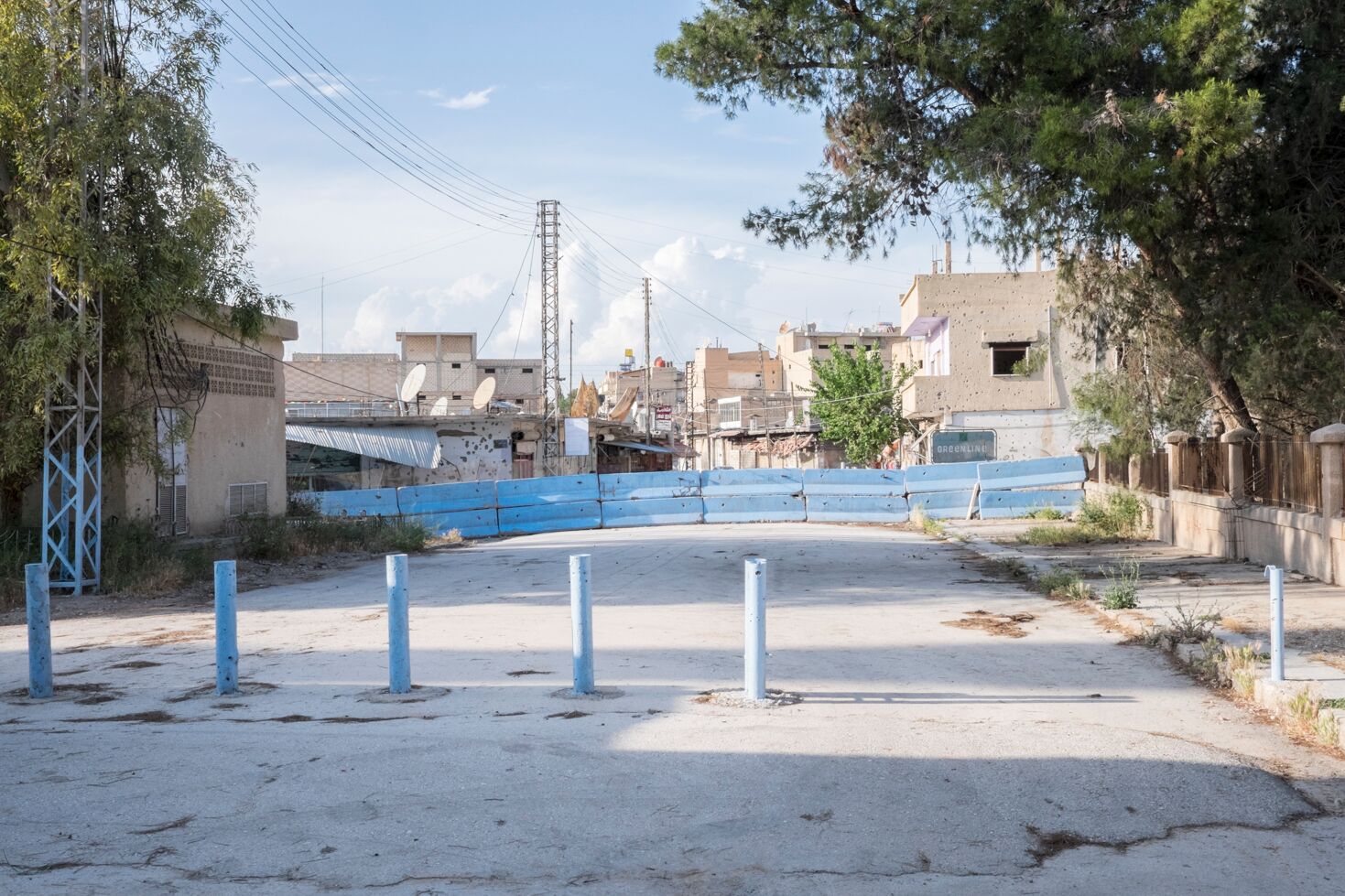
Now our team had to experience where this question actually came from. Arriving at Suruc, the path was supposed to be the same as every time: first stop at the regional administration to file for a border crossing within the scope of humanitarian aid, wait a little while, have a lot of tea with the officials present. But after that, up until now, always followed the crossing of the border.
This time the situation had changed. Unfortunate that our team arrived one day after the terrible attack in Ankara. Horrible that the south east of Turkey finds itself in a climate of fright and horror. Upsetting that many of those people engaging in aid for refugees fleeing from Syria, or helping people on the spot, were arrested or even disappeared altogether.
Consequence for our team: This time it meant waiting – for a long time. Resulting in a rejection by the Turkish administrations. The same administrations that manage the state-run refugee camps so restrictively that inhabitants rather return over the border to Kobane then to stay in Turkey.
In short, even to bring in the Department for Foreign Affairs (Auswärtiges Amt), the German Embassy in Ankara and the support of many members of the German Parliament (Bundestag) did not get us anywhere near Kobane. Instead, the Turkish administration applied a very well known strategy: First they asked for many many papers and contacts, then, having received all those, getting our hopes up for a positive decision, they pushed the final judgement on to the superior authorities. We played along this game for a few days. Enervating and exhausting for the team on site, knowing all the time that just across the border there are people waiting for the training promised. Just as enervating for the back-up office in Germany, as, to be honest, there is a lot of better things to do than running after Turkish administrations.
The result: The regional supreme authority pushed the decision on to the regional coordinator of UN-OCHA (Office for the Coordination of Humanitarian Affairs). Home run, we think: They should be the ones to be keen on having us continue our work in Syria. Far wrong, though! Neither the intervention of members of the German Parliament (Bundestag), nor the embassy, nor our cooperation partners in Syria are able to accomplish a positive outcome to our request. Statement of the UN-coordinator: After all, he wouldn't even know us and a verification on his part wouldn't exactly take month, but at least weeks and besides, we didn't even take part in the Cluster-Meetings in Gaziantep. You can imagine our anger and disappointment about his reaction and therefore this is a topic we will definitely comment on more in detail in another blog post.
After 8 days our team eventually had to leave Turkey without actually having given any training to anyone.
The state that at the moment is receiving billions of euros from the EU, so the refugees they take in wouldn't come to Europe, treats these refugees so badly that they rather return to war zones than staying in Turkey. And the same state doesn't even leave those people willing to help to the people desperately in need of it.
And eventually, exactly THE organisation that was established to coordinate the various aid organisations willing to help, blocks our way. And this shouldn't let you get cynical?
But cynicism or not, we will not let this stop us and our work. Even, if of course, we prefer to deal with actual and effective aid programs than bureaucratic barriers, we will continue to put our energy into helping people in Syria and not just leaving them to themselves.
Refugees welcome – fight causes of flight… even if it seems like everyone is getting in your way!
Published
Author: by Jan Kout
„Mit so einem kleinen Stück Papier ändert sich dein ganzes Leben.”
Tarek Khello (geboren 1985, Studium in Damaskus) ist Journalist und Geflüchteter. Weil er in Syrien kritisch über das Assad-Regime berichtet hat, wurde Tarek mehrfach eingesperrt. Er entschied sich für die Flucht und wurde in das spezielle Flüchtlingshilfsprogramm „Resettlement" aufgenommen. 2013 kam er nach …
Inhalte überwinden – zur türkischen Invasion in Nordsyrien
Letzte Woche war auf tagesschau.de zu lesen, dass die Bundesregierung neben ihrer „Sorge“ über die türkische Militäraggression auch von „legitimen Sicherheitsinteressen“ spreche. Die Türkei sei ja mehrfach das Ziel von Aggressionen des IS von syrischem Boden aus gewesen. Die neunte Runde der syrischen Friedensgespräche …
First training of the Mobile Hospital for the new owners
On Thursday, May 24th, CADUS and the Kurdish Red Crescent joined together for the first training of the mobile hospital. About 15 Kurdish Red Crescent crew members joined the CADUS project coordinators, infield head of mission, and technician to learn about the operation of the mobile hospital which will soon be …