Basic Life Support Training for Ambulance Drivers in Dohuk
Published on 7. February 2023
from CADUS-PR
basic-life-support-training-for-ambulance-drivers-in-dohuk-feature-20220605_092315
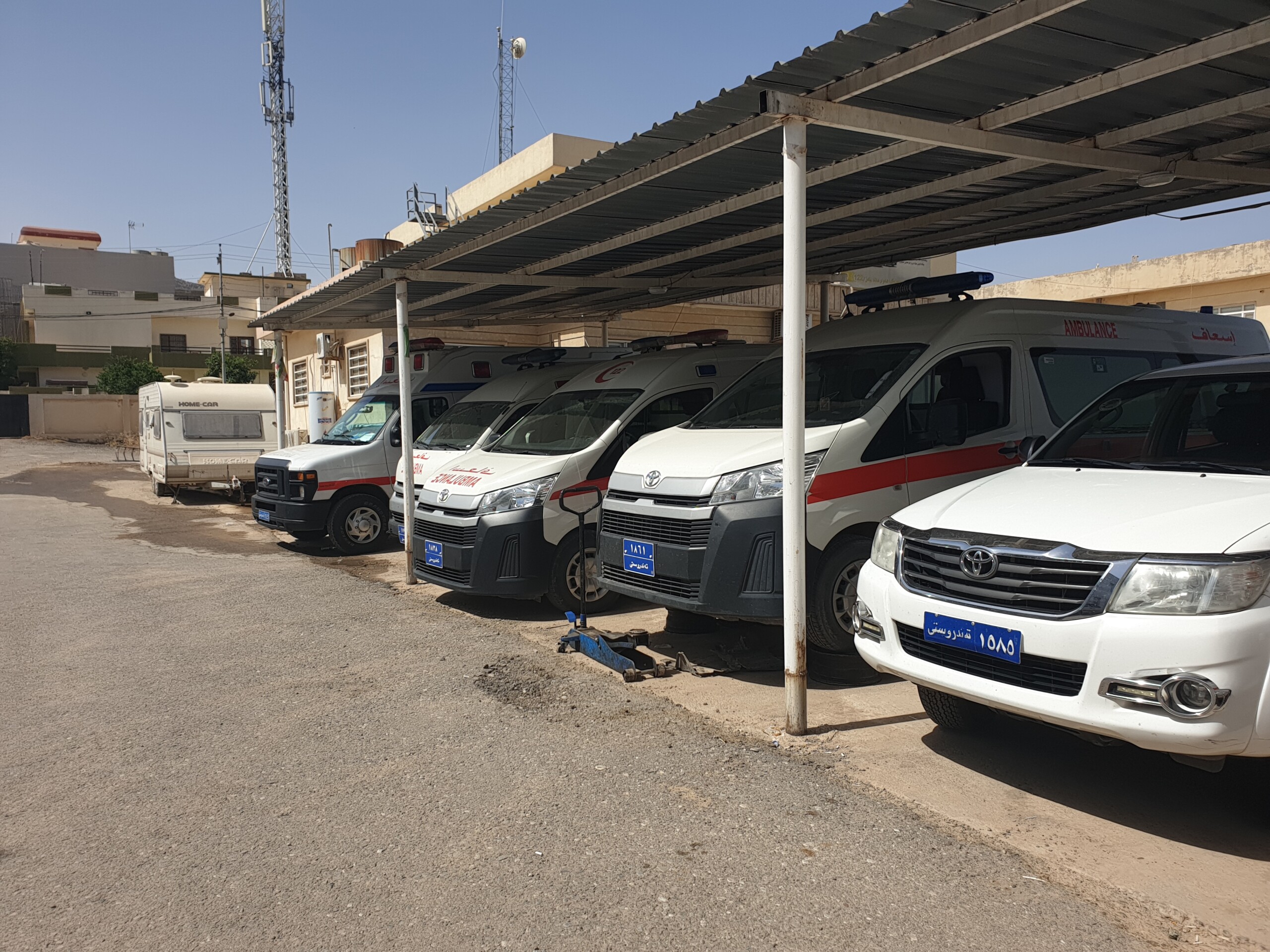
Target country/region: Kurdish region of Iraq, Dohuk
Period: June – October 2022
Brief Description: In order to expand their scope of action, we train the drivers of the Dohuk region in Basic Life Support measures in cooperation with local authorities.
Drivers of ambulances in the Kurdish part of Iraq usually do not receive any medical training and often cannot provide first aid.
Detailed description:
Ambulance drivers in Dohuk, a city in northern Iraq, mostly work solely as drivers. They receive no or very basic medical training, and are are hardly in a position to help the patients they drive. For this reason, they are often dependent on the support of medical professionals during their journeys.
To fill this gap in patient care, we want to train 90 ambulance drivers in the region in Basic Life Support measures.
The project covers a total period of two months and is being carried out in cooperation with the local Directorate of Health. The drivers of the 122 Department, the emergency care department of Dohuk’s Directorate of Health, will receive basic medical training that will enable them to provide first aid to patients. The training includes, in addition to classic first aid measures, the handling of injuries and illnesses typical of the region, the basic use of medical tools and the correct care of wounds. Topics such as hygiene measures and self-protection are also part of the training.
Temporary Aid
The last open border crossing between Turkey and northern Syria is extended for one year, relief supplies can continue to be delivered to the northwest. 3.2 million people can thus be supplied for another 12 months. What happens afterthose 12 months is still uncertain.
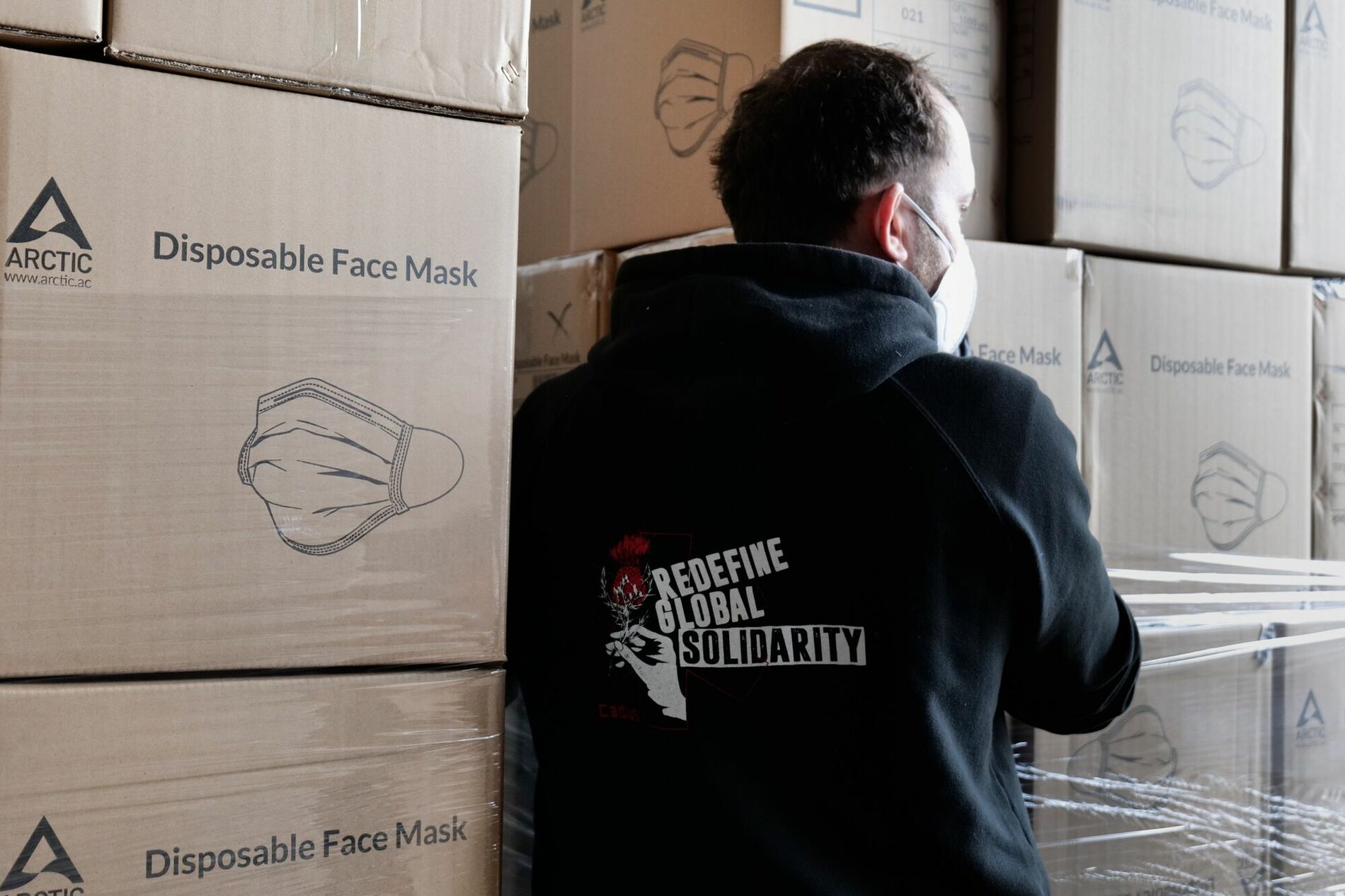
Masken für Europas Grenzen
In einer Zusammenarbeit von CADUS, St. Pauli und Humanilog wurden 1,5 Millionen gespendete, chirurgische Masken an 20 humanitäre Organisationen in Europa verteilt.
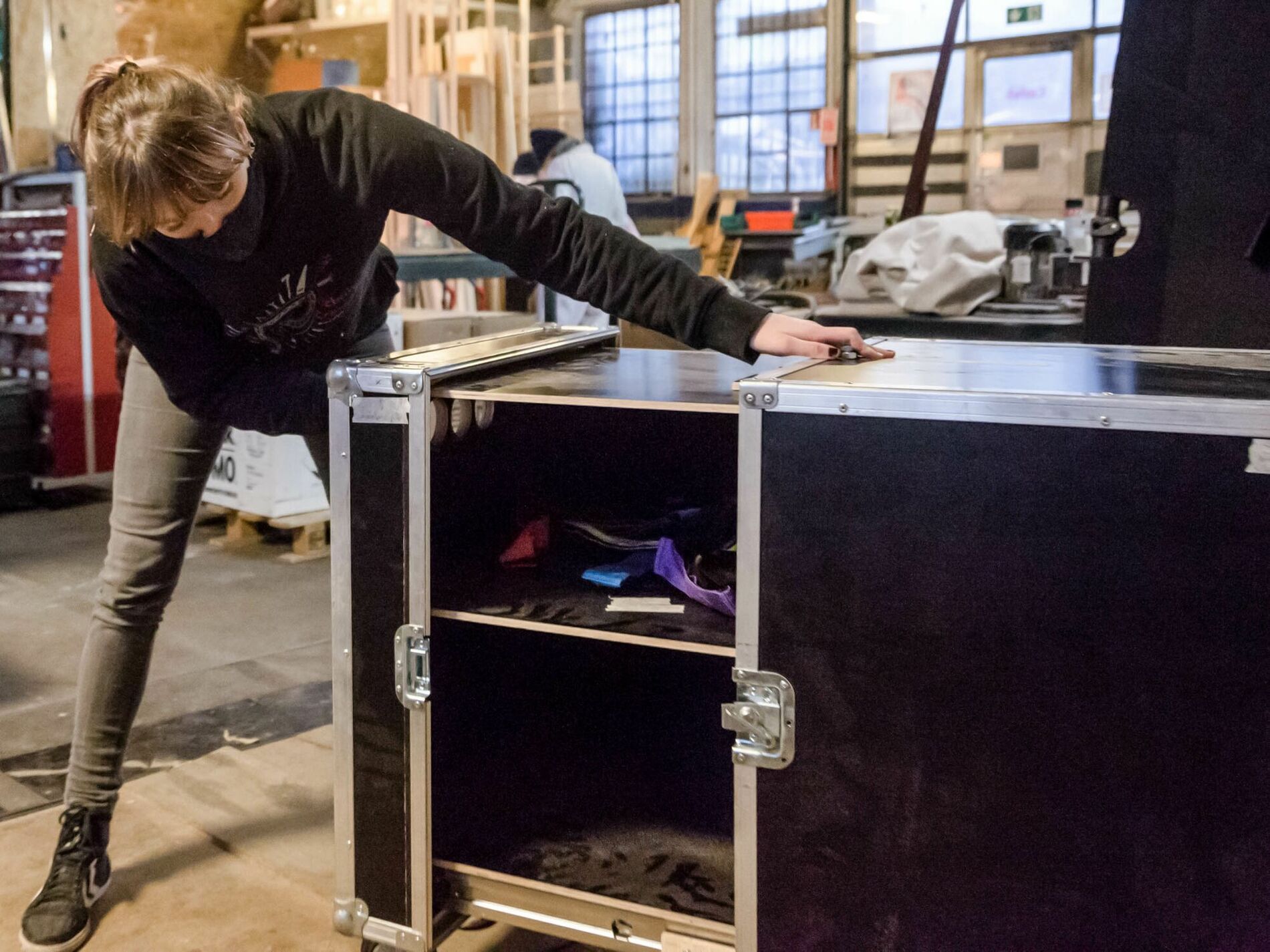
From box to a patient treatment place – developments in our makerspace
The requirements for equipment used in crisis areas are often quite different from those for normal medical equipment. In our Makerspace, we are currently developing various projects needed for missions. Two of our latest builds are a mobile washbasin and a modular treatment stations for patients.