Escalation Israel – Gaza*CADUS reports readiness to WHO
Published on 24. October 2023
from CADUS-PR
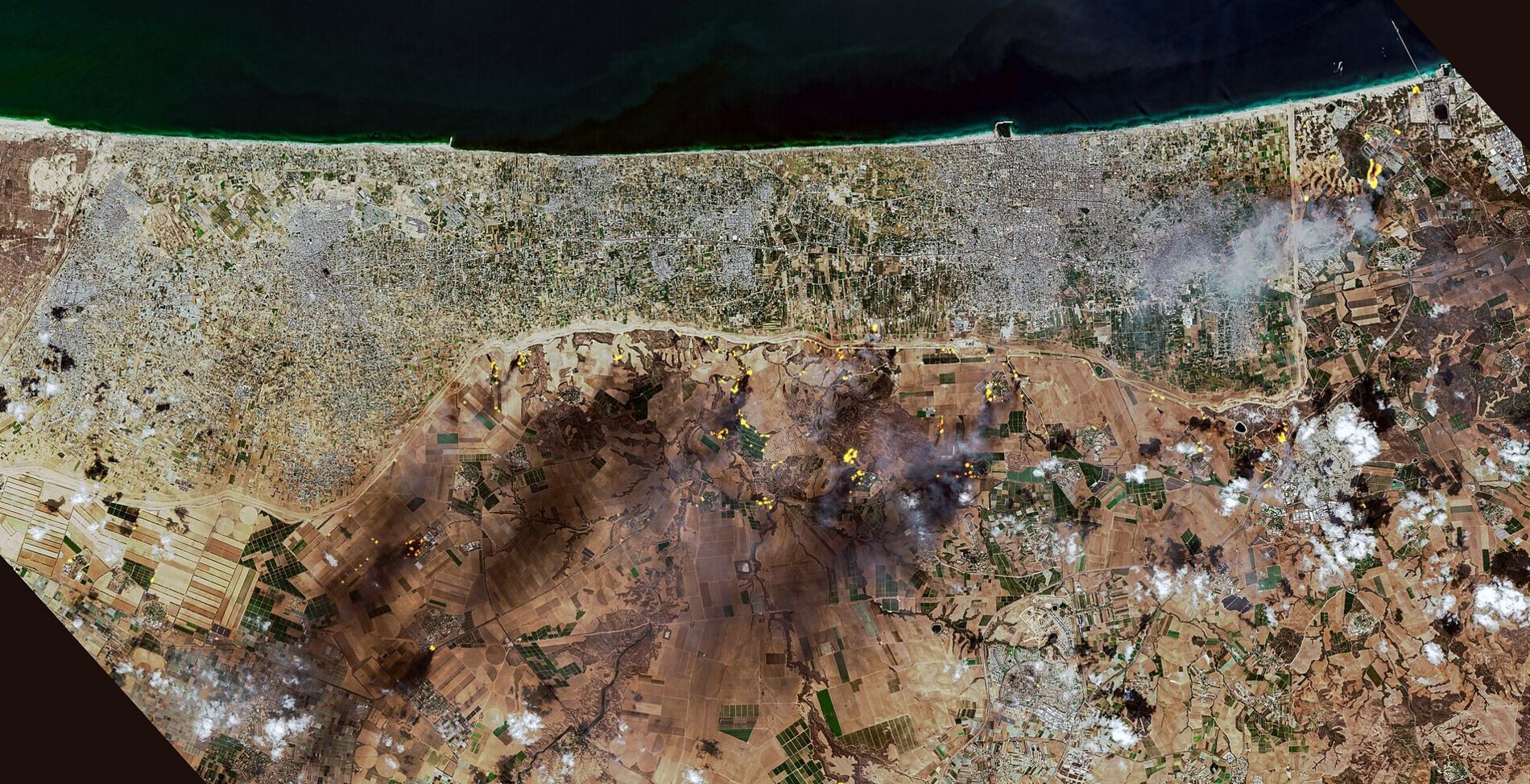
Satellite image Fire in Israel and Gaza Strip October 7, 2023 (Image: Pierre Markuse*)
Following the brutal Hamas attack on Israel and the dramatic deterioration of the humanitarian situation in Gaza as a result of the Israeli counter-offensive, WHO has requested the operational readiness of humanitarian organizations through the Emergency Medical Team (EMT) mechanism. CADUS has responded positively to this request.
The potential area of deployment includes neighboring countries. CADUS is monitoring the situation closely, and is preparing to provide emergency assistance in this latest humanitarian disaster. No easy task: at the moment it is not yet possible for us to gain access to those most in need of medical assistance. They are blocked from escaping the war zone, and humanitarian aid in the Gaza Strip can only be provided by those who were already working there before the current outbreak of war.
Violation of International Humanitarian Law
International humanitarian law states that warring parties must keep harm away from the civilian population as far as possible. Injured persons who are not actively participating in the fighting should be provided with assistance. If the parties to the war cannot ensure this, those affected must be given access to civilian humanitarian care. Due to the closed borders around Gaza and the nature of Hamas’ warfare, which strategically uses the civilian population for its own ends, humanitarian law is clearly being denied here.
Deployment under the WHO EMT Mechanism
The EMT mechanism supports CADUS to be on the ground rapidly as soon as it is possible for those affected to flee the Gaza Strip. We also do not rule out an operation directly in Gaza. The WHO-coordination indents to deploy international medical forces as effectively as possible. In addition, we are in dialogue with our contacts on the ground and are assessing the situation.
Further conflicts and disasters not forgotten
Despite the dramatic developments between Israel and Gaza, we of course remain at the side of our partners in Ukraine. Here, our MEDEVAC and training projects continue, and we are working towards being able to provide technical support again. We also keep a constant eye on the current disasters in Afghanistan, Libya and Morocco, as well as on the situation of those affected by armed conflicts, such as in Northeast Syria and in the conflict over Nagorno-Karabakh.
Even if we are used to the fact that we are not able to help everywhere where it is needed – in view of the news of the last few days, our hearts are burning. But we are focused on keeping a cool head and assessing where we can most wisely use our resources to assist those affected by violence and disasters.
Support us in this project with a donation
* In a previous version, we used the term “occupied Palestinian territory” or oPt for short instead of Gaza. However, since the Gaza Strip has is no longer considered occupied since 2005, we have decided to use “Gaza”.
** Image: Pierre Markuse – Fires in Israel and the Gaza strip – 7 October 2023, no changes made, Published under CC BY 2.0, Source.
Published
Author: by Corinna Schäfer
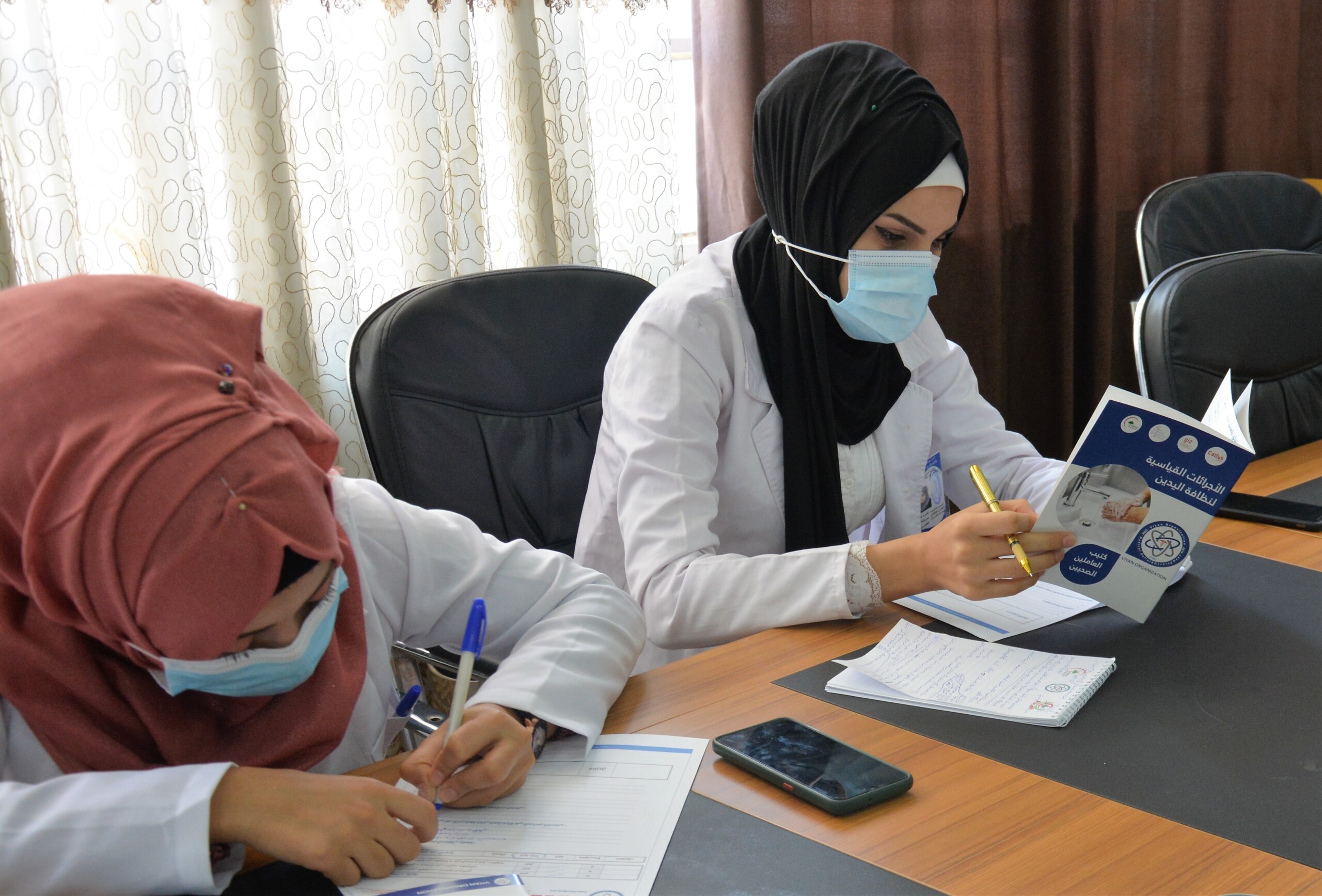
Infection prevention in Iraq
Target country/region: Irak Period: März 2021 bis April 2022 In the teaching hospital Ibn Sina in Mossul we work together with Viyan to offer trainings in infection prevention.
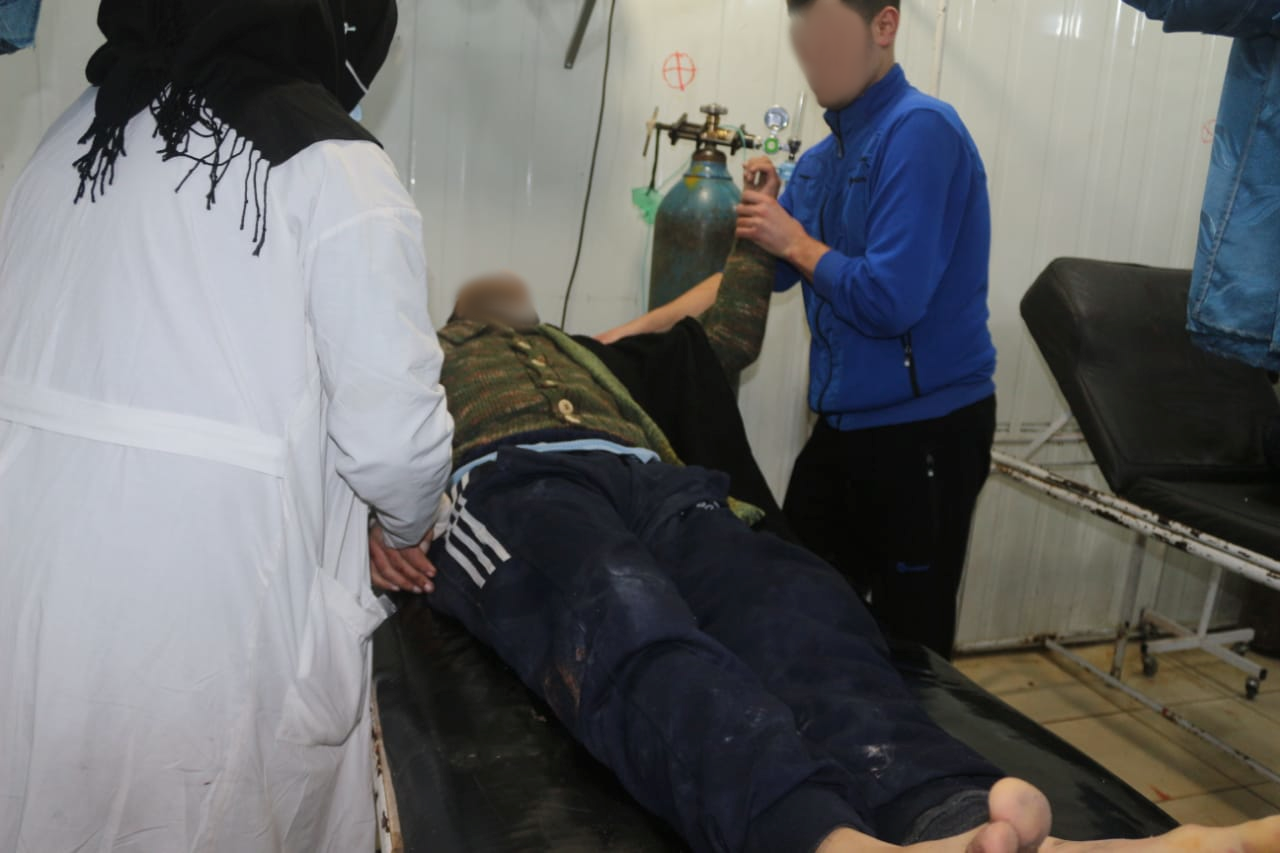
Severe earthquake in northern Syria and Turkey: CADUS supports the Kurdish Red Crescent Emergency Response.
Early on Monday morning, a severe earthquake with a magnitude of 7.8 shook the region on the border between Syria and Turkey. Further strong quakes followed in the course of the day. By the afternoon, more than 2,000 people had already been counted dead, and tens of thousands more are directly affected by the disaster. CADUS ...
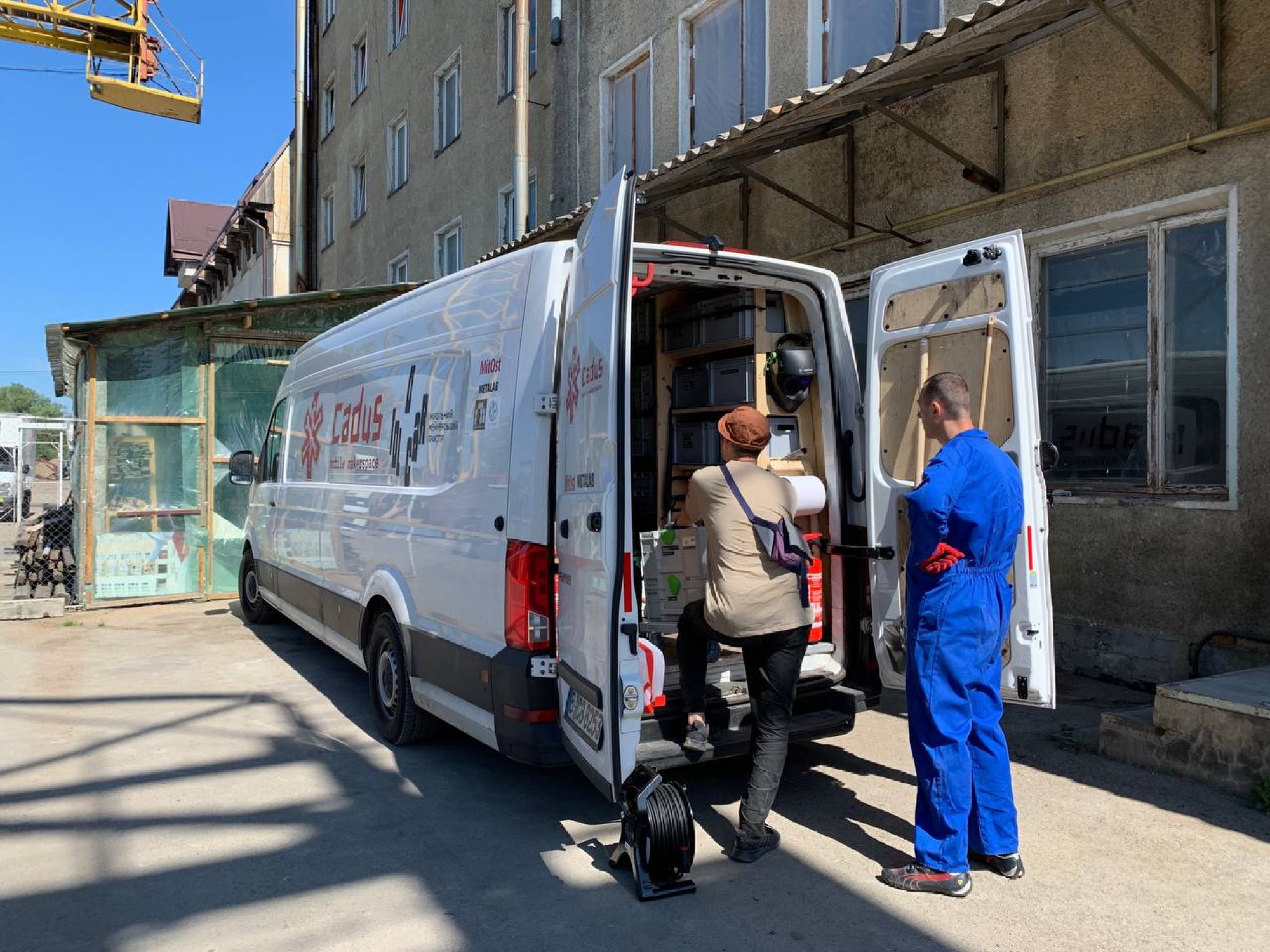
Mobile Crisis Response Makerspace Ukraine
Target country/region: Ukraine Period: from May 2022 A mobile makerspace, equipped with tools, consumables, and artisans, supports local partner organizations in Ukraine to find solutions to the many infrastructural problems brought about by Russia's war of aggression.