Field hospital al-Hol Camp
Published on 25. September 2023
from CADUS-PR
field-hospital-feature-share207
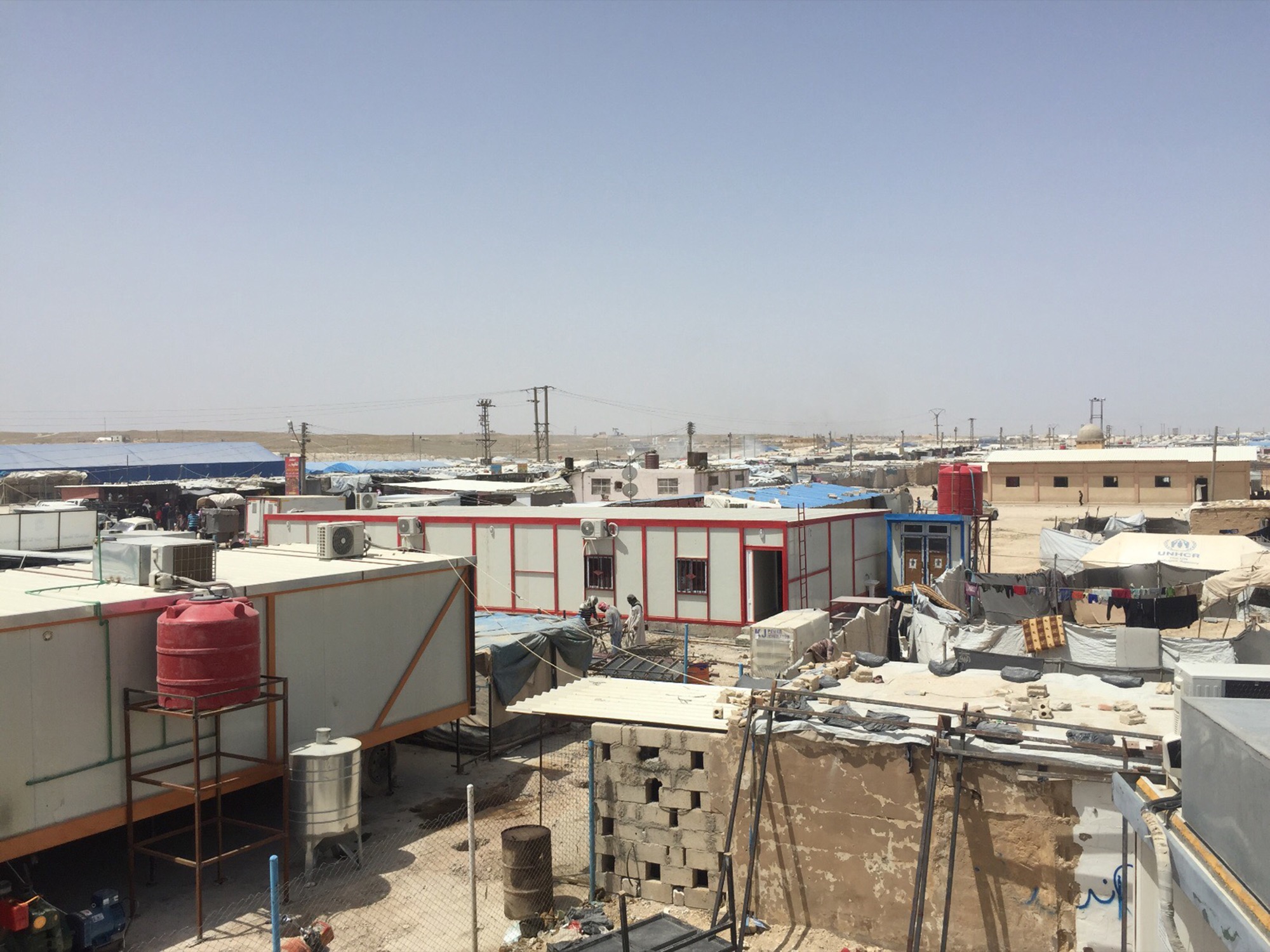
Due to the desolate supply situation in the refugee camp al-Hol in northeastern Syria, housing approx. 70,000 people, we operate a field hospital there.
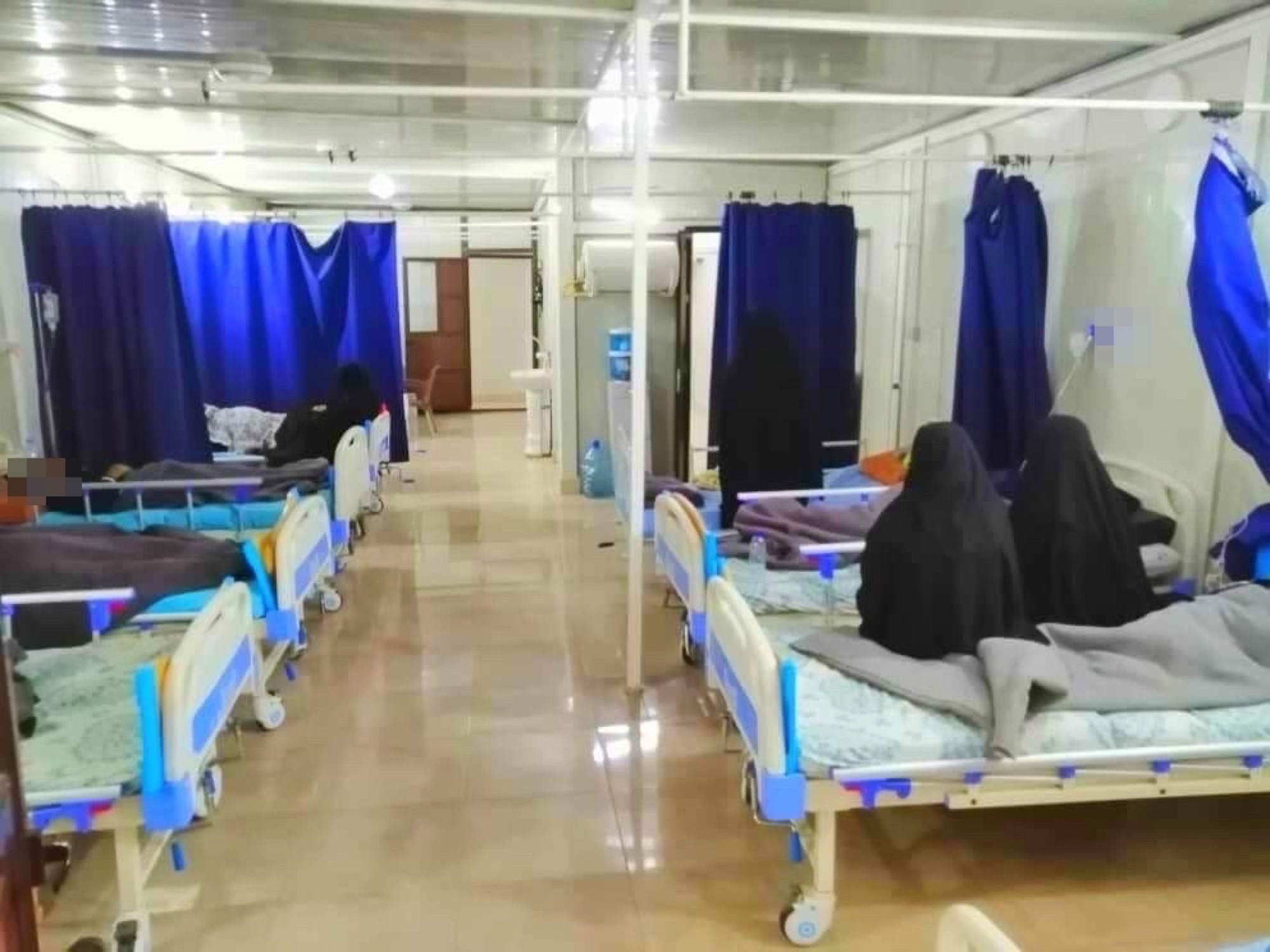
Our hospital offers:
- 30 beds
- Intensive care unit with 2 beds
- Isolation ward with 2 beds
- Surgeries under general anesthesia (including many orthopedic surgeries to treat old fractures of people who did not have access to professional medical care)
- Patient admission 24/7, with a doctor present at all times
- X-ray
In addition to the field hospital, we have been able to greatly improve the coordination of medical facilities within the camp and with hospitals in the surrounding area by establishing an emergency call center. Patients are thus treated more quickly at the appropriate health center.
We also carry out daily water checks in the hospital and in other parts of the camp.
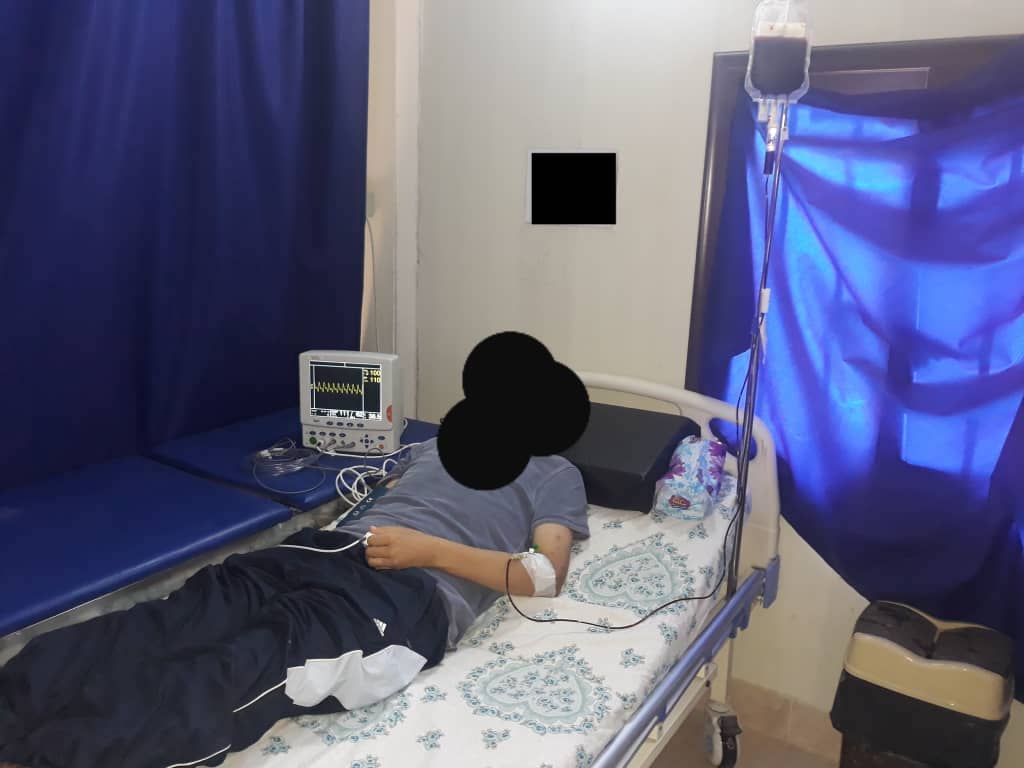
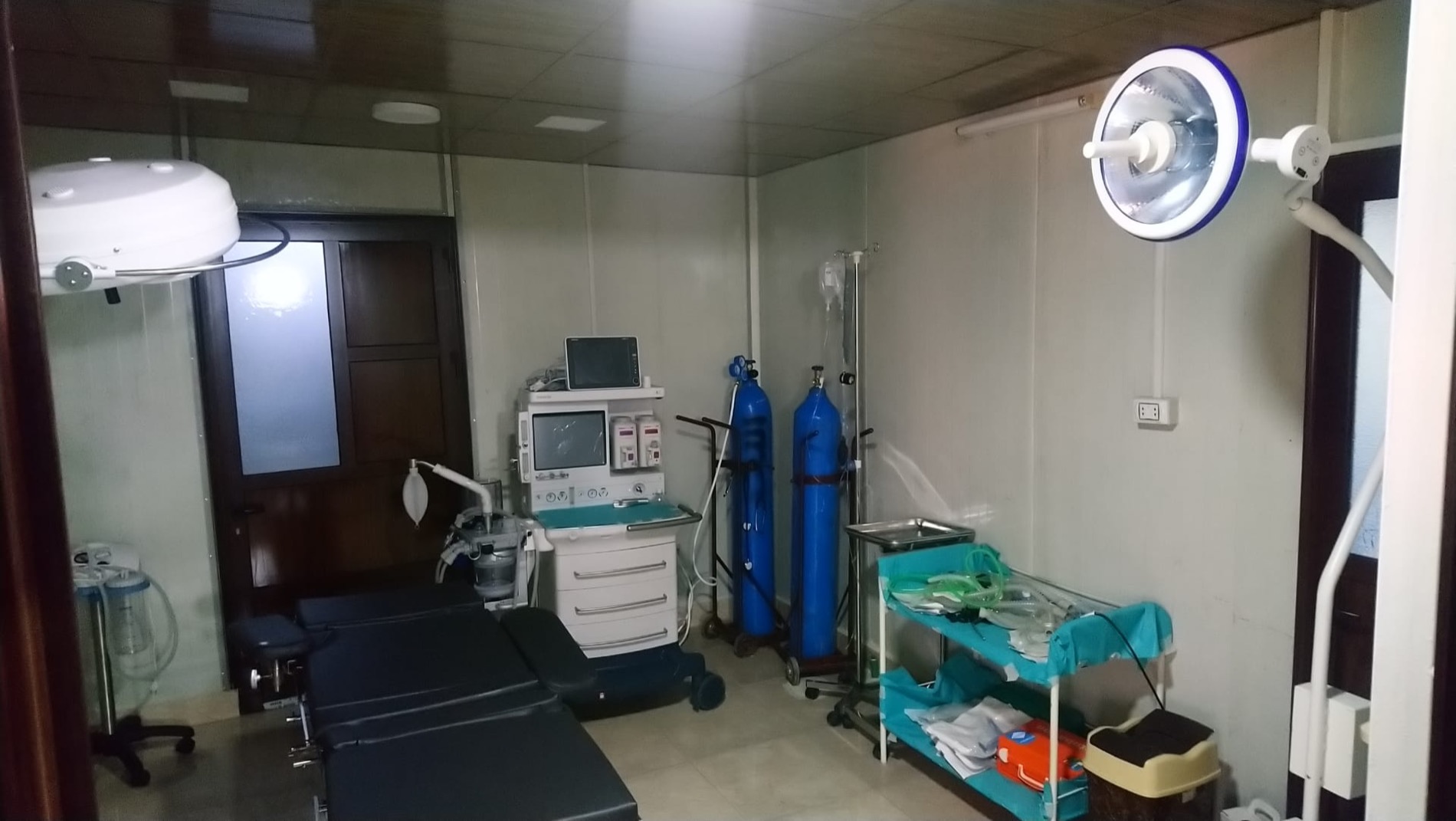
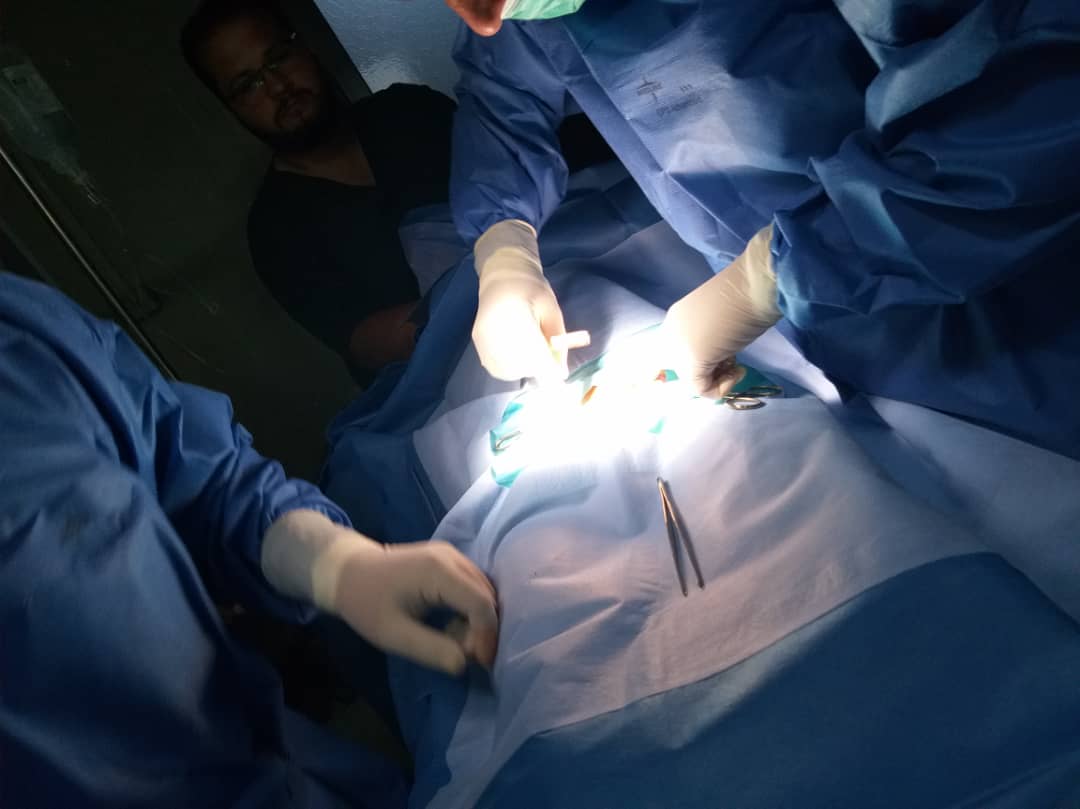
Background: medical care for over 60,000 people.
During the fighting against the last remnants of the so-called Islamic State (IS) in northeastern Syria, the number of refugees in Camp al-Hol has grown rapidly from 10,000 to approximately 73,000 people. To supply that many refugees, the equivalent to the population of a medium-sized German city, has overburdened all local structures and created tensions within the camp. The accommodation of IS members and supporters in the annex of the camp causes additional conflicts. Attacks on aid workers have also been reported.
Providing medical care to such a large number of people in so little time is difficult enough, but the majority of the population of this “city” is also in poor health. Years of insufficient care under the rule of IS and the consequences of the fighting have left their mark. The refugees are malnourished and exhausted, infant mortality was initially high, and many have not been able to see a doctor for years.
In these situations, effective cooperation between local and international aid organizations is enormously important. One of our principles is the close cooperation with local organizations. On the other hand, we stand resolutely against competition and rivalry among international aid organizations. In the case of medical support in al-Hol, we were able to put these two guidelines into practice. When our local partner organization, the Kurdish Red Crescent, requested support, it was necessary to act quickly. Together with other international humanitarian organizations such as Medico International, we were able to support our partner organization in setting up the field hospital. In the process, we took over the operation of the hospital completely.
The climate catastrophe as the greatest challenge for humanitarian aid
What impact does the climate catastrophe have on humanitarian aid? What can and must humanitarian actors prepare for and how must they adapt in order to counter the consequences of the climate catastrophe?
The future of humanitarian aid
Writing a text about the future of humanitarian aid. My first impulse: this is going to be a gloomy text. The present of humanitarian aid leaves little room for optimism. Wars continue, people are dying in Sudan unnoticed by the
How AI Is Changing Humanitarian Aid: Risks and Opportunities
I’ve spent enough nights under mosquito nets and sat through long, often circular UN coordination meetings to know this: if we want to reach people in crisis faster, with less waste, and without burning out the sector, we can’t