One Year Battle of Mosul – One Year TSP
Published on 12. August 2018
from CADUS-PR
one-year-battle-of-mosul-one-year-tsp-feature-Auswahl22028720von201729-d9002f29
In the summer of 2017, the reconquest of Mosul made headlines worldwide. A humanitarian disaster was in full swing, when we arrived there with our teams. A retrospection with insights from our blog.
The Battle of Mosul – the Iraqi army, supported by US-led coalition forces, had begun recapturing the inofficial capital of the so-called Islamic State (IS) in Iraq. The campaign included massive aerial bombardments of the old city and house-to-house fighting. IS would shoot at fleeing civilians, use them as human shields, litter the city with booby traps and even shell rescuers. For the about 100.000 people who were remaining in Mosul, the situation was perilous. There was no medical care and the enduring siege of the city left its population starving.
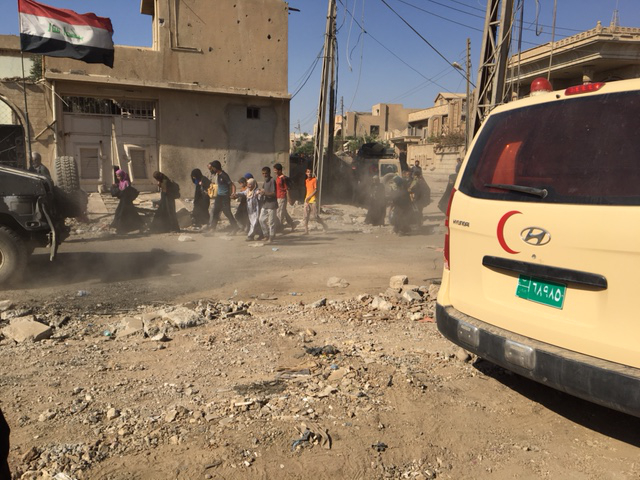
Inhabitants are fleeing from the constant shelling of the old city into the east of Mosul. Photo: CADUS
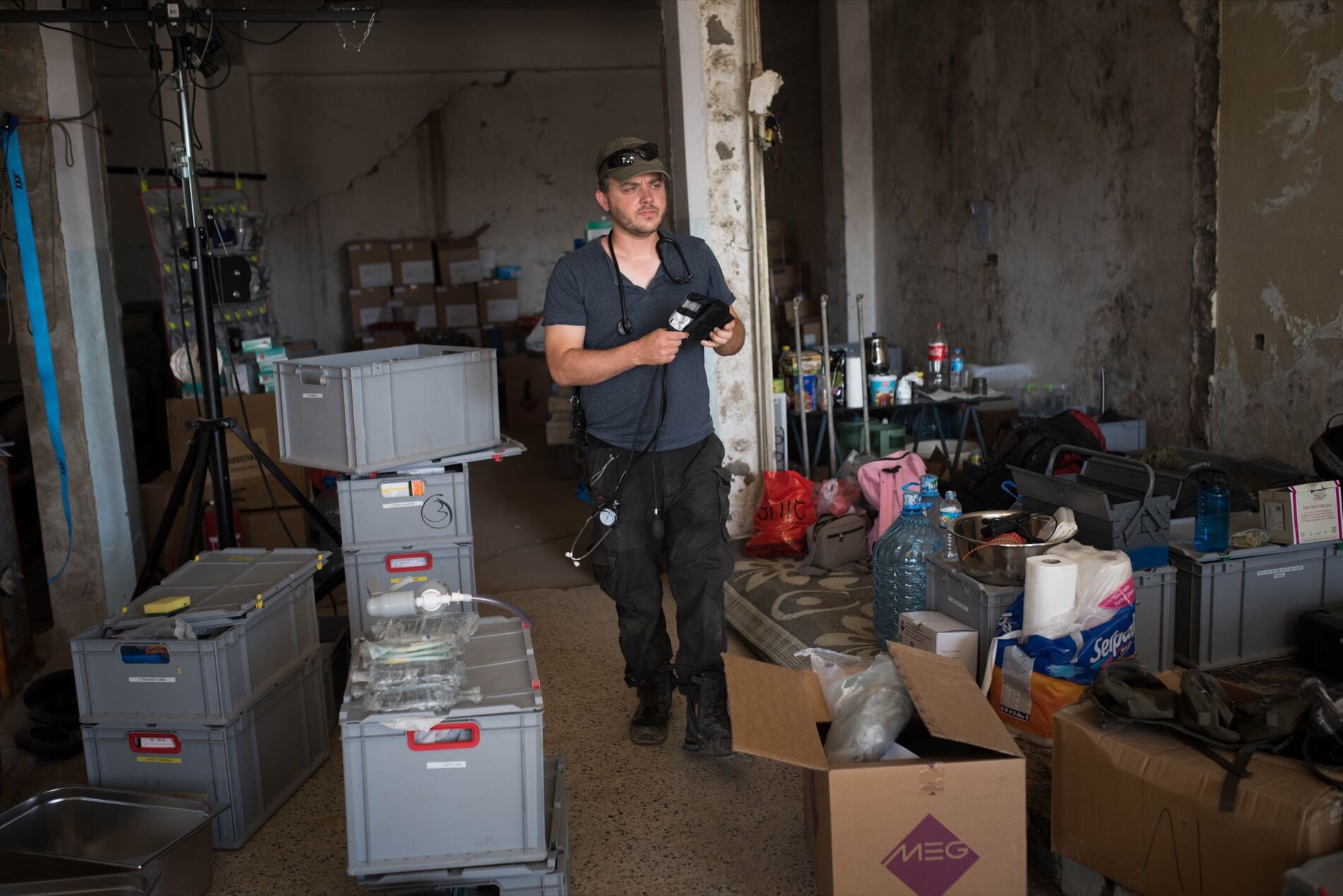
The way for our Mobile Hospital into Syria was blocked as the borders were closed, but we had the necessary personnel and supplies in order to provide aid to the people of Mosul. For this reason, we decided to set up a Trauma Stabilisation Point (TSP) in Iraq. TSPs are located in a short distance behind the frontlines and are the first place of refuge for injured persons. There, they are provided first aid and being stabilised to enable transportation into safe hospitals. This way, the patients' chances of survival are increased enormously.
During three weeks in Mosul in June/July 2017, we have treated hundreds of people. We helped elderly people and children, soldiers and IS fighters. There were cases of all kinds, from malnourishment, old injuries and broken bones to wounds caused by gunshots and explosions. Some, we sadly couldn't help anymore. It was a very hard time for our teams, physically as well as emotionally. Also, the mission in a warzone was anything but safe. It was a calculated risk, but one never to be underestimated in a situation where IS sleeper cells could strike even in areas declared „safe“ by the military before. But in the end, the joy of our crew members about being able to help hundreds prevailed.
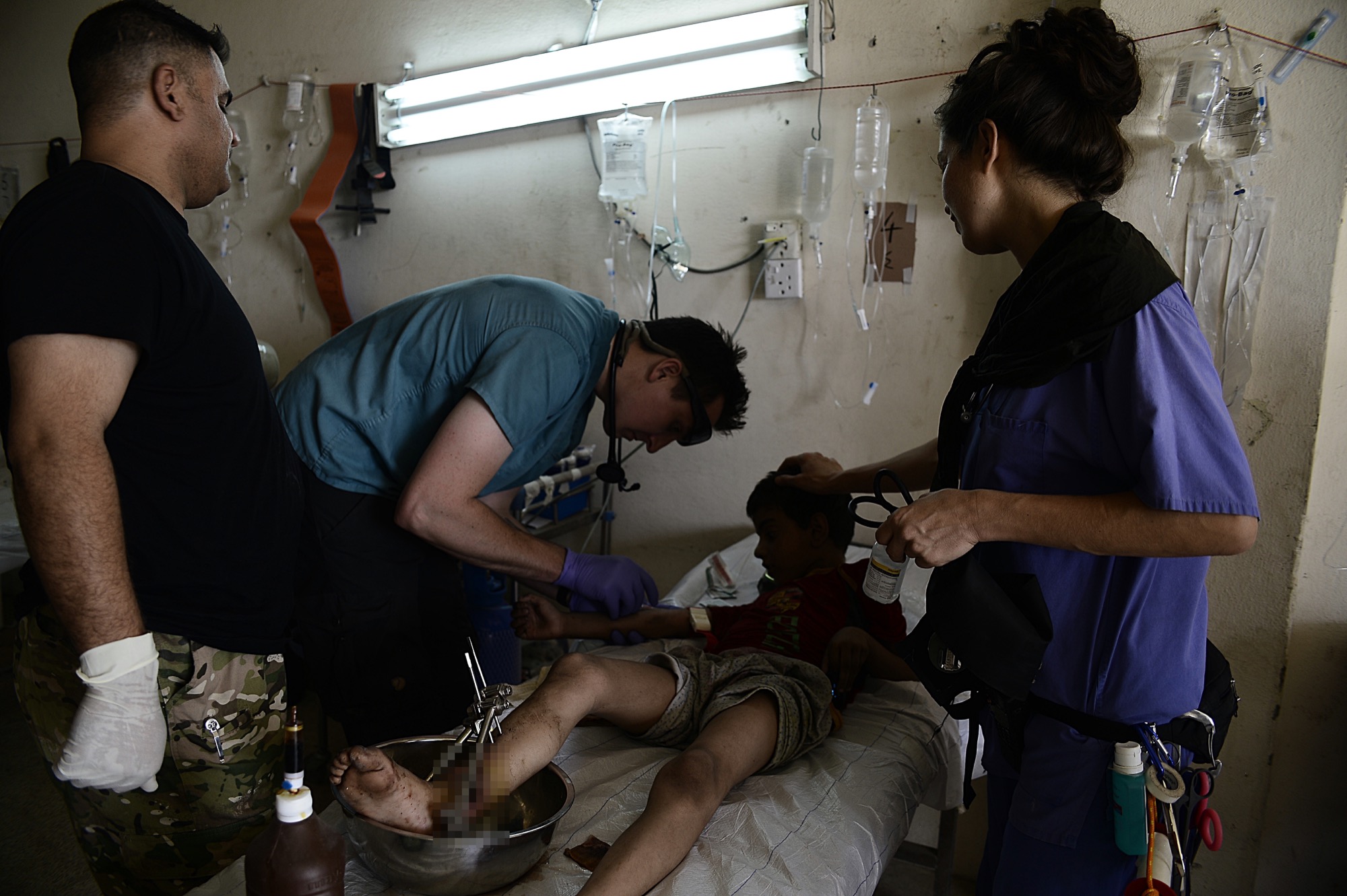 A little boy with a leg injury is being treated by Ryan and Elisa. Photo: Kenny Karpov
After the emergency response in Mosul, the mission continued in rural areas of Iraq – Anbar, Tal Afar and Hawija – until October. After years of undersupply under IS rule, the people there were in need of help badly. The inceasing tensions between the Iraqi central government and the Kurdish regional government in northern Iraq weren't exactly helpful either.
In spite of all dangers and obstacles, we still consider our mission in Iraq to be justified and important. We were able to help hundres of people at least for a moment, and we definitely saved many lives.
For our young organisation this mission was a turning point which challenged us and made us grow. Two things remain sure: 1. We will continue helping people in need and 2. war will always suck!
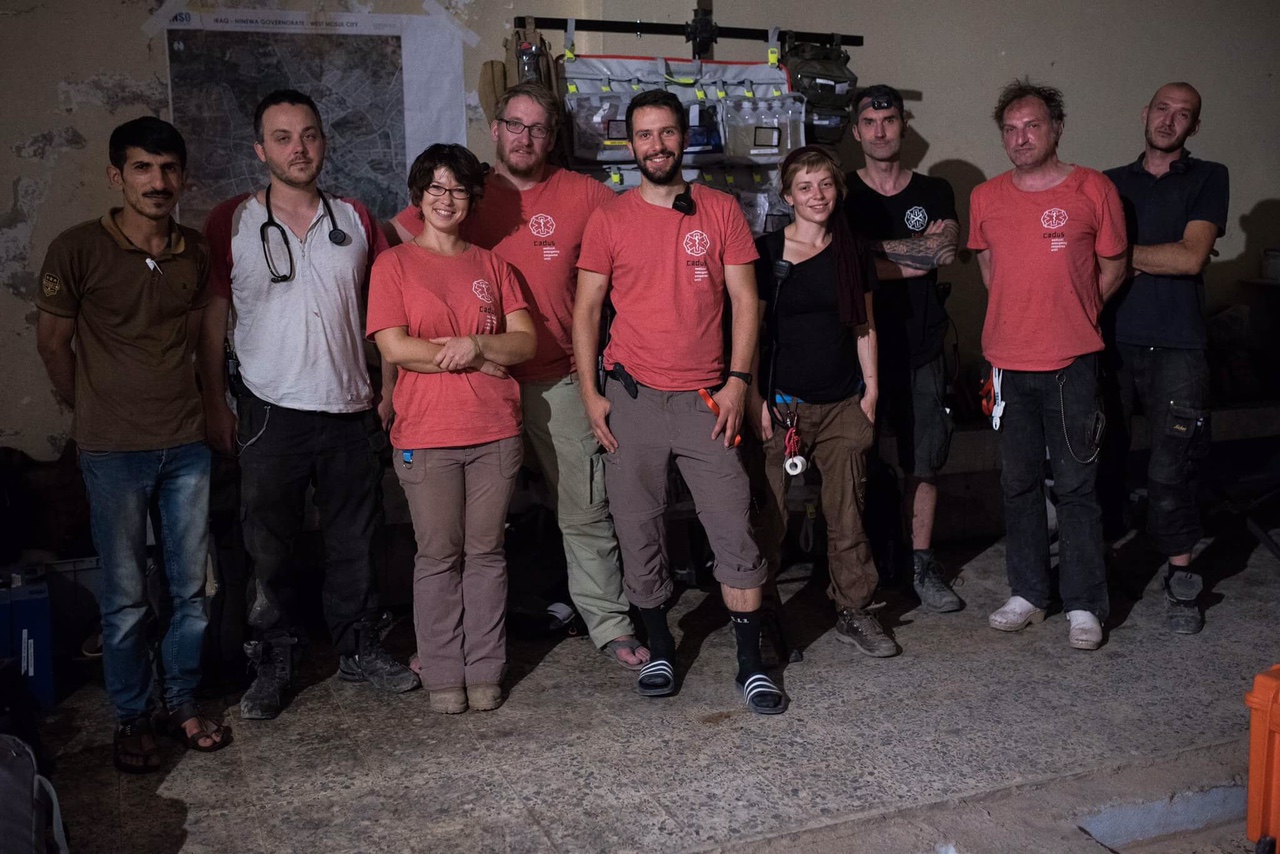 Our first team in Mosul, exhausted but happy. Photo: CADUS
Published
Author: by Jonas Grünwald
Syrien zwischen Covid und Caesar Act
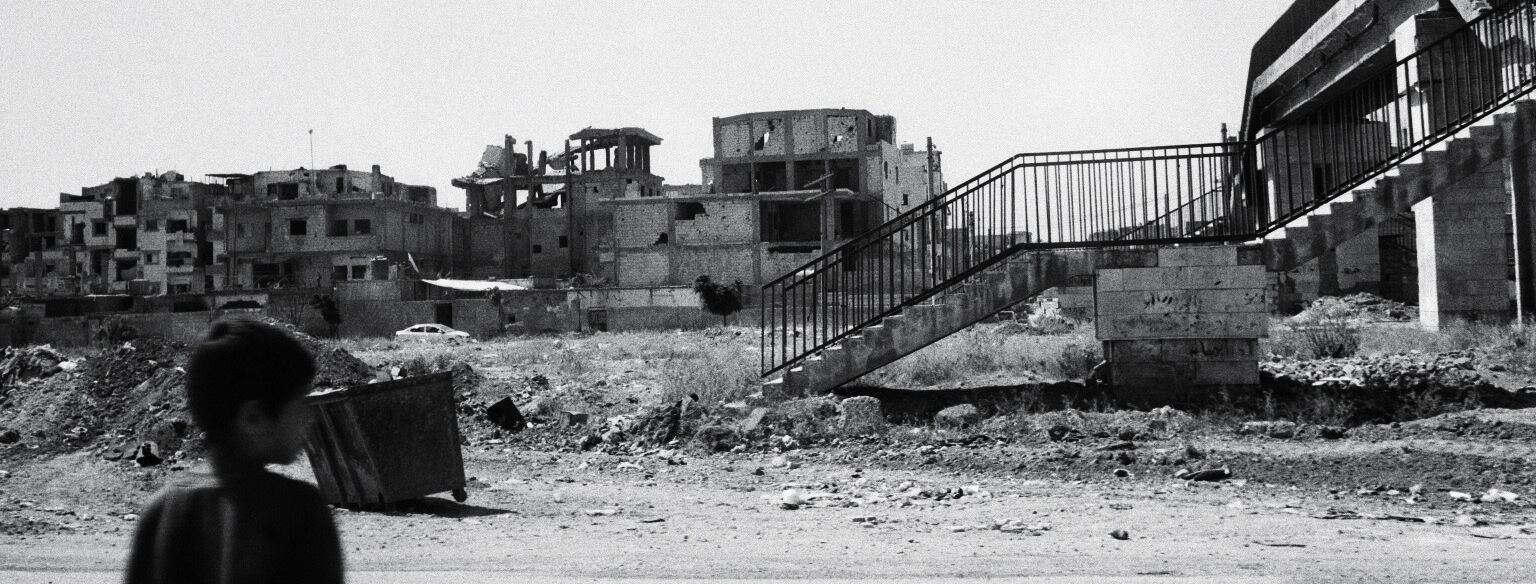
Korruption und Krankheit gehen in einem Land selten gut einher, vor Allem dann nicht, wenn zusätzlich ein brutaler Bürgerkrieg tobt. Ein Bürgerkrieg, der in fast allen Landesteilen unglaubliche Zerstörung hinterlassen hat, in dem Bashar al-Assad unliebsame Bevölkerungsteile durch Aushungern und Angriffen mit chemischen …
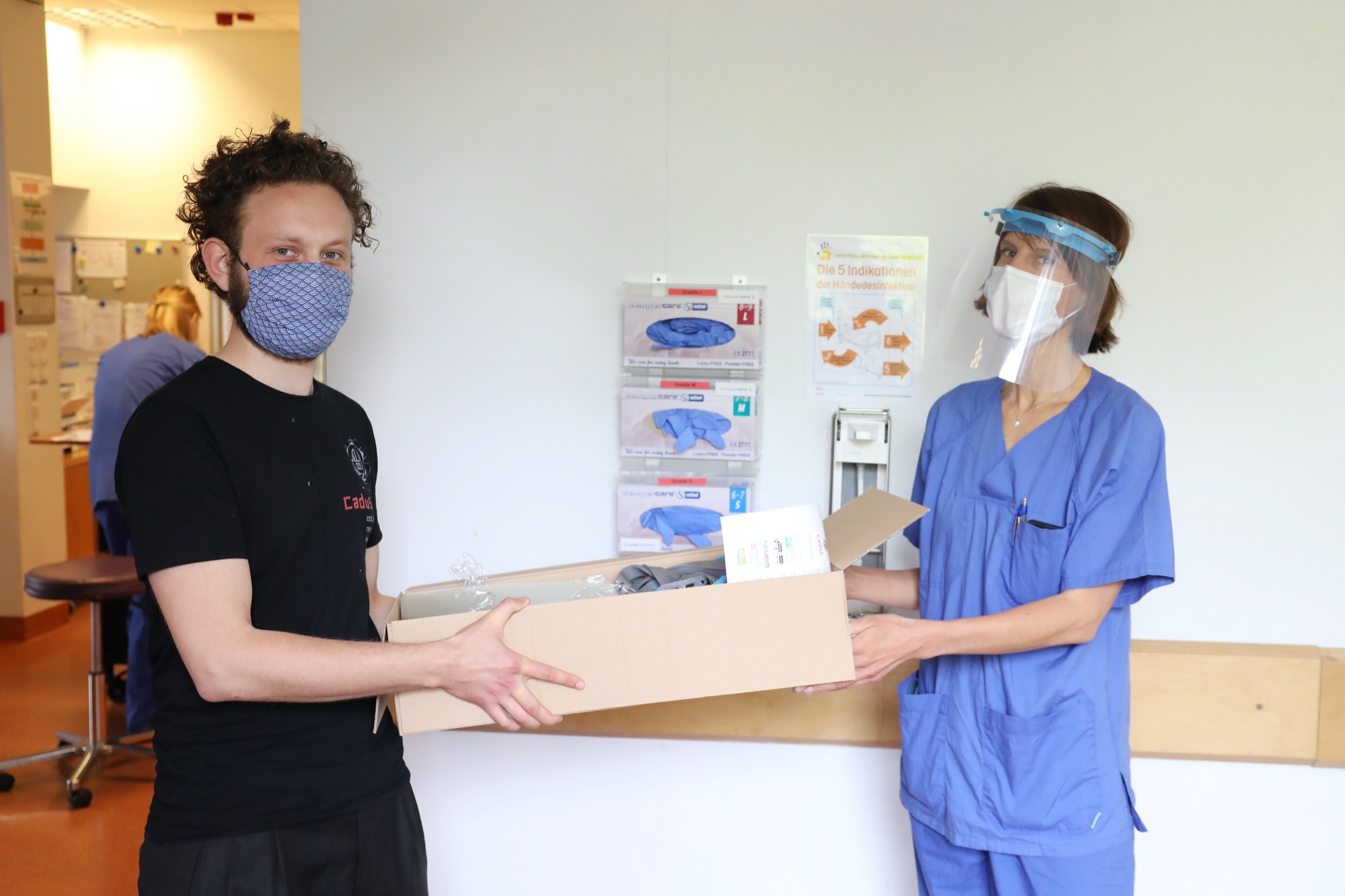
COVID-19 Response: Face Visors
Region: Berlin, Brandenburg, Brazil Period: April - July 2020 Right at the beginning of the Corona pandemic, we joined forces with various open workshops in Brandenburg and Berlin and set up a logistics center at the CADUS Crisis Response Makerspace to coordinate the regional distribution of face visors.
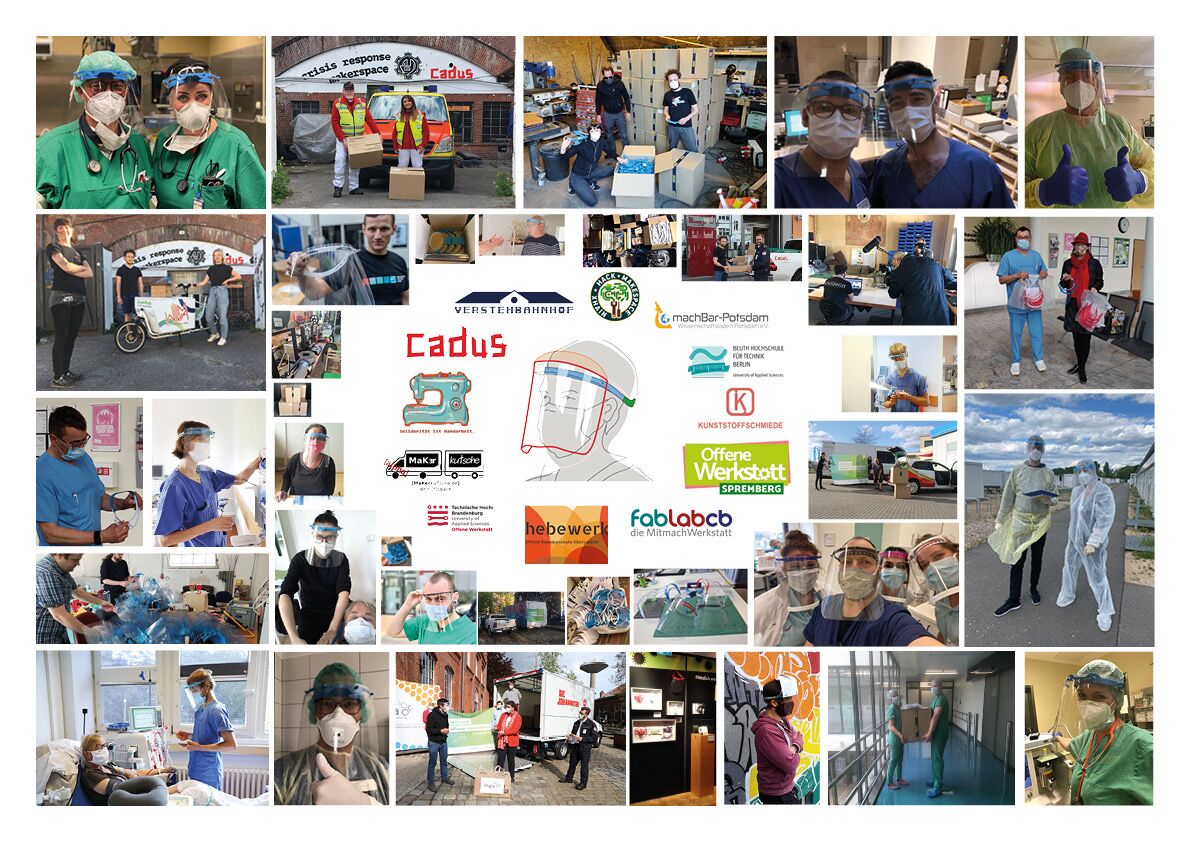
network face shield: an interim report
When the pandemic really started, we at CADUS were faced with a situation that was unusual for our circumstances: a crisis right on our doorstep, for which there were hardly any recommendations for action in the world of humanitarian aid that we could have based on. Through our Crisis Response Makerspace we were …