network face shield: an interim report
Published on 31. July 2020
from CADUS-PR
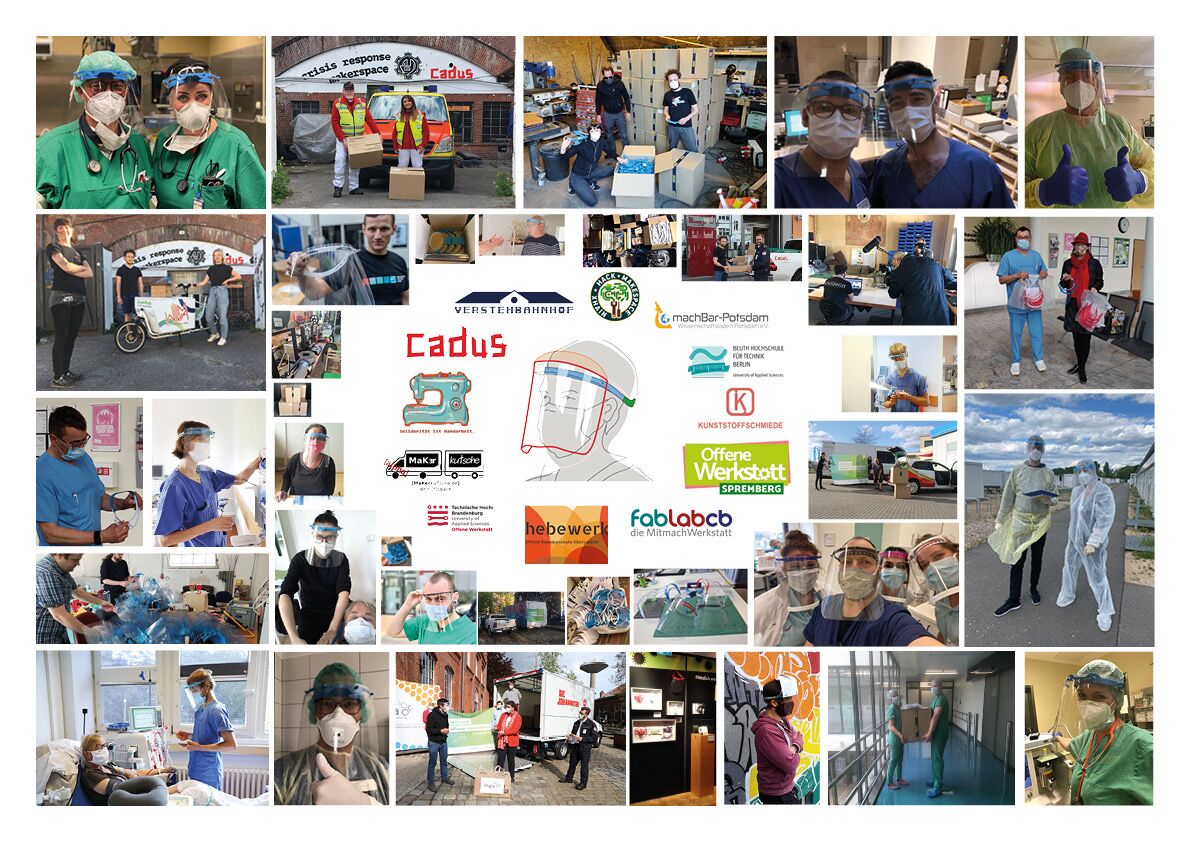
network-face-shield-an-interim-report-feature-collage-109b7e78
When the pandemic really started, we at CADUS were faced with a situation that was unusual for our circumstances: a crisis right on our doorstep, for which there were hardly any recommendations for action in the world of humanitarian aid that we could have based on. Innovation and flexibility were required here and constant adaptation to the latest developments. Through our Crisis Response Makerspace we were connected to exactly the people who are needed in such a situation.
The community of makers in Brandenburg and Berlin quickly developed a solution that can counteract the lack of protective materials against the new corona virus: the face shield initiative was created through the cooperation of various maker spaces and open workshops. Time for a review of what we have been able to achieve together since March 2020.
A statistic of help that is impressive
Thanks to the cooperation of the maker initiative with supportive companies, 25,000 shields were produced and almost all of them were distributed in Berlin and Brandenburg, as well as across Germany and internationally. Sewers made 1,600 makeshift masks by hand, which were also distributed via the network. The report of the temporary mask production, masken.berlin, draws a positive conclusion: “In a few weeks we developed an infrastructure that handles production, transport and distribution, and constantly adapted and improved it to our requirements”.
The recipients of the face shields were mainly doctors, hospital staff, aid organizations, facilities for homeless people, accommodation for refugees and women’s shelters. The project was financed through material donations from the producers, fundraisers and donations from the recipients. A successful fundraiser called “Friendly Distancing” by the charity live stream “Friendly Fire” on the platform Twitch enabled us to provide financial support in addition to our logistical support.
The project has shown how well civil society and voluntary organizations can work together, where economic and governmental organizations do not act quickly enough or have other priorities. Even if the situation is currently easing somewhat and the requests for face shields have declined: the network strengthened by the successful cooperation is ready in the event of a renewed sharp increase in infections and the associated need for material to prevent COVID -19 production and distribution to start up again.
We thank the network of the face shield initiative for the great cooperation and are pleased that we have received so much positive feedback from the recipients of the shields.
Published
Author: by Jonas Grünwald
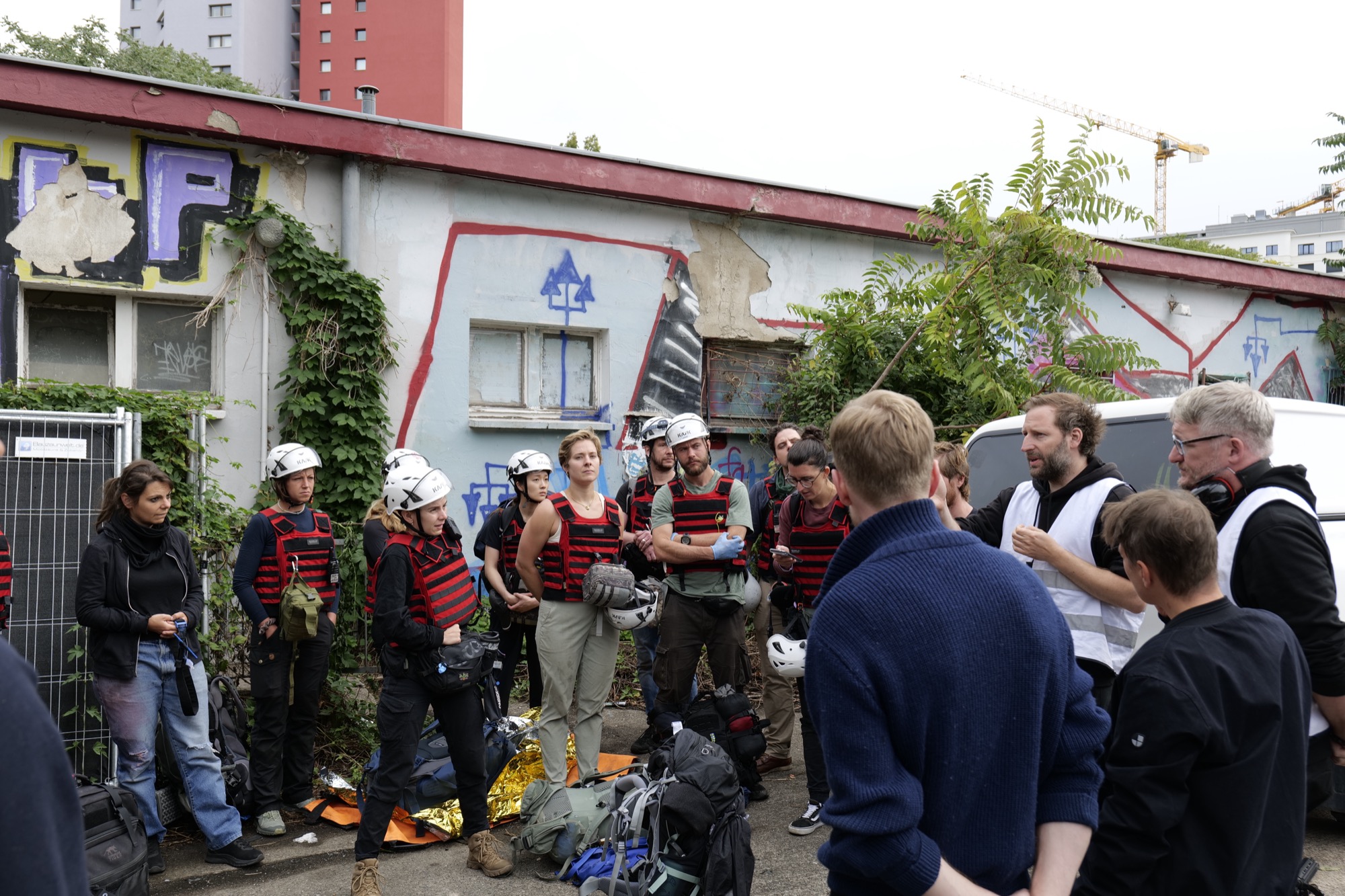
CADUS HEAT
For many organizations, Hostile Environment Awareness Training (HEAT) is part of the preparations for humanitarian missions in war and crisis zones. In this interview with our training team, you’ll learn how these trainings are conducted at CADUS, what participants learn, and what HEAT can actually achieve.
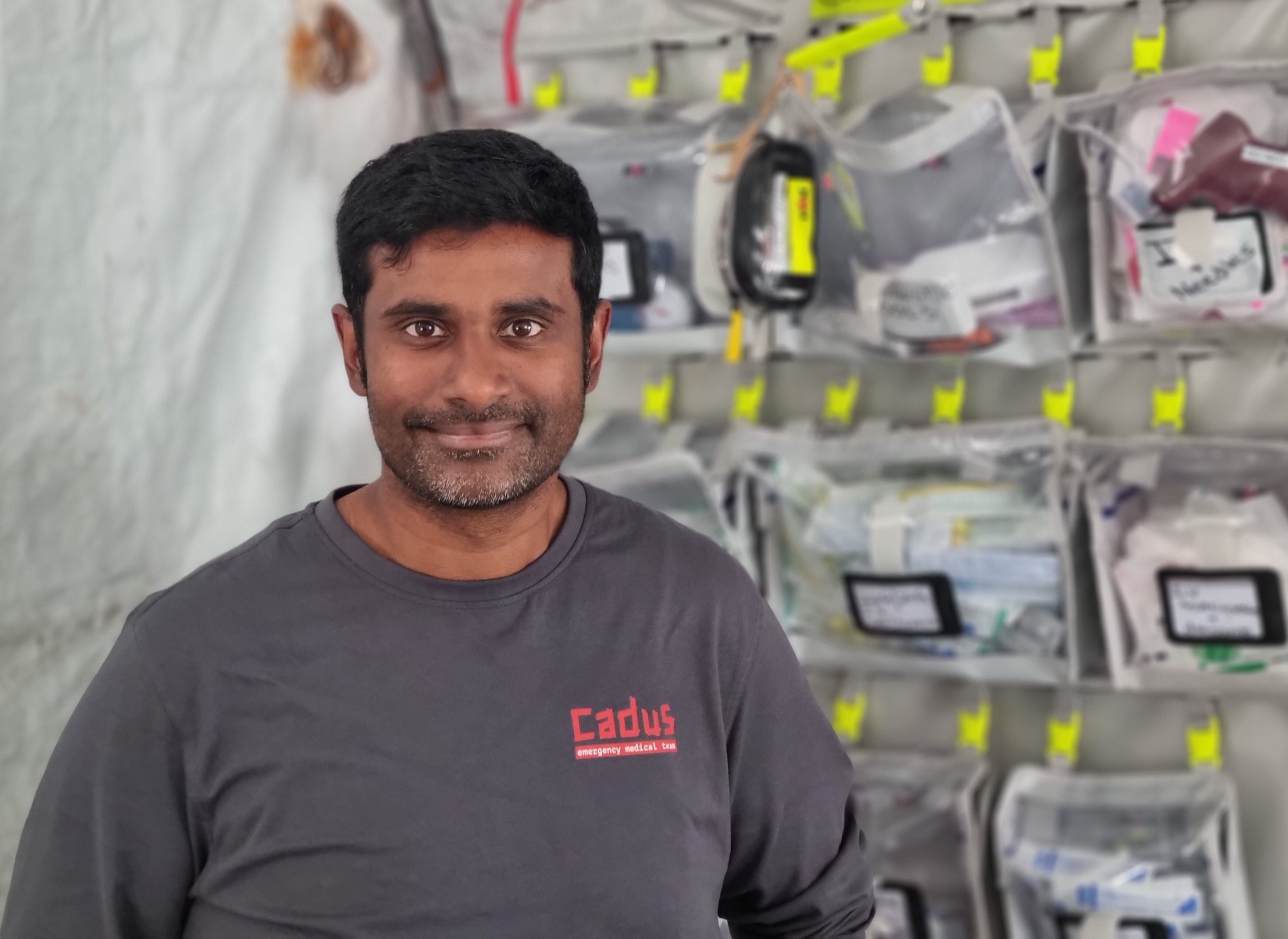
Meet our Team: Dr. Hareen De Silva
There’s almost no place nor community on earth too remote for our colleague and general practitioner Dr. Hareen De Silva BEM: From being the only doctor on a remote island, working on engaging and providing healthcare within marginalised communities to now leading the health department at CADUS. In this interview, Hareen shares what impassions him and which goals he has for humanitarian work.
Health and Democracy
The healthcare system in Germany is not in the best shape. But health isn't the only reason we should advocate for it.