The silence of the public
Published on 21. November 2019
from CADUS-PR
the-silence-of-the-public-feature-Evakuierung20220Serekaniye202020Oct2019.-f1c034a8
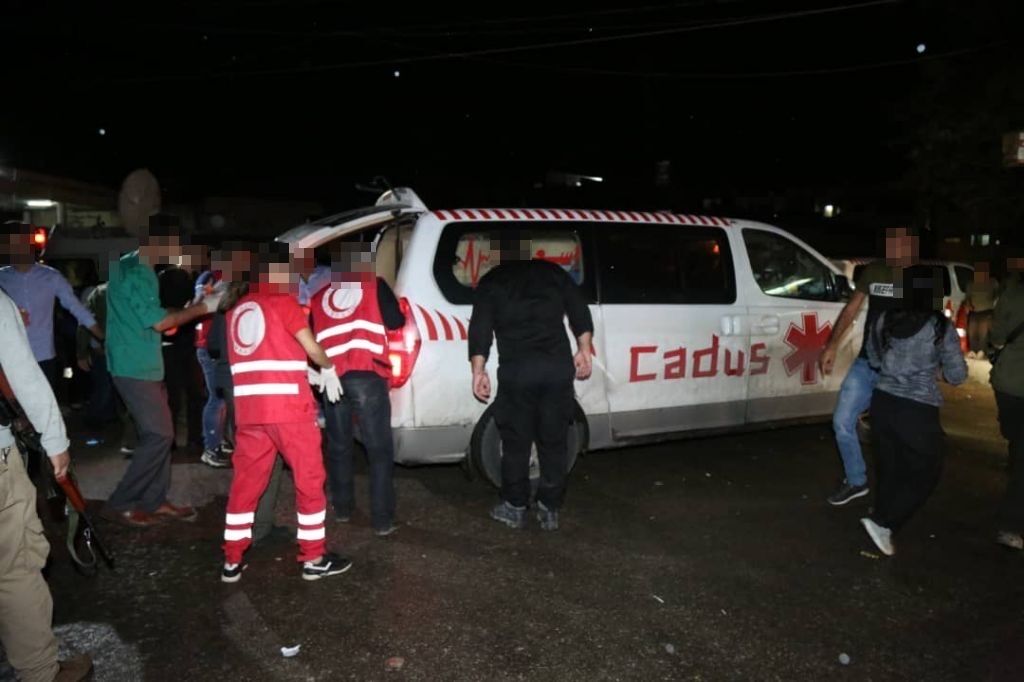
It's been 12 days since one of our ambulances in northeast Syria was shot, both drivers and medic were seriously injured and the vehicle heavily damaged. On Sunday we went out with our press release about it. The echo is, to say the least, restrained. The Guardian reported that the incident was mentioned in a Spiegel Online article. But there was no greater interest, even the fact that we could offer to establish direct interview contact with those affected did not change anything.
In fact, more UN organisations and humanitarian agencies have contacted us than representatives of the press.
Something about it makes us thoughtful.
Limits of humanitarian reporting
On the one hand, of course, there is the question of how we as a humanitarian organisation must prepare information so that it can be perceived at all. And how far we can and want to go. Actually, it is not our job to provide the media with information. The humanitarian principles to which we have committed ourselves require us to act neutrally and universally. This means that information from our side must not be "colored", one-sided or politicizing in any particular direction. On the other hand, we are and work where not many others work anymore, and thus it is also part of our duty to report on human rights violations, to make breaches of international law and the International Humanitarian Law transparent and to demand compliance with these regulations. The fact that we have to "do more" than just provide the information, that we have to do "media work" in order for anyone to be interested, cannot and should not be our task.
The normalized break
On the other hand, and this weighs much heavier for us, the normality that now goes hand in hand with attacks on humanitarian aid workers makes us thoughtful. The normality with which states and state actors can break existing law, disregard basic human and humanitarian rights without leading to significant reactions. Worse still, when organizations such as Sea Watch are actively prevented from their humanitarian work in the Mediterranean, there is even more disgusting applause from sections of the population.
We often find it all so incredibly cynical. While Heiko Maas talks about a ceasefire in north-eastern Syria, our colleagues on the ground are seriously injured…and it is quite possible that the weapons with which they were fired upon are of German production. And while the misinformation about the alleged ceasefire gives Heiko Maas the opportunity to legitimise the continuation of arms exports to Turkey as a major customer, Europe is stopping those fleeing these hostilities with all its might at its external borders.
What remains? Keep going!
In recent days, we have heard several people ask what we intend to do now in the case of the ambulance being fired at and the injured colleagues. Our response may sound boring, inappropriate, too little actionist. But we will simply continue as before. Just carry on, because it needs our work on site right now. Just carry on, because we have passed on the information to the press, and cannot force an interest of the press…and not link the continuation of our work to it. Simply carry on, because we are exploiting all possibilities in an "official" way at state, international and non-governmental organizations, and will continue to do so.
We understand that people find it incomprehensible that we are returning so quickly to "normality". But we would like to remind you that for us the breach of humanitarian law and the disregard of human rights are unfortunately simply everyday normality. The situation for humanitarian aid workers in crisis and war zones has changed and continues to change, and not for the better. Unfortunately, however, this also means that the situation for those affected on the ground is usually many times worse.
That is why this means for us to continue, to support, to inform, even if nobody wants to hear it, and to hope that you will continue to support us so that we can continue our work.
Published
Author: by Jonas Grünwald
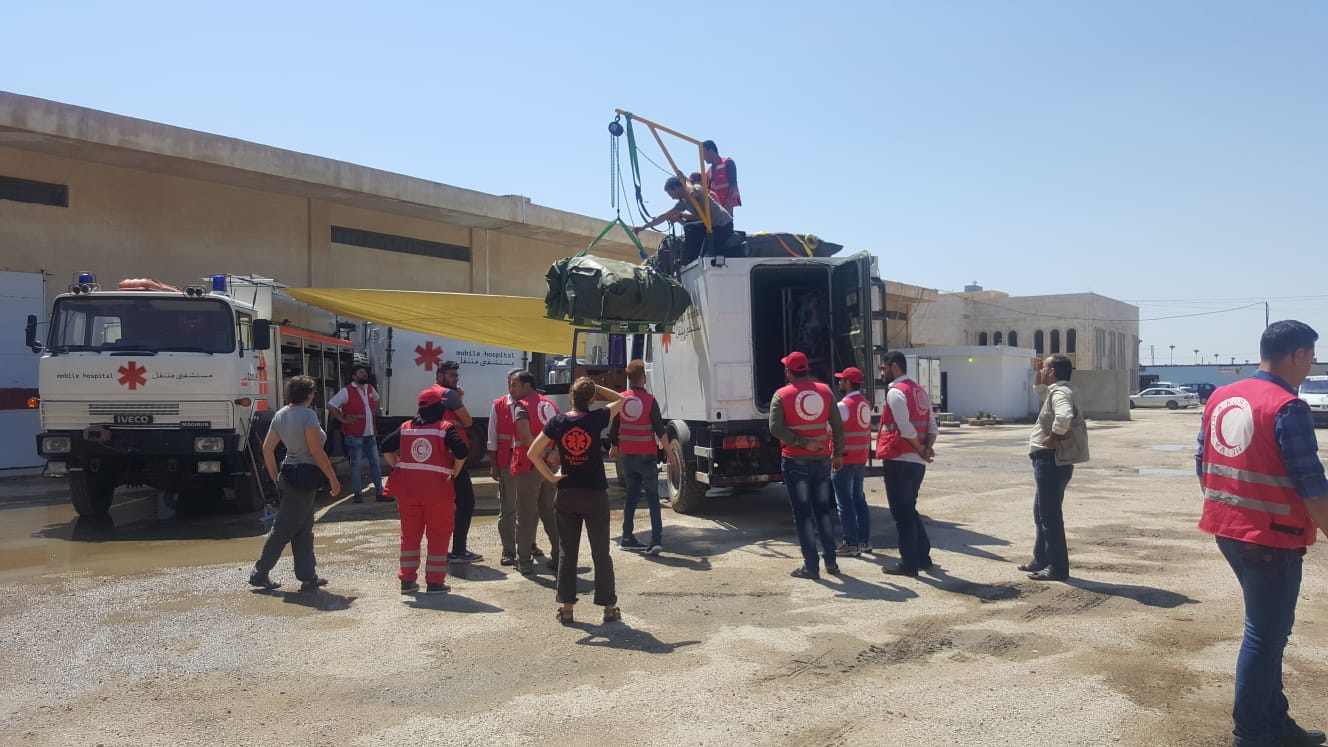
Mobile Hospital for Northeast Syria
Target country/region: Northeast Syria, (Iraq) Period: August 2015 - May 2018 CADUS built a mobile hospital on two four-wheel drive trucks for emergency medical care of the northeastern Syrian population. The mobile concept allows for reachingremote locations while escaping combat operations. Since 2018 our partner …
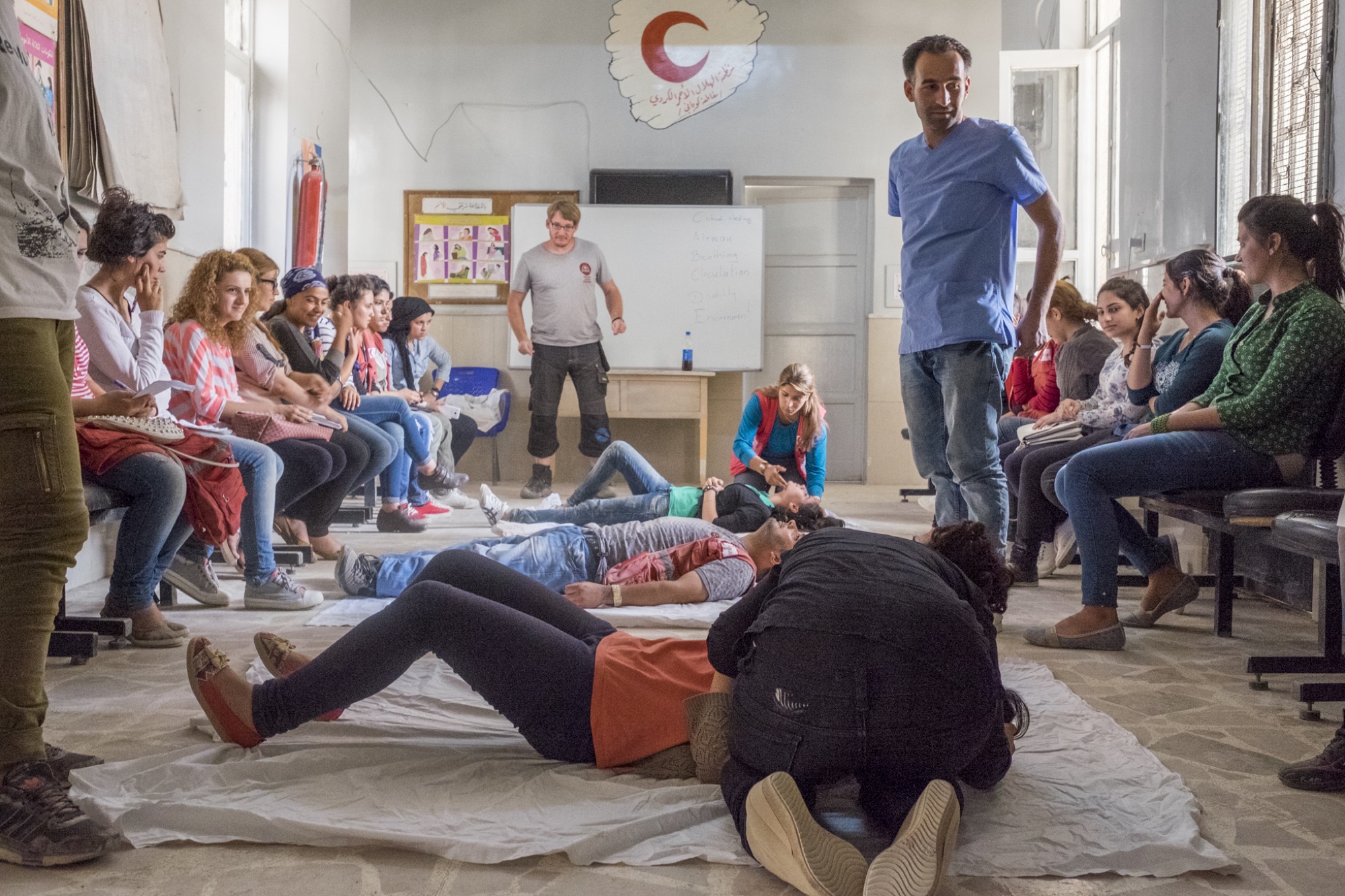
Paramedic Training In North East Syria
Target country/region: Northeast Syria Period: 2014-2015 The tense medical care situation in northeastern Syria was further strained by the ongoing fighting against the Islamic State. Medical facilities had been destroyed, and there was a shortage of medicines, materials, and specialized personnel. We wanted to counter …
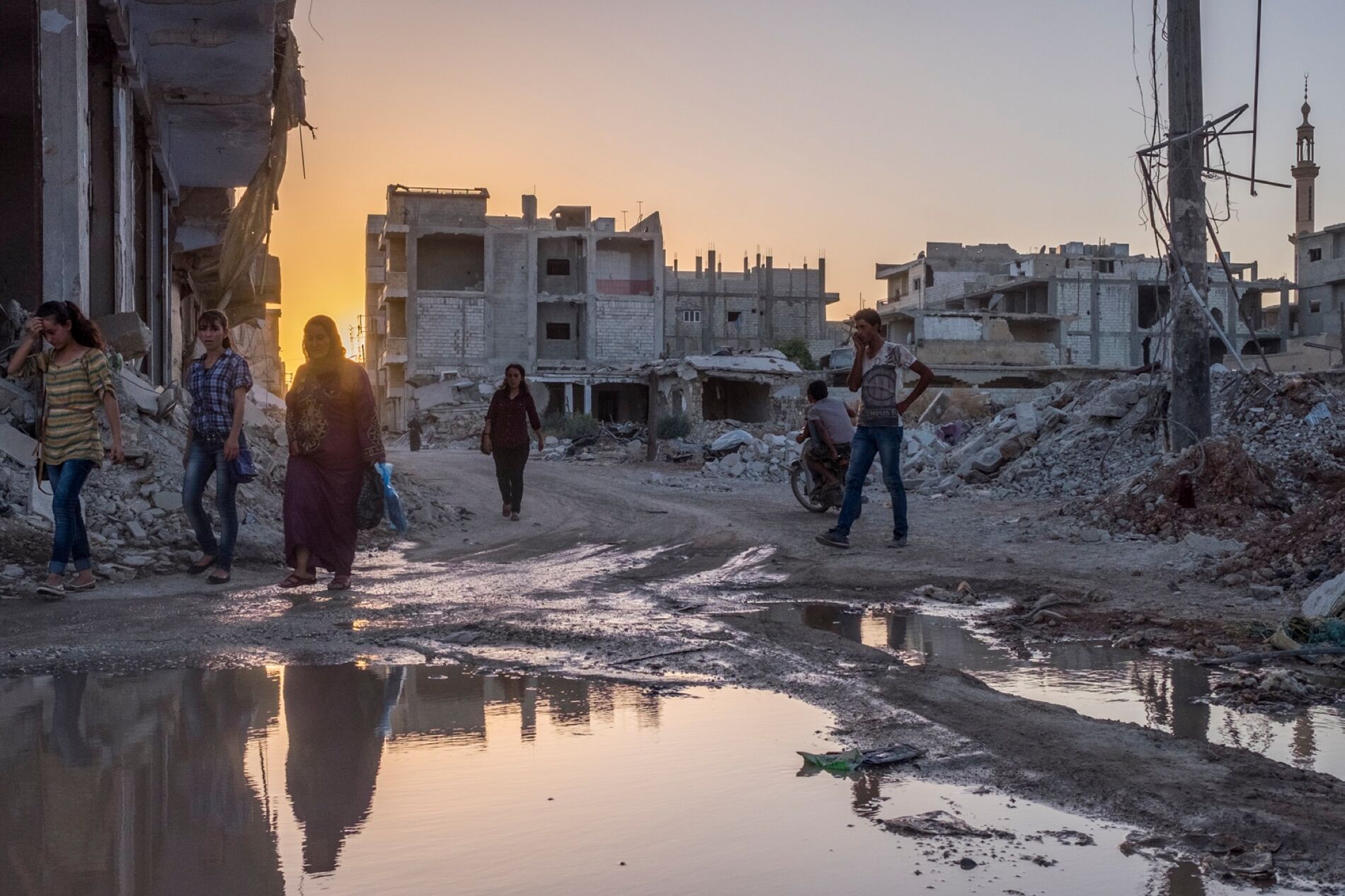
Idlib – an indicated catastrophe
Since the end of December, until a few weeks ago largely uncommented by European media, over a million people in Syria have been on the run again. Fleeing from Russian air strikes, heavy artillery strikes on densely populated areas, from the ground forces of the Syrian army. Idlib is approaching what can only be …