Workshop in al-Hol
Published on 3. March 2023
from CADUS-PR
workshop-at-al-hol-feature-workshop-nes-4beb1b37
Despite the state of emergency in large parts of northern Syria due to the earthquake, our work in Camp Al Hol continues.
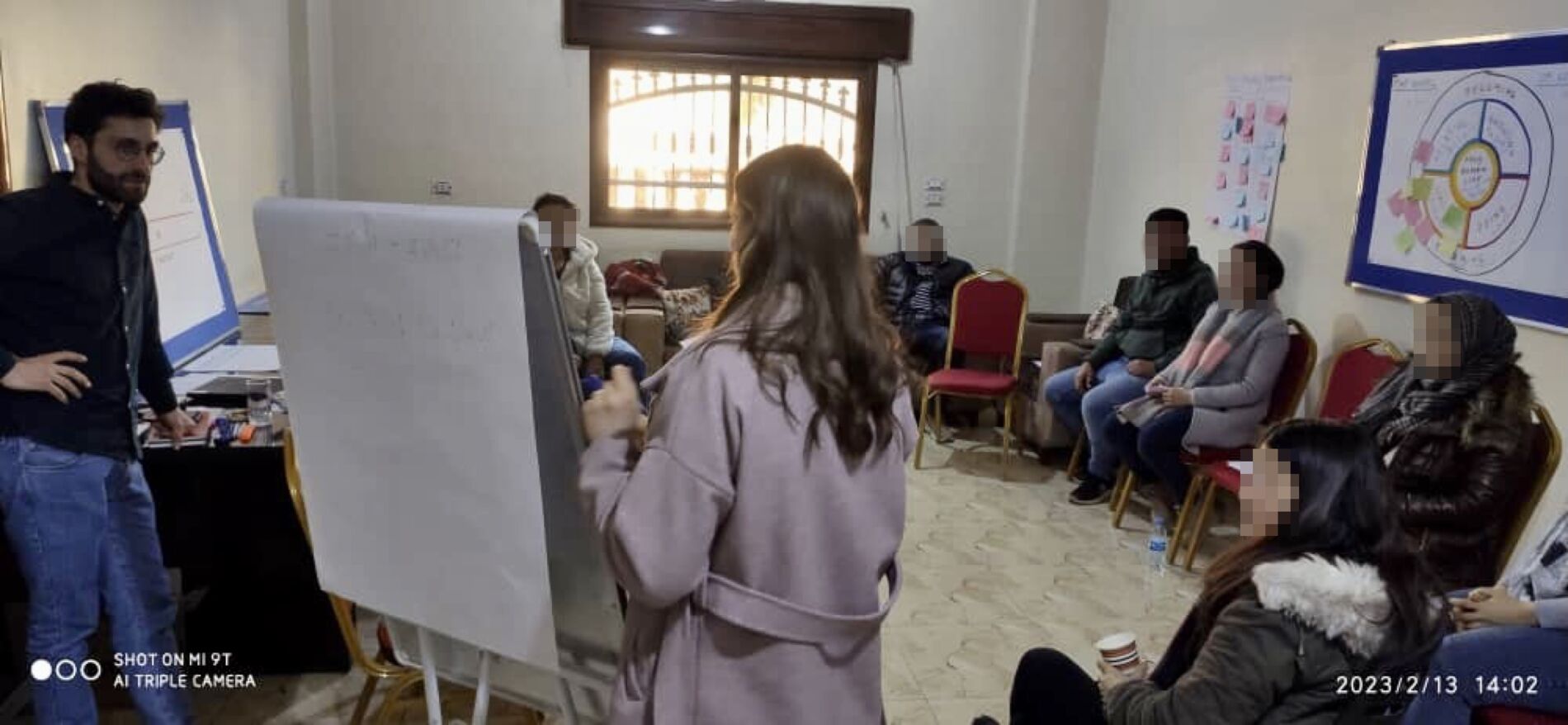
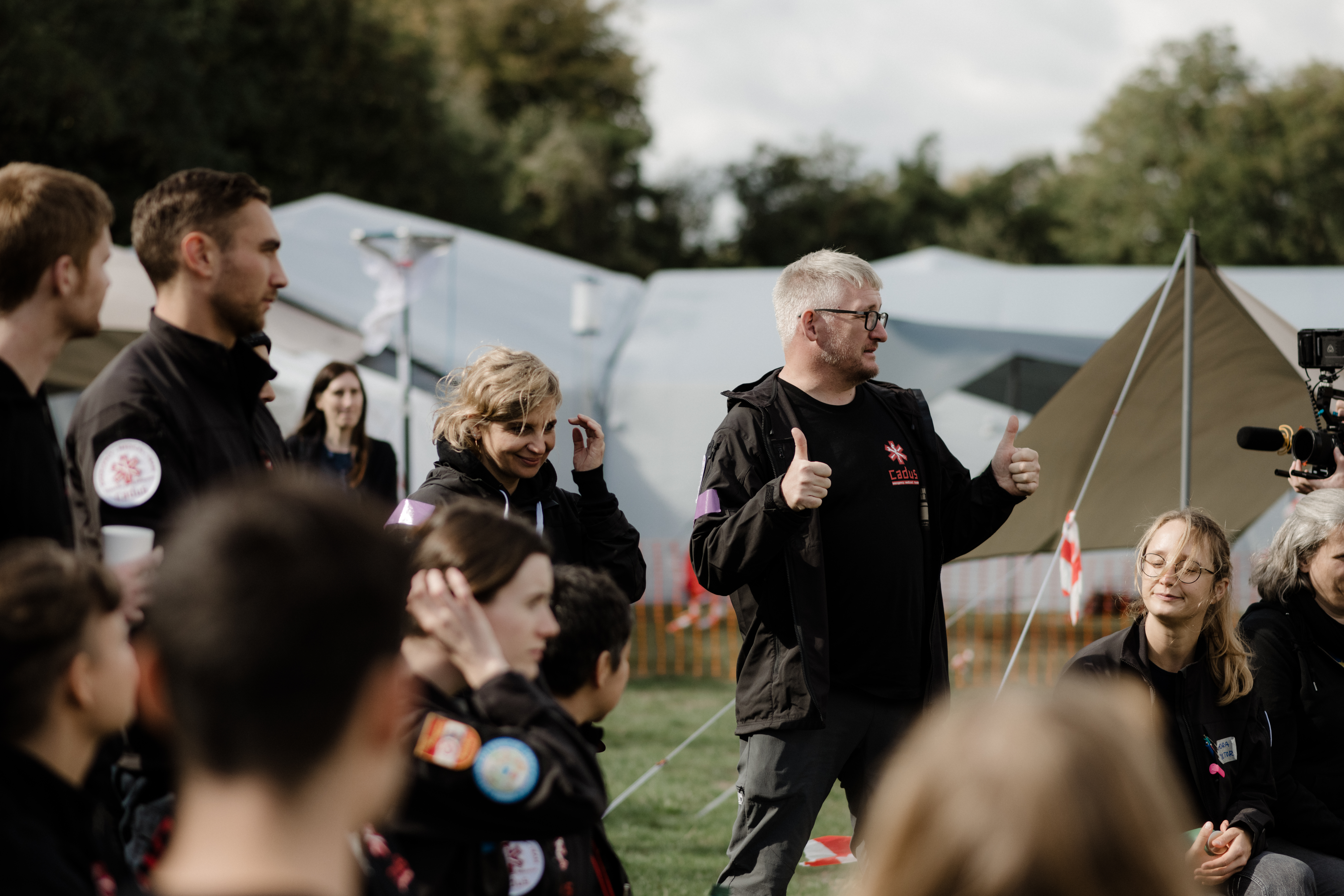
We held a “People First Impact Method” (P-FIM) workshop for CADUS and KRC employees. Together, we listened to the voices of the Al Hol community to evaluate our effectiveness and improve our work.
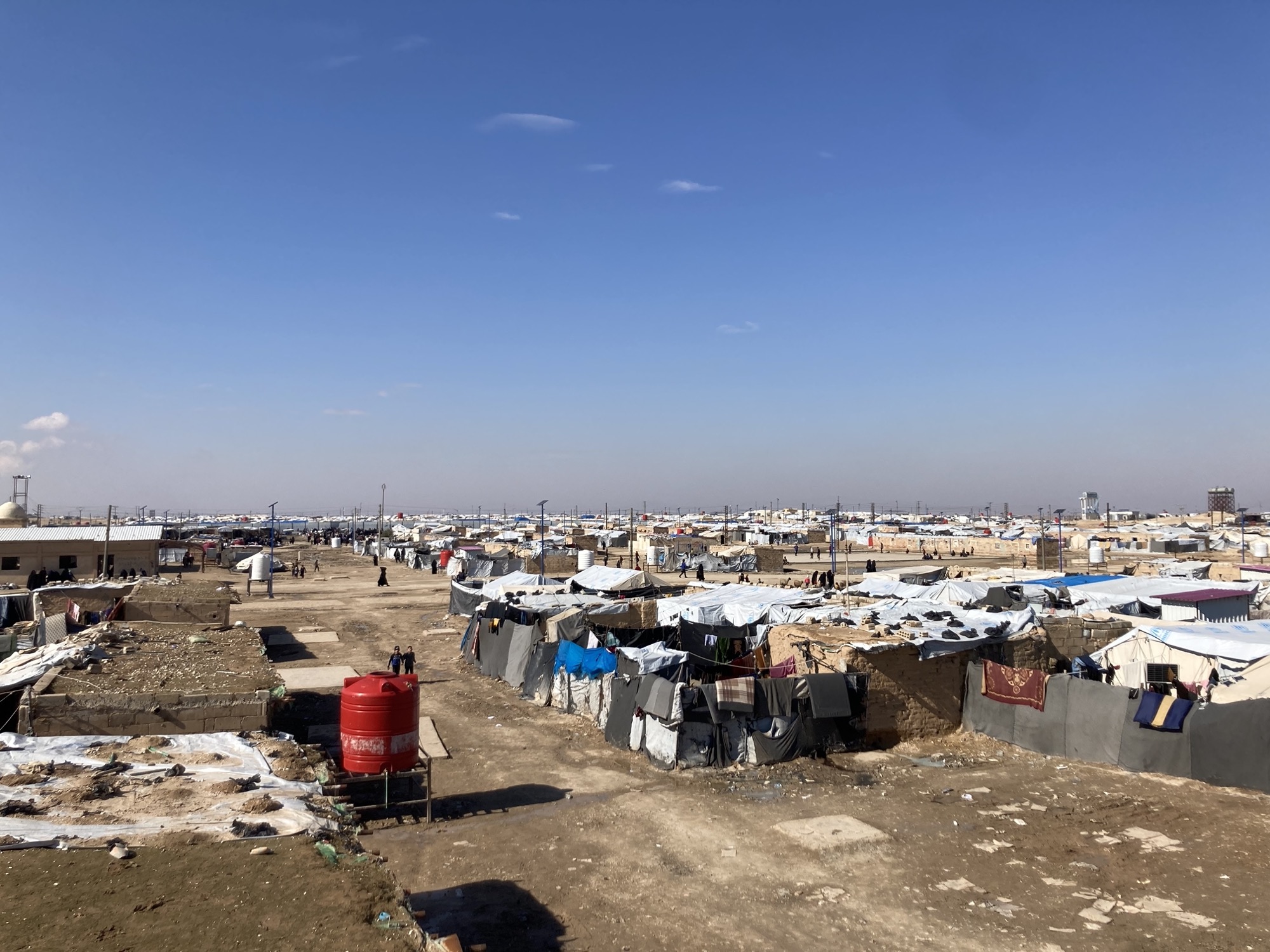 View over Camp al-Hol. Photo: CADUS
After this intensive but successful training, we can fully emphasize its essence: “We cannot add value if we do not know the existing value. We can only know the existing value if people communicate it to us. People won’t tell us if they don’t trust us. They won’t trust us if we don’t know how to actively listen.”
These are important steps in achieving one of our goals: working with local partners and, where possible, involving the recipients of our humanitarian work in all phases of a project.
Published:
Author: by Jonas Grünwald
The climate catastrophe as the greatest challenge for humanitarian aid
What impact does the climate catastrophe have on humanitarian aid? What can and must humanitarian actors prepare for and how must they adapt in order to counter the consequences of the climate catastrophe?
The future of humanitarian aid
Writing a text about the future of humanitarian aid. My first impulse: this is going to be a gloomy text. The present of humanitarian aid leaves little room for optimism. Wars continue, people are dying in Sudan unnoticed by the
How AI Is Changing Humanitarian Aid: Risks and Opportunities
I’ve spent enough nights under mosquito nets and sat through long, often circular UN coordination meetings to know this: if we want to reach people in crisis faster, with less waste, and without burning out the sector, we can’t