Workshop in al-Hol
Published on 3. March 2023
from CADUS-PR
workshop-at-al-hol-feature-workshop-nes-4beb1b37
Despite the state of emergency in large parts of northern Syria due to the earthquake, our work in Camp Al Hol continues.
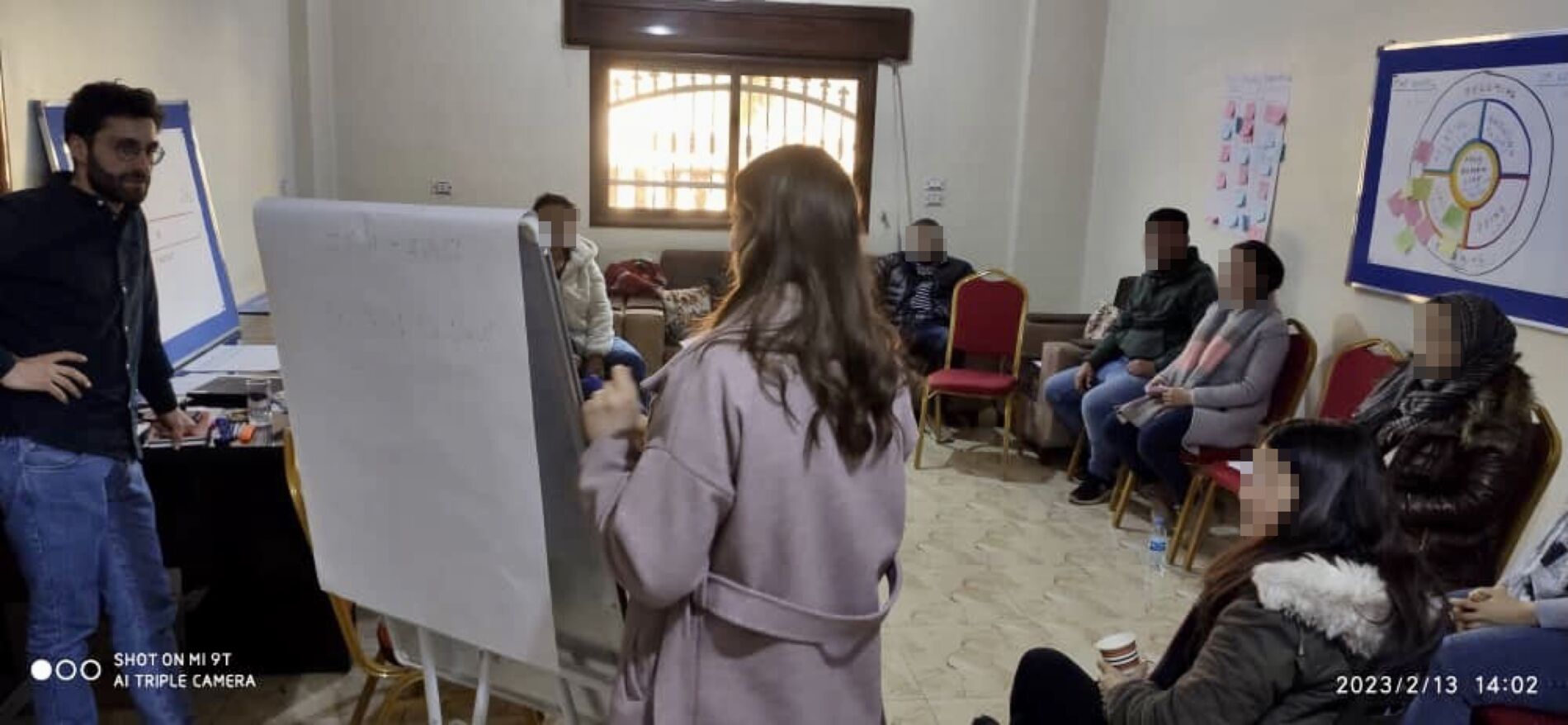
We held a “People First Impact Method” (P-FIM) workshop for CADUS and KRC employees. Together, we listened to the voices of the Al Hol community to evaluate our effectiveness and improve our work.
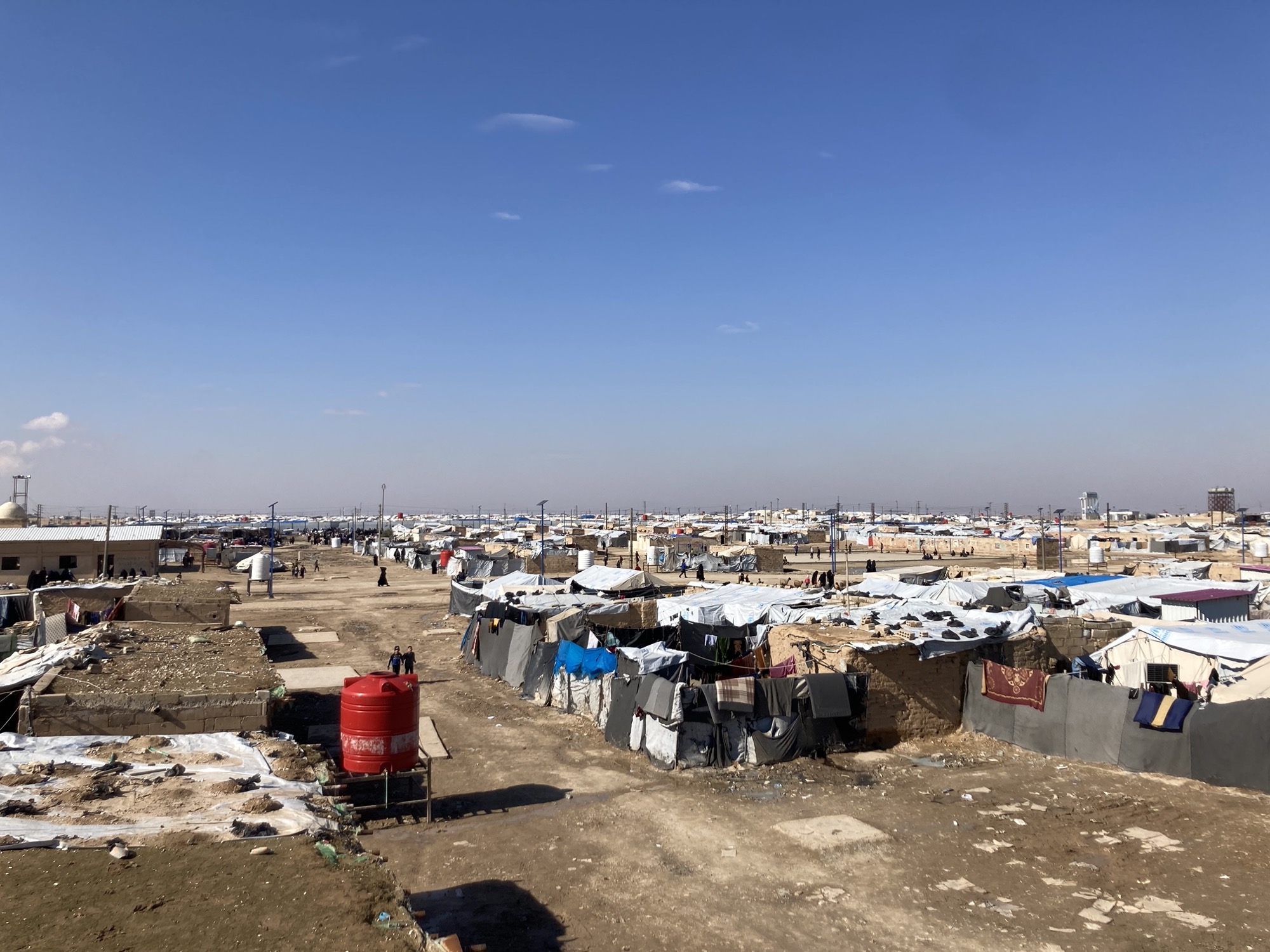 View over Camp al-Hol. Photo: CADUS
After this intensive but successful training, we can fully emphasize its essence: “We cannot add value if we do not know the existing value. We can only know the existing value if people communicate it to us. People won’t tell us if they don’t trust us. They won’t trust us if we don’t know how to actively listen.”
These are important steps in achieving one of our goals: working with local partners and, where possible, involving the recipients of our humanitarian work in all phases of a project.
Published:
Author: by Jonas Grünwald
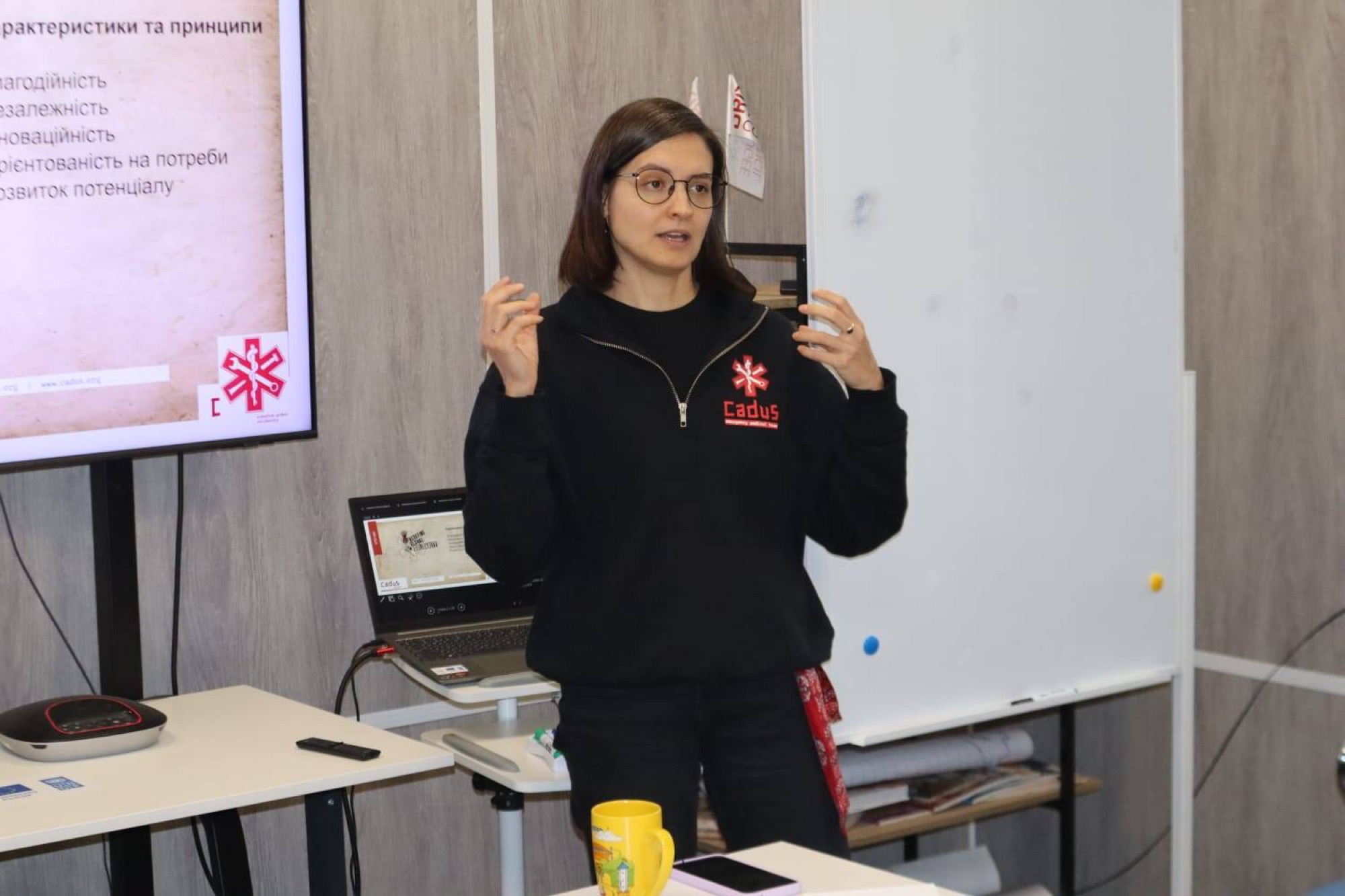
Meet our Team: Nastia, Infield Operations Coordinator in Ukraine
In this interview, we sat down with our Infield Operations Coordinator, Anastasia Vorobyova, in Ukraine to learn more about her background, her day-to-day life on the ground, and what drives her to continue her essential work. She shares her journey from running a language school to joining the humanitarian response, the realities of living in a conflict zone, and the incredible resilience of the people around her.
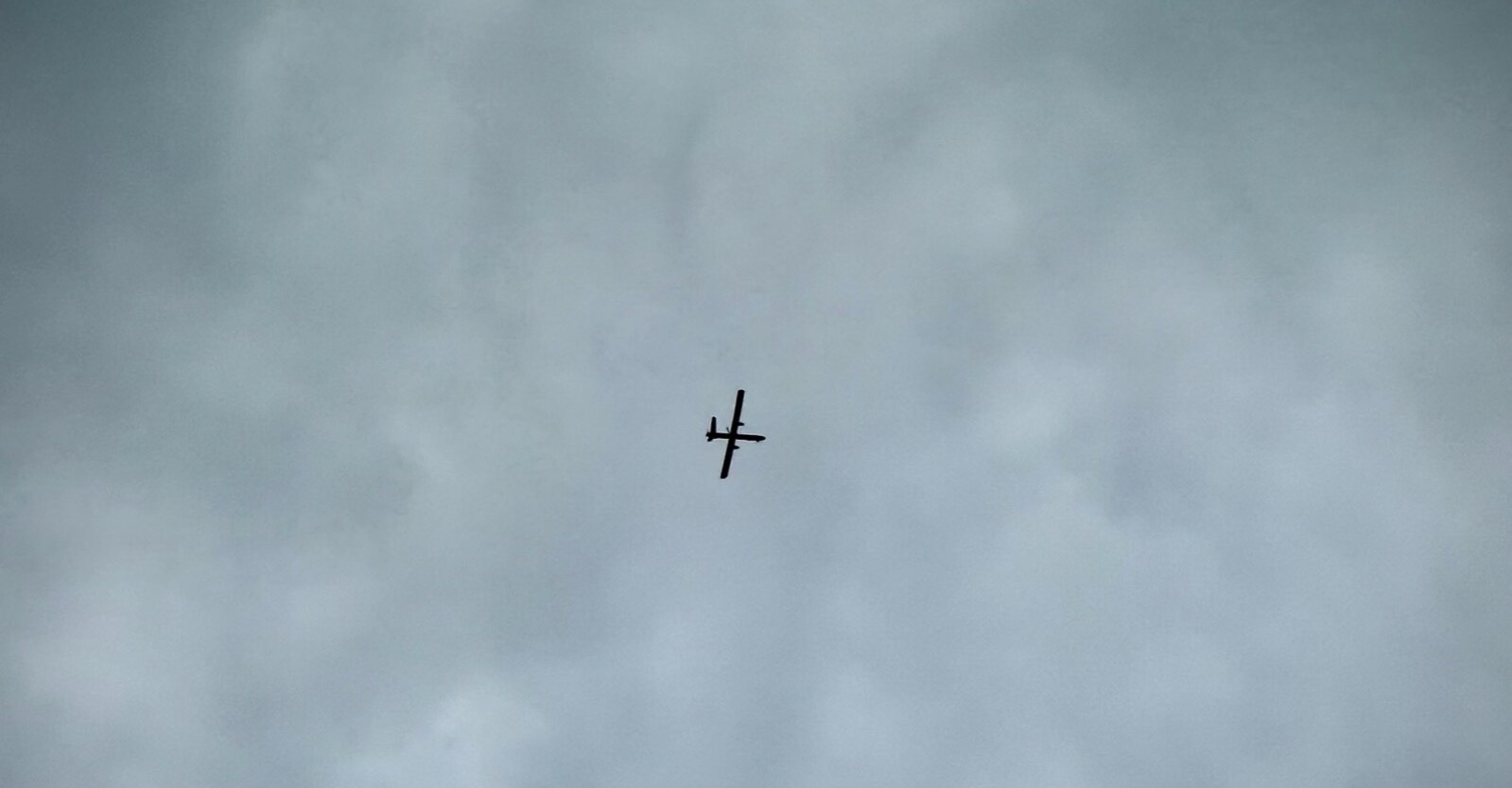
Monitoring the Patient While the Sky Monitors You.
Medical neutrality becoming psychologically uncertain. The Red Cross, ambulance, hospital, scrubs, or medical role ordinarily signify protection and neutrality. Under persistent surveillance, you may intellectually understand those protections while simultaneously feeling that being identifiable does not necessarily make you safe.
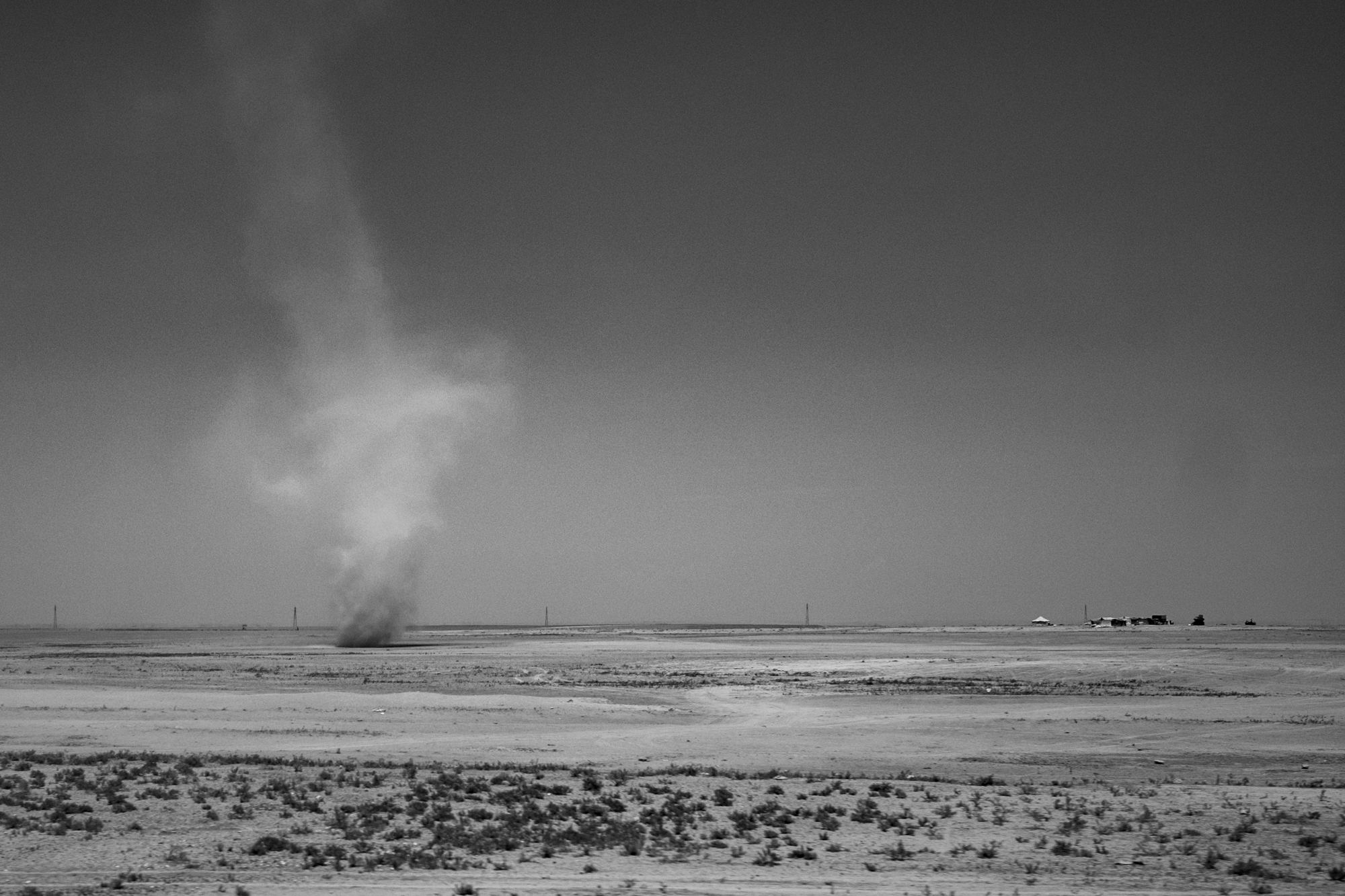
Heat – More than just hot
Climate change will lead to an increase in prolonged heat waves. Yet heat is much more than just a weather phenomenon. It affects our social life, health, the environment, politics, and, very specifically, our operations in crisis areas – and thus becomes a matter of global justice.