Between lust for life and war
Published on 1. August 2017
from CADUS-PR
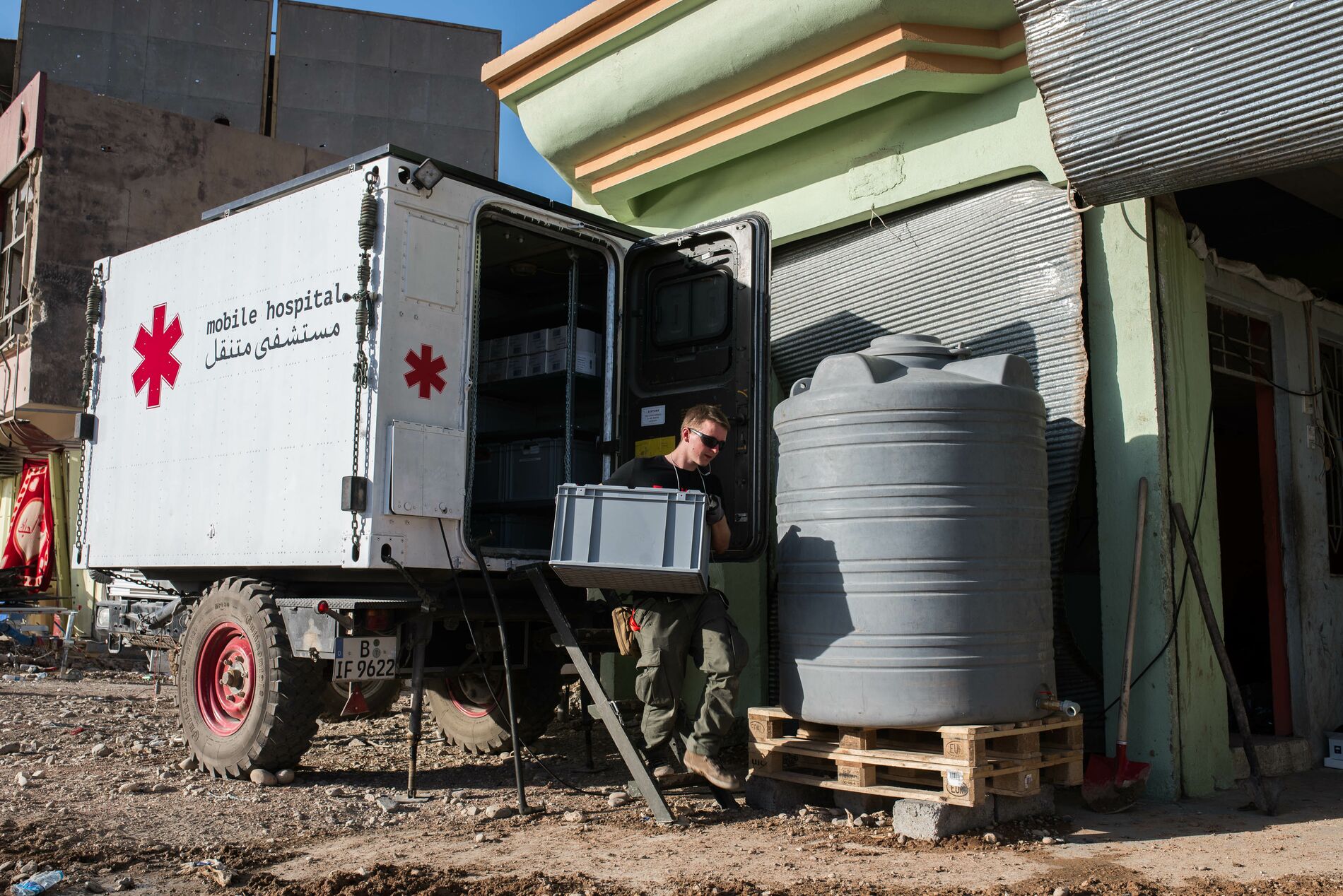
between-lust-for-life-and-war-feature-mobile_hospital_07-06-172028520von201829-d62701f5
Having returned recently Kris, our Head of Mission in Erbil, shares his incredible impressions from Mosul and Erbil and the stark contrast of life between these two neighbouring cities. In a country that has known nothing but turmoil for years, you find a list for life and vibrant nightlife on the doorstep of war, destruction and terror.
“Whilst our team in Mosul does everything they can to provide urgent medical care to the injured, life goes on in Erbil almost untroubled. The scenes couldn’t be more different: in West Mosul, the three marketplaces have been closed for two days because of suicide bomb attacks and mere miles away the bazars of Erbil are crowded with cheerful families who are looking forward to the holidays. The end of Ramadan is near, everyone is doing last minute shopping for new clothes and gifts and there is a run on stores selling ice cream and typical Arabic sweets such as Kanafeh and Baklava.
In the old town of Mosul the breaking of the fast will be celebrated with simple rice in water. In the liberated Eastern part of the city almost all goods are available again but due to unemployment caused by the turmoil here people can’t afford anything beyond the most basic necessities.
About 50 miles from Mosul, war is barely noticeable. Only the combat and transport helicopters who are returning to the airport at night remind us this is not quite a regular city after all.
The presence of security personnel in Erbil is both surprising and surreal. Every major facility, from banks to bars, hotels to gated communities, is employing private security guards. This is perhaps more about providing a subjective feeling of safety and some deterrence rather than having anything to do with the actual security situation. Particularly for Westerners this barrier poses no issue at all: a simple friendly smile, a wave or generally looking unsuspicious will get you through almost any security checkpoint – with hotels and airports being notable exceptions, fortunately.
These security measures in combination with the pulsating nightlife create an interesting experience for the many expats*, who are usually staying in Erbil for three to six months with an international NGO or company. You feel safe everywhere but when you are eating, shopping or partying, the presence of armed security guards at each door will remind you that war is close. Especially for volunteers who return to Erbil from their work in Mosul, this is a strange scene, but everybody has his or her own way to cope with their experiences. Some are celebrating in one of the many large public restaurants or hotel bars, others enjoy the concerts which take place in the city's parks each night.
One also shouldn't forget the countless IDPs (internally displaced person), even though they are barely visible in daily city life. City council is making efforts to accommodate the thousands of families as well as possible and most unregistered camps are gone, but in some quarters living conditions are extremely poor. Many Christian families found refuge in two predominantly Christian districts near Erbil's churches. The others are distributed among the outlying districts and suburbs. Since the offensive has begun, refugees from Mosul are rarely granted access to Erbil. Most are waiting in camps such as Khazer, Hasan Sham and Makhmor until they can return to their hometown.
To a certain degree, the contrasting impressions from Erbil recall memories of Beirut around 2000. People are celebrating in order to forget and enjoying life because many know that these moments are fleeting. Perhaps they also try to push away the fact that, with all the security and quality of life there is now, Erbil would almost have suffered the same fate as Mosul in 2014, when Daesh had advanced within 15 miles of the city limits.“
*expat: a person, who has their residence temporarily or permanently in another country than it lived or was raised in.
Published
Author: by Jonas Grünwald
CADUS Jahresrückblick 2022
Für uns bei CADUS stand das Jahr 2022 – wie sollte es anders sein – fast komplett unter dem Eindruck des Ukraine Krieges und unserem mittlerweile fast einem Jahr andauerndem Engagement vor Ort. Gleichzeitig spitzte sich die Situation im syrischen Camp al-Hol weiter zu, was den Betrieb unseres Krankenhauses weiter …
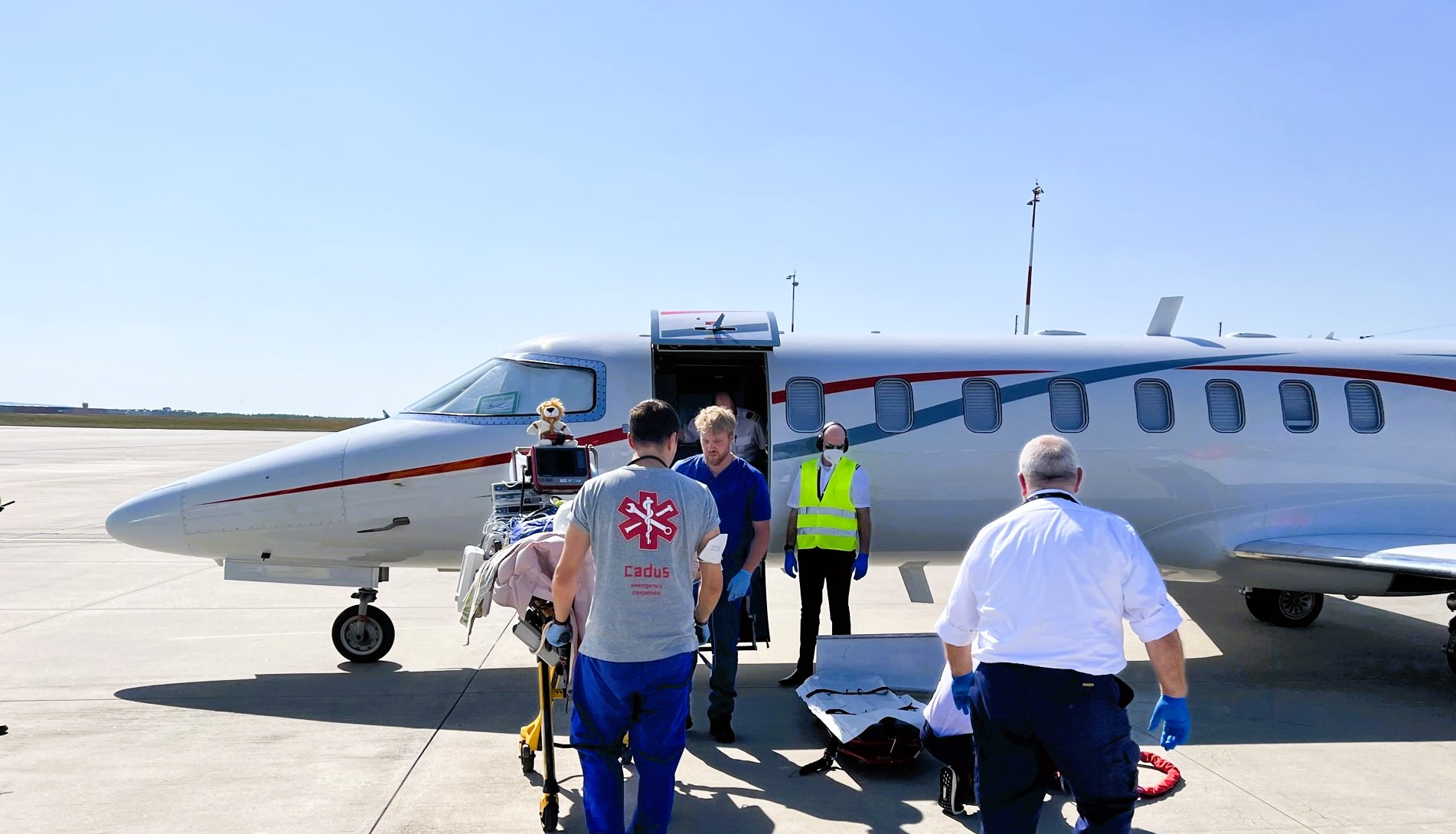
Vinnytsia to Dresden: a little boy’s unexpected journey
For most of us war is something abstract, something that happens to other people far away from us. But the people in Ukraine are affected by the horribles of war everyday. Our emergency doctor Mike tells a personal story about a Ukrainian boy named R. who was injured from a rocket and who hopefully has the most ...
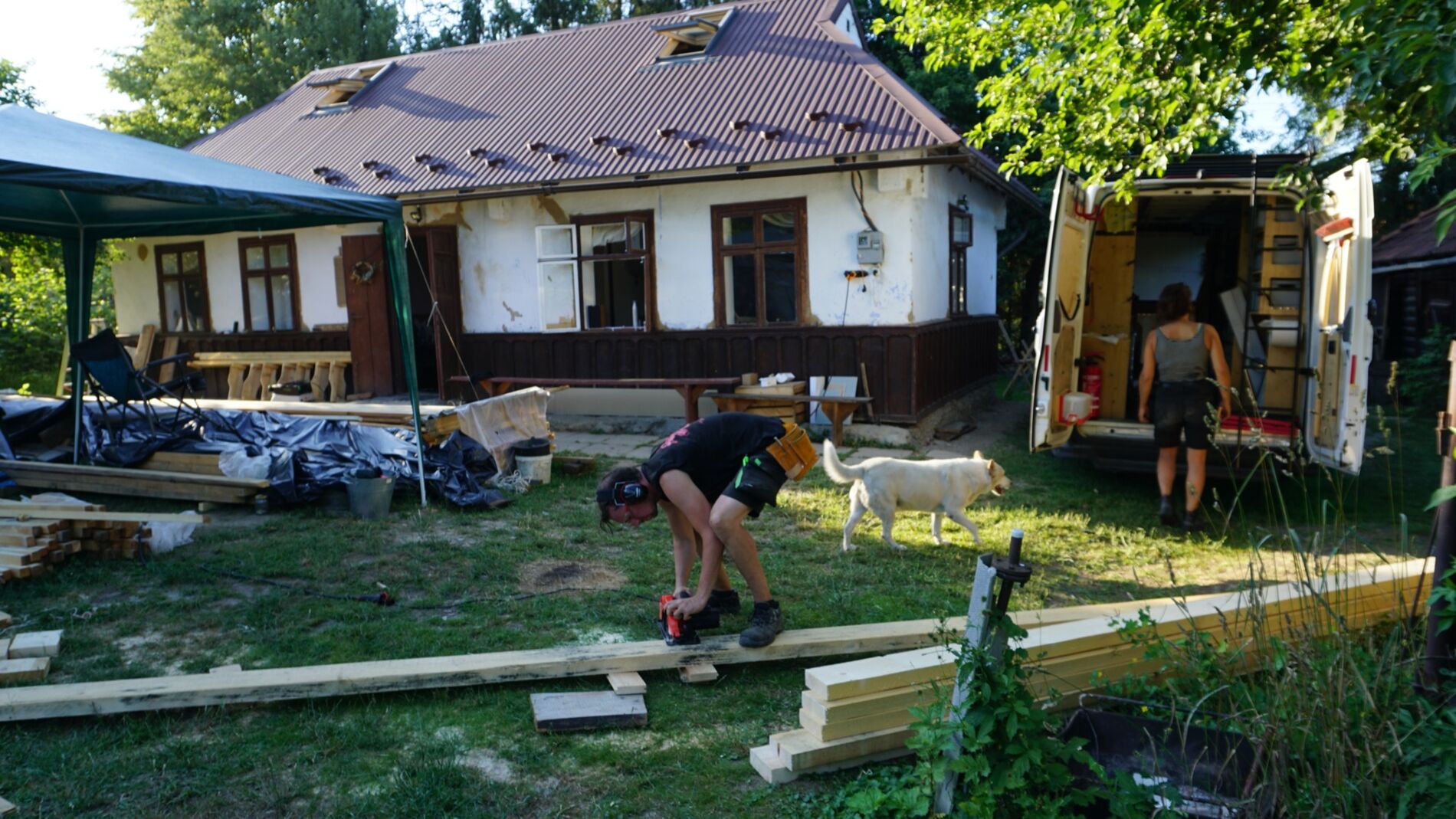
A mobile workshop against destruction
With war comes destruction. But how can houses be made habitable again and public buildings made usable again? Together with Ukrainian and German partner organizations, we have taken a mobile workshop for reconstruction on the road.