Our personal Easter present: we finally arrived
Published on 31. July 2017
from CADUS-PR
our-personal-easter-present-we-finally-arrived-feature-DSC05140-c77c5621
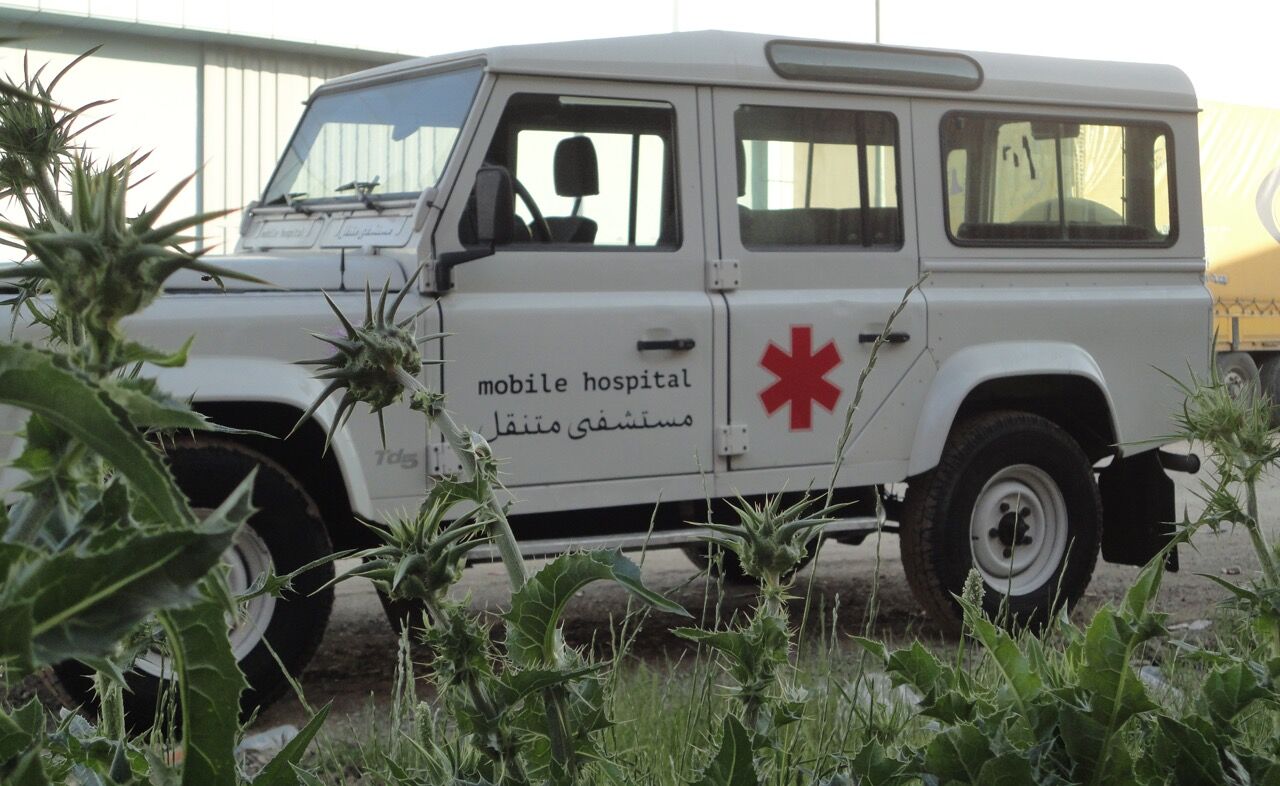
We have been fairly quiet since the “Mobile Hospital” left for northern Iraq even though a lot has happened. But the most important news is that we have successfully arrived.
Some news in summary:
After months of collecting donations and working on the trucks we finally started into the working phase on the ground.
Our first team arrived a month ago in the north of Iraq. After what felt like an eternity, the trucks were finally released by Iraqi customs. Obviously even the sealing of the trucks couldn`t stop them from mysteriously losing fuel.
Against all odds our team spent the Easter holidays working hard to unload the trucks instead of relaxing and searching for eggs.
Our first mission will bring us to Mossul, which we decided after talks with the local medical structures and the WHO.
In addition to setting up a structure with the “Mobile Hospital”, we were asked to support a children`s hospital which was destroyed by war, and help in restructuring a rudimentary service with our technical crew. Therefore we need money, fast and non-bureaucratic.
We need:
10,000 Euro for a mobile X-ray apparatus
10,000 Euro for a 15 kW-current generator (the whole city of Mossul is without electricity so to run a hospital it is urgently needed)
10,000 Euro for additional equipment and tools to establish a sustainable trauma-point in our mobile structure.
Published
Author:
The climate catastrophe as the greatest challenge for humanitarian aid
What impact does the climate catastrophe have on humanitarian aid? What can and must humanitarian actors prepare for and how must they adapt in order to counter the consequences of the climate catastrophe?
The future of humanitarian aid
Writing a text about the future of humanitarian aid. My first impulse: this is going to be a gloomy text. The present of humanitarian aid leaves little room for optimism. Wars continue, people are dying in Sudan unnoticed by the
How AI Is Changing Humanitarian Aid: Risks and Opportunities
I’ve spent enough nights under mosquito nets and sat through long, often circular UN coordination meetings to know this: if we want to reach people in crisis faster, with less waste, and without burning out the sector, we can’t