Resolution regression
Published on 13. March 2020
from CADUS-PR
resolution-regression-feature-CADUS20-20map20NES20operation20location-45-a6adb8ed
While the humanitarian situation in Northeast Syria is still tense and the threat to the health system and people from the so-called corona virus has increased, the work for aid organizations has again been made more difficult.
The UN Security Council passed Resolution 2504 already on January 10 this year. It is the continuation of resolution 2165 of 2014, but contains some changes with far-reaching consequences for local health care, under pressure from Russia and China.
Obstacles to humanitarian aid
Funding from UN institutions will no longer apply to many aid projects. Access to the region is made more difficult by the closure of two of the four border crossings for relief supplies that is stipulated in the resolution. These essential humanitarian corridors brought medicines, medical devices and consumables from neighboring countries into Northeast Syria. The resolution is also limited to six months and expires at the end of June. An extension is not expected, which would mean the end of cross-border aid projects, from which up to four million Syrians are benefiting.
CADUS projects affected
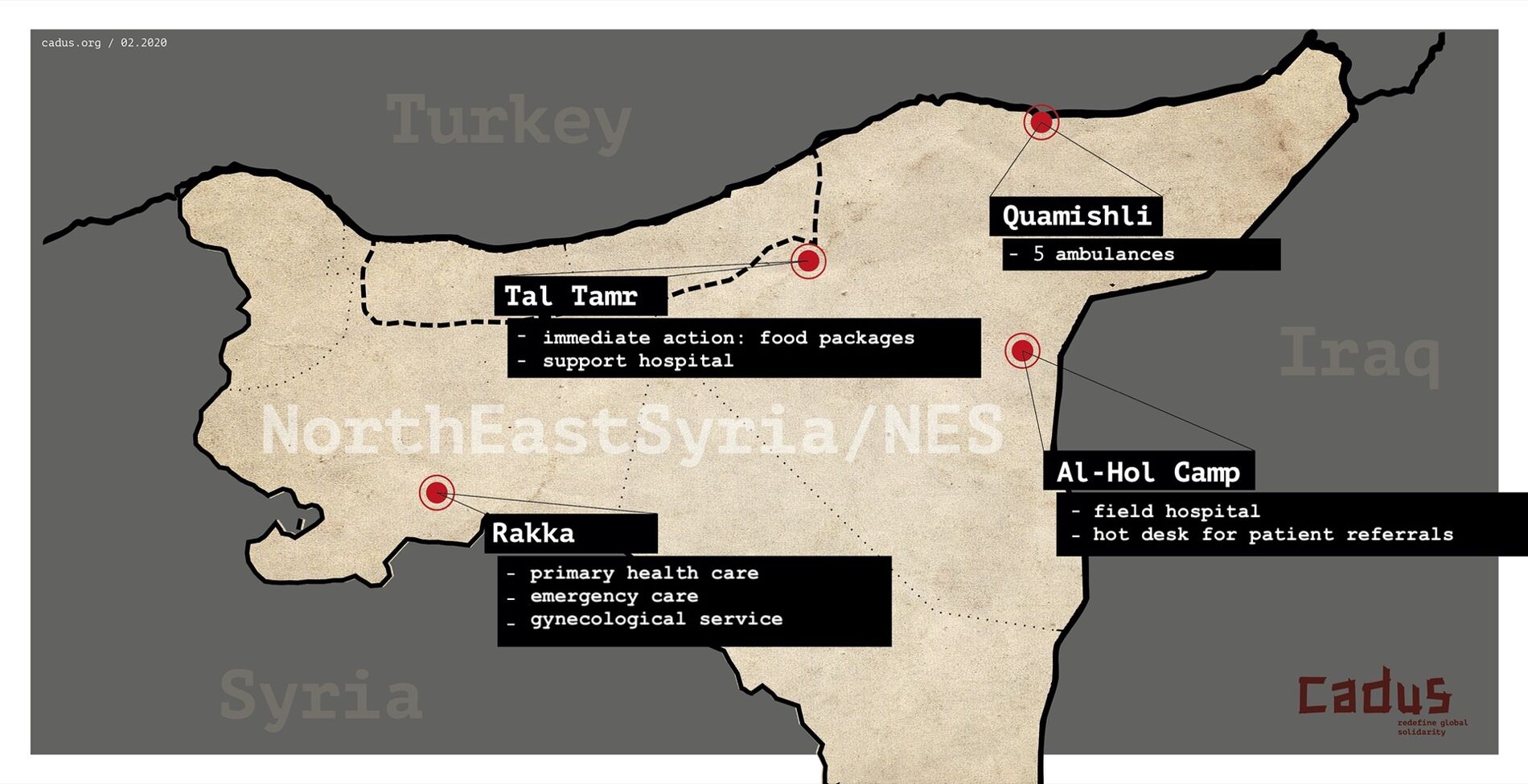
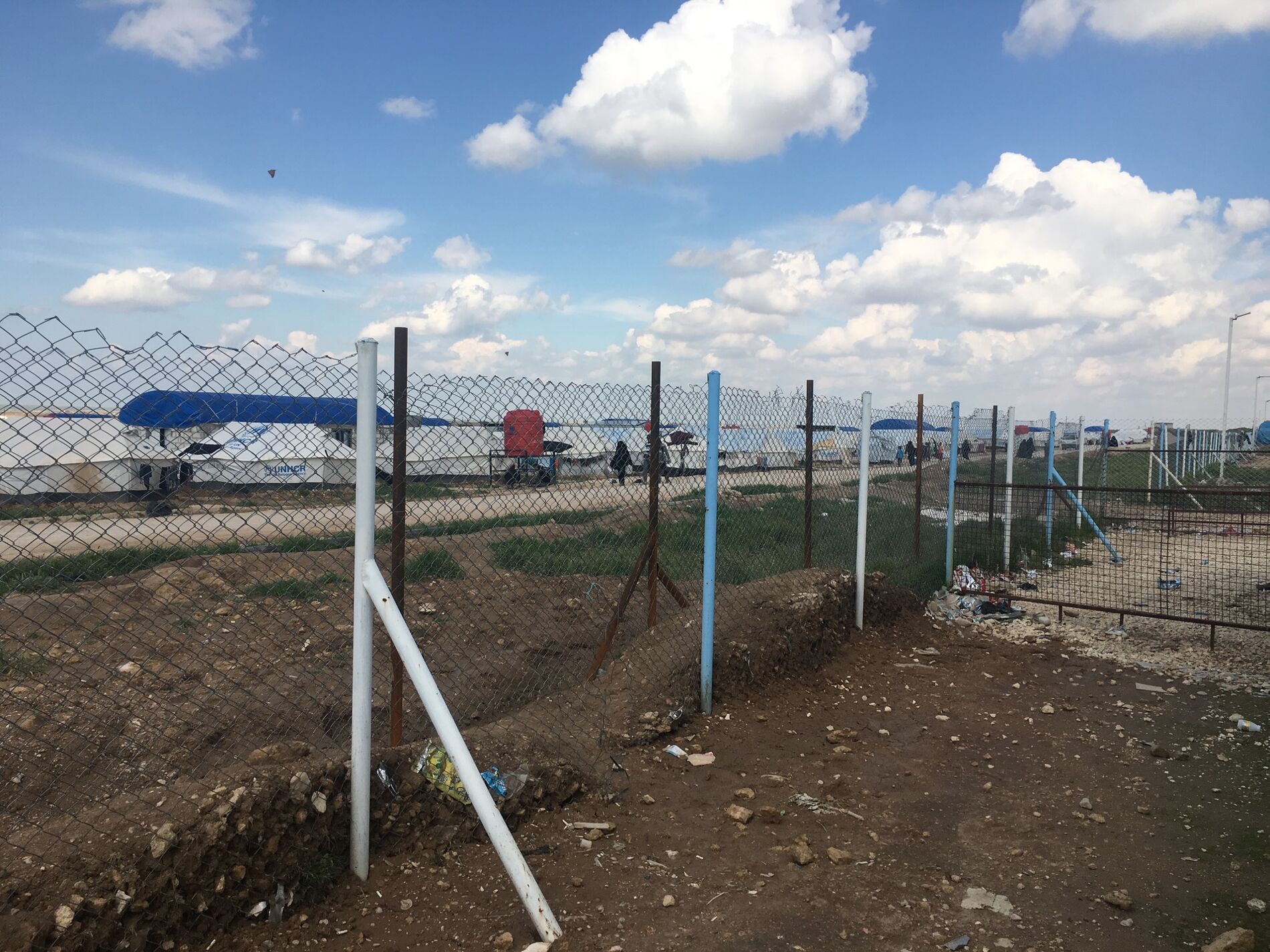
Our projects in Rakka and al-Hol cannot be financed by donations alone. In the past weeks we have been looking intensively for ways to maintain both facilities. Fortunately, funding is emerging for our field hospital at al-Hol Camp.
For the primary health care center in Rakka, which we run together with the Kurdish Red Crescent, things are unfortunately looking worse. Although we treat up to 4,000 patients there each month for € 70,000, including an increasing number of people from the besieged region of Idlib, we probably have to stop work. Although an average of € 17.50 for the treatment of a person is a small price for their health and the implementation of the human right to medical care.
We are still trying to secure the financing of our projects and to provide permanent support to the people in Northeast Syria, whether with old or new projects.
We hope to be able to announce good news soon.
Published
Author: by Jonas Grünwald
Wie war das noch mit den Menschenrechten?
Das Geflüchtetenlager al-Hol in Nordostsyrien ist nach den Kämpfen gegen die letzten Überreste des IS komplett überfüllt und jegliche Struktur überlastet. Die gemeinsame Unterbringung von IS-Angehörigen und deren ehemaligen Opfern sorgt immer wieder für Konflikte unter den Bewohner*innen. Angesichts dessen stellt …
Pressemitteilung – Social Media Action Day #RechtaufFlucht
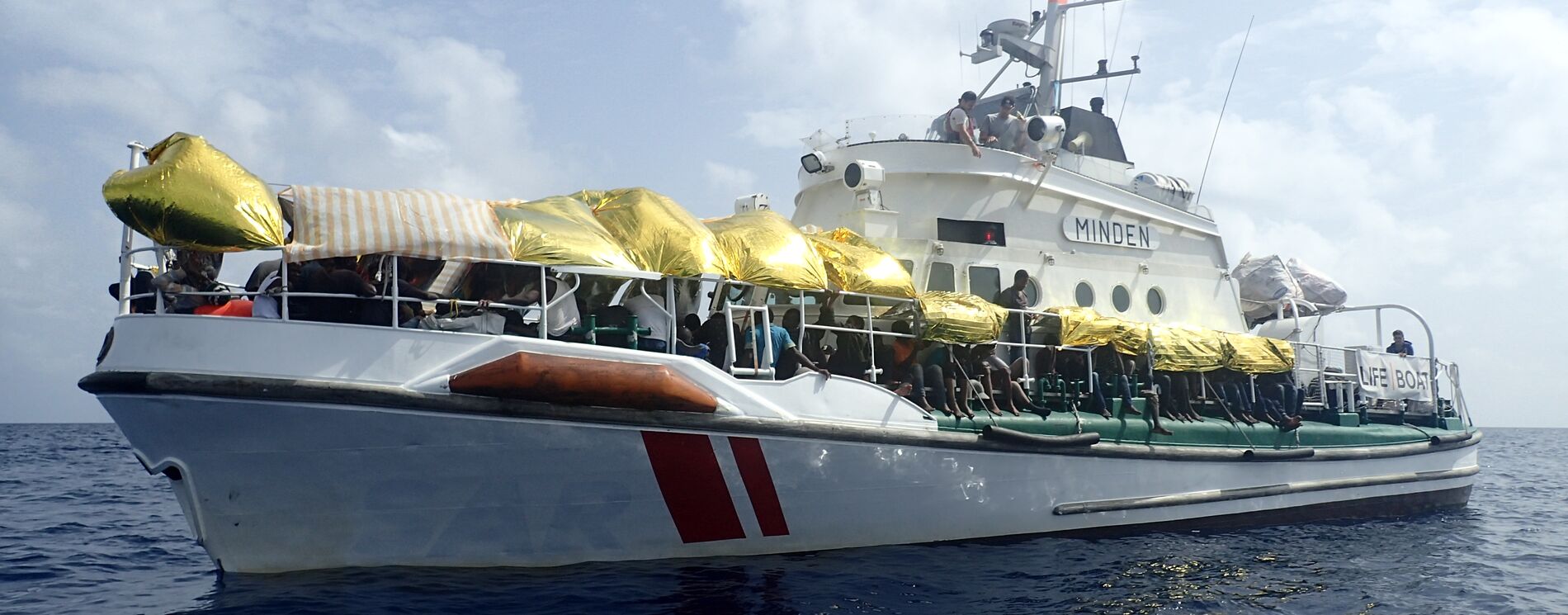
Gemeinsamer Social Media Action Day: Stoppt EU-Unterstützung für Libysche „Küstenwache“ Am Sonntag, den 28. Januar 2018 rufen Organisationen der zivilen Seenotrettung und humanitären Hilfe zu einem Social Media Action Day auf. Über den gesamten Tag werden die beteiligten Organisationen Artikel, Bilder und Videos …
Press release: Treatment of displaced persons from ISIS territory: CADUS starts providing medical care at al-Hawl refugee camp
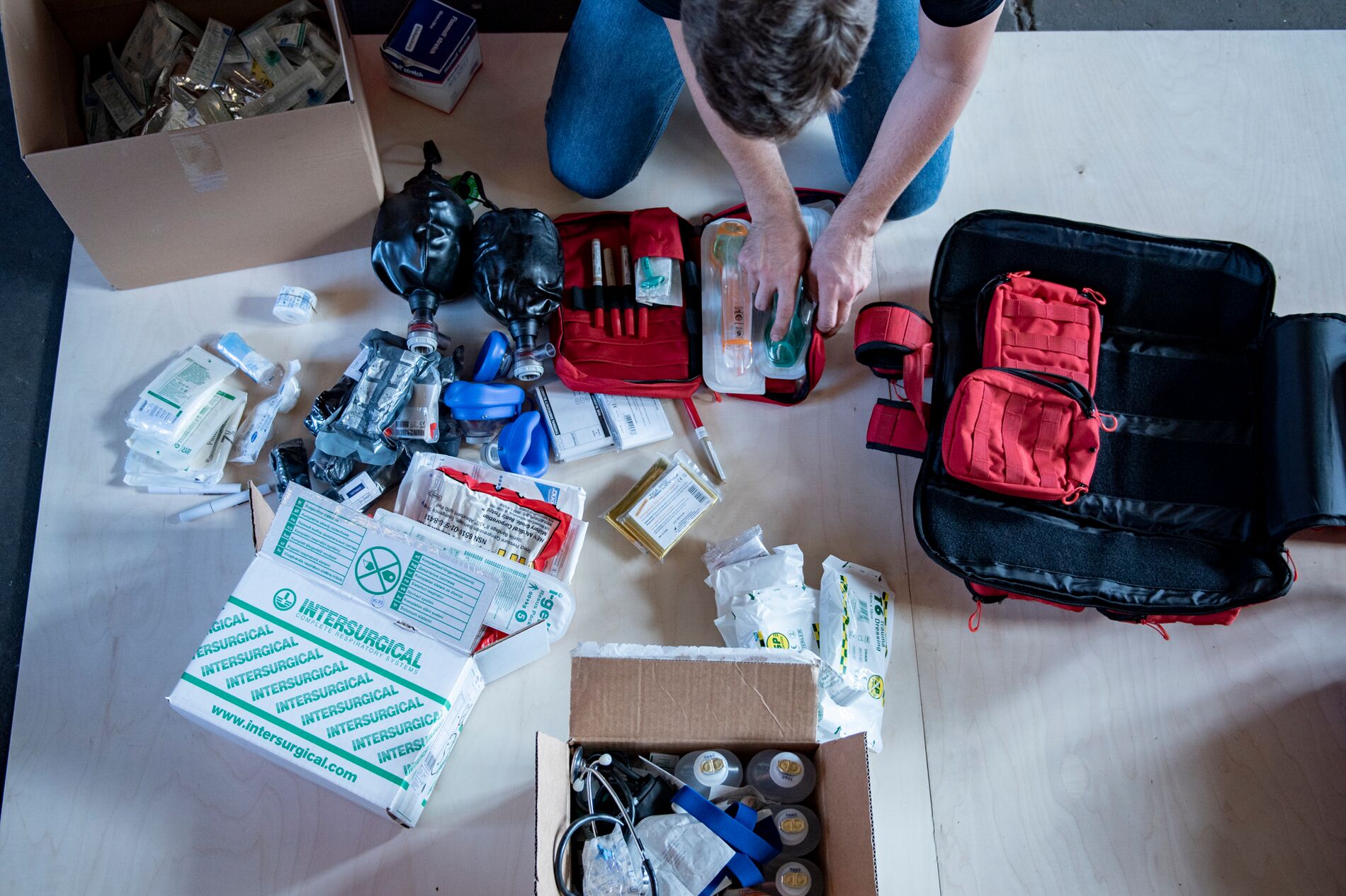
Berlin based relief organisation CADUS e.V. is supporting the construction of a field hospital in the al-Hawl refugee camp in the northeast of Syria. Medical care is one of the most pressing issues of the camp which is hopelessly crowded with over 75.000 people. One of the main reasons for the big number of people in …