Saber-rattling in the Aegean Sea CADUS criticizes NATO mission against refugee boats
Published on 22. June 2017
from CADUS-PR
saber-rattling-in-the-aegean-sea-feature-cadus_search26rescue_Nato-5edf62c0
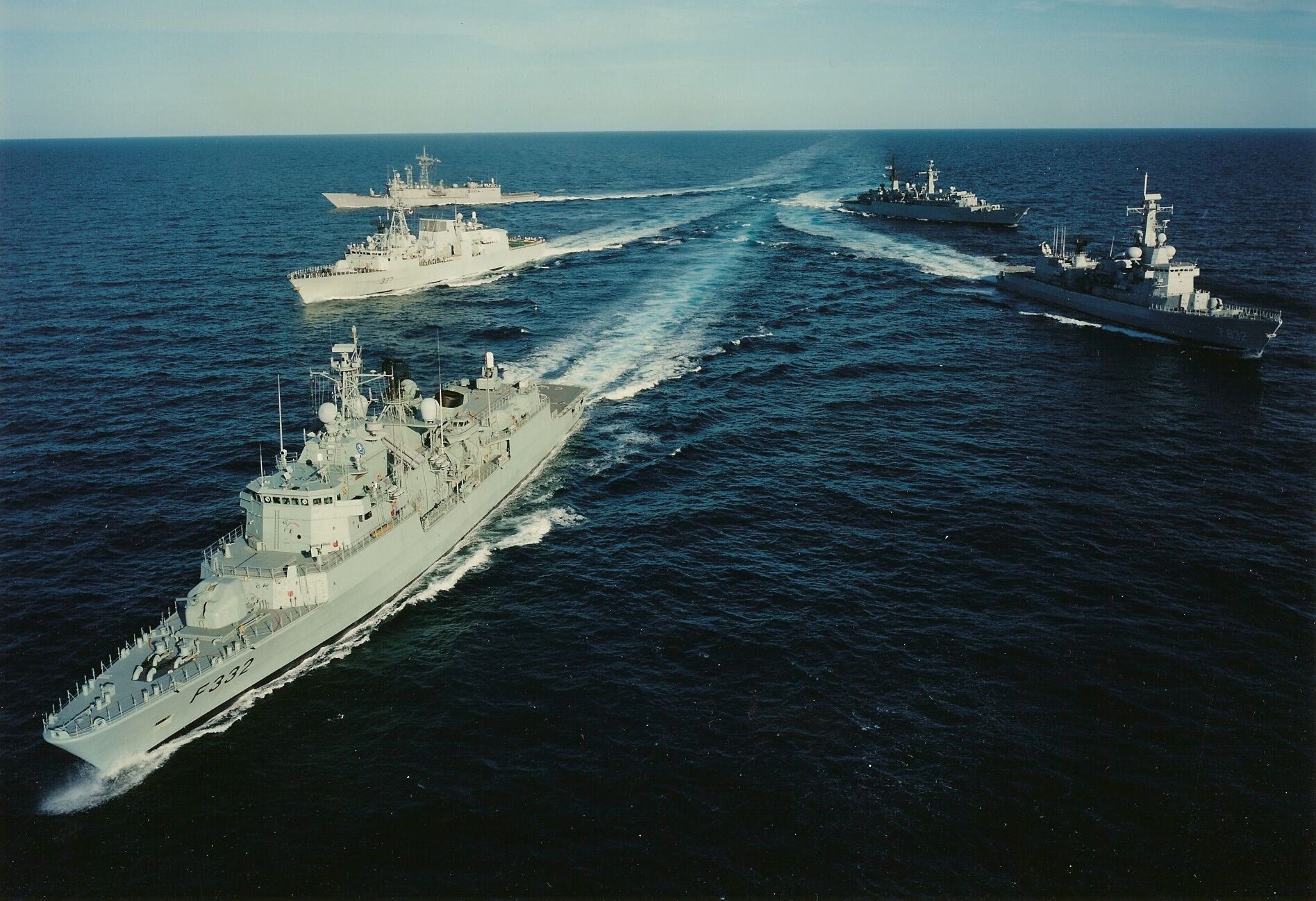
The European Union's policy of isolation enters the next round. Battleships are supposed to fix the situation. Instead of increased militarization, CADUS calls for a political solution that enables legal migration for refugees into the EU.
We took the news that NATO battleships are going to be sent to the Mediterranean Sea to track and disable human trafficking networks with grave concern. With the continuing flow of refugees across and around the Mediterranean and the drastic increase of European border protection (e.g. the Europe-Turkey-Deal), the new approach is going to make crossing the Aegean Sea even more dangerous and life-threatening.
"The people will continue to fly – on treacherous routes, under bad weather conditions and at night. So the number of casualties in the Mediterranean Sea will increase. The NATO's assurance to save refugees in distress is not going to change anything about that.", says Sebastian Jünemann, project coordinator for CADUS.
In addition to that, NATO´s practice is to send these refugees back to Turkey, instead of allowing them into the European Union.
The three-month time limit that the EU has imposed on Greece to improve its border protection, is an expression of the current dominating, political approach to the refugee situation. The Greek government, already under pressure, is left alone by its European allies and a single country is made responsible for a global issue.
CADUS is worried by this growing trend of treating the current refugee situation as a matter of (trans-) national security, which can be solved by the police or military.
Jünemann concludes: "We demand a solid united, political solution for the refugee issue and legal migration options for refugees instead of isolation, armament and problem shifting."
Published
Author: by Jonas Grünwald
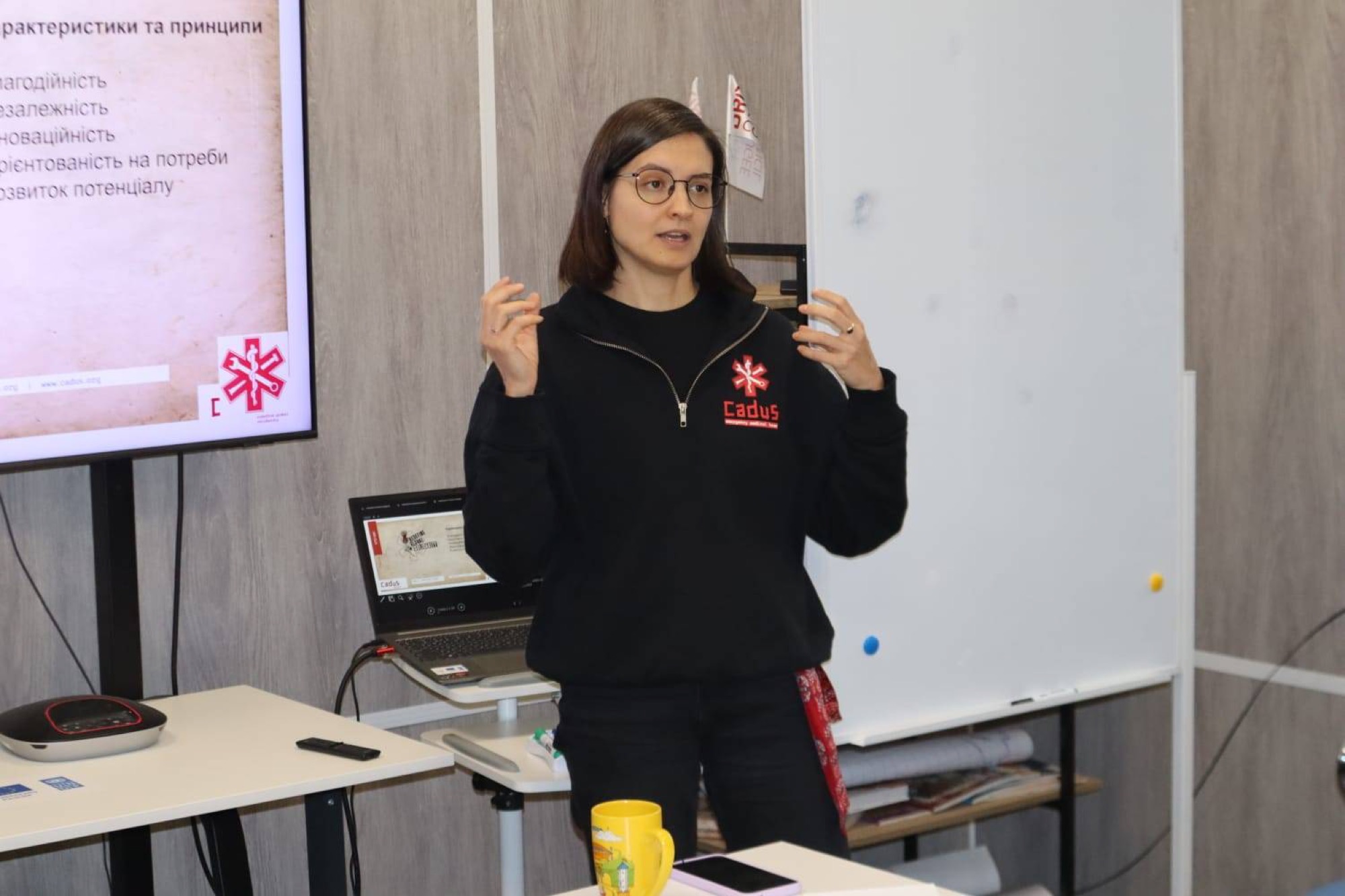
Meet our Team: Nastia, Infield Operations Coordinator in Ukraine
In this interview, we sat down with our Infield Operations Coordinator, Anastasia Vorobyova, in Ukraine to learn more about her background, her day-to-day life on the ground, and what drives her to continue her essential work. She shares her journey from running a language school to joining the humanitarian response, the realities of living in a conflict zone, and the incredible resilience of the people around her.
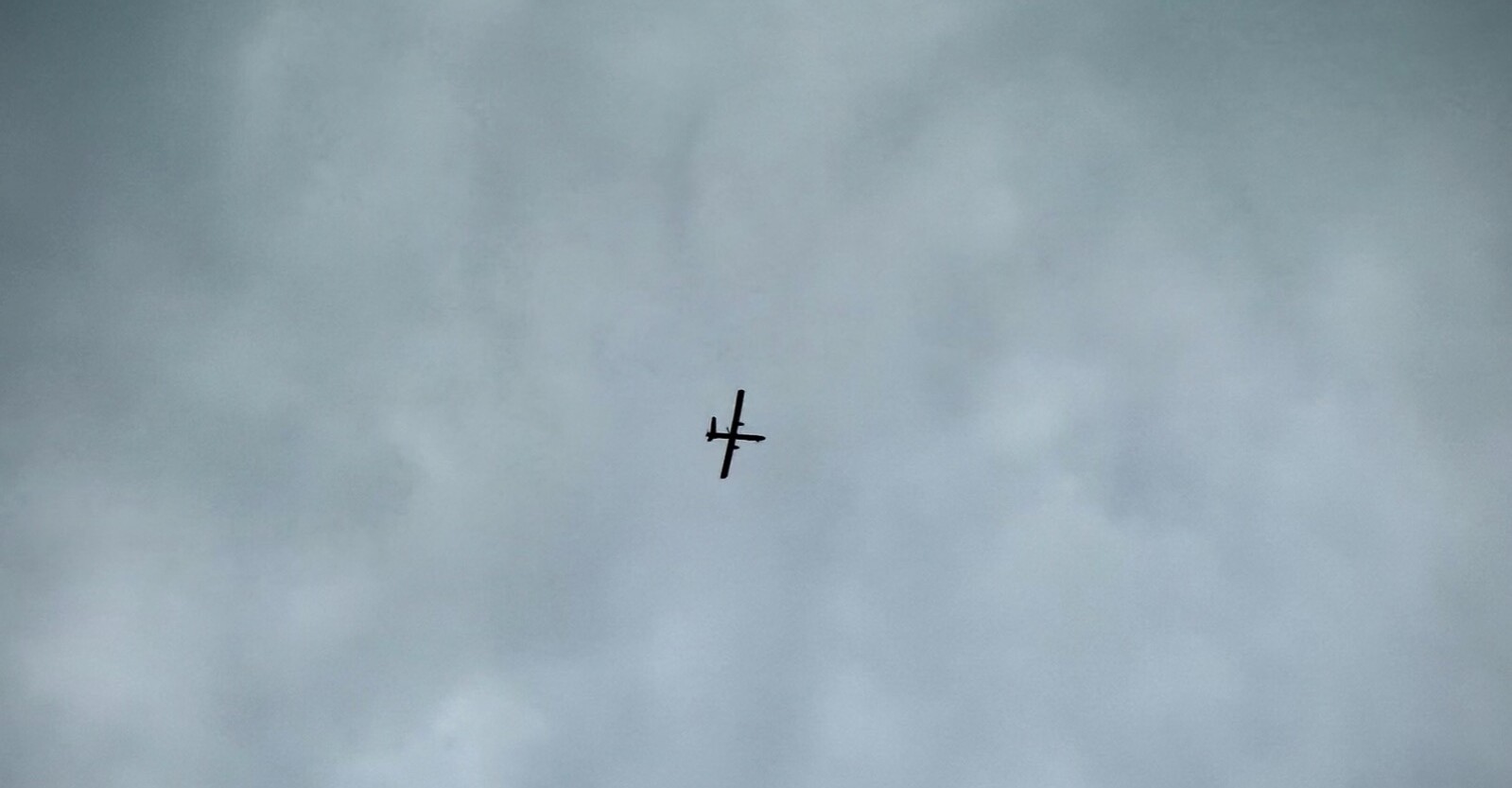
Monitoring the Patient While the Sky Monitors You.
Medical neutrality becoming psychologically uncertain. The Red Cross, ambulance, hospital, scrubs, or medical role ordinarily signify protection and neutrality. Under persistent surveillance, you may intellectually understand those protections while simultaneously feeling that being identifiable does not necessarily make you safe.
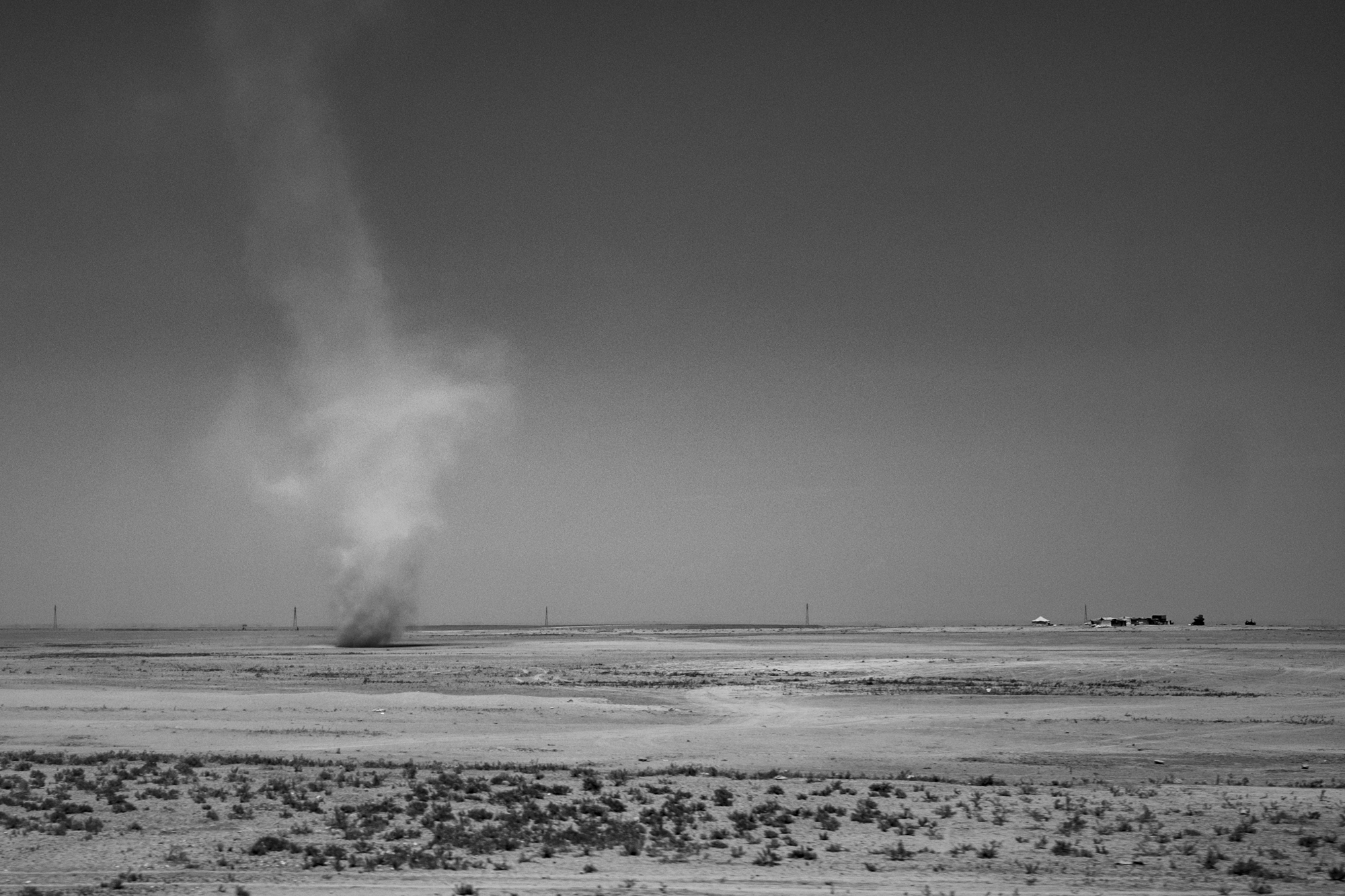
Heat – More than just hot
Climate change will lead to an increase in prolonged heat waves. Yet heat is much more than just a weather phenomenon. It affects our social life, health, the environment, politics, and, very specifically, our operations in crisis areas – and thus becomes a matter of global justice.