Saber-rattling in the Aegean Sea CADUS criticizes NATO mission against refugee boats
Published on 22. June 2017
from CADUS-PR
saber-rattling-in-the-aegean-sea-feature-cadus_search26rescue_Nato-5edf62c0
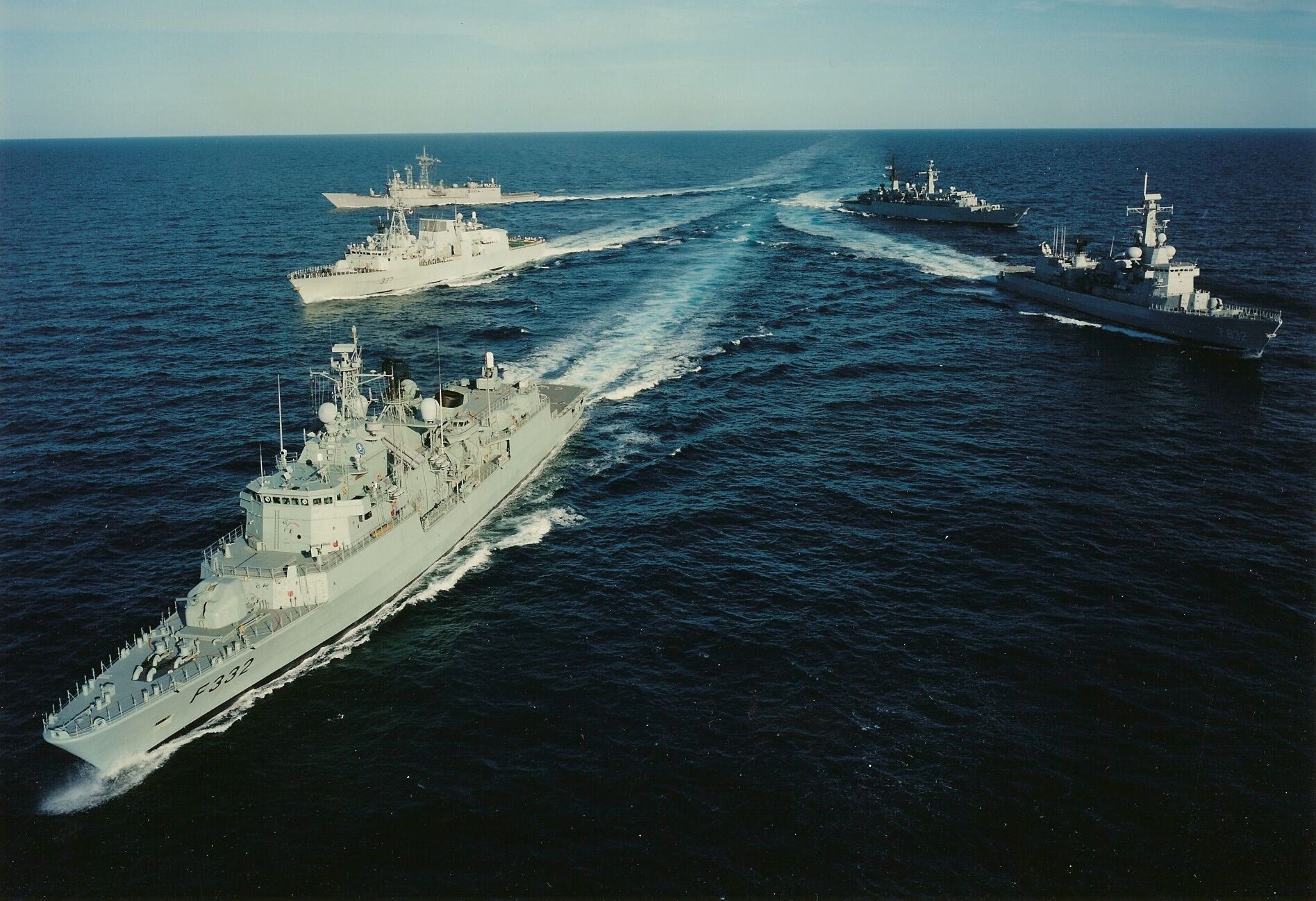
The European Union's policy of isolation enters the next round. Battleships are supposed to fix the situation. Instead of increased militarization, CADUS calls for a political solution that enables legal migration for refugees into the EU.
We took the news that NATO battleships are going to be sent to the Mediterranean Sea to track and disable human trafficking networks with grave concern. With the continuing flow of refugees across and around the Mediterranean and the drastic increase of European border protection (e.g. the Europe-Turkey-Deal), the new approach is going to make crossing the Aegean Sea even more dangerous and life-threatening.
"The people will continue to fly – on treacherous routes, under bad weather conditions and at night. So the number of casualties in the Mediterranean Sea will increase. The NATO's assurance to save refugees in distress is not going to change anything about that.", says Sebastian Jünemann, project coordinator for CADUS.
In addition to that, NATO´s practice is to send these refugees back to Turkey, instead of allowing them into the European Union.
The three-month time limit that the EU has imposed on Greece to improve its border protection, is an expression of the current dominating, political approach to the refugee situation. The Greek government, already under pressure, is left alone by its European allies and a single country is made responsible for a global issue.
CADUS is worried by this growing trend of treating the current refugee situation as a matter of (trans-) national security, which can be solved by the police or military.
Jünemann concludes: "We demand a solid united, political solution for the refugee issue and legal migration options for refugees instead of isolation, armament and problem shifting."
Published
Author: by Jonas Grünwald

The climate catastrophe as the greatest challenge for humanitarian aid
What impact does the climate catastrophe have on humanitarian aid? What can and must humanitarian actors prepare for and how must they adapt in order to counter the consequences of the climate catastrophe?

The future of humanitarian aid
Writing a text about the future of humanitarian aid. My first impulse: this is going to be a gloomy text. The present of humanitarian aid leaves little room for optimism. Wars continue, people are dying in Sudan unnoticed by the
How AI Is Changing Humanitarian Aid: Risks and Opportunities
I’ve spent enough nights under mosquito nets and sat through long, often circular UN coordination meetings to know this: if we want to reach people in crisis faster, with less waste, and without burning out the sector, we can’t