Saber-rattling in the Aegean Sea CADUS criticizes NATO mission against refugee boats
Published on 22. June 2017
from CADUS-PR
saber-rattling-in-the-aegean-sea-feature-cadus_search26rescue_Nato-5edf62c0
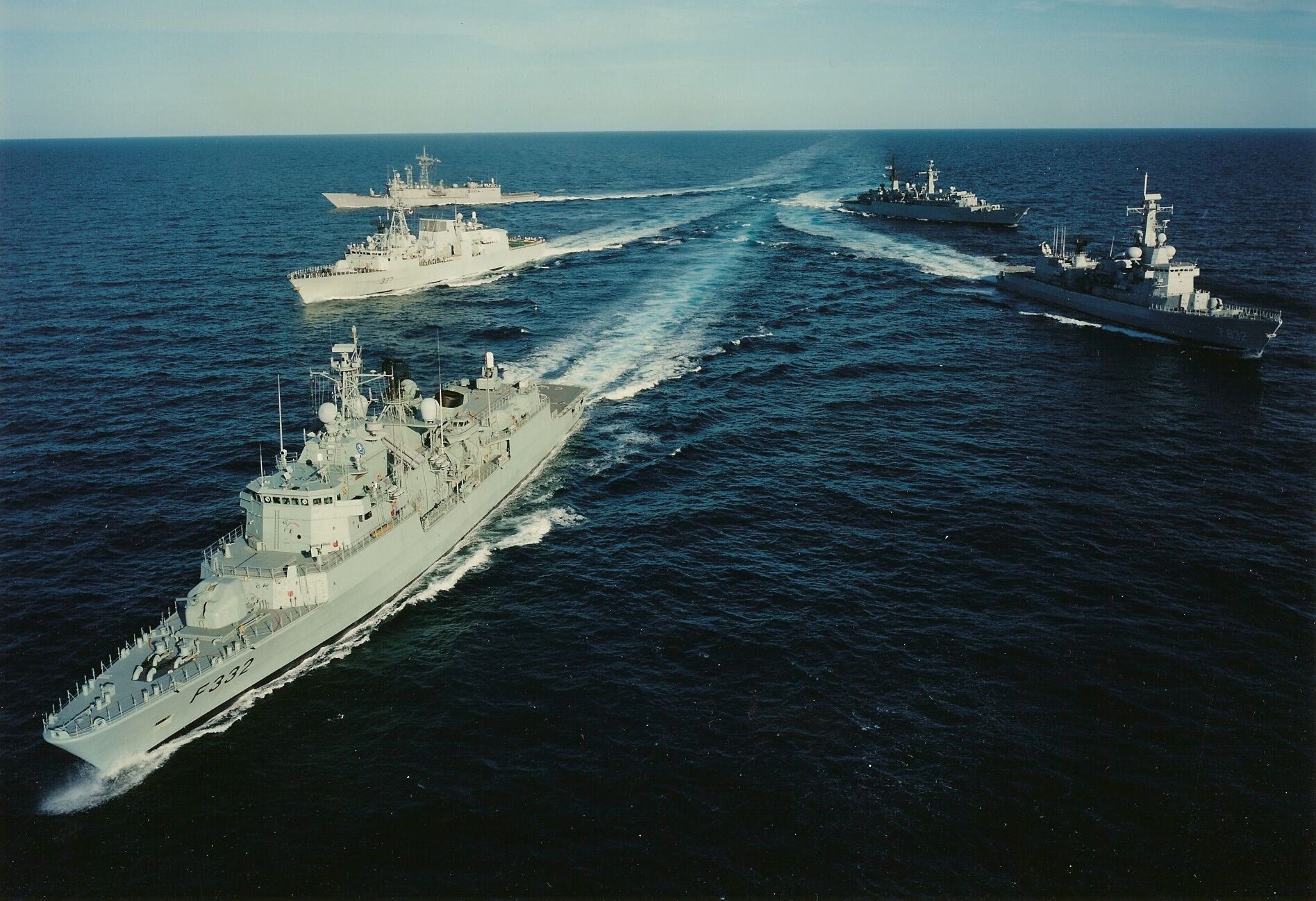
The European Union's policy of isolation enters the next round. Battleships are supposed to fix the situation. Instead of increased militarization, CADUS calls for a political solution that enables legal migration for refugees into the EU.
We took the news that NATO battleships are going to be sent to the Mediterranean Sea to track and disable human trafficking networks with grave concern. With the continuing flow of refugees across and around the Mediterranean and the drastic increase of European border protection (e.g. the Europe-Turkey-Deal), the new approach is going to make crossing the Aegean Sea even more dangerous and life-threatening.
"The people will continue to fly – on treacherous routes, under bad weather conditions and at night. So the number of casualties in the Mediterranean Sea will increase. The NATO's assurance to save refugees in distress is not going to change anything about that.", says Sebastian Jünemann, project coordinator for CADUS.
In addition to that, NATO´s practice is to send these refugees back to Turkey, instead of allowing them into the European Union.
The three-month time limit that the EU has imposed on Greece to improve its border protection, is an expression of the current dominating, political approach to the refugee situation. The Greek government, already under pressure, is left alone by its European allies and a single country is made responsible for a global issue.
CADUS is worried by this growing trend of treating the current refugee situation as a matter of (trans-) national security, which can be solved by the police or military.
Jünemann concludes: "We demand a solid united, political solution for the refugee issue and legal migration options for refugees instead of isolation, armament and problem shifting."
Published
Author: by Jonas Grünwald
Die Situation überall in Rojava ist nach wie vor dramatisch
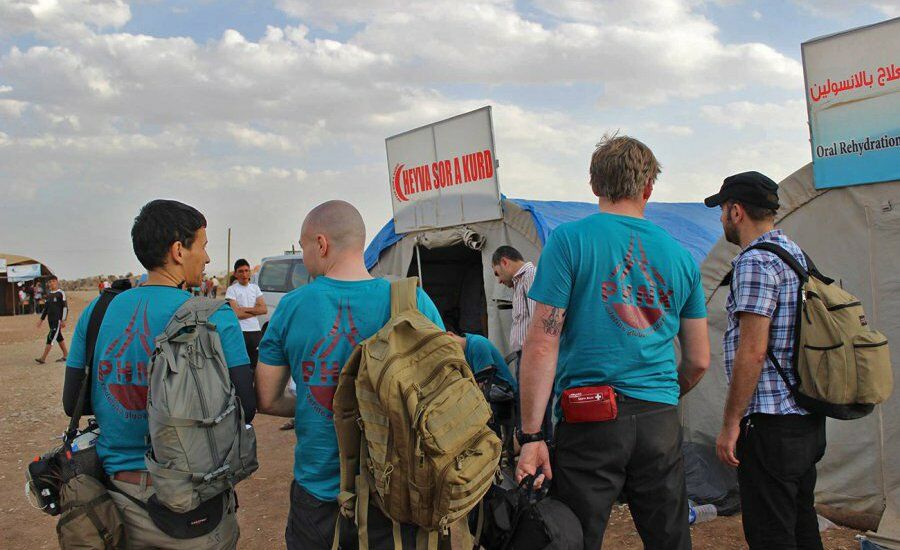
Die Menschen vor Ort sind mit ihren Herzen und Gedanken zur Zeit hauptsächlich in Kobanê, aber auch in anderen Städten und Kantonen ist die Lage äußerst kritisch. Bei Besuchen verschiedener Krankenhäuser und Gesundheitsstationen wird deutlich, dass es im medizinischen Bereich schlichtweg an allem mangelt: Von …
Rojava: Sere Kaniye
Sere Kaniye (Ras al Ain, ca. 55000 Einwohner) war längere Zeit vom IS besetzt, bevor es von der YPG/YPJ befreit wurde. In der Stadt sieht man die Spuren der Kämpfe an vielen Häusern.
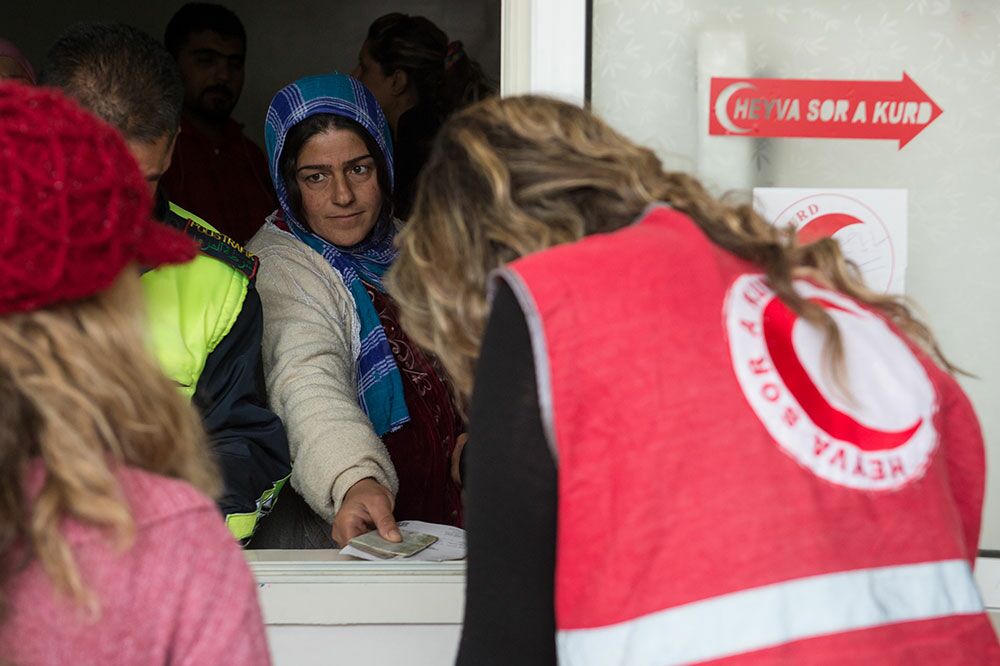
Unsere erste Woche in Rojava 1/2
Unser Fazit nach einer Woche: Wir haben mit sehr vielen ‚Ratsvorsitzenden‘ der Selbstverwaltungsstrukturen, Betroffenen des Krieges, sowie Flüchtlingen aus anderen Teilen Syriens und dem Irak gesprochen. Zudem haben wir einen guten Eindruck vom täglichen Leben in der Region bekommen.