Support at Slovenian-Croatian border
Published on 22. June 2017
from CADUS-PR
support-at-slovenian-croatian-border-feature-cadus_projekt_rojava-2015_05-04fcdaff
For the time being, state institutions, as well as the slovenian Red Cross disallowed any support of the refugees arriving at the border.
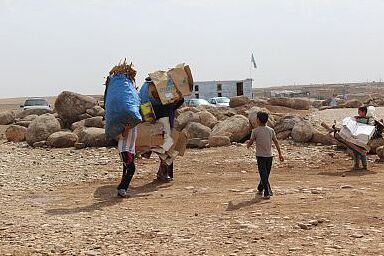
At this moment we, as CADUS, mainly try to concentrate on our work in the regions of North Syria. Nevertheless, as two weeks ago we were asked to support structures at the slovenian-croatian border to help refugee arriving there, we agreed on taking over research and coordination from Berlin for activists on-the-spot. Few hours later it was certain: The situation at the borders is disastrous. Unclear, seemingly arbitrary closings and re-openings of the border accrue constantly. Camps are totally undersupplied, they do not have enough food, not enough clothing, not enough of anything really.
Médecins sans frontières (MSF) as well as Save the Children have also stated on the catastrophic situation on site.
To ignore that we have good people on site, willing to help and that we do have the financial funds to pay for warm meals for refugees arriving at the border, was no option worth discussing. Therefore, as emergency measures, we decided to finance the work of our team that went directly to the borders of Slovenia and Croatia for one week.
The volunteers on site went straight to work to provide warm meals and beverages to refugees arriving at the border. Initially, these intentions were blocked by the Slovenian police and various bureaucratic barriers. Even members of the local Red Cross didn't attempt to help at all. Not until Médecins sans frontières (MSF) intervened and supported our volunteers in a discussion of several hours with the police, our team finally received the permission to give out warm meals to people desperately in need. As a measure of political impact on the Slovenian government, which in the end was carried out on the expenses of people in need of help and support, the local Red Cross even refused to put up tents directly at the border and instead let people stand and wait, sometimes for hours, in the purring rain and freezing cold.
Nevertheless, our hope is still that governmental as well as half-governmental structures that actually would be responsible for measures of primary supply, finally set themselves in motion and supply help to people in need of it.
We also hope that our supporters approve of our usage of financial funds to help out in a disastrous emergency and keep supporting our work.
To be able to react in such an emergency situation as it presents itself on the European borders at the moment, we came together as CADUS in the first place. And we will keep on standing up for and engaging in fast and un-bureaucratic help!
(Berlin/ Mursko Sredisce)
Published
Author: by Jan Kout
Three years of war in Ukraine – three years of emergency response
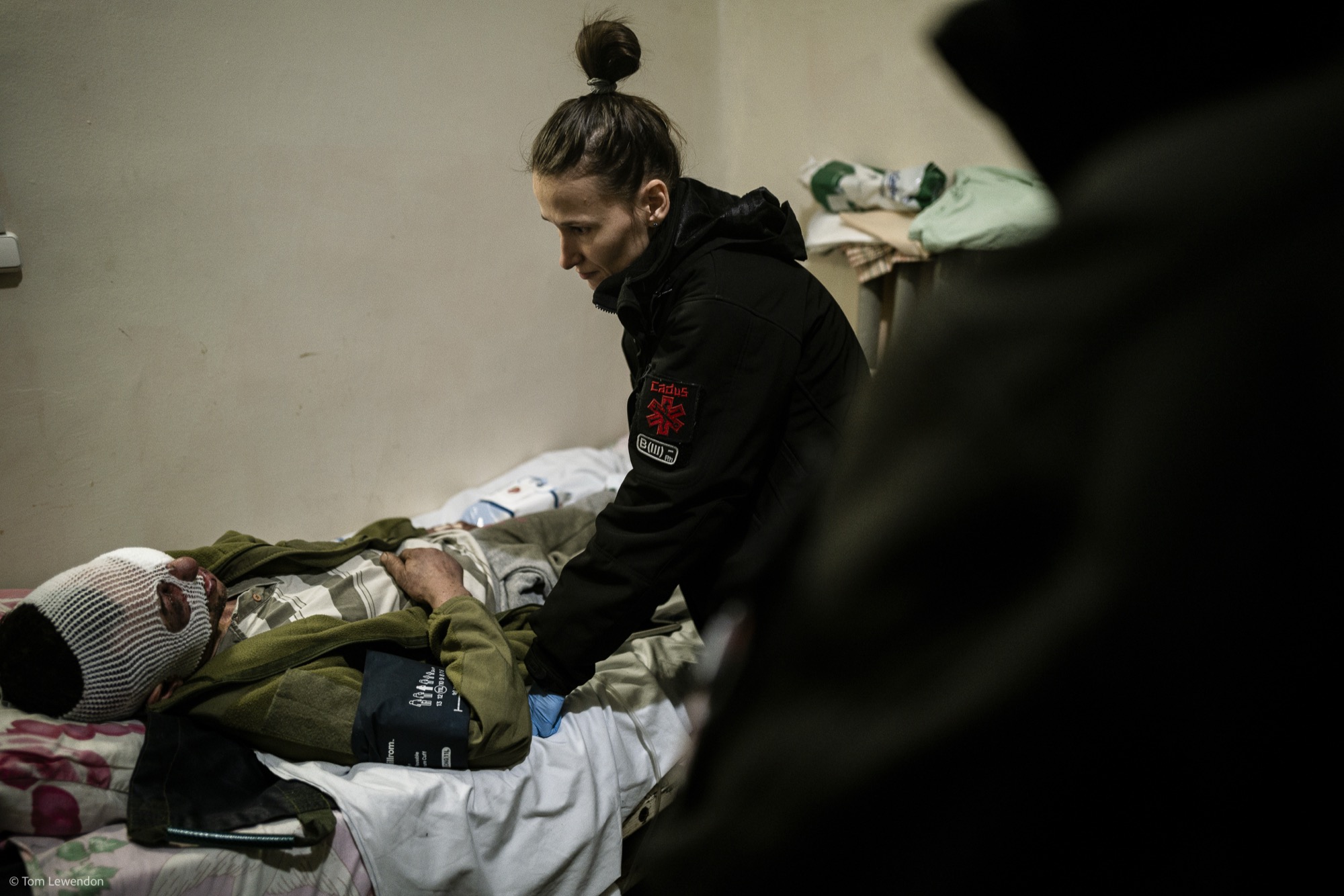
It is exactly three years to the day since Russia attacked Ukraine. 11 years since the occupation of Crimea. For the people of Ukraine, this means having to live their lives under the most adverse conditions, despite death and destruction. We have been supporting the people in Ukraine for three years. A contribution from our team in Ukraine:
Hardened fronts – CADUS annual review 2024
The year 2024 was special for us in three ways: we celebrated our 10th anniversary, embarked on our most challenging mission to date and, after several busy years, finally classified ourselves as an Emergency Medical Team. But first things
CADUS at 38c3 – Reports from the field and a very special job center
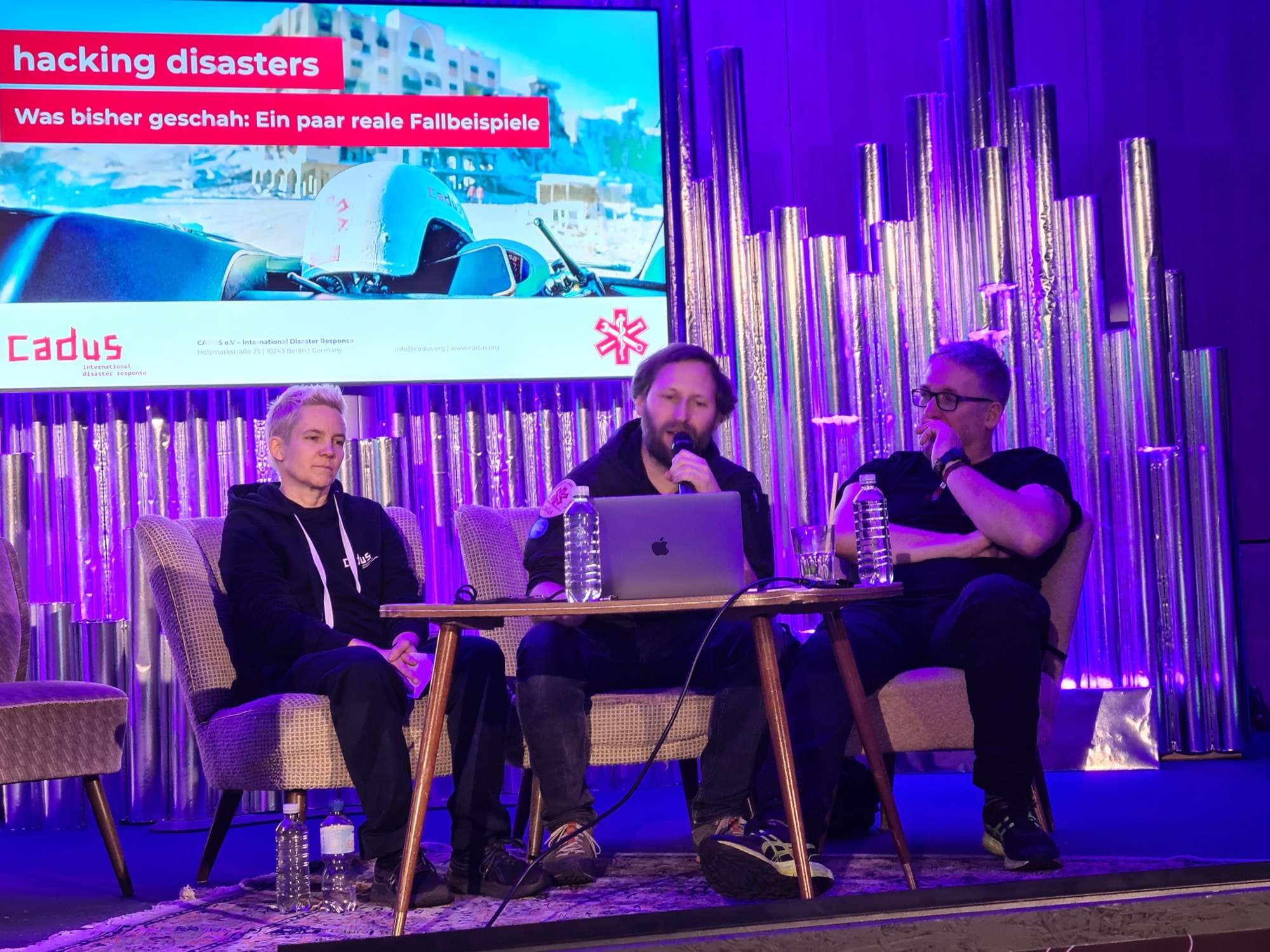
At the end of 2024, we really went all out once again: At the Chaos Communication Congress 38C3, there were several presentations by CADUS and a rather unusual humanitarian job consultation.