Support at Slovenian-Croatian border
Published on 22. June 2017
from CADUS-PR
support-at-slovenian-croatian-border-feature-cadus_projekt_rojava-2015_05-04fcdaff
For the time being, state institutions, as well as the slovenian Red Cross disallowed any support of the refugees arriving at the border.
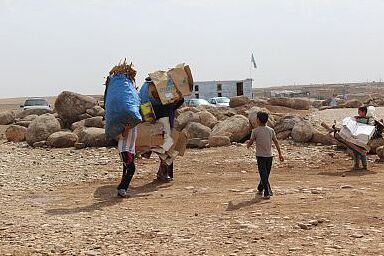
At this moment we, as CADUS, mainly try to concentrate on our work in the regions of North Syria. Nevertheless, as two weeks ago we were asked to support structures at the slovenian-croatian border to help refugee arriving there, we agreed on taking over research and coordination from Berlin for activists on-the-spot. Few hours later it was certain: The situation at the borders is disastrous. Unclear, seemingly arbitrary closings and re-openings of the border accrue constantly. Camps are totally undersupplied, they do not have enough food, not enough clothing, not enough of anything really.
Médecins sans frontières (MSF) as well as Save the Children have also stated on the catastrophic situation on site.
To ignore that we have good people on site, willing to help and that we do have the financial funds to pay for warm meals for refugees arriving at the border, was no option worth discussing. Therefore, as emergency measures, we decided to finance the work of our team that went directly to the borders of Slovenia and Croatia for one week.
The volunteers on site went straight to work to provide warm meals and beverages to refugees arriving at the border. Initially, these intentions were blocked by the Slovenian police and various bureaucratic barriers. Even members of the local Red Cross didn't attempt to help at all. Not until Médecins sans frontières (MSF) intervened and supported our volunteers in a discussion of several hours with the police, our team finally received the permission to give out warm meals to people desperately in need. As a measure of political impact on the Slovenian government, which in the end was carried out on the expenses of people in need of help and support, the local Red Cross even refused to put up tents directly at the border and instead let people stand and wait, sometimes for hours, in the purring rain and freezing cold.
Nevertheless, our hope is still that governmental as well as half-governmental structures that actually would be responsible for measures of primary supply, finally set themselves in motion and supply help to people in need of it.
We also hope that our supporters approve of our usage of financial funds to help out in a disastrous emergency and keep supporting our work.
To be able to react in such an emergency situation as it presents itself on the European borders at the moment, we came together as CADUS in the first place. And we will keep on standing up for and engaging in fast and un-bureaucratic help!
(Berlin/ Mursko Sredisce)
Published
Author: by Jan Kout
Die Situation überall in Rojava ist nach wie vor dramatisch
Die Menschen vor Ort sind mit ihren Herzen und Gedanken zur Zeit hauptsächlich in Kobanê, aber auch in anderen Städten und Kantonen ist die Lage äußerst kritisch. Bei Besuchen verschiedener Krankenhäuser und Gesundheitsstationen wird deutlich, dass es im medizinischen Bereich schlichtweg an allem mangelt: Von …
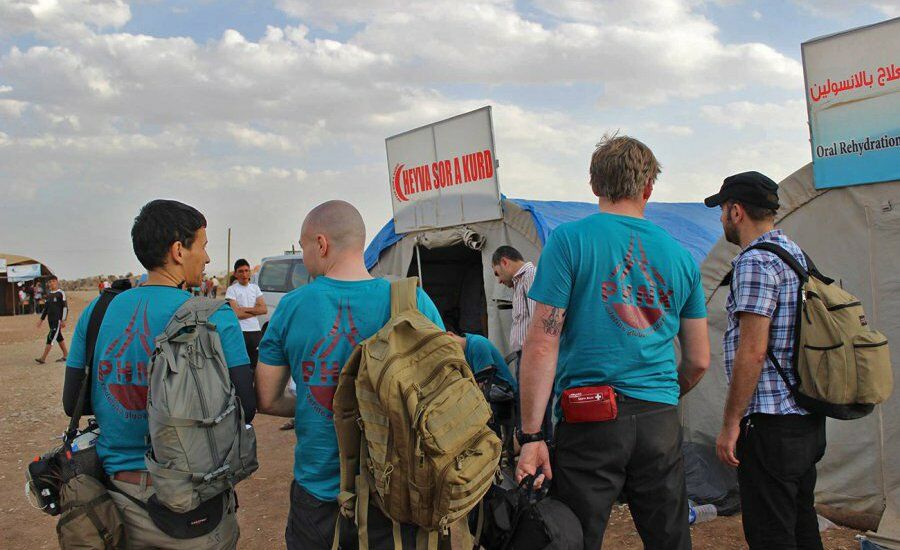
Rojava: Sere Kaniye
Sere Kaniye (Ras al Ain, ca. 55000 Einwohner) war längere Zeit vom IS besetzt, bevor es von der YPG/YPJ befreit wurde. In der Stadt sieht man die Spuren der Kämpfe an vielen Häusern.
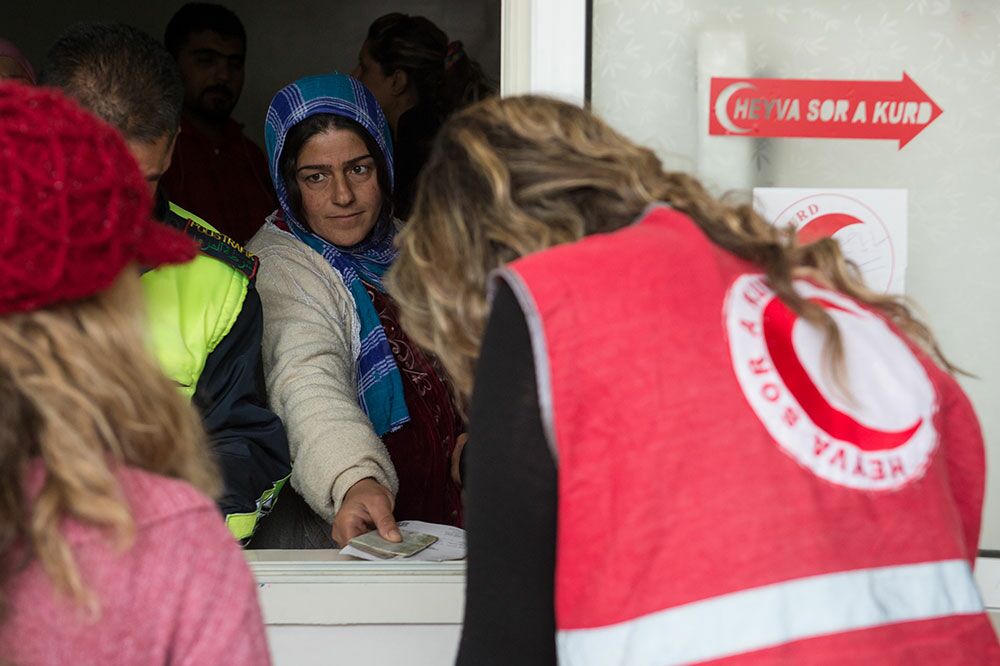
Unsere erste Woche in Rojava 1/2
Unser Fazit nach einer Woche: Wir haben mit sehr vielen ‚Ratsvorsitzenden‘ der Selbstverwaltungsstrukturen, Betroffenen des Krieges, sowie Flüchtlingen aus anderen Teilen Syriens und dem Irak gesprochen. Zudem haben wir einen guten Eindruck vom täglichen Leben in der Region bekommen.