Triage – who to treat first?
Published on 23. July 2019
from CADUS-PR
triage-who-to-treat-first-feature-_3060465-9410d529
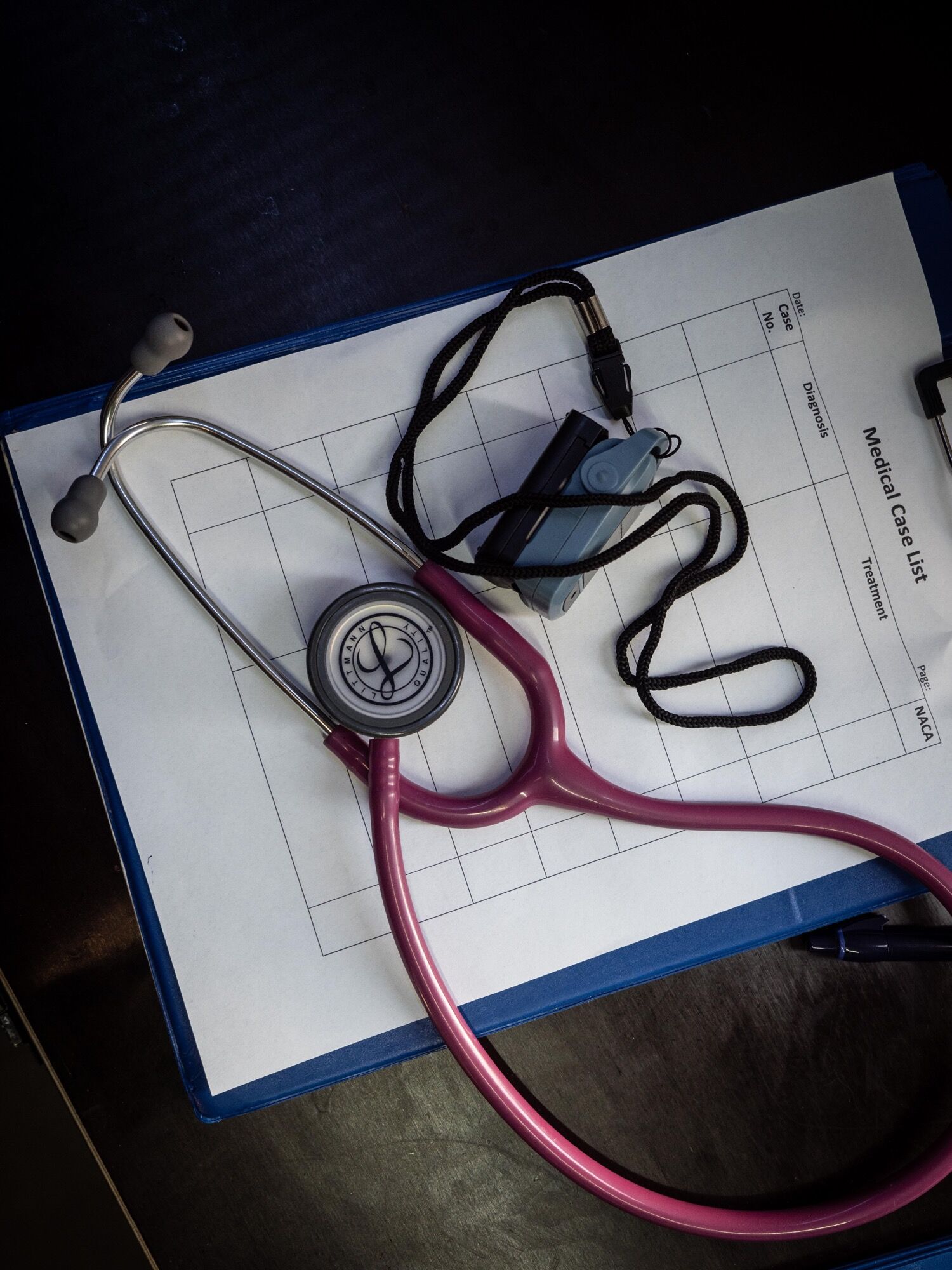
"Medical help is given to the person who needs it most." But how is it decided who has the most need?
After a bomb blast with many injured in the war zone, victims of an earthquake, mass carcass on motorways or Friday evenings in the crowded emergency room in the hospital in Berlin Friedrichshain – everywhere rescue workers use the system of "triage".
The aim is to identify the patients who most need medical treatment and treat them. The Triage-System will be teached to our local staff in the field hospital at al-Hol Camp in a continuous training session.
The concept was developed to divide the scarce human and material resources in cases of damage with countless injured people, so that as many people as possible can be helped. In the case of an emergency, however, this also means having to decide who no longer receives any medical help. This case occurs when there is no longer any chance of survival for the patient, or the help would disproportionately bind resources and thus penalize all other patients.
In order to be able to deliver an initial assessment within minutes, with sometimes more and sometimes less far-reaching consequences, it requires years of experience and the ability to quickly evaluate and estimate patient parameters. This applies to disaster as well as everyday life in ambulance and hospital.
In addition to services in the clinic, our on-site medical staff regularly completes training courses in which the assessment of patients is practiced. The training allows continuous improvement in the treatment of emergency patients and better communication between staff and other health care facilities beyond our commitment.
Published
Author: by Jonas Grünwald
Temporary Aid
The last open border crossing between Turkey and northern Syria is extended for one year, relief supplies can continue to be delivered to the northwest. 3.2 million people can thus be supplied for another 12 months. What happens afterthose 12 months is still uncertain.
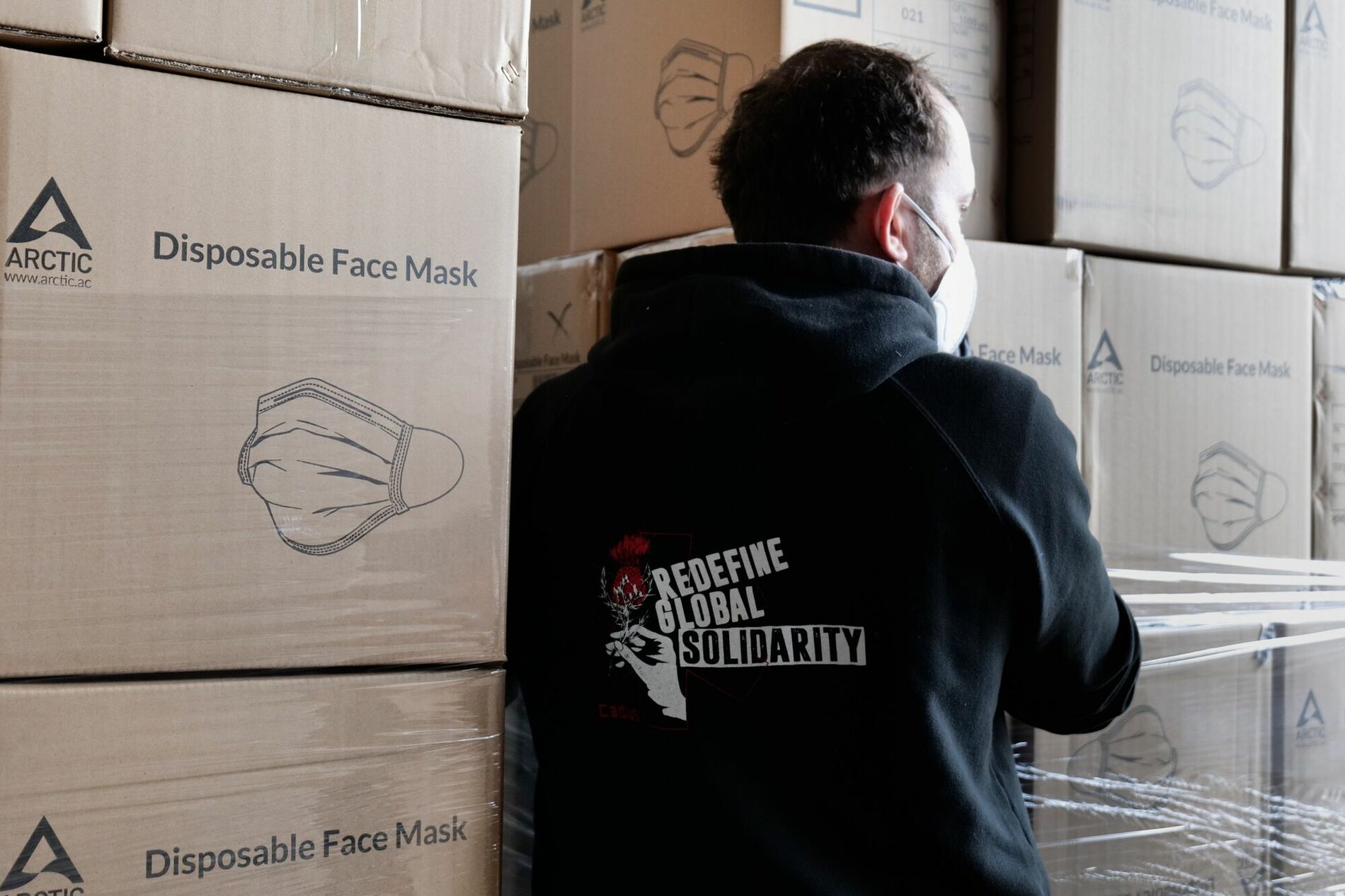
Masken für Europas Grenzen
In einer Zusammenarbeit von CADUS, St. Pauli und Humanilog wurden 1,5 Millionen gespendete, chirurgische Masken an 20 humanitäre Organisationen in Europa verteilt.
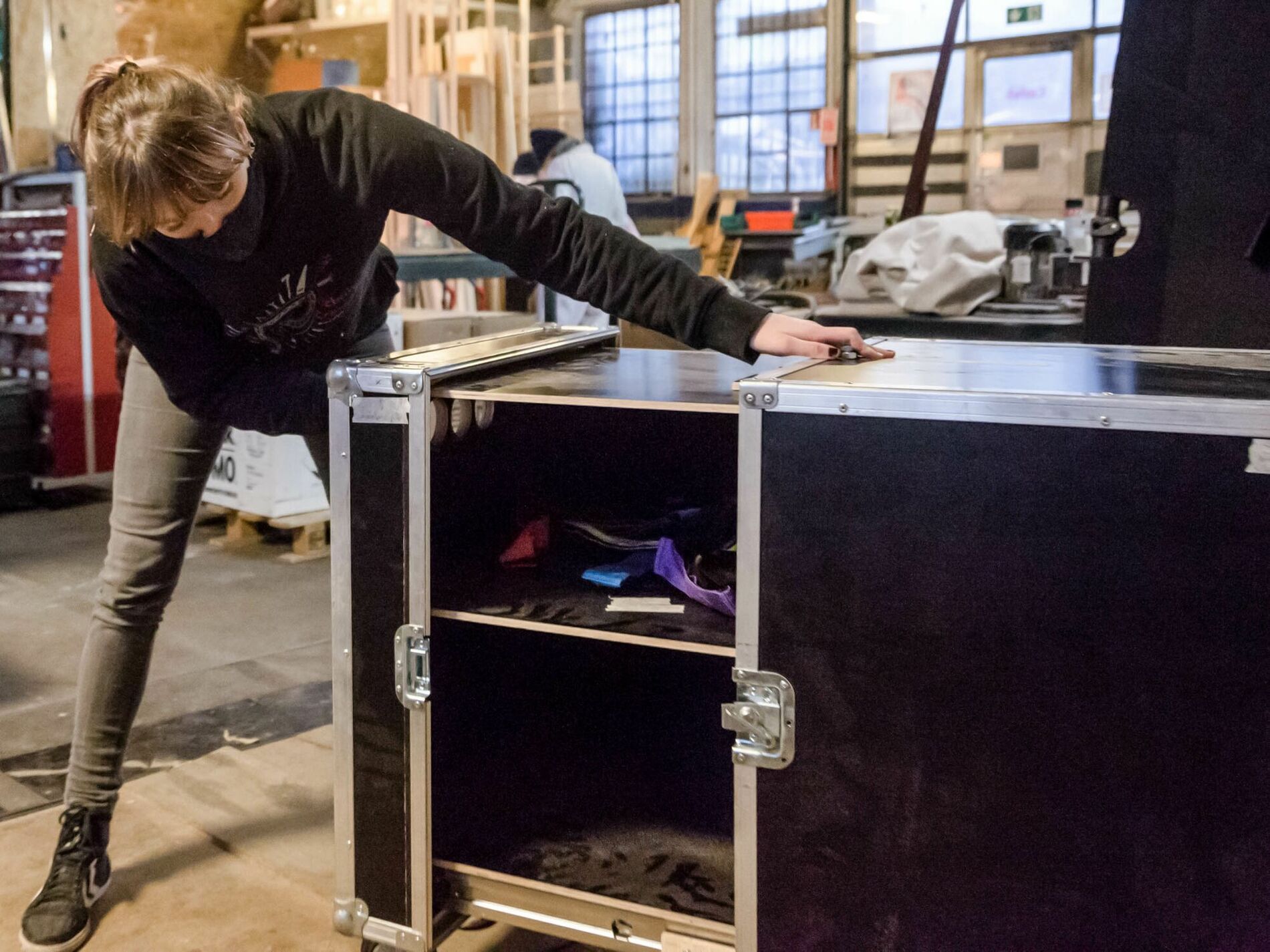
From box to a patient treatment place – developments in our makerspace
The requirements for equipment used in crisis areas are often quite different from those for normal medical equipment. In our Makerspace, we are currently developing various projects needed for missions. Two of our latest builds are a mobile washbasin and a modular treatment stations for patients.