Triage – who to treat first?
Published on 23. July 2019
from CADUS-PR
triage-who-to-treat-first-feature-_3060465-9410d529
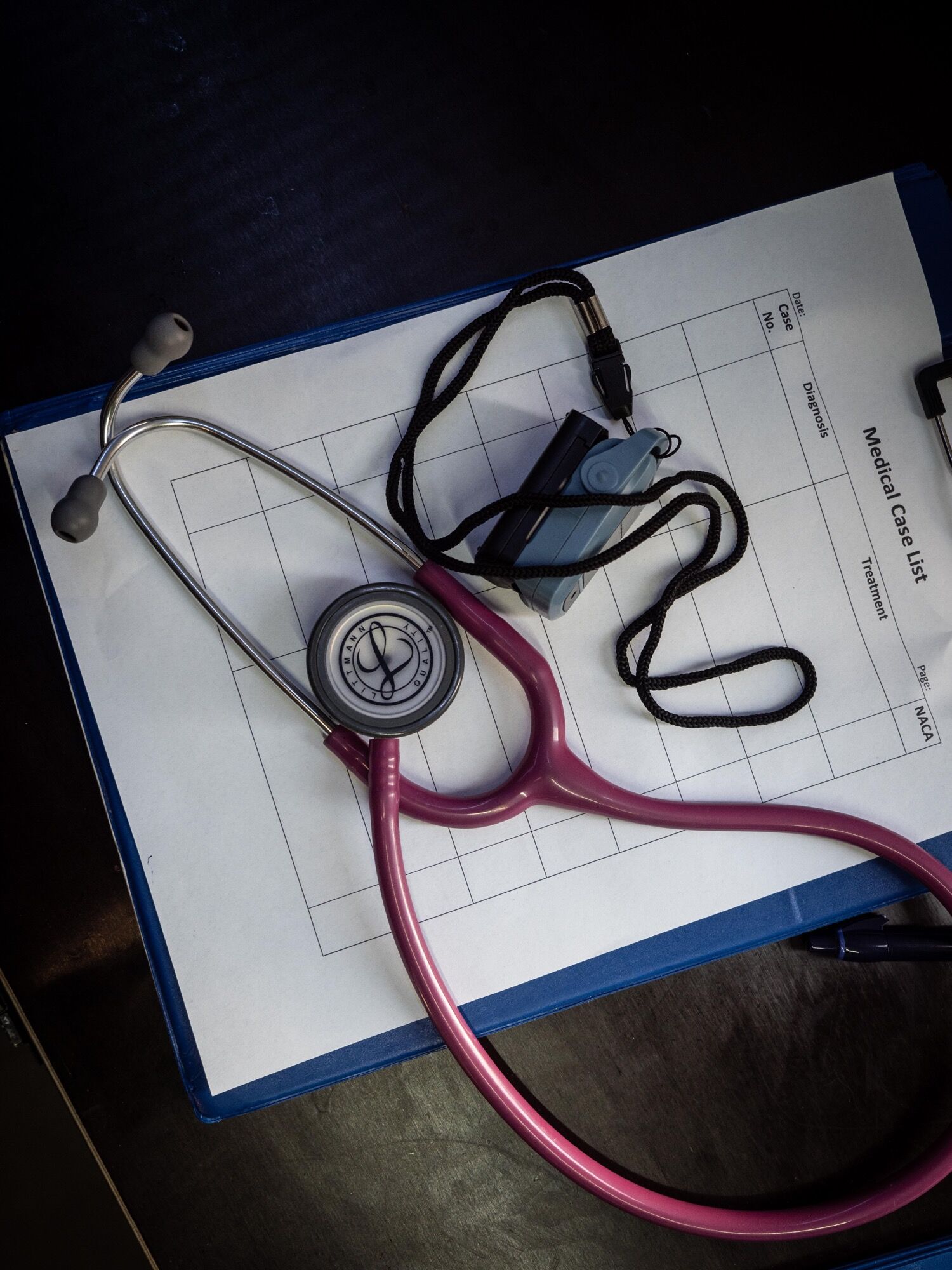
"Medical help is given to the person who needs it most." But how is it decided who has the most need?
After a bomb blast with many injured in the war zone, victims of an earthquake, mass carcass on motorways or Friday evenings in the crowded emergency room in the hospital in Berlin Friedrichshain – everywhere rescue workers use the system of "triage".
The aim is to identify the patients who most need medical treatment and treat them. The Triage-System will be teached to our local staff in the field hospital at al-Hol Camp in a continuous training session.
The concept was developed to divide the scarce human and material resources in cases of damage with countless injured people, so that as many people as possible can be helped. In the case of an emergency, however, this also means having to decide who no longer receives any medical help. This case occurs when there is no longer any chance of survival for the patient, or the help would disproportionately bind resources and thus penalize all other patients.
In order to be able to deliver an initial assessment within minutes, with sometimes more and sometimes less far-reaching consequences, it requires years of experience and the ability to quickly evaluate and estimate patient parameters. This applies to disaster as well as everyday life in ambulance and hospital.
In addition to services in the clinic, our on-site medical staff regularly completes training courses in which the assessment of patients is practiced. The training allows continuous improvement in the treatment of emergency patients and better communication between staff and other health care facilities beyond our commitment.
Published
Author: by Jonas Grünwald
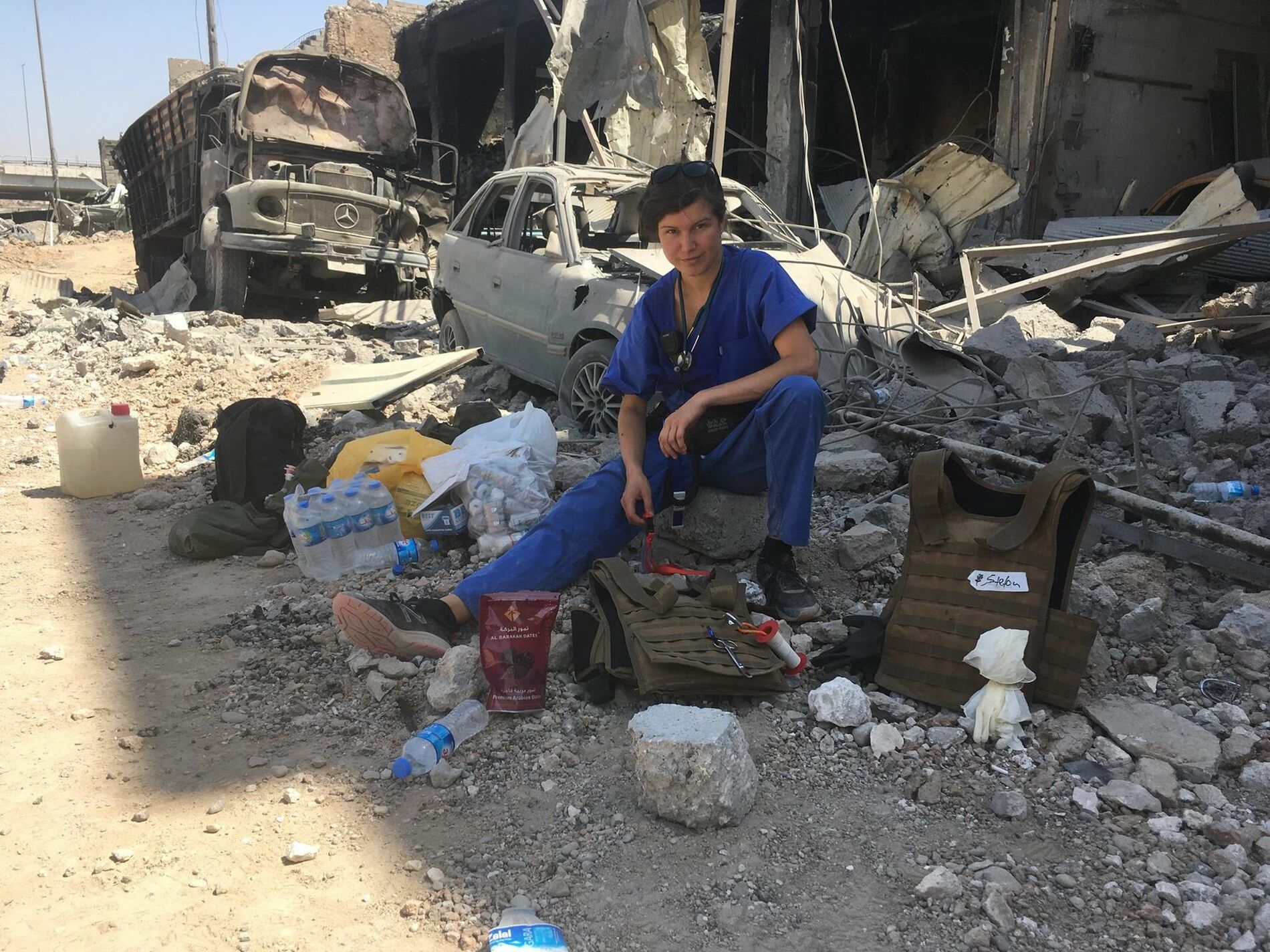
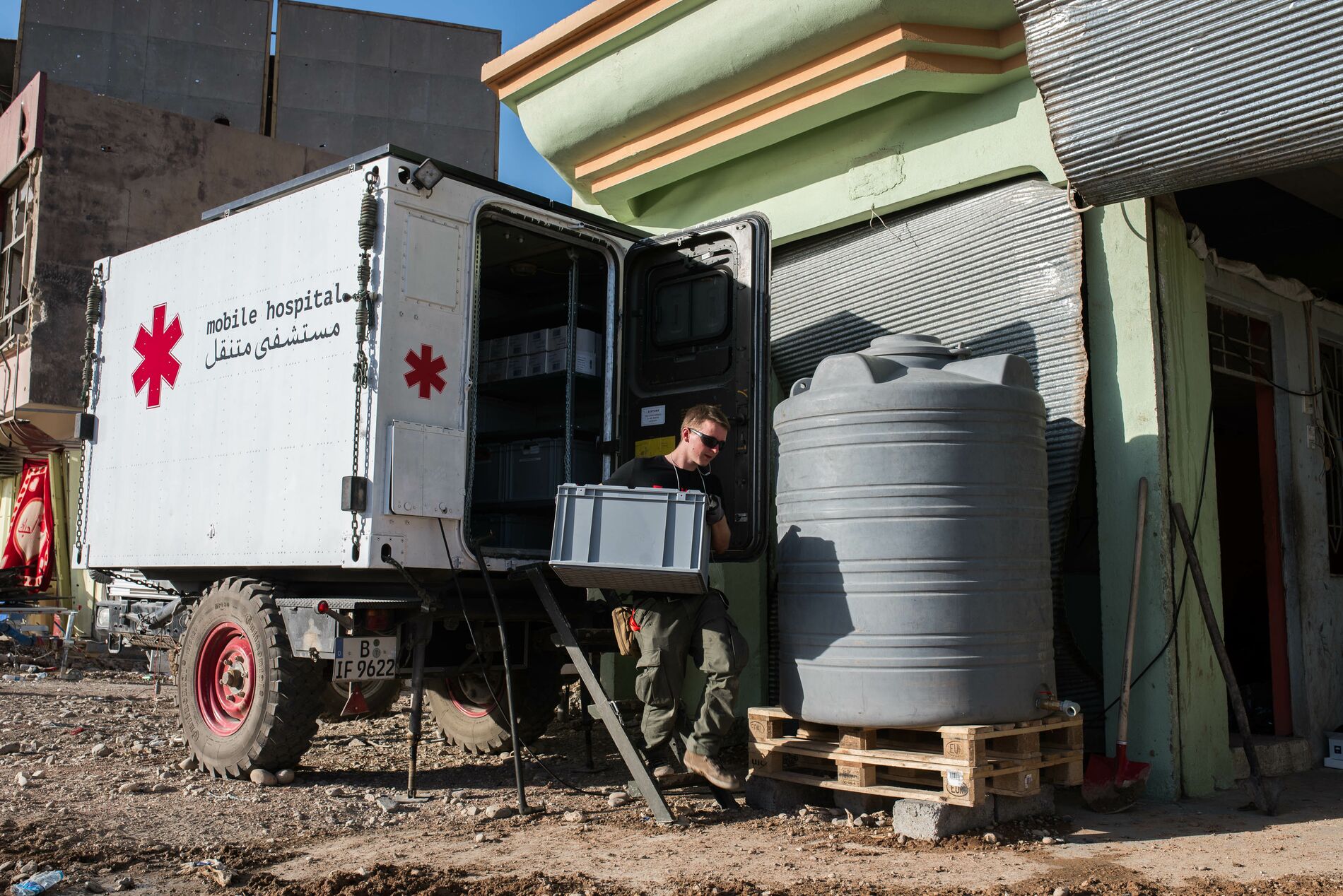
Three weeks as a medic in Mosul, three weeks in a warzone.
"[...], despite the many dead and the impression that my own work would be nothing but a drop in the ocean. Even though you can always discuss the political impact of humanitarian missions, their meaningfulness to me is justified and indisputable. It is a sign of solidarity, of not looking the other way. If you think a …
Between lust for life and war
"People are celebrating in order to forget and enjoying life because many know that these moments are fleeting. Perhaps they also try to push away the fact that, with all the security and quality of life there is now, Erbil would almost have suffered the same fate as Mosul in 2014." Kris, Head of Mission in Erbil, is …
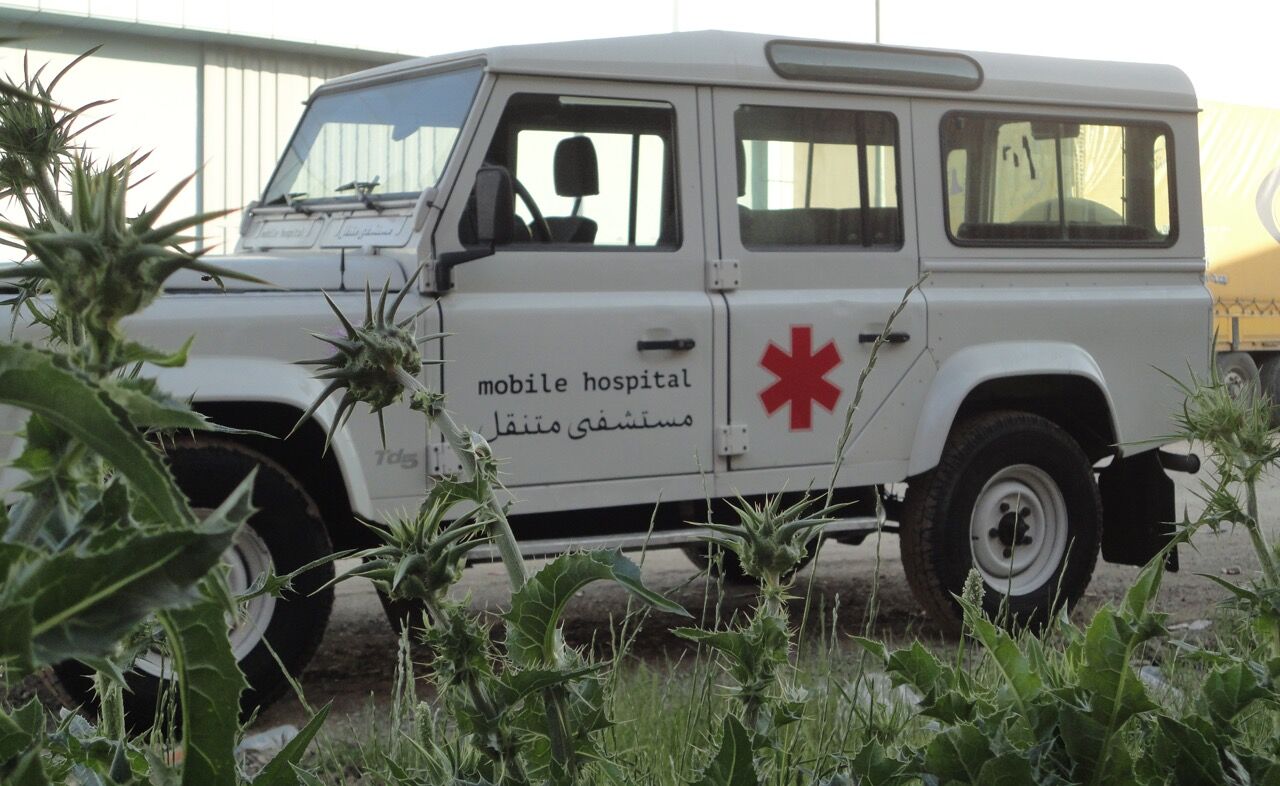
Our personal Easter present: we finally arrived
We have been fairly quiet since the “Mobile Hospital” left for northern Iraq even though a lot has happened. But the most important news is that we have successfully arrived.