Triage – who to treat first?
Published on 23. July 2019
from CADUS-PR
triage-who-to-treat-first-feature-_3060465-9410d529
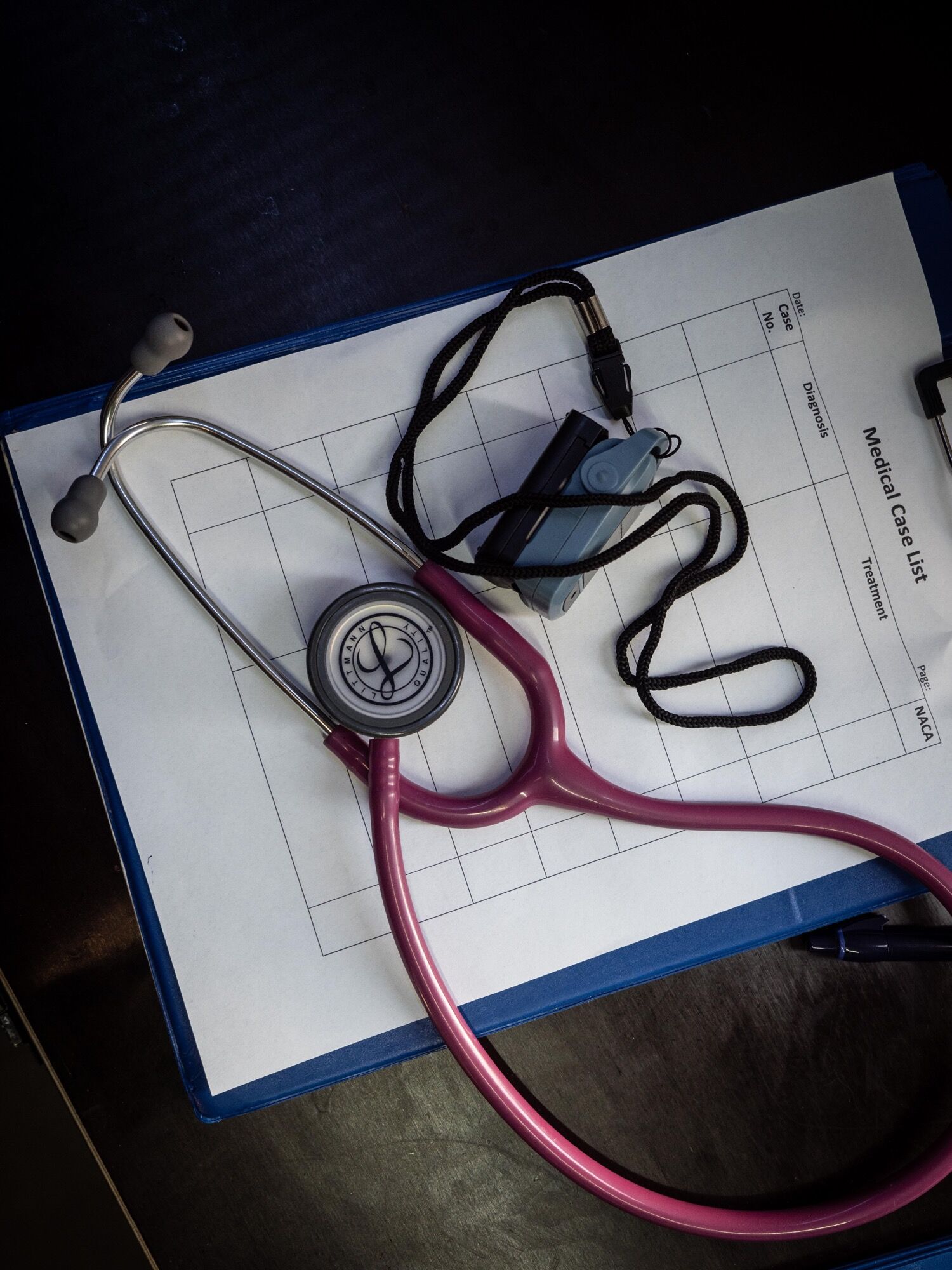
"Medical help is given to the person who needs it most." But how is it decided who has the most need?
After a bomb blast with many injured in the war zone, victims of an earthquake, mass carcass on motorways or Friday evenings in the crowded emergency room in the hospital in Berlin Friedrichshain – everywhere rescue workers use the system of "triage".
The aim is to identify the patients who most need medical treatment and treat them. The Triage-System will be teached to our local staff in the field hospital at al-Hol Camp in a continuous training session.
The concept was developed to divide the scarce human and material resources in cases of damage with countless injured people, so that as many people as possible can be helped. In the case of an emergency, however, this also means having to decide who no longer receives any medical help. This case occurs when there is no longer any chance of survival for the patient, or the help would disproportionately bind resources and thus penalize all other patients.
In order to be able to deliver an initial assessment within minutes, with sometimes more and sometimes less far-reaching consequences, it requires years of experience and the ability to quickly evaluate and estimate patient parameters. This applies to disaster as well as everyday life in ambulance and hospital.
In addition to services in the clinic, our on-site medical staff regularly completes training courses in which the assessment of patients is practiced. The training allows continuous improvement in the treatment of emergency patients and better communication between staff and other health care facilities beyond our commitment.
Published
Author: by Jonas Grünwald
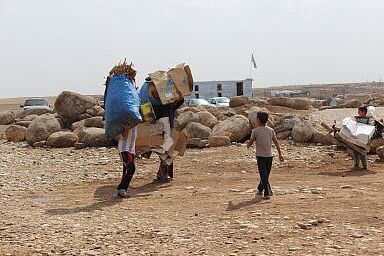
Die Situation überall in Rojava ist nach wie vor dramatisch
Die Menschen vor Ort sind mit ihren Herzen und Gedanken zur Zeit hauptsächlich in Kobanê, aber auch in anderen Städten und Kantonen ist die Lage äußerst kritisch. Bei Besuchen verschiedener Krankenhäuser und Gesundheitsstationen wird deutlich, dass es im medizinischen Bereich schlichtweg an allem mangelt: Von …
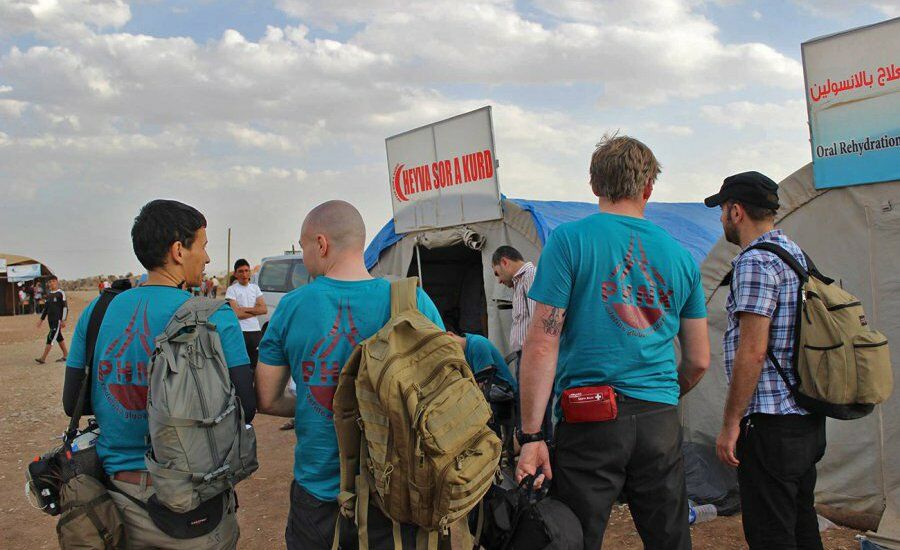
Rojava: Sere Kaniye
Sere Kaniye (Ras al Ain, ca. 55000 Einwohner) war längere Zeit vom IS besetzt, bevor es von der YPG/YPJ befreit wurde. In der Stadt sieht man die Spuren der Kämpfe an vielen Häusern.
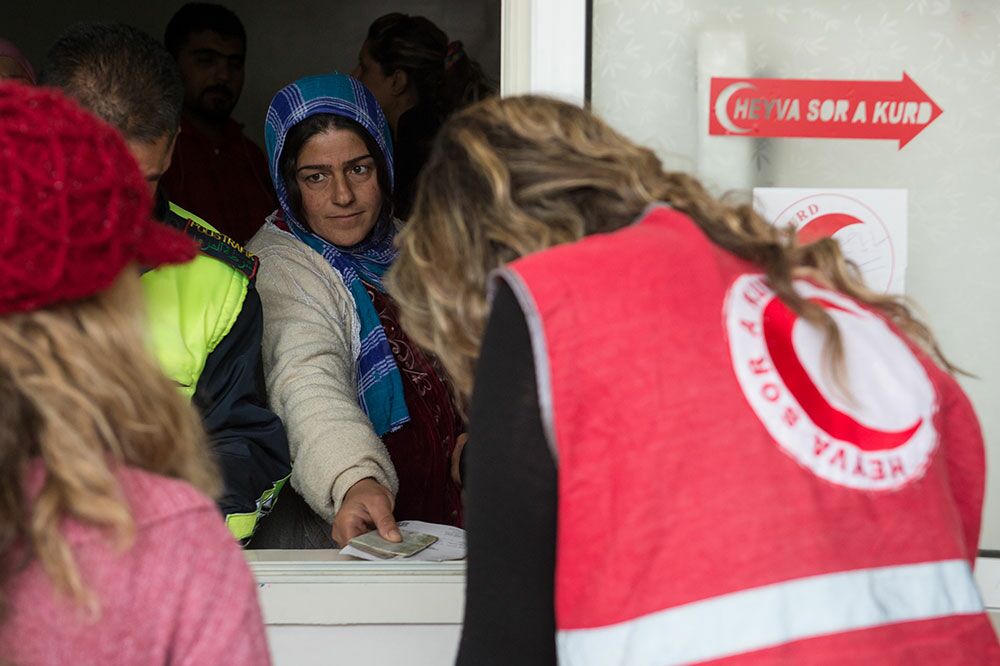
Unsere erste Woche in Rojava 1/2
Unser Fazit nach einer Woche: Wir haben mit sehr vielen ‚Ratsvorsitzenden‘ der Selbstverwaltungsstrukturen, Betroffenen des Krieges, sowie Flüchtlingen aus anderen Teilen Syriens und dem Irak gesprochen. Zudem haben wir einen guten Eindruck vom täglichen Leben in der Region bekommen.