Safety issues in a warzone
Published on 31. July 2017
from CADUS-PR
von-sicherheit-und-anderen-notwendigkeiten-im-kriegsgebiet-201-feature-Auswahl220281420von201729-6bf882c2
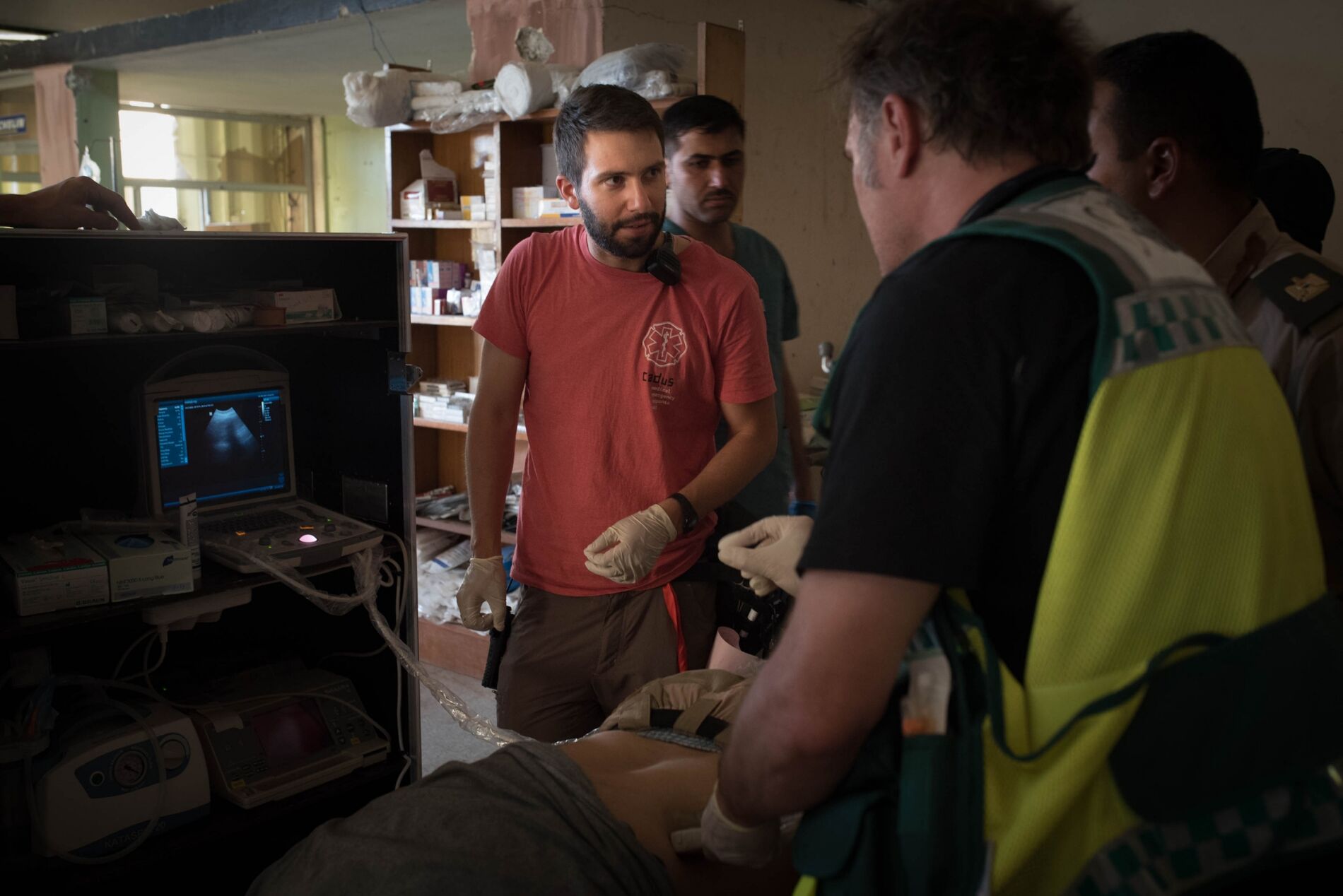
Right next to our camp is the “Casualties Collection Point” (CCP) of the 9th division of the Iraqi military. A CCP is the military version of our “Trauma Stabilisation Points (TSP). Throughout Mossul, all non-governmental TSPs are entirely embedded in the military posts, where NGO staff and military units eat, sleep and work together side by side.
Peculiar insofar as the fact that humanitarian organizations are usually bound to a pledge of political neutrality/ policy of non-alignment. However, as the “Islamic State” couldn’t care less about the Geneva Convention and considers hospitals a legitimate target, the close cooperation of military and NGOs was born out of a necessity for safety.
Furthermore, with the current situation, the only way for organizations like ours to reach injured civilians, or for them to reach us, is through the military. The “Islamic State” shoots civilians attempting to flee and likewise fires at members of aid groups who are attempting to help the injured.
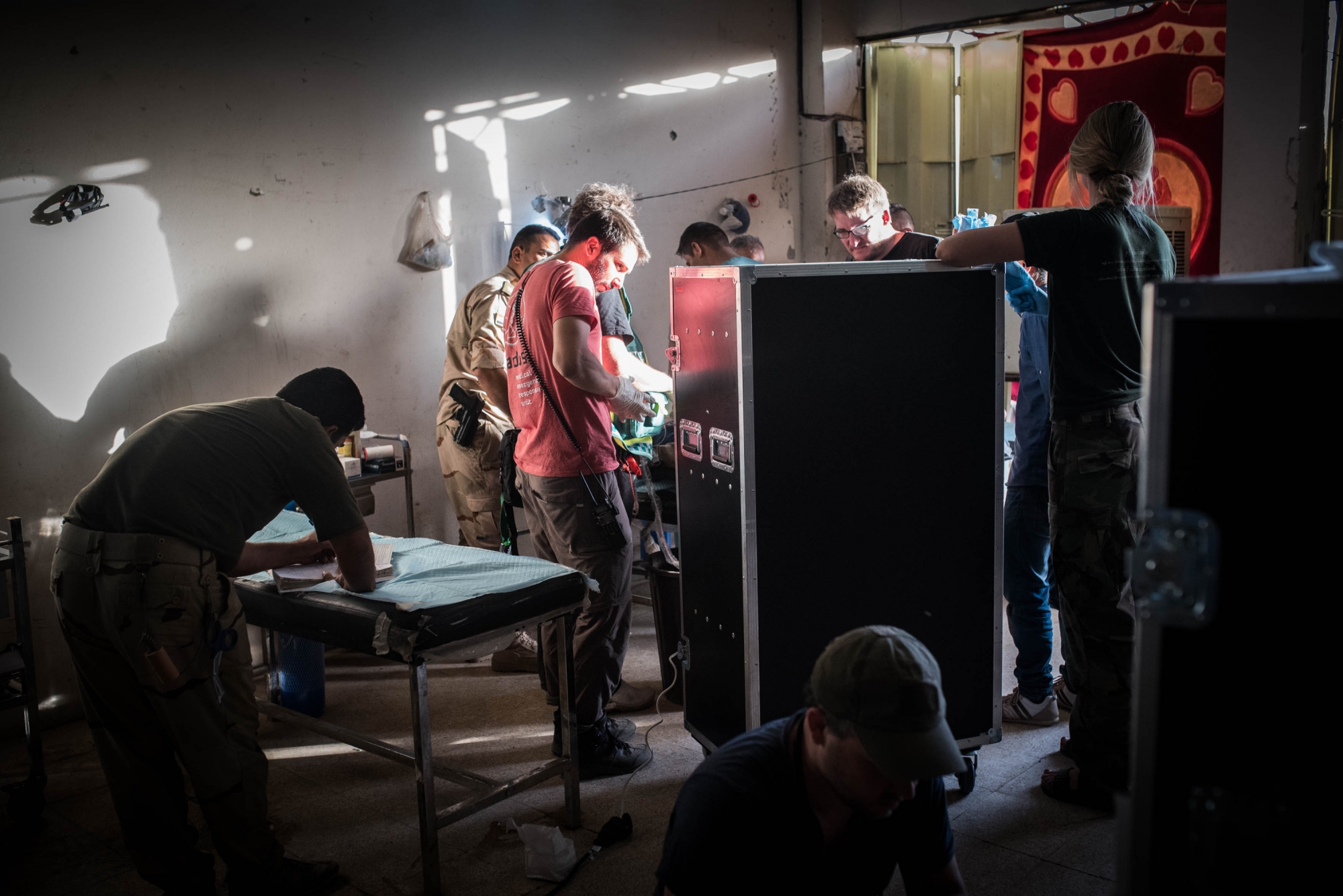
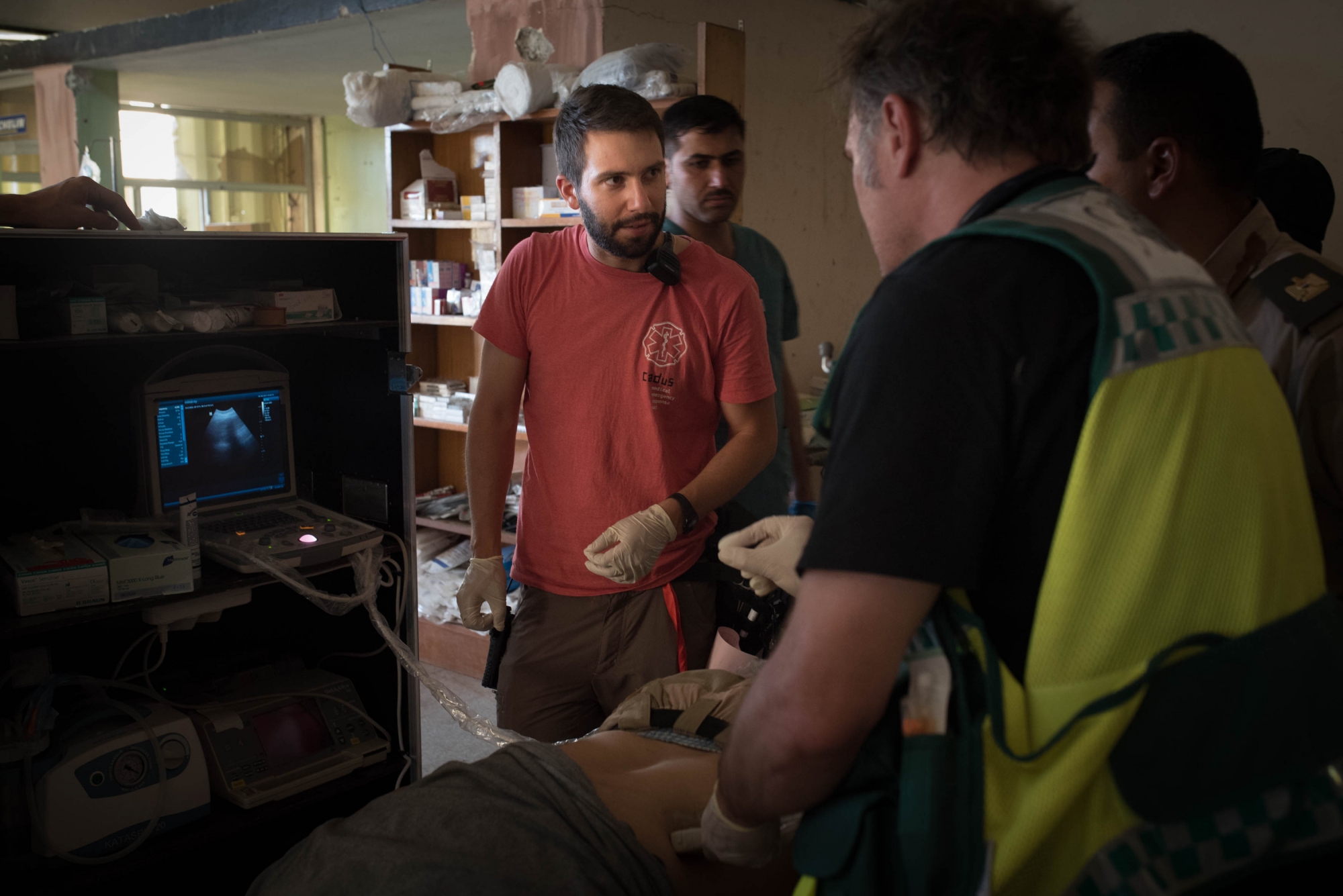
The only way to get medical attention is to get picked up by the military, who are themselves retrieving their injured troops. Otherwise, wounded civilians are left to succumb to their injuries or the desert sun in the wastelands between the Iraqi military and the “Islamic State”.
These circumstances have led us to work much closer with the military than intended. The collaboration between NGOs and the Iraqi army is on one hand an important safety measure and on the other hand an emergency logistical necessity. Reality is shifted in warzones. Nevertheless, helping civilian communities remains our highest priority.
Published
Author: by Jonas Grünwald
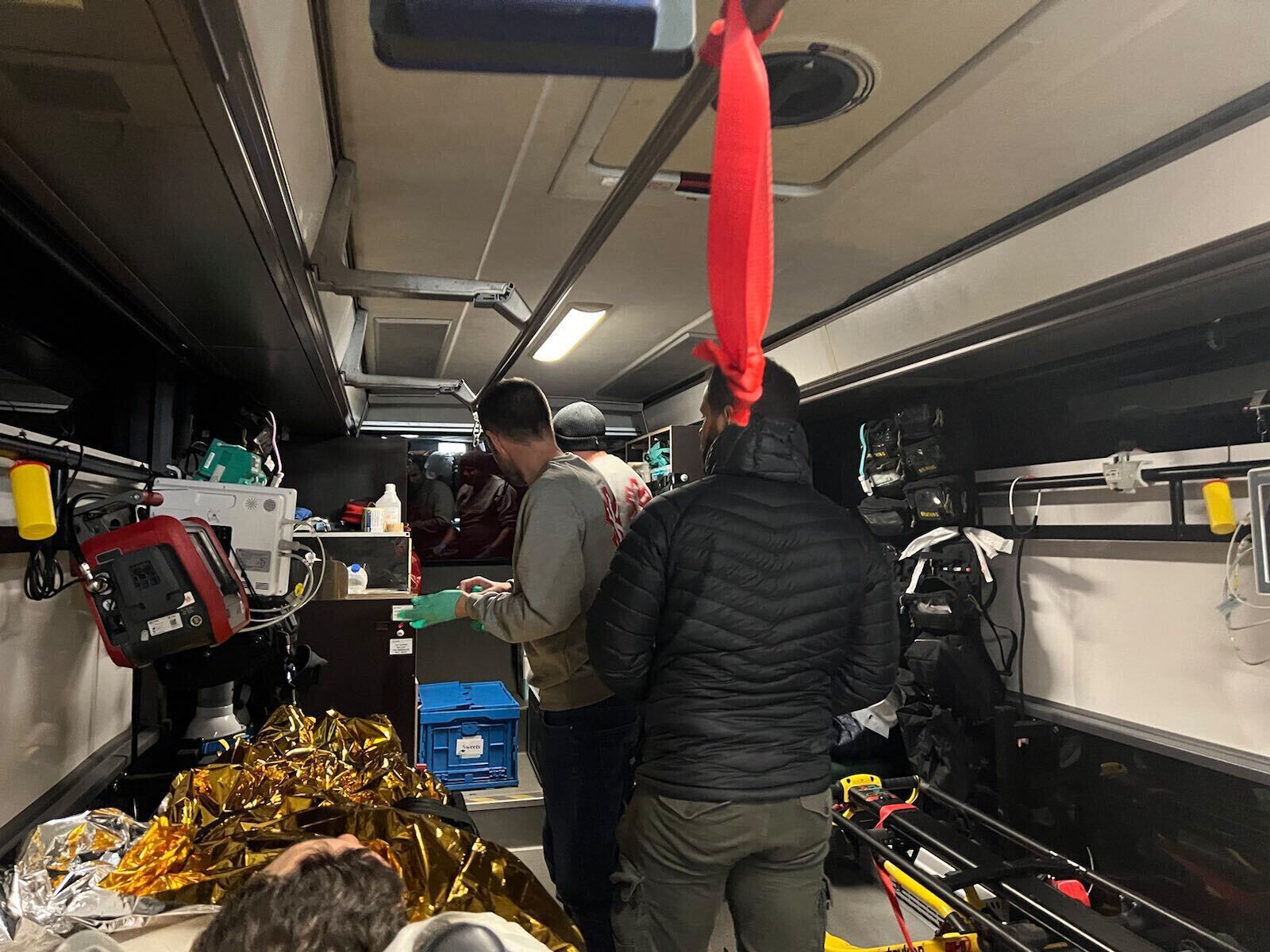
Rettungsdienst im Krisengebiet
Dnipro, Millionenstadt über 1800 Kilometer von Berlin, fast 500 Kilometer südöstlich der ukrainischen Hauptstadt Kiew: Vier bis sechs CADUS-Medics sind dort seit August im Wechsel im Einsatz. Mit bis zu vier eigenen Ambulanzfahrzeugen führen sie seither Transporte Schwerverletzter aus der Region im Osten (ca. 100 km …
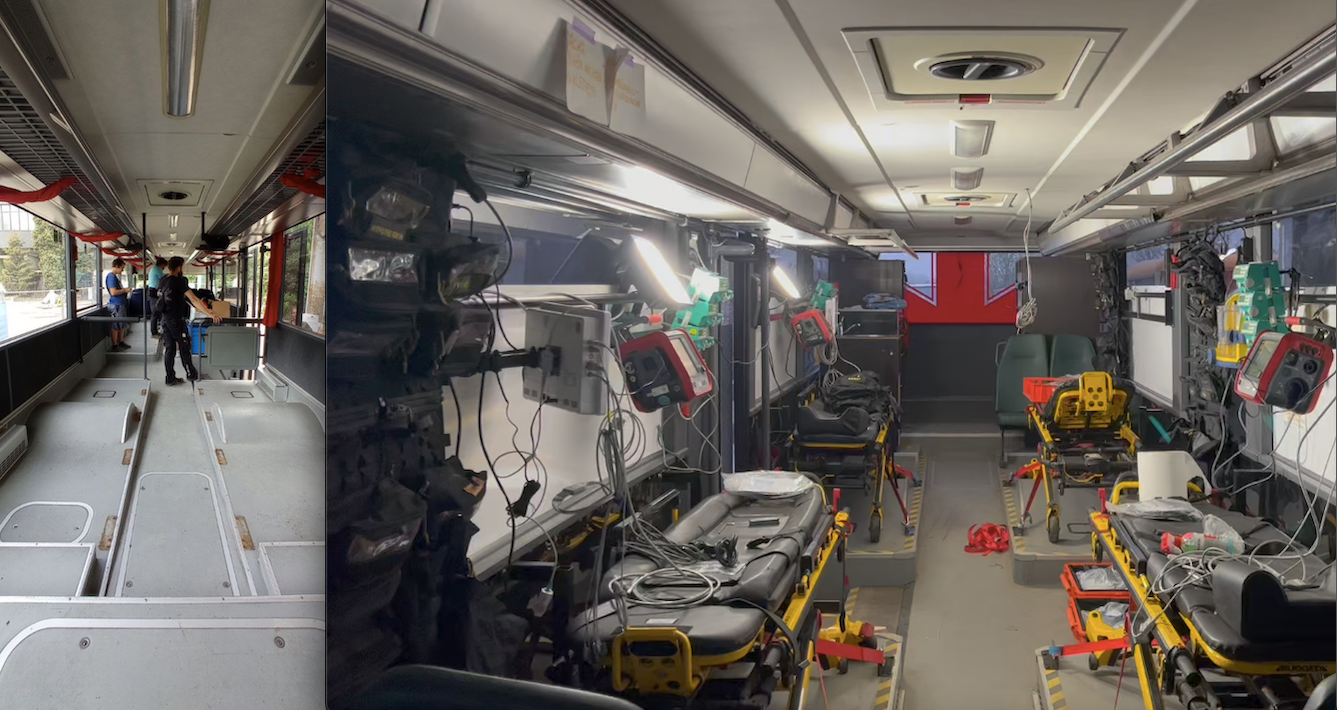
MICU – Vom Reisebus zum medizinischen Nightliner
Die Feuertaufe ist bestanden: unser Mobile-Intensive-Care-Unit-Bus, kurz „MICU“, hat seine erste Einsatzfahrt gemeistert. Mehrere Monate haben wir, mit der Hilfe vieler Supporter*innen in Berlin und der Ukraine, aus einem Reisebus eine rollende Intensivstation gebaut, um die medizinische Versorgung in der Ukraine zu …
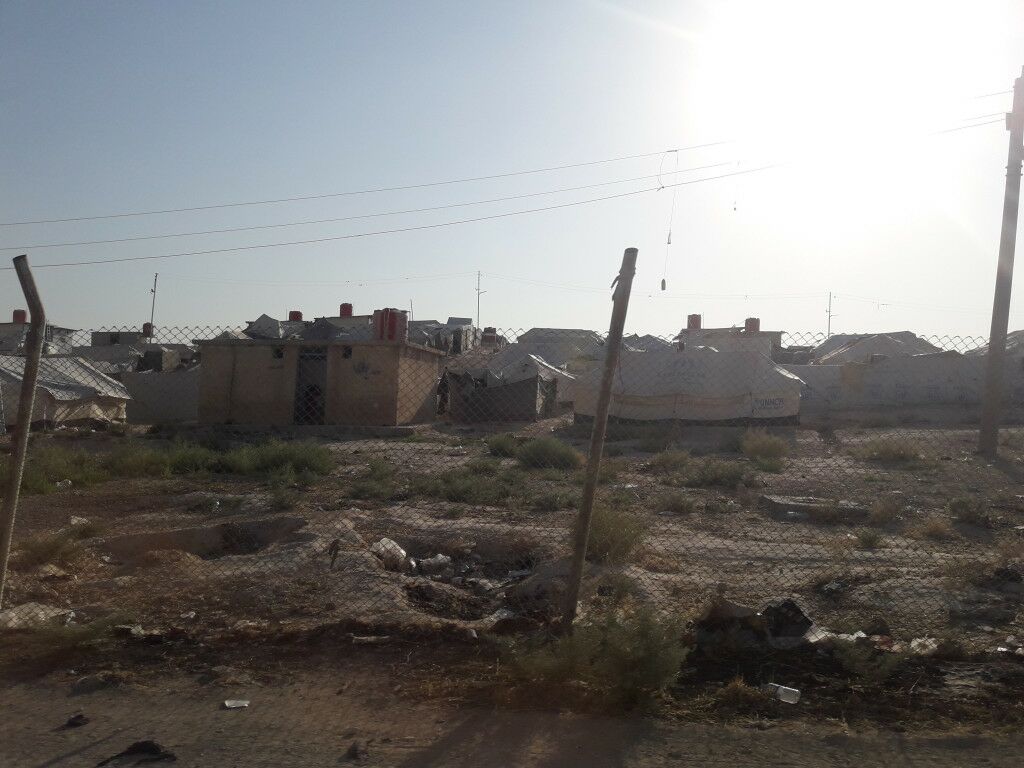
Feldkrankenhaus al-Hol: Perspektiven jenseits von Patient*innenzahlen
Bisher haben wir aus al-Hol meist mit einem Fokus auf unserer medizinischen Arbeit berichtet. Wir haben geschildert wie unsere praktische Arbeit und unsere Kooperation mit den Kolleg*innen vor Ort abläuft. Was wir bislang nicht beleuchtet haben ist eine Auseinandersetzung mit der hoch komplexen, äußerst politischen und …