Safety issues in a warzone
Published on 31. July 2017
from CADUS-PR
von-sicherheit-und-anderen-notwendigkeiten-im-kriegsgebiet-201-feature-Auswahl220281420von201729-6bf882c2
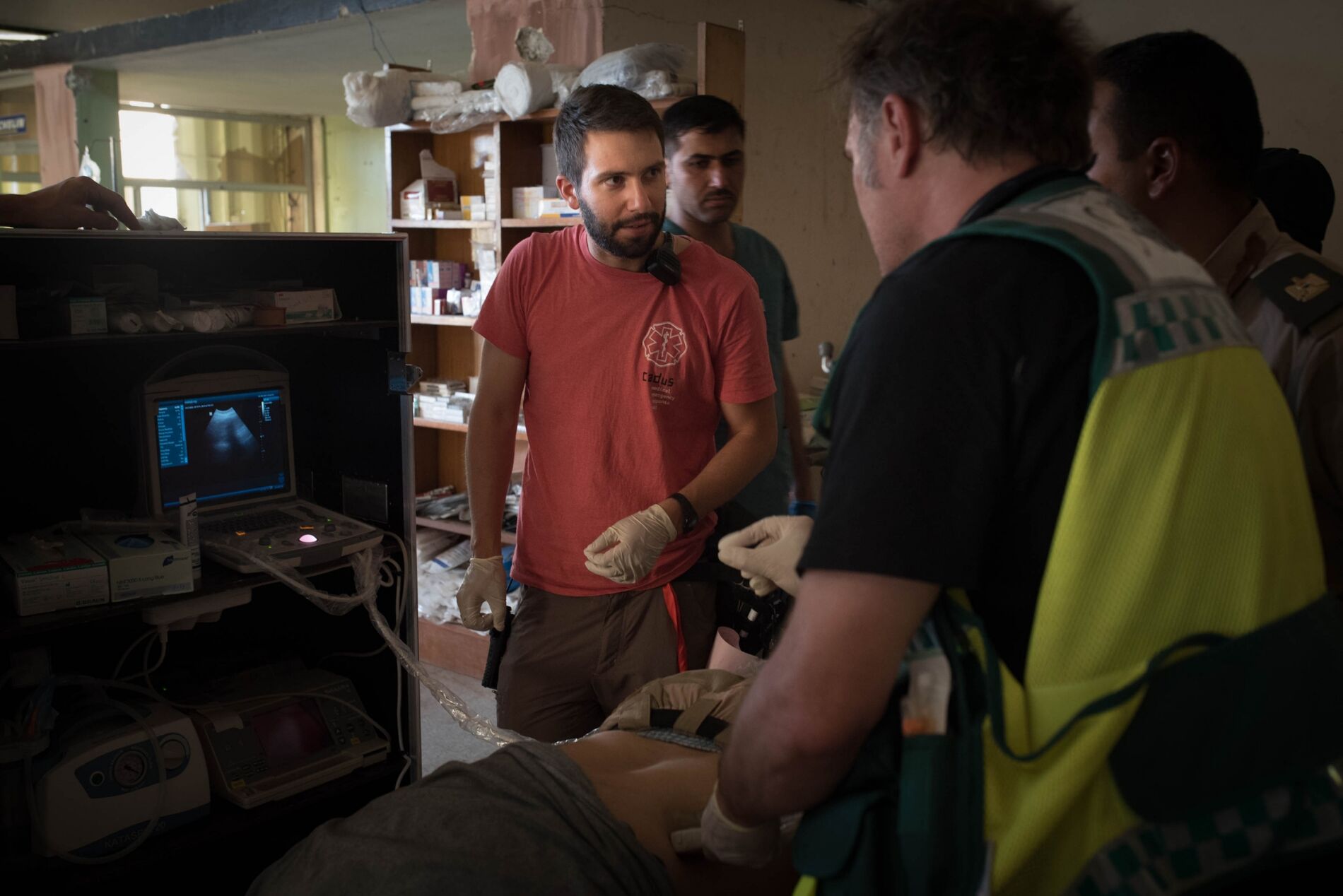
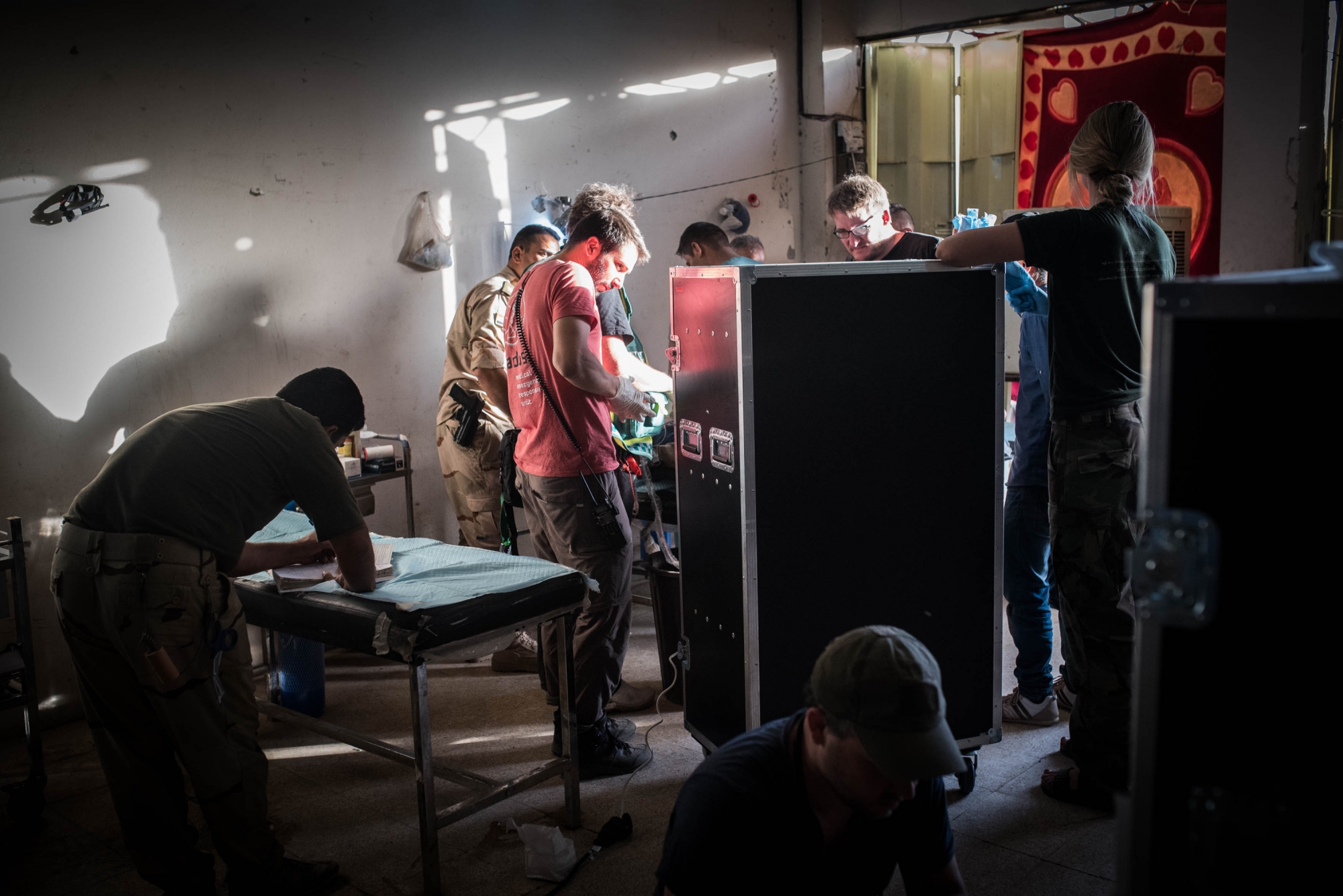
Right next to our camp is the “Casualties Collection Point” (CCP) of the 9th division of the Iraqi military. A CCP is the military version of our “Trauma Stabilisation Points (TSP). Throughout Mossul, all non-governmental TSPs are entirely embedded in the military posts, where NGO staff and military units eat, sleep and work together side by side.
Peculiar insofar as the fact that humanitarian organizations are usually bound to a pledge of political neutrality/ policy of non-alignment. However, as the “Islamic State” couldn’t care less about the Geneva Convention and considers hospitals a legitimate target, the close cooperation of military and NGOs was born out of a necessity for safety.
Furthermore, with the current situation, the only way for organizations like ours to reach injured civilians, or for them to reach us, is through the military. The “Islamic State” shoots civilians attempting to flee and likewise fires at members of aid groups who are attempting to help the injured.
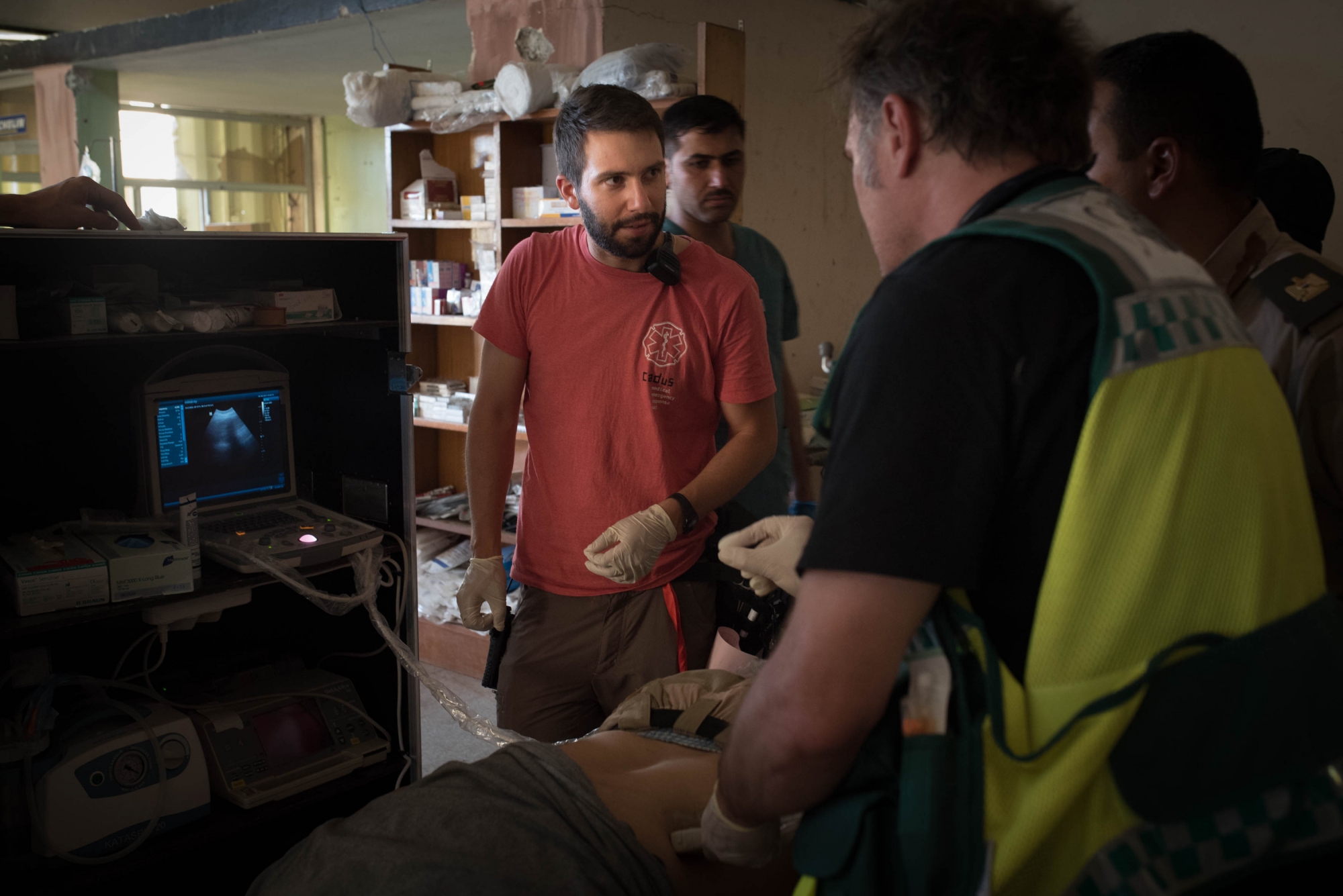
The only way to get medical attention is to get picked up by the military, who are themselves retrieving their injured troops. Otherwise, wounded civilians are left to succumb to their injuries or the desert sun in the wastelands between the Iraqi military and the “Islamic State”.
These circumstances have led us to work much closer with the military than intended. The collaboration between NGOs and the Iraqi army is on one hand an important safety measure and on the other hand an emergency logistical necessity. Reality is shifted in warzones. Nevertheless, helping civilian communities remains our highest priority.
Published
Author: by Jonas Grünwald
Vollgas für die NRW-Kampagne zum mobilen Krankenhaus!
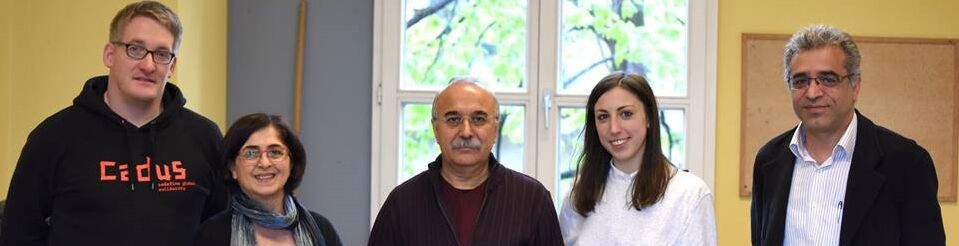
Von Anfang an hat CADUS im Rahmen ihrer Projekte immer mit der Unterstützung von engagierten Partner*innen rechnen können. NAV-DEM Köln und Heyva Sor a Kurdistanê gehören seit Kurzem dazu.

Trotz internationaler Anteilnahme werden Verfolgte im Shengal mit Ihren Problemen allein gelassen
Gut zwei Jahre nach der grausamen Vertreibung der Êziden*innen aus breiten Teilen des Iraks durch den so genannten Islamischen Staat (Daesh) hat sich das Schlaglicht der europäischenPolitik und vieler humanitären Organisationen wieder von dieser marginalisierten Gruppe weg auf andere Brennpunkte verlagert. Die …
Pedal Power Rohstoffe mit Pedalkraft verwertbar machen
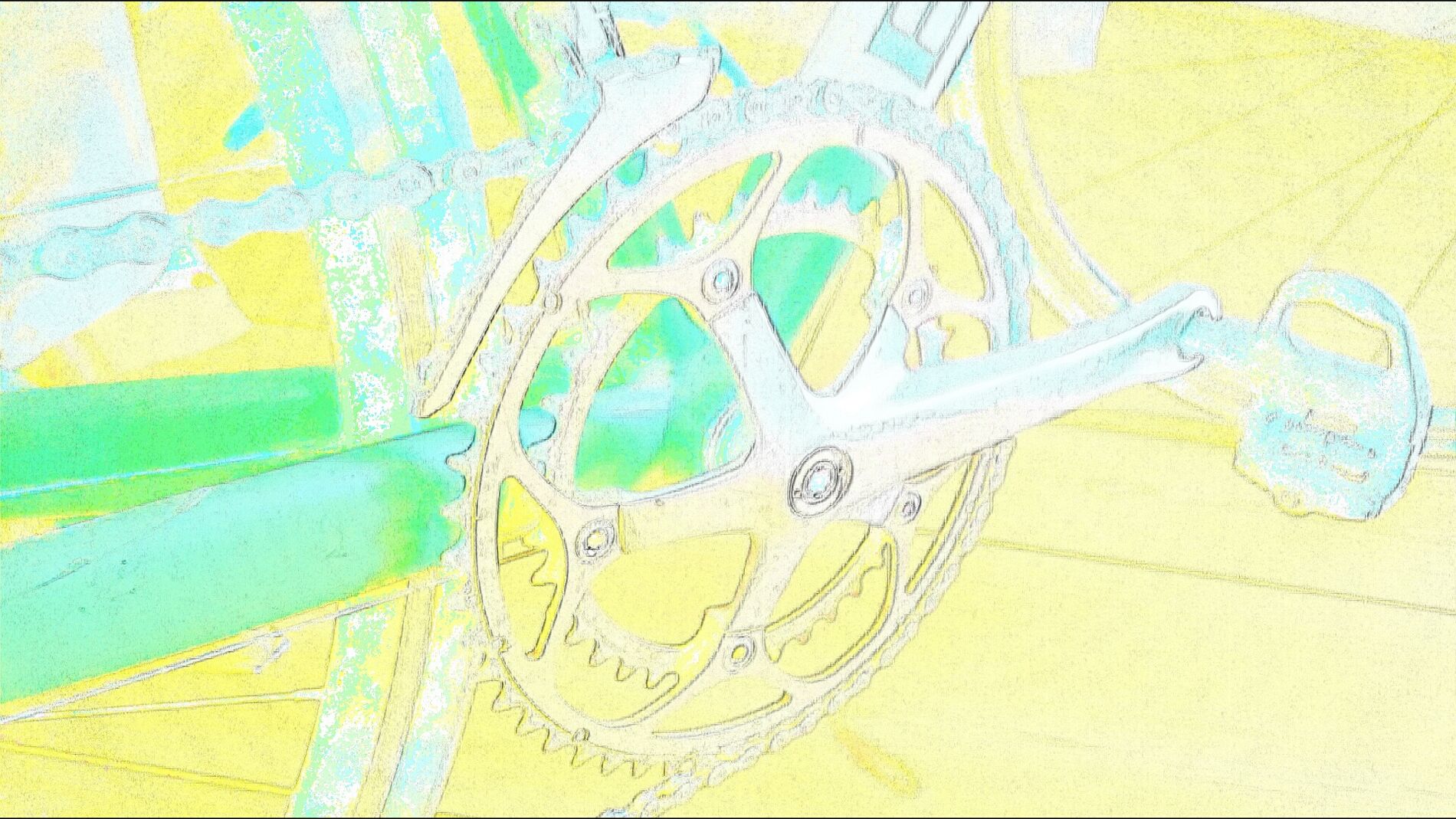
Seit dem 01.08. tut sich etwas Neues in unserer Technikabteilung. In Zusammenarbeit mit KanTe, der Linienhofwerkstatt und gefördert durch die Heidehof Stiftung arbeiten wir an der Entwicklung eines pedalbetriebenen Plastikhäckslers. Plastikmüll ist in vielen Regionen der Welt ein massives Problem für die Umwelt. Dabei …