Border openings in Gaza: Turning words into action
Published on 5. April 2024
from Jonas Gruenwald
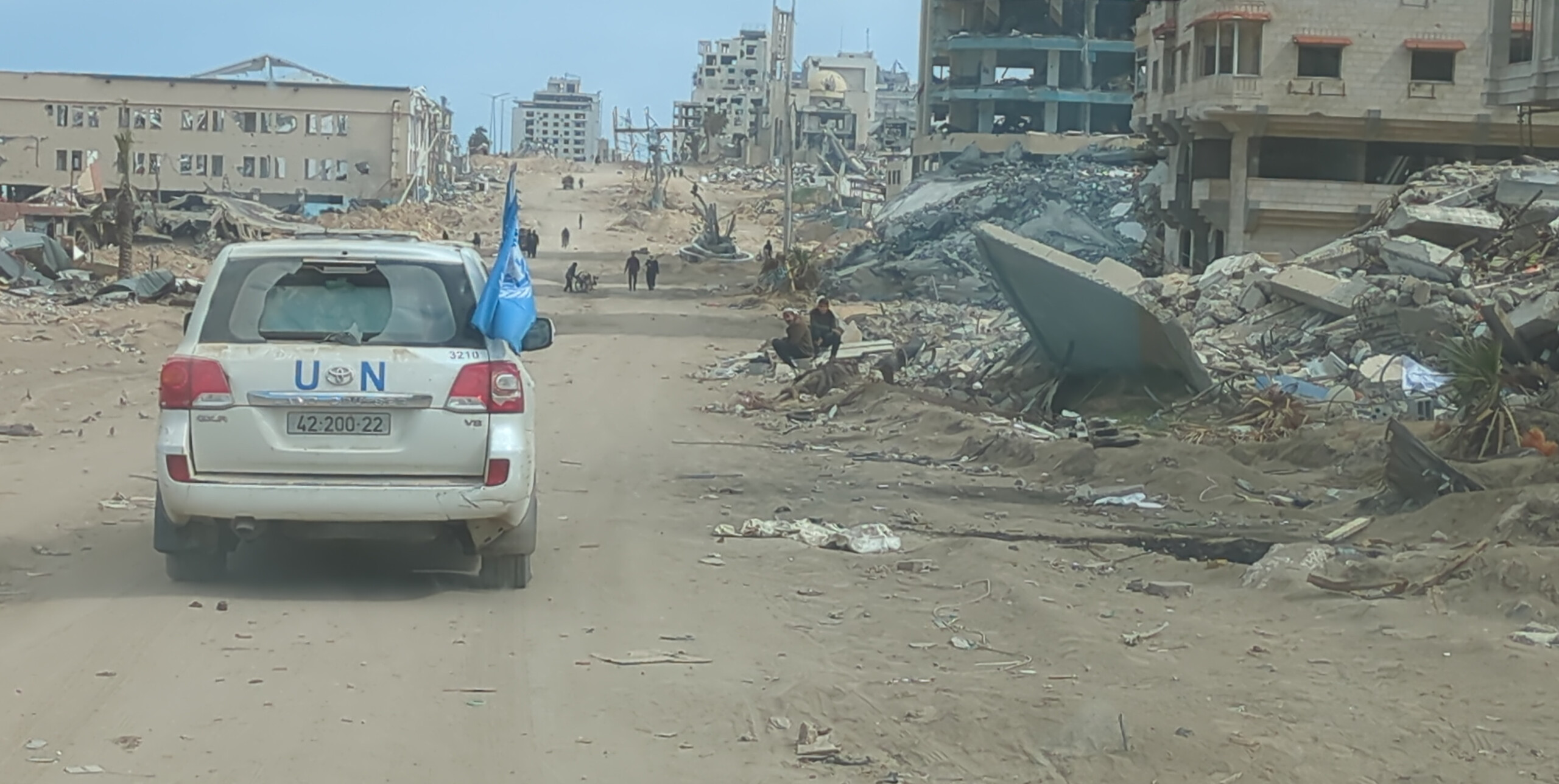
A drive through northern Gaza reveals the extent of the destruction. Opening the border for humanitarian goods could alleviate the hardship. Photo: CADUS
We are delighted by the news of a planned opening of the border in the north and south of Gaza and thus the prospect of more humanitarian aid deliveries. At the same time, it is clear that this step is long overdue and that Israel must now quickly follow up its announcement with action.
The opening of the borders gives hope for an easing of the situation and an improvement in the supply of food, medicine, fuel and other essential goods. This could also eliminate the need for expensive, ineffective and dangerous transportation by air. For us, the opening of the borders could also reduce the risk of our medical transports from the north. The people there understandably take every opportunity to get food and approach our convoys in the hope of a little nourishment.
Despite the risks and several aborted attempts, our team continues to carry out medical transports, so-called MedEvacs, from North Gaza. Video: CADUS
Expectations of the border openings are high, but many questions remain unanswered: to what extent will transports be permitted and how quickly can they pass through the checkpoints? Will the border also be open out of Gaza, especially to allow medical transports?
Not least because of the deadly attack on the aid workers from World Central Kitchen, the Israeli army has lost the trust of humanitarian organizations in joint agreements. Announcements to open the borders “temporarily” do not allow for reliable planning. Trust can only be rebuilt through clear announcements, agreements and processes in order to enable effective humanitarian work. Humanitarian aid workers must be able to carry out their tasks with the certainty that they will not be targeted by the Israeli army.
We therefore demand:
- the creation of permanent humanitarian corridors with clear and transparent arrangements between the Israeli army and humanitarian actors, and
- the opening of borders for medical transports to enable seriously ill and seriously injured people to receive appropriate medical care!
Humanitarian aid is not a generous act of a state, but a human right protected by international rules! It is time for Israel to act accordingly.
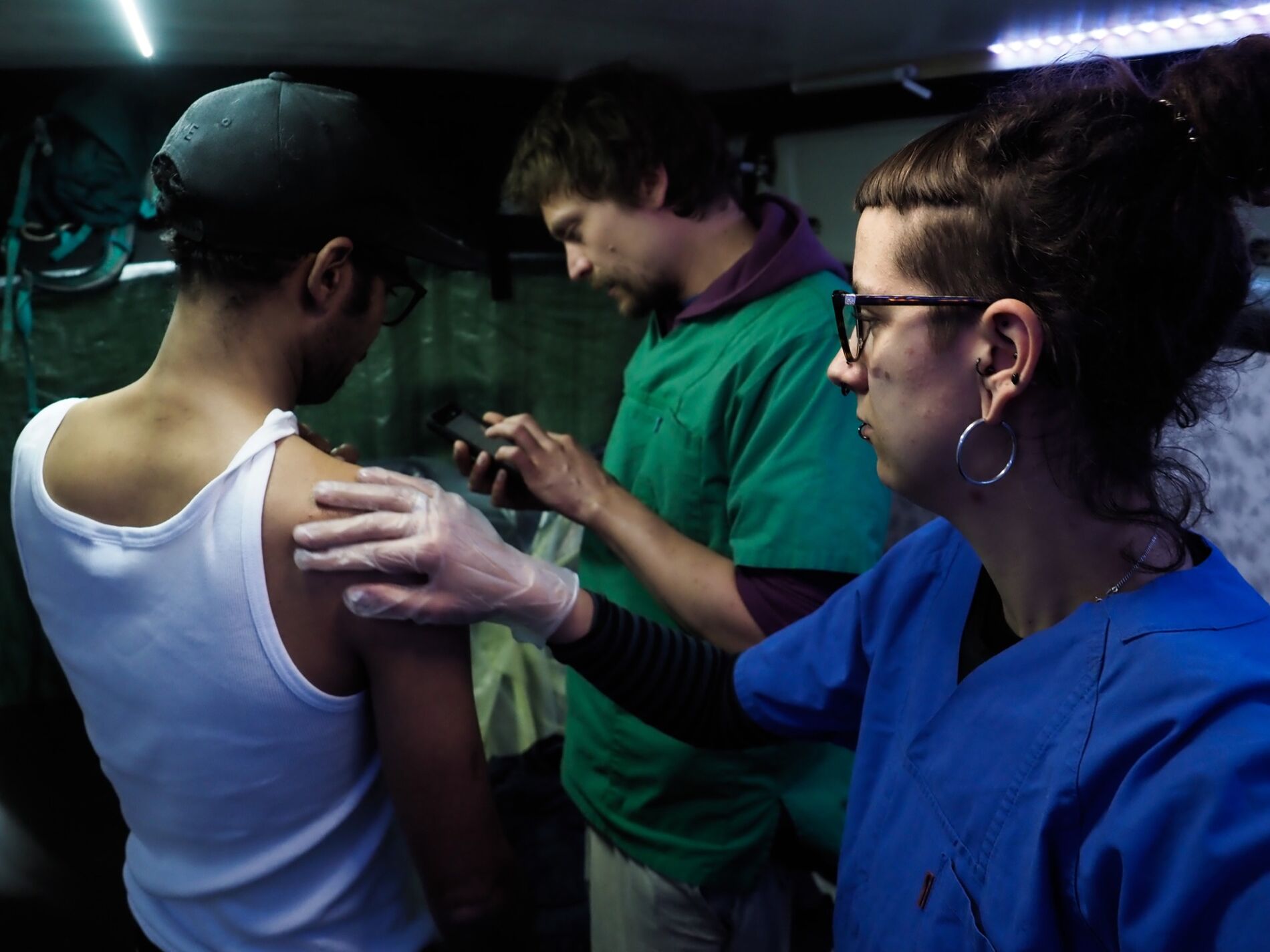
Vier Monate Emergency Response Balkan – Ein Abschlussbericht
Unsere Emergency Response in Sarajevo, Bosnien ist nach vier Monaten beendet. Unser Projektkoordinator fasst die Situation, die Herausforderungen und unseren Einsatz vor Ort noch einmal zusammen.
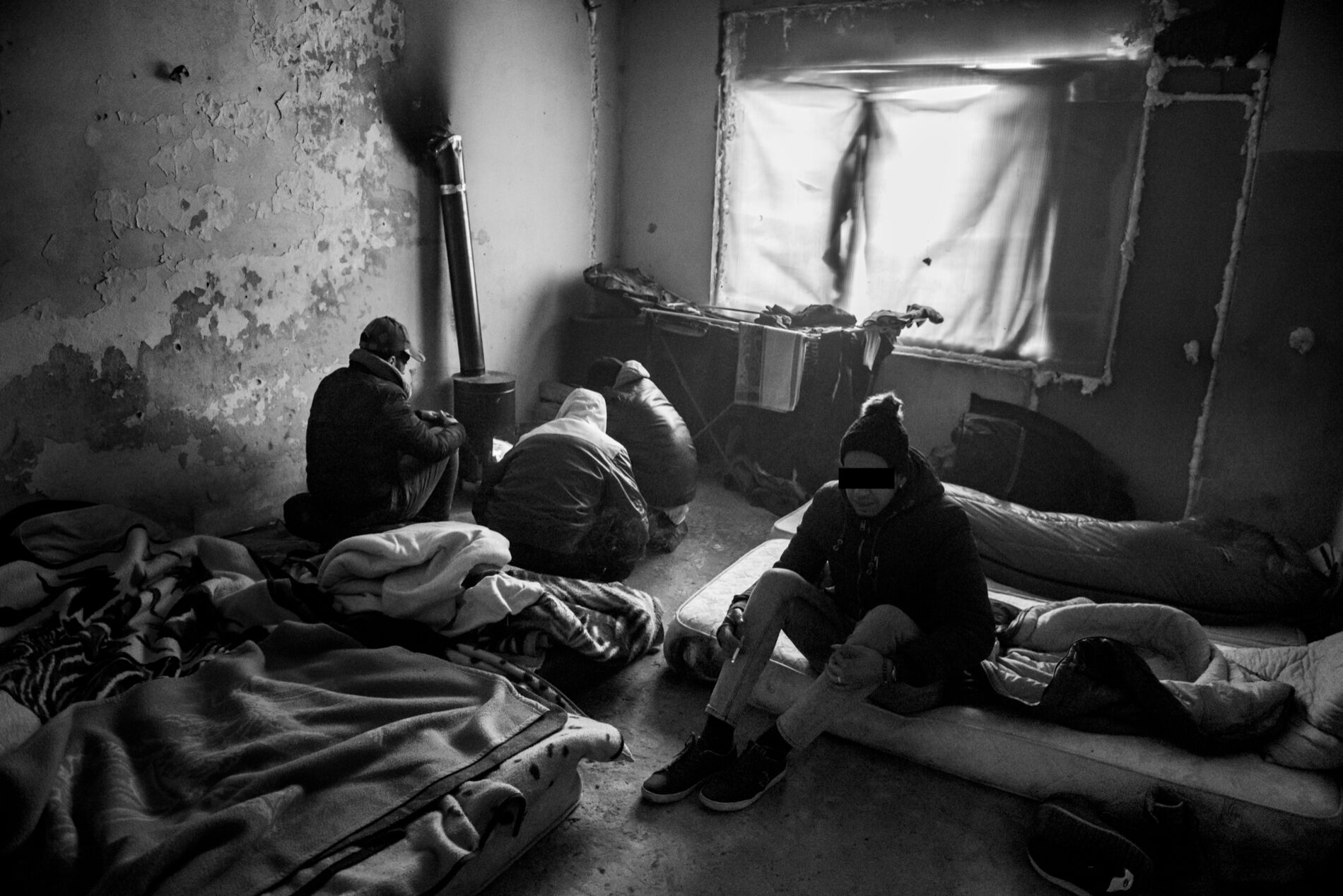
Tag der Menschenrechte – auch auf der Balkanroute?
Den Tag der Menschenrechte, vor genau 70 Jahren durch die UN verabschiedet, nehmen wir zum Anlass um auf die Situation Geflüchteter auf der sogenannten Balkanroute aufmerksam zu machen.
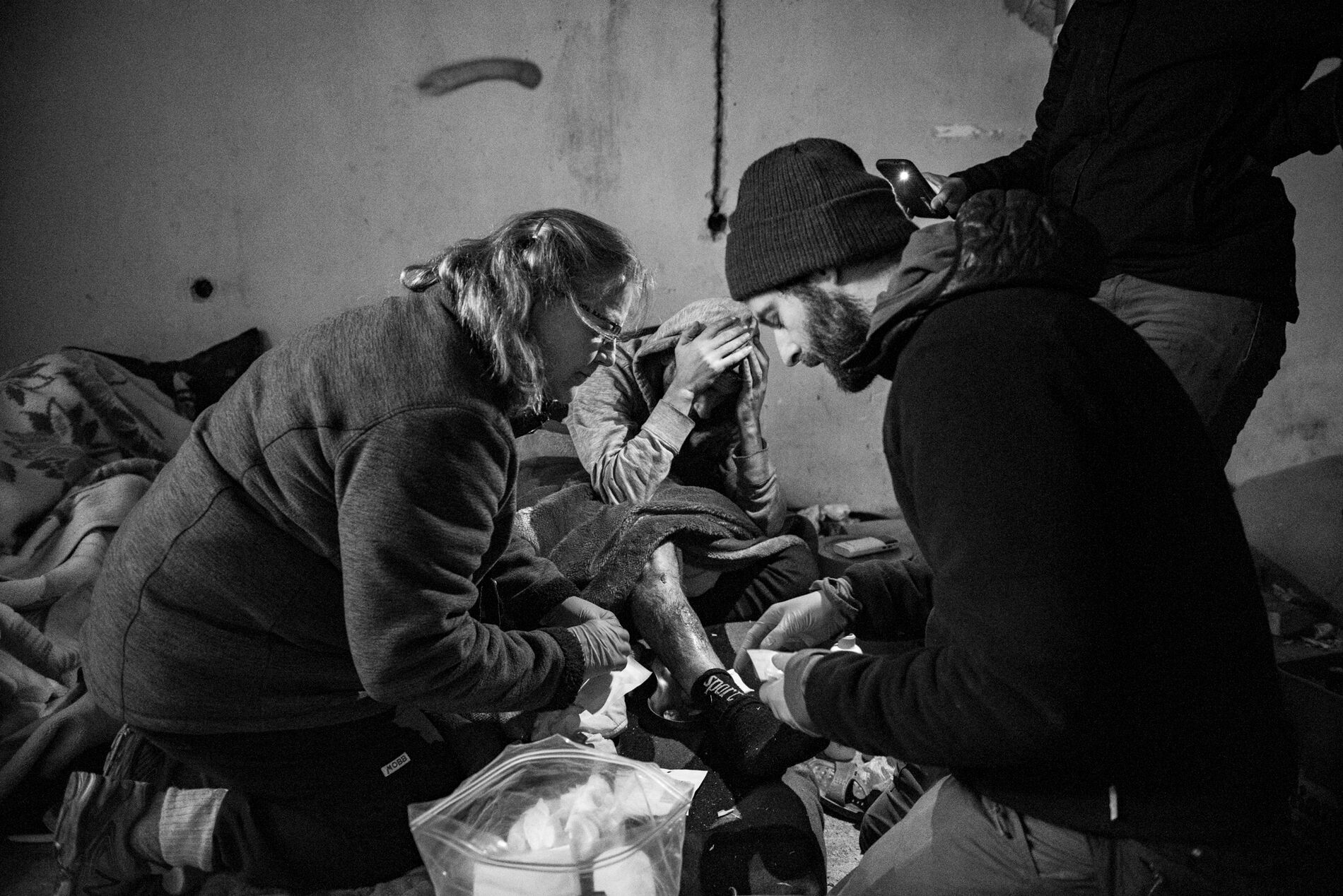
Kleine Wunde, leider große Wirkung
Christoph, unser Fotograf in Sarajevo, hat uns eine kleine bewegende Geschichte aus dem Alltag unserer Emergency Response geschickt: wie eine kleine Wunde zu einem großen Problem werden kann.