Gaza – Contradictory developments
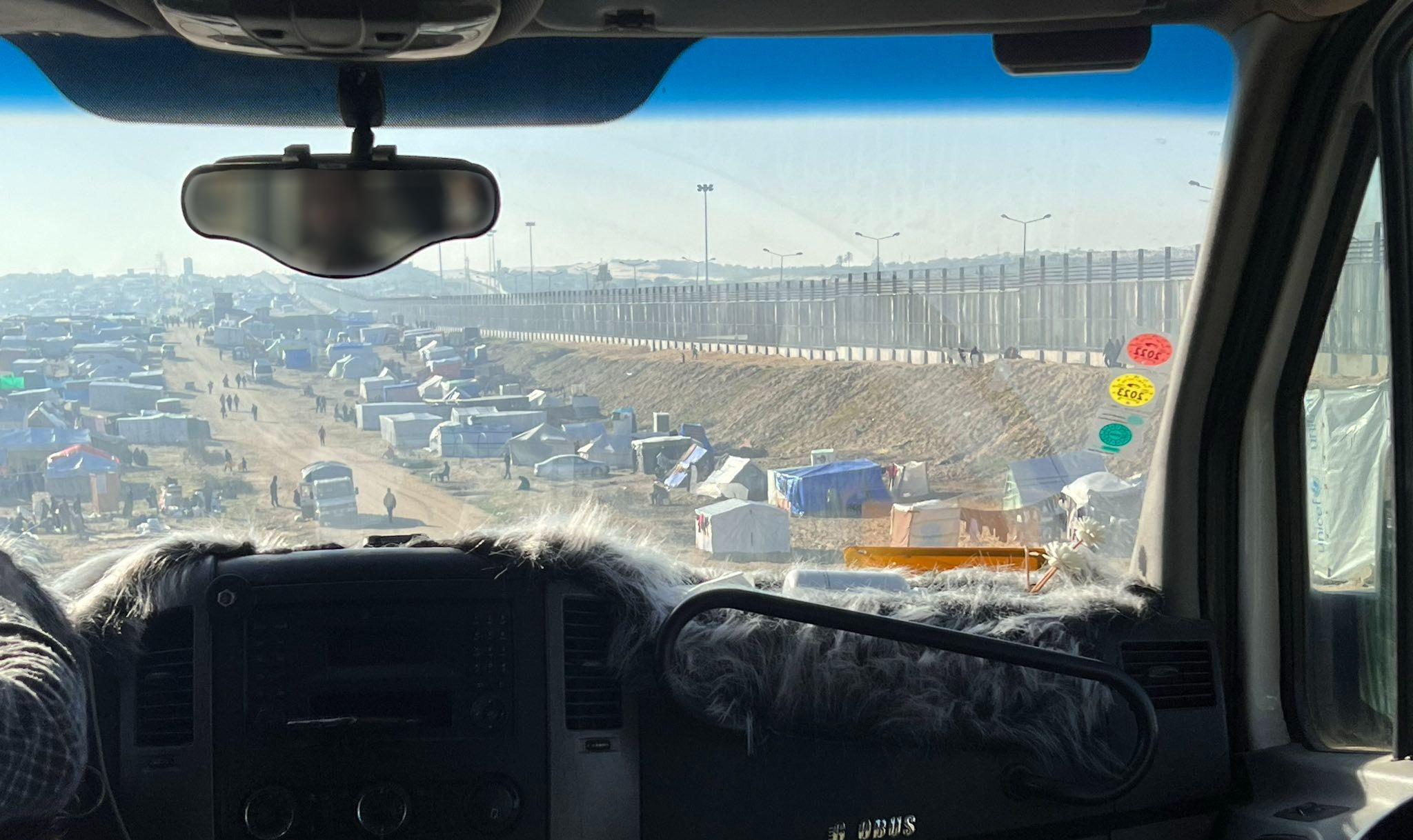
A ceasefire has been officially in place in Gaza since October 2025. More than three months later, however, there are no clear signs of progress towards peace. Uncertainty and deprivation continue to dominate everyday life in Gaza.
If you look at the news on Gaza in recent days and weeks, a rather contradictory picture emerges:
The Israeli government is revoking the registration of numerous humanitarian organizations, some of which have been carrying out important humanitarian work in Gaza for years, and is demanding sensitive and personal data of the organizations’ employees in order to be allowed to continue working on the ground. CADUS also signed a joint protest note on the plans. At the same time, the opening of the Rafah border crossing between Egypt and Gaza by the Israeli army, which has controlled the checkpoint since May 2024, was announced yesterday.
On the one hand, this makes the work of humanitarian organizations much more difficult, while at the same time opening up a border crossing that could fundamentally facilitate humanitarian aid.
More deaths in Gaza
Surprisingly, the same army also recently confirmed the Hamas-led Ministry of Health’s figure of over 70,000 dead Palestinians, which they had long doubted, although independent international organizations had long considered these figures to be correct.
The confirmation of the death toll could be seen as a step towards recognizing the suffering of the Palestinians, even if there is no consensus on the number of Hamas fighters among the victims. Also, only direct victims of fighting are counted and not those who died due to the poor supply situation. But at least the Israeli leadership seems to recognize this part of the reality.
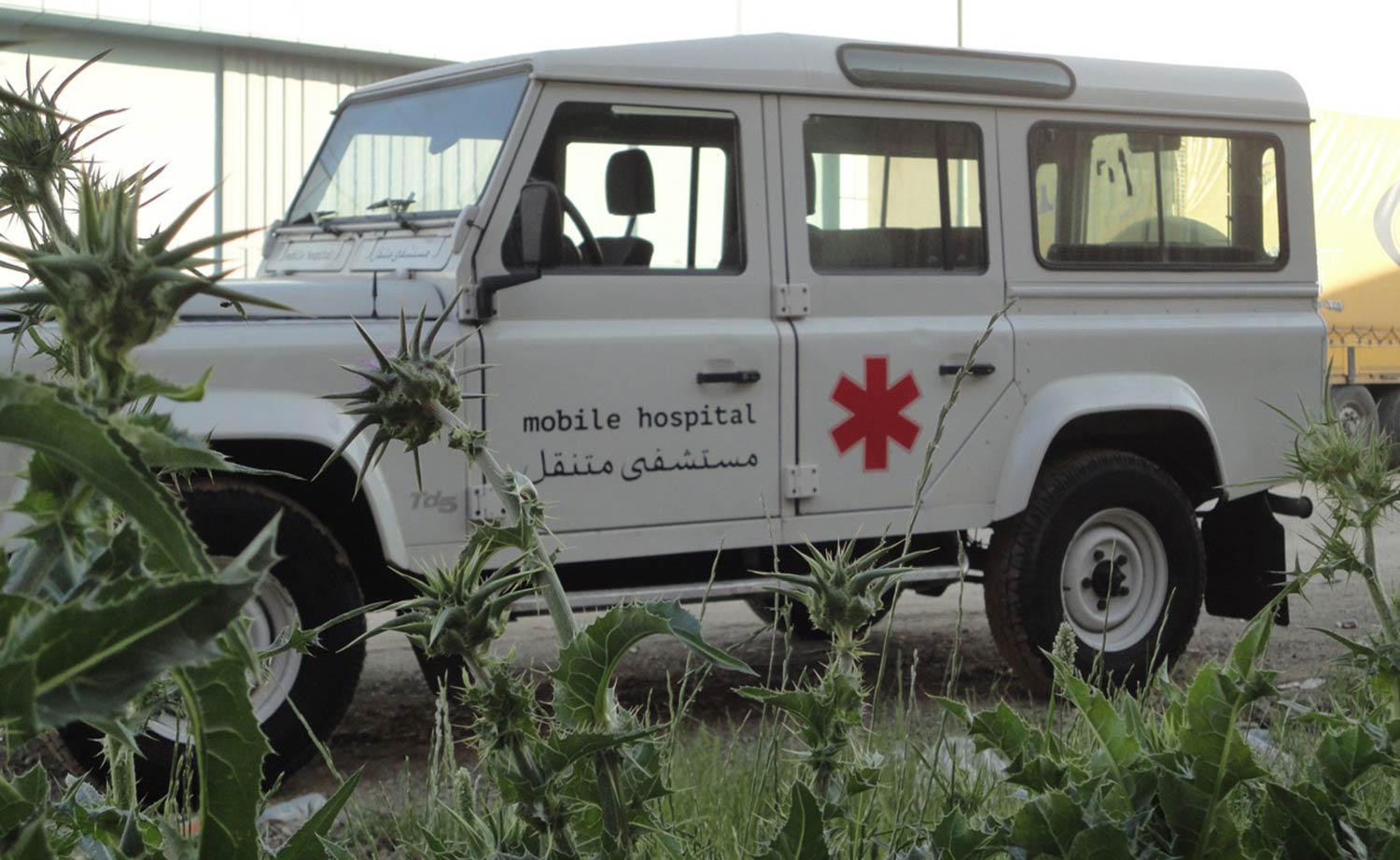
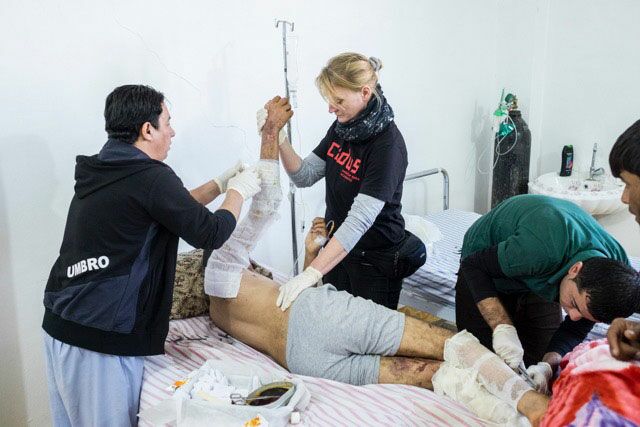
But just a few days later, despite the ceasefire, dozens of people were killed by the Israeli military in the heaviest airstrikes on alleged Hamas targets since October 2025. One attack took place in the immediate vicinity of a Palestinian Red Crescent (PCRS) field hospital, where at the time employees of CADUS were treating patients at the time. Despite the ceasefire and over 70,000 deaths, the Israeli military does not seem to be changing its mind.
Protect life
Preventing further violence and loss of life should be the top priority for everyone: by ending the fighting and enabling humanitarian aid on a large scale. Among other things, the Israeli government would have to allow large quantities of humanitarian goods such as food and medicine into Gaza and permit the departure of all patients who require treatment outside the coastal strip.
The recent opening of the Rafah border crossing in the south of Gaza, the only crossing that does not lead to Israeli territory, could be a first step in this direction. Our team has already been able to carry out two medical transports, known as MedEvacs, with four patients via Rafah. While the border crossing is open for a small number of people per day, it is not yet clear whether humanitarian supplies will also be able to pass through Rafah in the future. It would be necessary, as there is still a lack of the most basic things in Gaza.
Our teams are also severely limited in terms of medicines and medical supplies – it is almost impossible to bring them into Gaza in sufficient quantities.
The gateway to a better future?
While the ceasefire in Gaza is extremely fragile and the people there are still struggling to survive, their homeland is already being divided up among the powerful of this world and negotiated as an investment opportunity – to the exclusion of the inhabitants themselves. Anyone who acts in this way is not interested in a comprehensive and just peace.
Despite all the contradictory developments, we hope for an end to the humanitarian catastrophe in Gaza as soon as possible. The Rafah border crossing could play an important role in this. We assume that our team in Gaza will now be able to carry out daily MedEvacs via Rafah. This is at least a small glimmer of hope for the approximately 18,500 Palestinians who need treatment abroad.
A colleague who accompanied the first MedEvacs expressed it in a recent interview recently put it this way: “The gateway to the world has opened a little for the Palestinians.”
Let’s hope it stays open and brings good things with it.
By Jonas Gruenwald
Stay informed about our missions, events and humanitarian emergency aid topics – with our newsletter!
Newsletter registration
I want to unsubscribe from the newsletter.