Interview: As a doctor in Ukraine
Published on 25. February 2025
from Infield Team
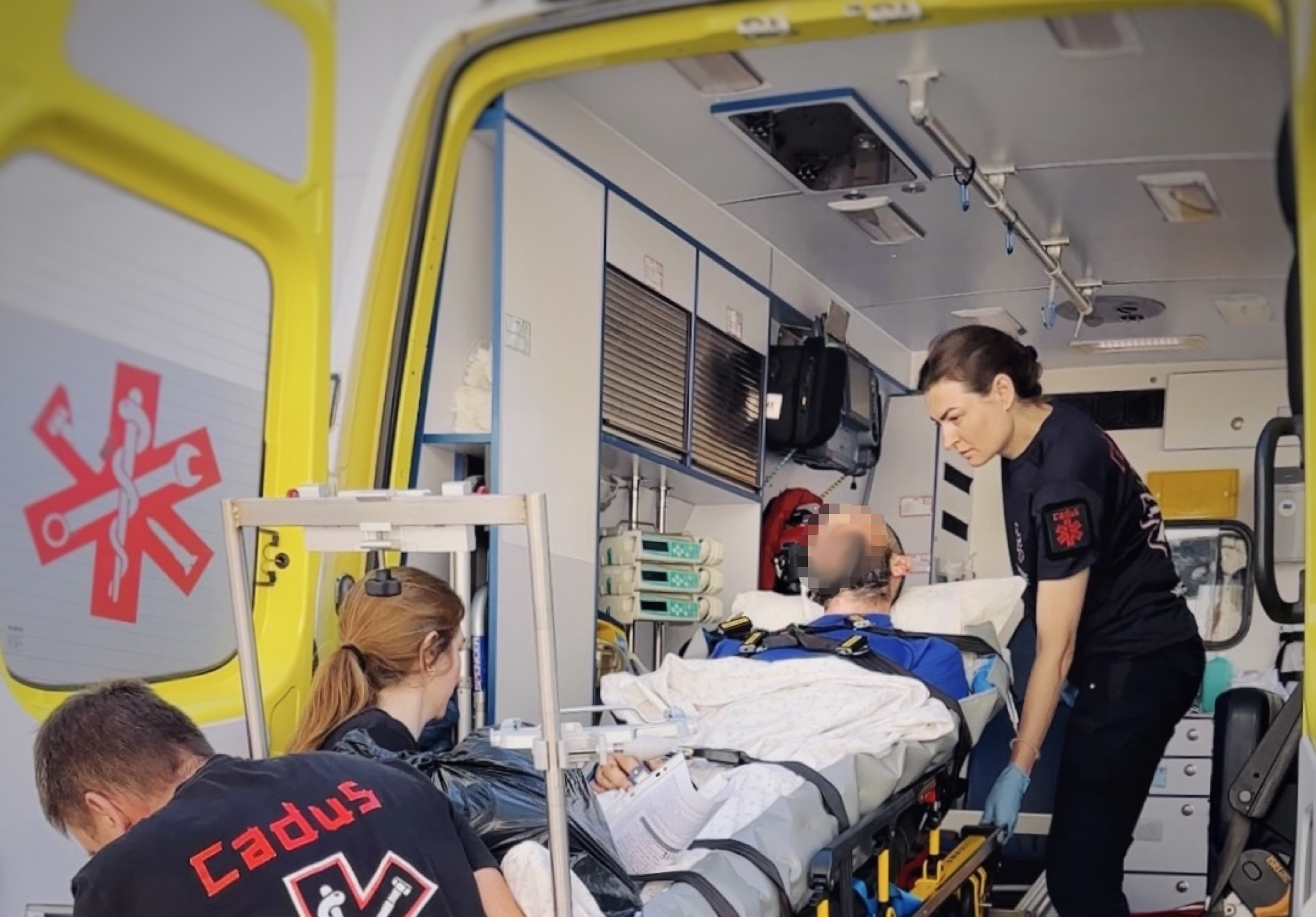
Oksana (right) and her colleagues cared for and transported over 866 people in 2024 alone. Photo: CADUS
Oksana has been working for us as a doctor in Ukraine for more than a year. In this short interview, the native Ukrainian gives us an insight into her daily experiences.
What is your role in this mission?
I’m an anaesthesiologist, here I work as a doctor on an evacuation mission.
How would you describe the situation in Ukraine?
Everything becomes worse. Warfare does not stop, Russia is constantly shelling Ukrainian territories along the front line, capturing more and more new territories and destroying everything in its path, and also regularly attacks with missiles deep into the country. People become drained.
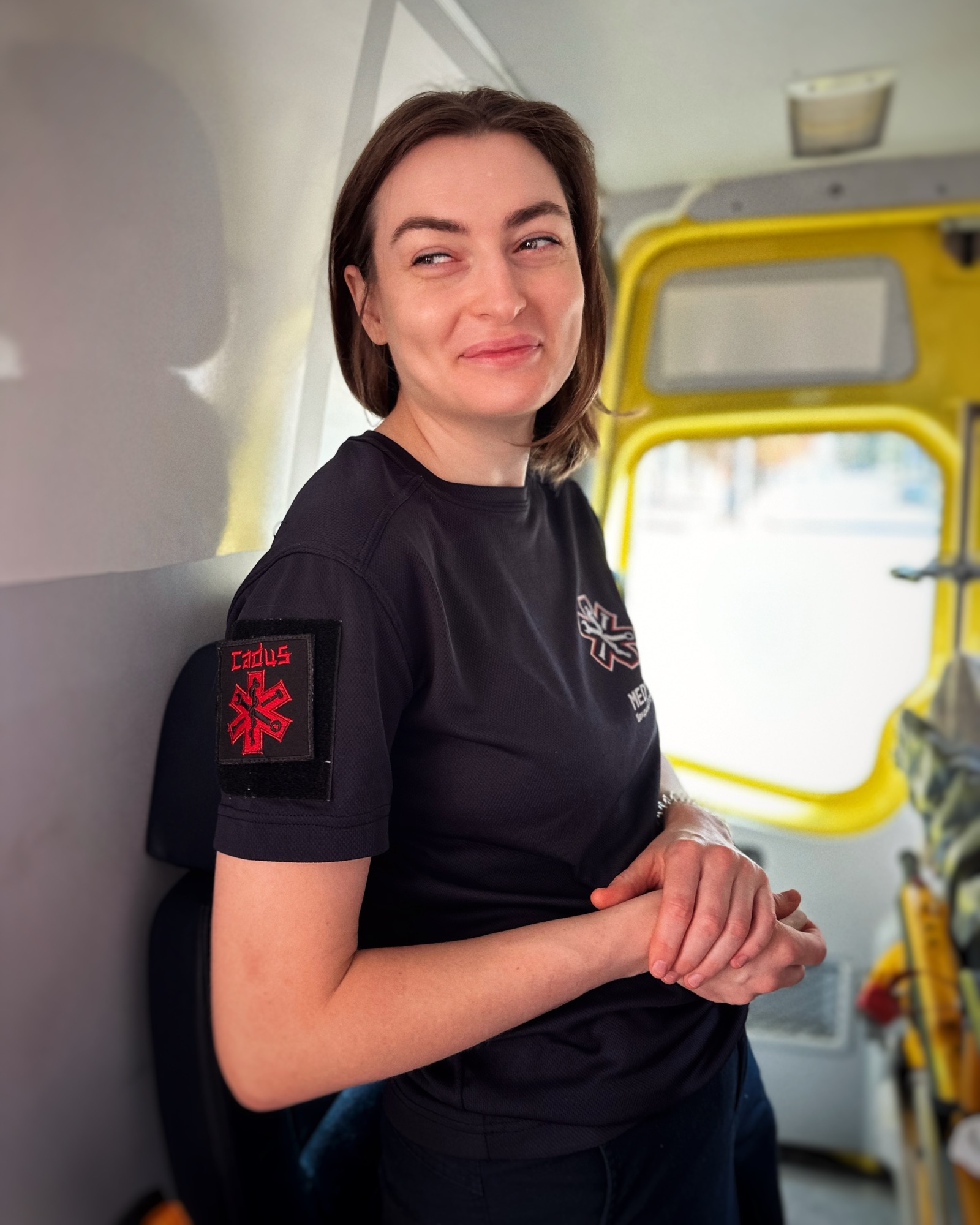
Oksana in one of our three ambulances,
which are stationed in three cities in eastern Ukraine
. Photo: CADUS
How has your experience of the work been?
It’s hard work. In addition to the fact, that we provide medical care to severely injured persons, on ventilator, unstable, etc., this has to be done in unfavorable conditions: in constant noise, vibration, in various adverse weather conditions, at nights.
Has there been a particular moment that has stuck with you?
At the beginning of my career I remembered difficult medical cases. Now mostly these are cases that cause an emotional response.
For example, a lonely elderly man, whose house was destroyed after a shelling and he was living at his friend’s place. When the friend died, the elderly man made a suicidal attempt and blew up a grenade in his hands.
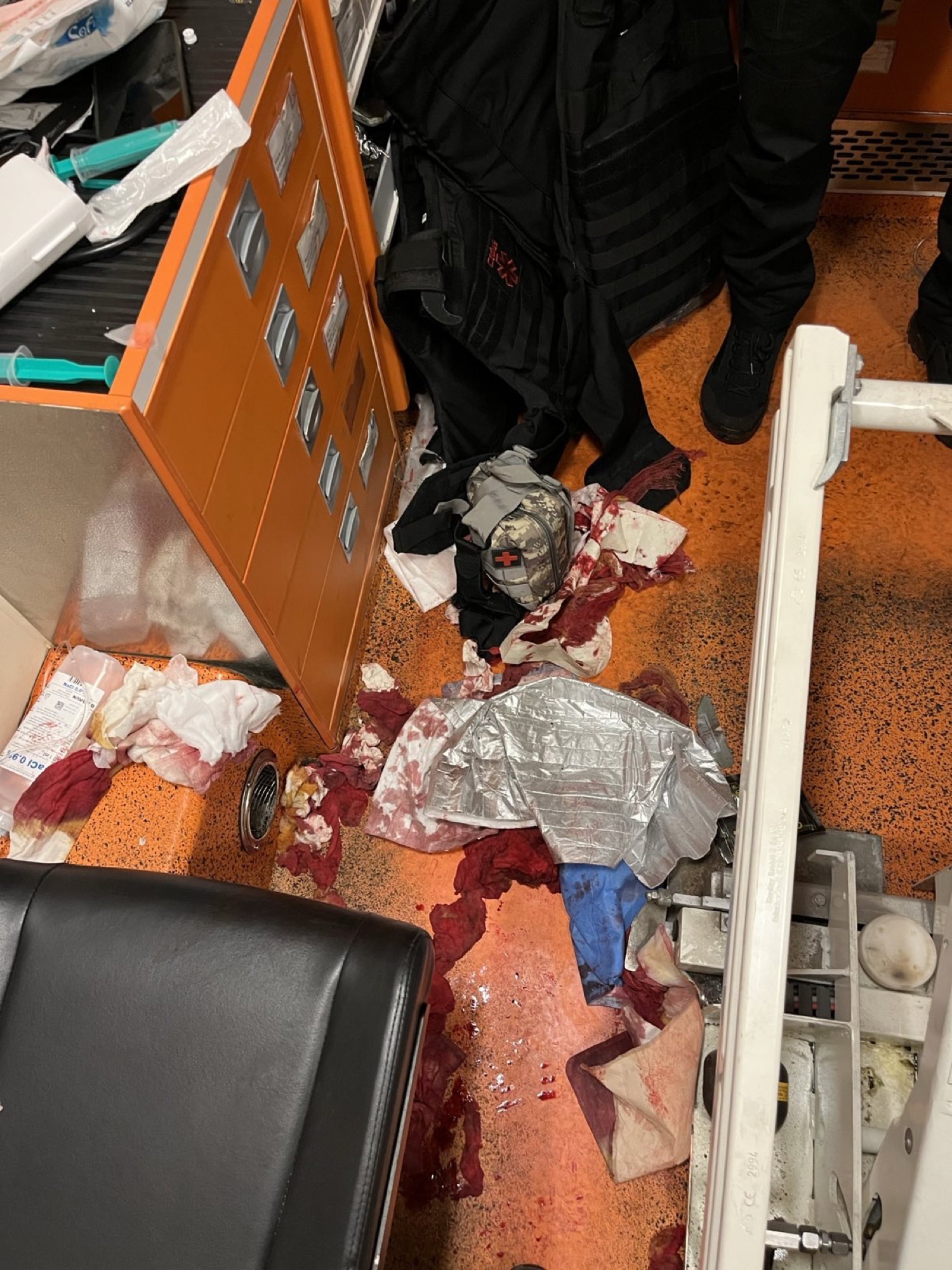
Caring for the patients is stressful
and particularly strenuous in a vehicle,
over half require intensive medical
care. Photo: CADUS
I have seen a “Passport of a citizen of Ukraine” with a piece of shrapnel stuck in it. The casualty carried the document in his left breast pocket and stayed alive. A bit symbolic.
Last week we evaluated a guy with a severe head injury, who has a tattoo of Little Prince from Antoine de Saint-Exupéry book on his shoulder. I’ve glued a cardio monitor sensor near the peacefully sitting Prince and was thinking about life all the way.
What is the most urgent need right now?
In fact, there are many needs. From medical equipment, medicines and consumables to various training courses, psychological support for victims and care providers, etc.
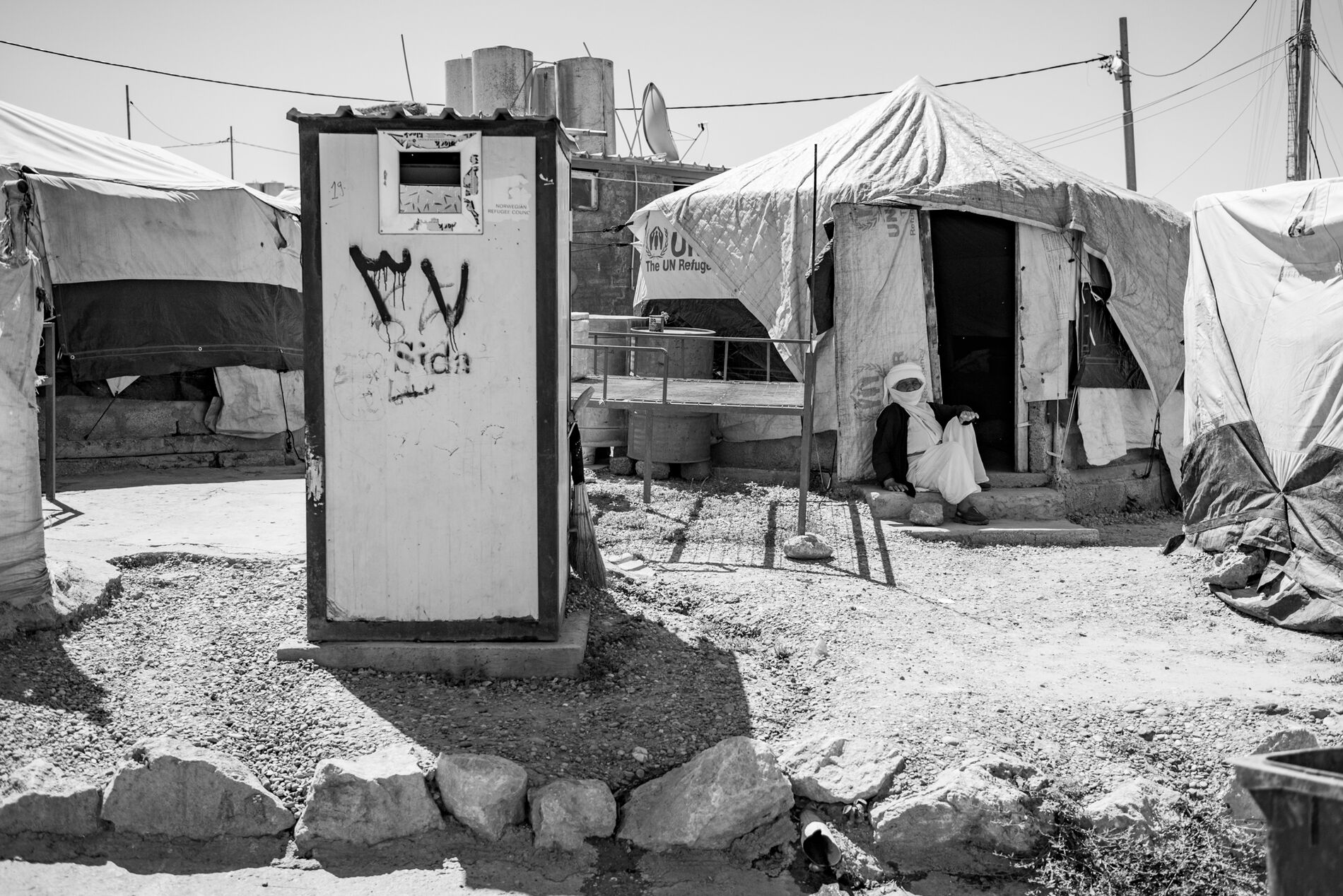
Kein al-Hol ist auch keine Lösung
Camps für Geflüchtete sind einerseits notwendig um denjenigen, die vor Gewalt und Verfolgung fliehen, ein sicheres Leben zu ermöglichen. Trotzdem sind sie politisch häufig nicht gewollt oder befinden sich in finanzschwachen Staaten und demnach bleibt die Infrastruktur trotz jahrelangem Bestehens meist unterentwickelt. …
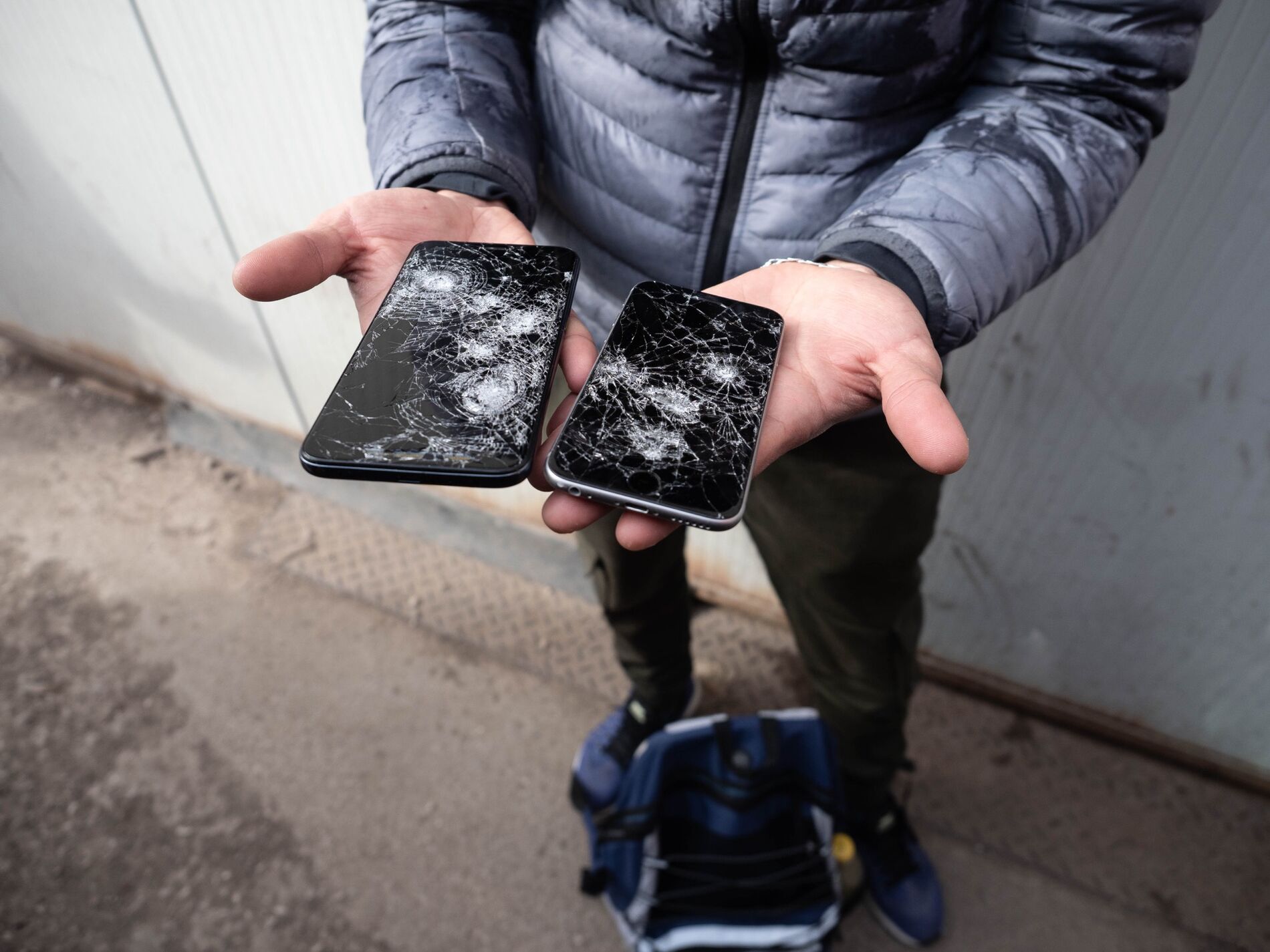
Alles für die Abschreckung
Unser Einsatz im Bosnien-Herzegowinas Hauptstadt liegt bereits ein paar Monate zurück, die Situation der dort lebenden Geflüchteten ist für uns deswegen aber nicht aus dem Blickfeld verschwunden. Dass Pushbacks keine Fälle von Fehlverhalten einzelner Grenzbeamt*innen sind, legen neue, detaillierte Berichte nah. …
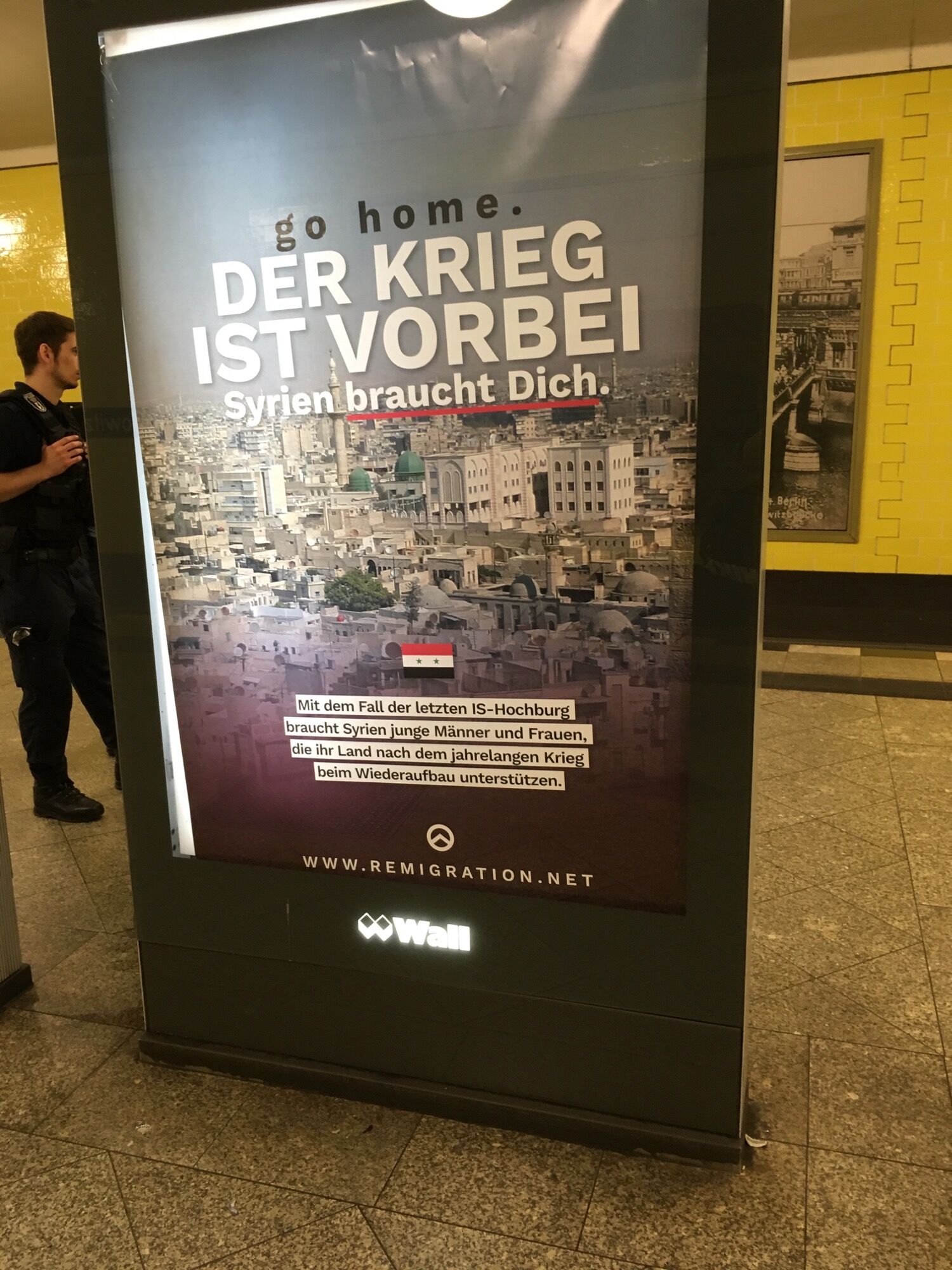
“Geh doch zurück nach Syrien”- Warum eine Rückkehr vielfach unmöglich ist
Es ist immer dasselbe: Sobald die Meldung über das vermeintliche Ende von Kriegen und bewaffneten Konflikten die Runde macht, sollen die Geflüchteten aus den betroffenen Regionen bitte schnell wieder nach Hause. Ganz gleich, ob es dieses zu Hause überhaupt noch gibt, die Sicherheit gewährleistet ist oder ein Leben vor …