Statement on the Evacuation of Kamal Adwan Hospital in Northern Gaza
Published on 15. October 2024
from Jonas Gruenwald
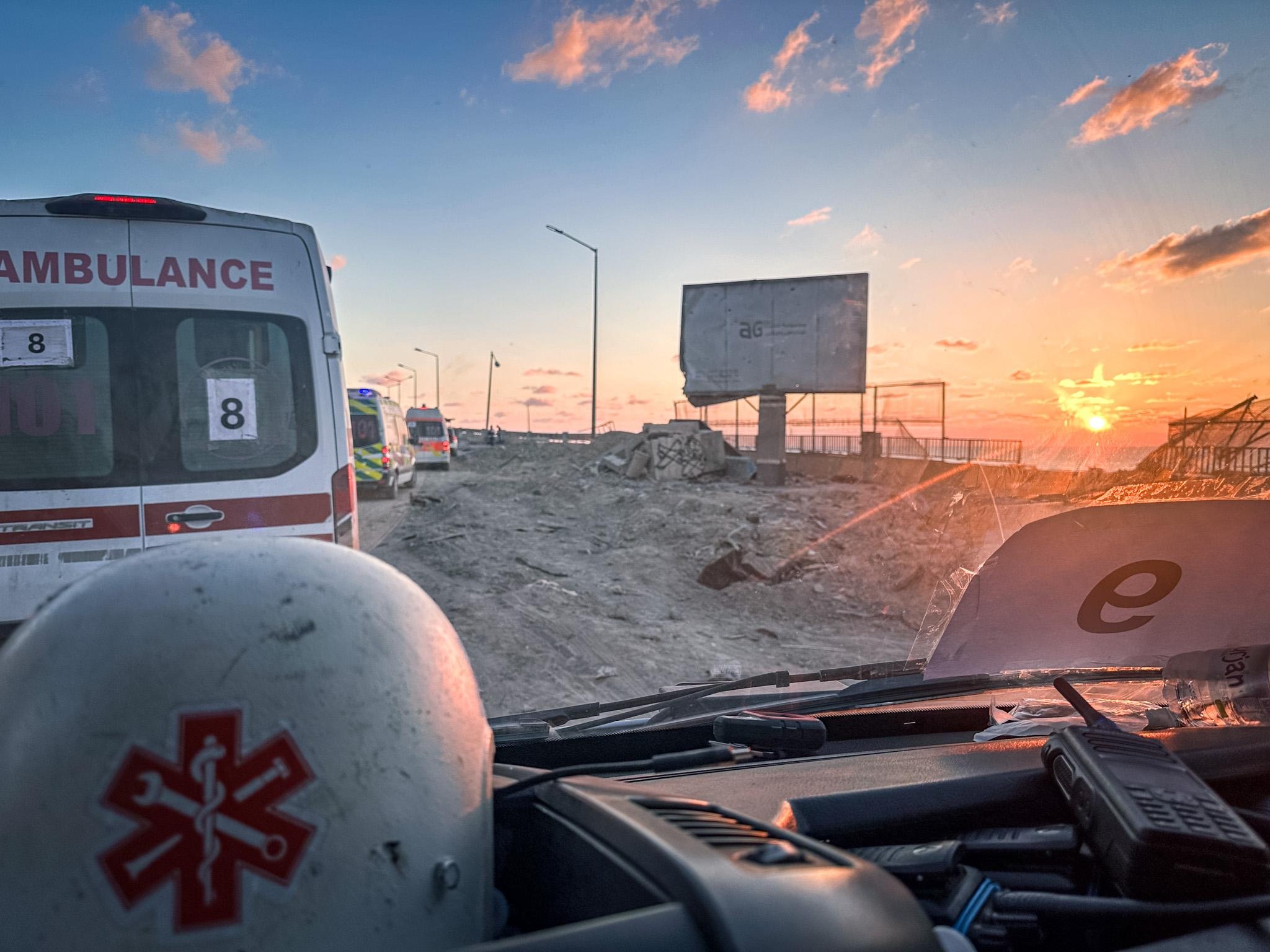
On October 7, Israel called for the estimated 175,000 residents of northern Gaza to evacuate to the south and began a ground offensive that placed the entire area under siege. On the same day, Kamal Adwan Hospital was given a 24-hour notice to evacuate.
Led by WHO, PRCS, and CADUS, with crucial support from UNMAS and OCHAoPT, 13 ambulances were organized to evacuate patients from Kamal Adwan Hospital to Al Shifa Hospital.
The first attempt, originally planned for Tuesday, failed due to the lack of necessary authorization from Israeli authorities. On the second attempt, on Wednesday, the convoy was held at a checkpoint for over six hours for unknown reasons, and the mission had to be aborted again.
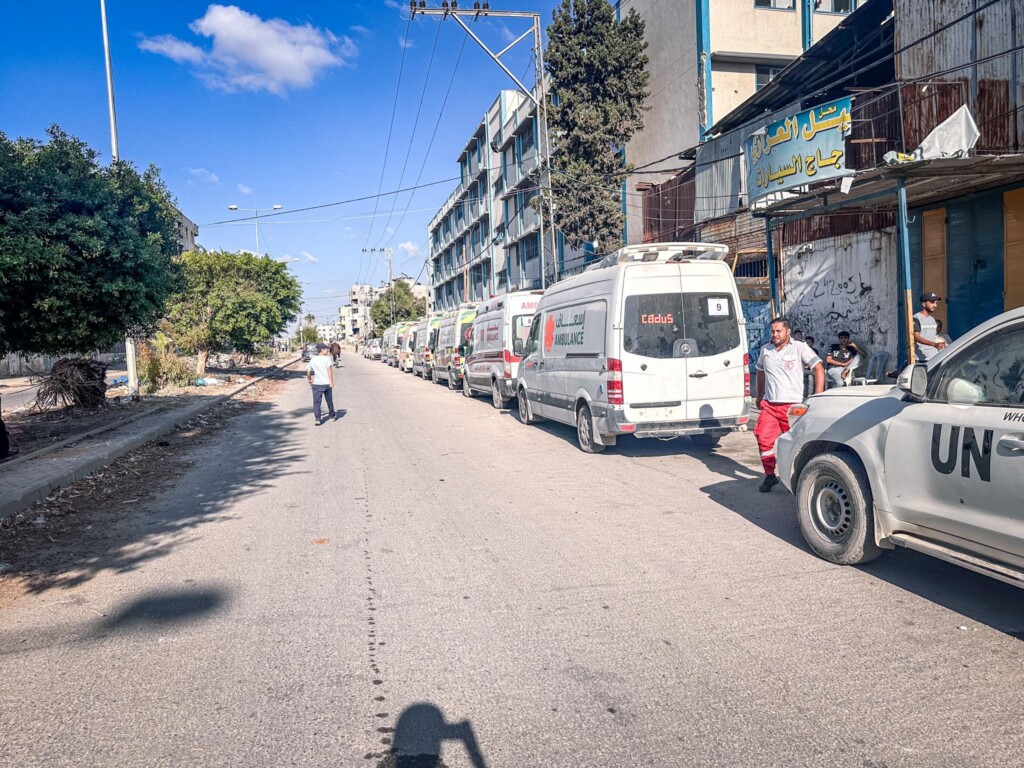
The convoy on it´s way to evacuate patients from Kamal Adwan Hospital, Gaza. Photo: CADUS
The third attempt on Thursday got within 2 kilometers of Kamal Adwan Hospital but had to stop by noon due to intense fighting around the hospital. After five hours of waiting, negotiations, and offering alternative routes, the mission was again aborted.
At this point, it remains unclear when the next evacuation mission can take place. The situation, not only at Kamal Adwan Hospital but across northern Gaza, is catastrophic. Every day, every hour that assistance is delayed, the situation worsens.
The delay in the evacuation puts patients and staff at risk, not only due to heavy fighting but also due to shortages of medical resources and fuel. Ambulances and crews are unable to carry out life-saving missions under these conditions.
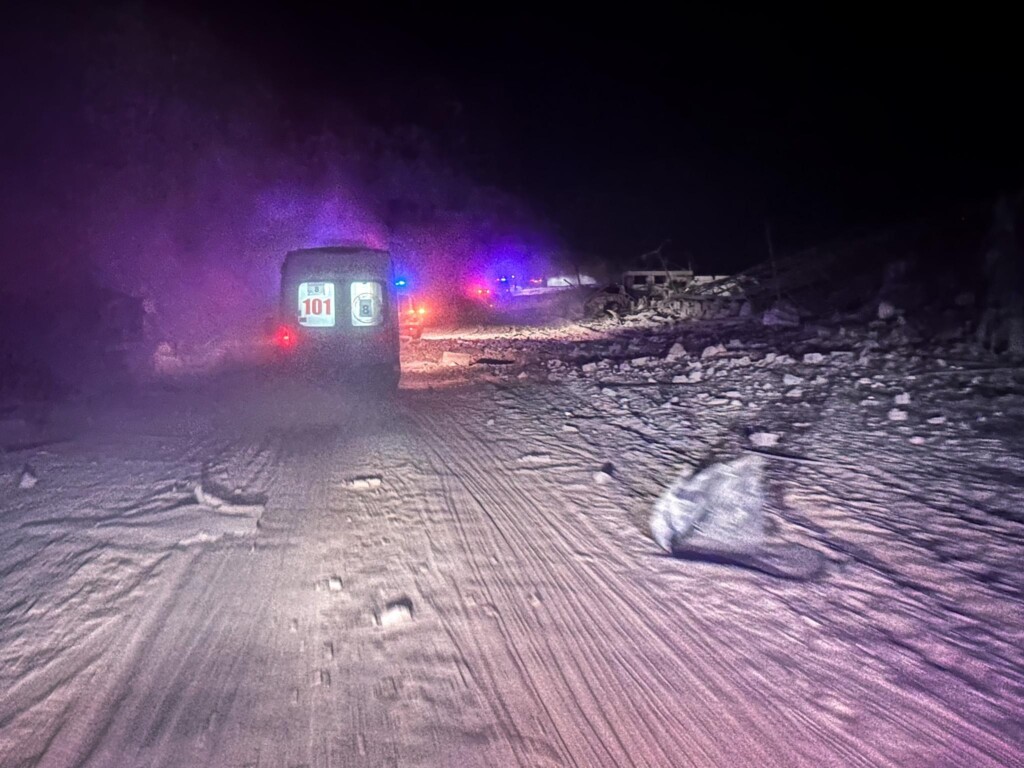
The evacuation teams head to their bases frustrated after several evacuation attempts were sabotaged by Israeli forces and obstruction by fightings. Photo: CADUS
CADUS calls on all parties involved in the conflict to respect the special protection of healthcare facilities, protect civilians, and actively allow urgently needed humanitarian access to the affected population. A particular responsibility lies with the Israeli authorities, who fully control access to Gaza City and northern Gaza.
The climate catastrophe as the greatest challenge for humanitarian aid
What impact does the climate catastrophe have on humanitarian aid? What can and must humanitarian actors prepare for and how must they adapt in order to counter the consequences of the climate catastrophe?

The future of humanitarian aid
Writing a text about the future of humanitarian aid. My first impulse: this is going to be a gloomy text. The present of humanitarian aid leaves little room for optimism. Wars continue, people are dying in Sudan unnoticed by the
How AI Is Changing Humanitarian Aid: Risks and Opportunities
I’ve spent enough nights under mosquito nets and sat through long, often circular UN coordination meetings to know this: if we want to reach people in crisis faster, with less waste, and without burning out the sector, we can’t