Mobile Crisis Response Makerspace Ukraine
Published on 7. February 2023
from CADUS-PR
mobile-crisis-response-makerspace-ukraine-2-feature-22-05-272018-59-21203387
Target country/region: Ukraine
Timeframe: May – October 2022
Short description: A mobile makerspace, equipped with tools, consumables, and artisans, supports local partner organizations in Ukraine to find solutions to the many infrastructural problems brought about by Russia’s war of aggression.
Project progress:
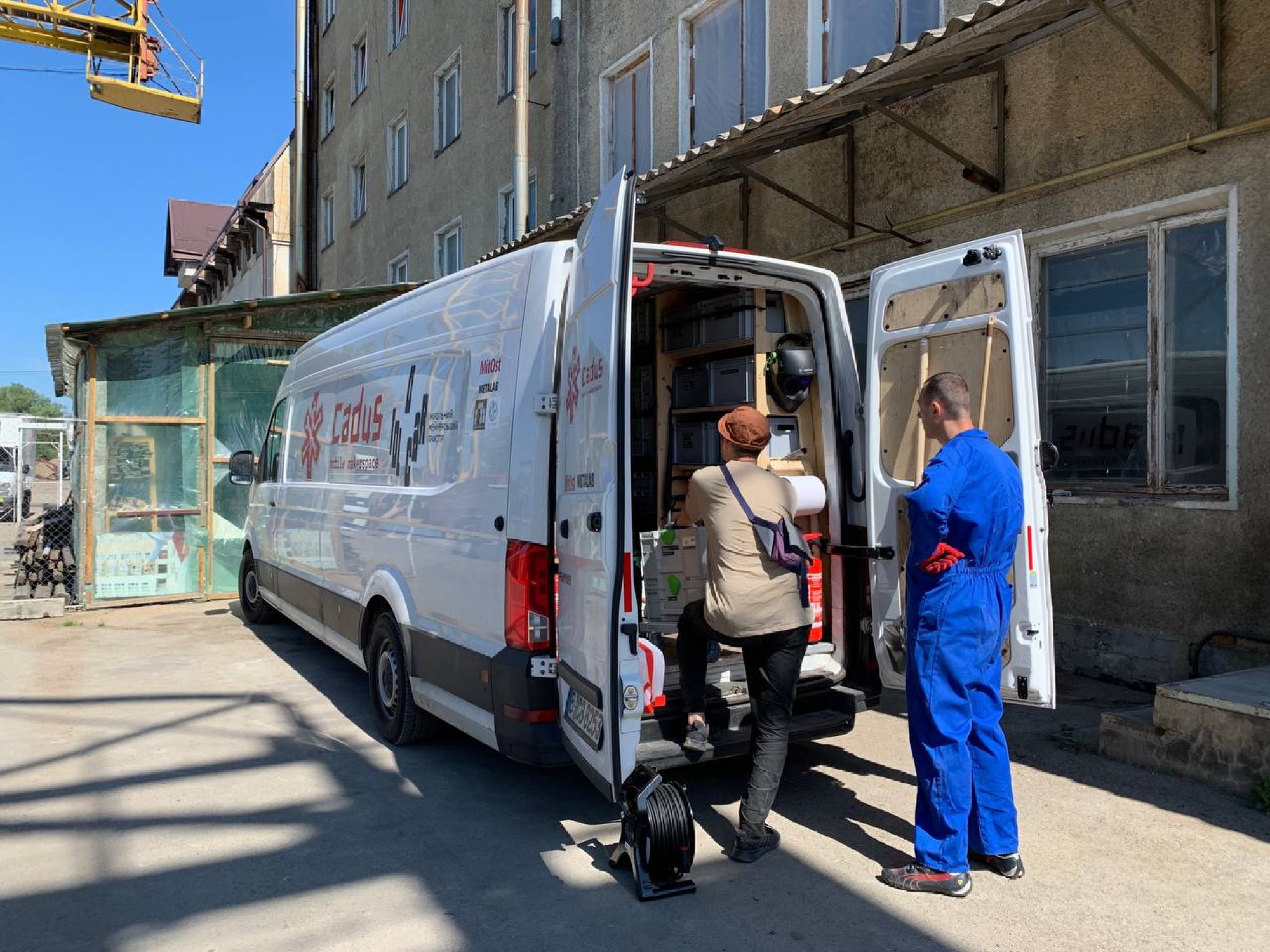
For the mobile workshop, CADUS has expanded a van and filled it with tools, equipment and consumables. This van has been on the road since mid-May 2022 with a team of craftsmen and makers in western Ukraine. There, they primarily strengthen existing local structures and, together with their Ukrainian partners, find solutions for interrupted supply chains and the (re)construction of urgently needed infrastructure. The first project: building shelters for internally displaced persons (IDPs) who have been driven out of the east of the country by the war.
Over the next three months, the mobile makerspace will carry out initial projects as a prototype for the overall TOLOCAR project, connecting existing German and Ukrainian networks and discussing concrete needs together with Ukrainian makerspaces and partner organizations. “Toloka” is a traditional form of solidarity support in Ukraine, which the project wants to reflect.
After that, more Makerspaces will follow and start their work in different places in Ukraine in consultation and close coordination with the Ukrainian partner organizations.
The pilot project will be implemented together with the association MitOst e.V. and the Gesellschaft für Internationale Zusammenarbeit (GIZ).
Our Ukrainian partner organizations are: MetaLab, Insha Osvita, Platform Ostriv, Garage Hub and Building Ukraine Together (BUR).
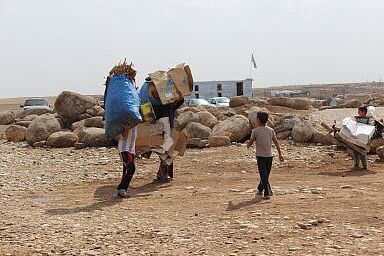
Die Situation überall in Rojava ist nach wie vor dramatisch
Die Menschen vor Ort sind mit ihren Herzen und Gedanken zur Zeit hauptsächlich in Kobanê, aber auch in anderen Städten und Kantonen ist die Lage äußerst kritisch. Bei Besuchen verschiedener Krankenhäuser und Gesundheitsstationen wird deutlich, dass es im medizinischen Bereich schlichtweg an allem mangelt: Von …
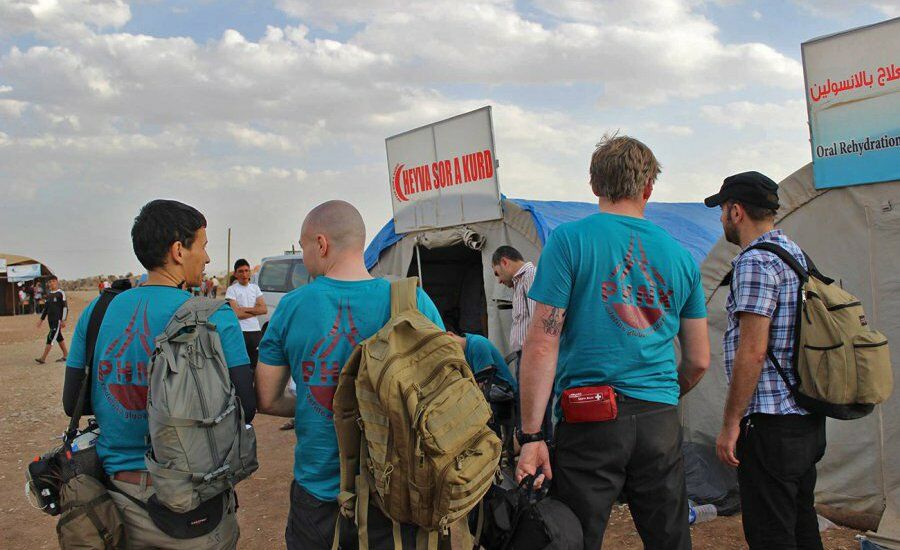
Rojava: Sere Kaniye
Sere Kaniye (Ras al Ain, ca. 55000 Einwohner) war längere Zeit vom IS besetzt, bevor es von der YPG/YPJ befreit wurde. In der Stadt sieht man die Spuren der Kämpfe an vielen Häusern.
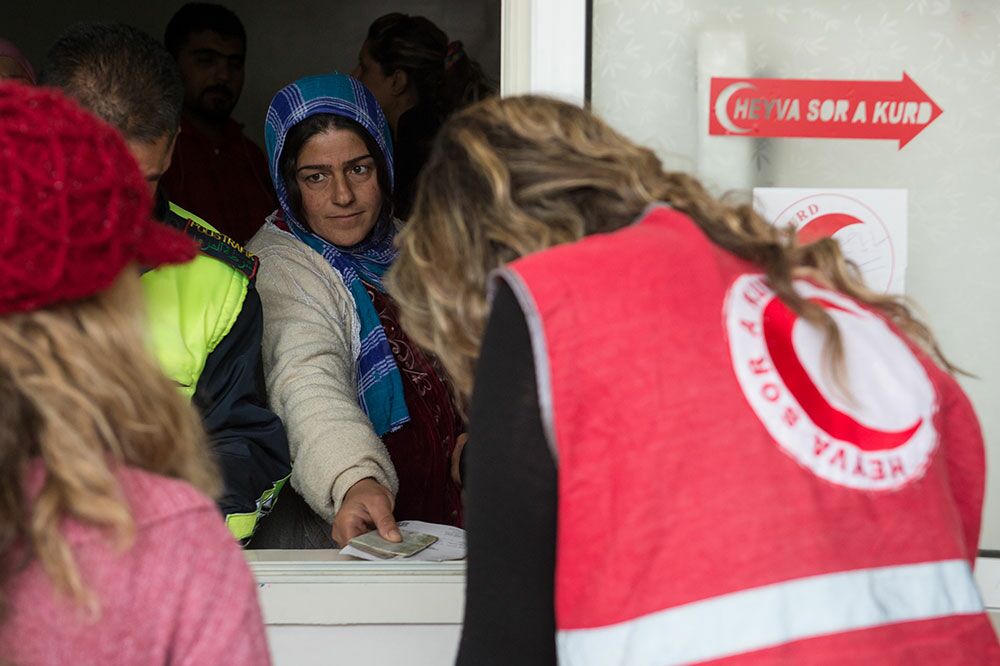
Unsere erste Woche in Rojava 1/2
Unser Fazit nach einer Woche: Wir haben mit sehr vielen ‚Ratsvorsitzenden‘ der Selbstverwaltungsstrukturen, Betroffenen des Krieges, sowie Flüchtlingen aus anderen Teilen Syriens und dem Irak gesprochen. Zudem haben wir einen guten Eindruck vom täglichen Leben in der Region bekommen.