Medical mission in Lesvos – prevent a second Moria
Published on 23. October 2020
from CADUS-PR
medical-mission-in-lesvos-prevent-a-second-moria-feature-20201021-Abreise3-9e99c7c4
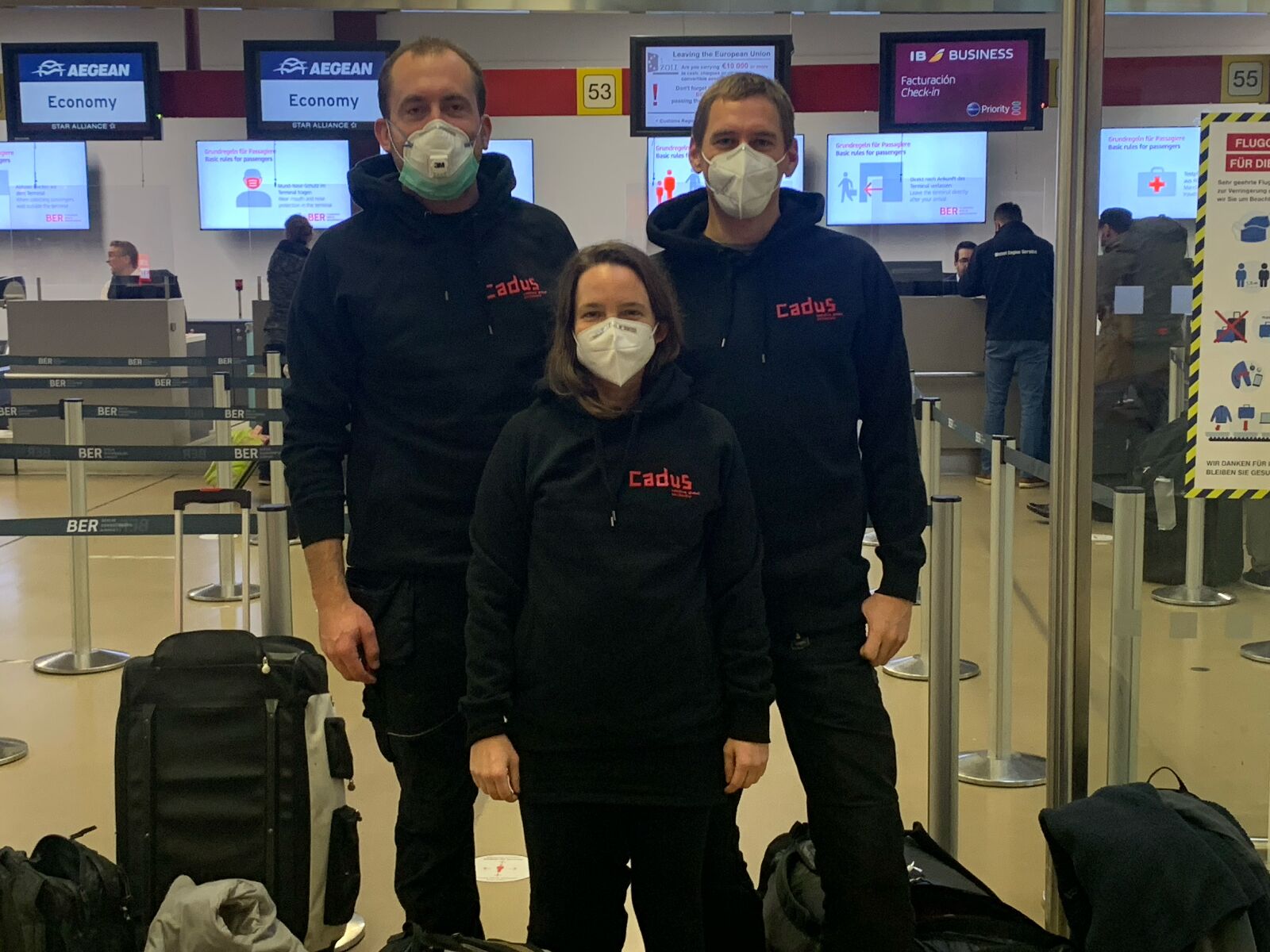
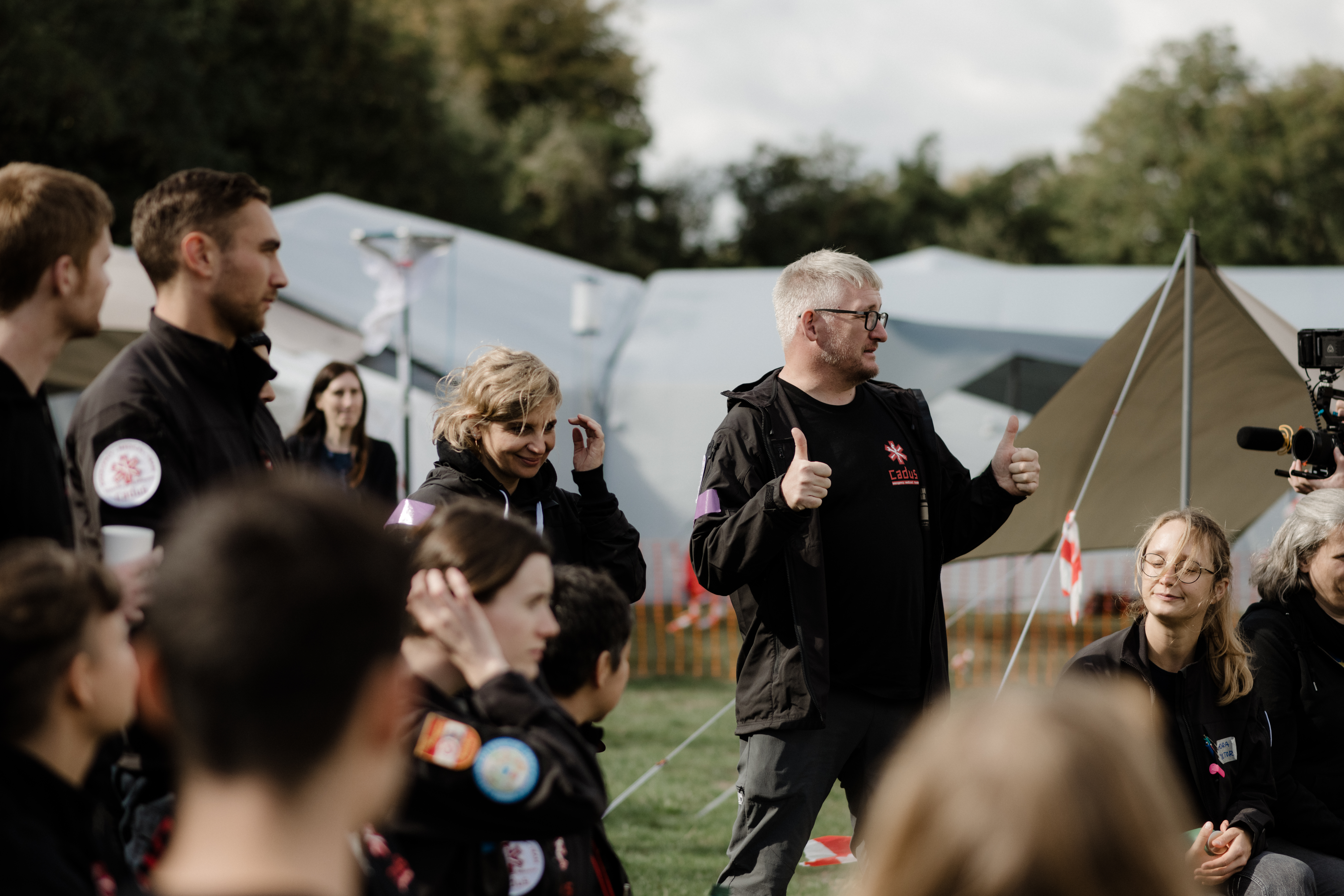
After a long wait and several failed attempts, it’s happening: CADUS is going to Lesvos. In cooperation with the Arbeiter-Samariter-Bund (ASB), we have responded to an official request and are sending a medical team to Kara Tepe 2 (also called Moria 2) to provide humanitarian aid. A small crew from CADUS is already on-site, preparing the mission.
A medical team consisting of CADUS and ASB employees will follow on Saturday, replacing the Norwegian medical staff who are currently in charge of medical care in the camp. The two-month mission will give the Greek government more time to establish its own health care system on Lesvos.
A few weeks ago, we had responded to an appeal by the World Health Organization (WHO) in cooperation with the ASB and offered the Greek government to bring humanitarian aid to Lesvos. There was no response to our initial offer, although the need for help was especially obvious after the fire in the old Camp Moria. We’ve described how exactly this happened and how we feel about it in another blog post.
Moral concerns
The decision for this application was not easy for us. On one hand, we want to fulfill our ethical obligation and use our possibilities to support people in need. On the other hand, we do not want to serve as a humanitarian fig leaf and participate in a new camp, where conditions seem to follow the inhumane traditions of the former camp Moria.
Using our position
We have decided to deploy, will provide medical care for the people in the camp, and critically observe the overall situation. We consider it absolutely necessary to prevent an imminent second moria. The start of our mission goes hand in hand with our demand for humane living conditions in the camp Kara Tepe 2.
We will be on-site as an official Emergency Medical Team (EMT). EMTs are medical emergency teams classified by the WHO, which can provide emergency medical assistance in case of health crises worldwide. In this position, we want to work together with local organizations that have been doing important work in the camp for a long time.
To stay informed about our work in Moria, follow us on social media or subscribe to our newsletter:
Published
Author: Carolin Lebek
The climate catastrophe as the greatest challenge for humanitarian aid
What impact does the climate catastrophe have on humanitarian aid? What can and must humanitarian actors prepare for and how must they adapt in order to counter the consequences of the climate catastrophe?
The future of humanitarian aid
Writing a text about the future of humanitarian aid. My first impulse: this is going to be a gloomy text. The present of humanitarian aid leaves little room for optimism. Wars continue, people are dying in Sudan unnoticed by the
How AI Is Changing Humanitarian Aid: Risks and Opportunities
I’ve spent enough nights under mosquito nets and sat through long, often circular UN coordination meetings to know this: if we want to reach people in crisis faster, with less waste, and without burning out the sector, we can’t