Temporary Aid
Published on 16. July 2021
from CADUS-PR
temporary-aid-feature-golan_heights_syria_israel_people_religious_people_apple-1164194.jpg21d-68685ff4
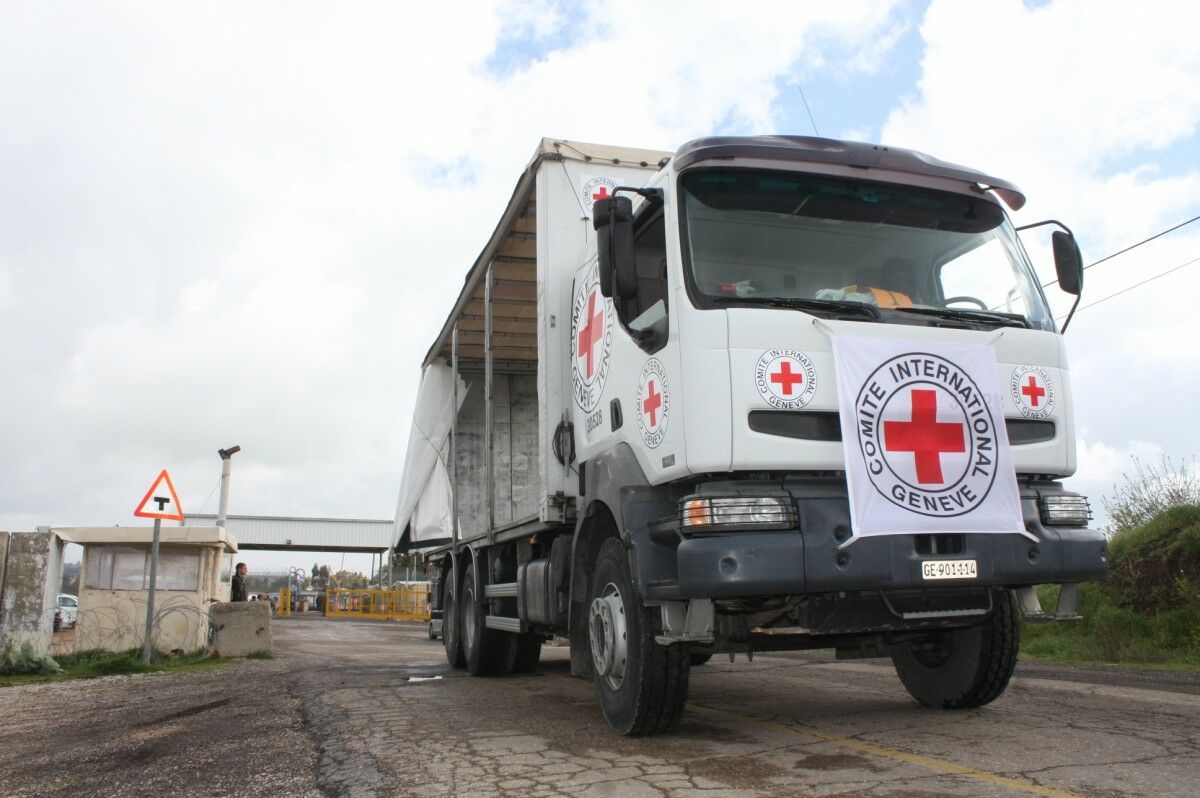
The last open border crossing between Turkey and northern Syria is extended for one year, relief supplies can continue to be delivered to the northwest. 3.2 million people can thus be supplied for another 12 months. What happens after those 12 months is still uncertain.
On Friday evening, the humanitarian world breathed a collective sigh of relief: After weeks of discussions and against all expectations, the UN Security Council had reached an agreement and extended the last official border crossing from Turkey to northern Syria for another year. The decision allows one million Syrians to continue receiving food aid as the hunger crisis worsens, and will ensure that millions of people can continue to receive humanitarian supplies.
The arrangement is valid for six months and is to be extended for a further six months thereafter, provided that the aid deliveries run smoothly. Next year in July, another vote will have to be held on whether the UN should continue to keep the border crossing open and send aid supplies to northern Syria itself.
Noone can say how the vote will turn out next year. Conflicts and the pandemic make predictions virtually impossible – the only constant is the dire need for aid supplies in the northern region of Syria.
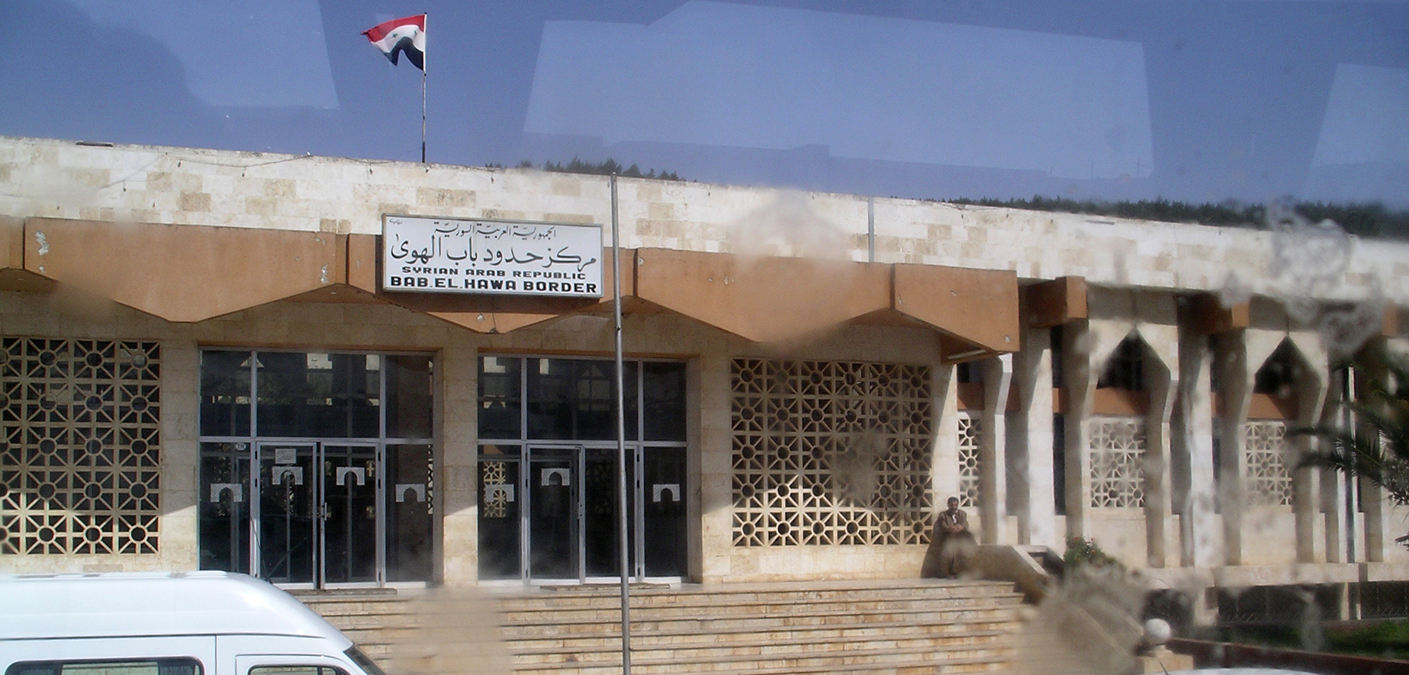 The last open border crossing in northern Syria: Bab al-Hawa.: Bab al-Hawa. Foto: Wikimedia
UN support is needed
The now decade-old conflict in Syria has led to a humanitarian crisis of catastrophic proportions: about 70% of the population in northern Syria needs humanitarian assistance, about half of whom are children. Most people in northern Syria are internally displaced persons (IDPs) who have fled their home regions to escape the regime or other conflicting parties. They live in makeshift camps where both food and medical supplies are often inadequate.
Drought, inflation and pandemic are now daily companions, dramatically exacerbating an already critical situation. As if the situation was not bad enough, violent clashes and airstrikes continue to occur near the border area with Turkey, further straining the fragile infrastructure, humanitarian actors and, most importantly, the local civilian population.
Closing the border crossing would be catastrophic in every way: the UN provides 70-80% of food and water assistance in the area through the World Food Program. In addition, the UN provides 50% of all other humanitarian supplies, including medical supplies such as Covid-19 vaccinations. Aid agencies on the ground would not be able to absorb a loss of these services. If the UN were to withdraw from the area, many structures that currently provide at least a basic level of security to aid organizations and donors would be eliminated.
Border crossings for aid deliveries reduced drastically
At the very beginning of the aid deliveries in 2014, four open border crossings through supplied the population in northern Syria with humanitarian aid. At Russia’s instigation, these crossings have become fewer and fewer in recent years – Russia demands that all humanitarian aid in Syria reach the relevant regions through regime-held areas.
The problem: In many areas, especially in the northeast, territorial control does not lie with the Syrian regime. If aid supplies were to reach regions only through Damascus, access for humanitarian services in the areas would be extremely difficult.
This is exactly what happened with the Al Yarubiyah border crossing in northeastern Syria. After Al Yarubiyah was closed in Janaur 2020, the crisis in the northeast worsened and the need for humanitarian assistance multiplied. At the same time, it became extremely difficult for aid organizations to do their work. We had to terminate one of our projects because of this. Hardly any aid is reaching the affected regions via the northwest or even the south of Syria, while cases of Covid 19 infection continue to rise.
Seemingly, the much improved relations between Presidents Biden and Putin have most recently ensured that Russia joined the other countries in the UN Security Council vote to extend the opening of the Bab al Hawar border crossing. The well-being of millions of people who depend on aid supplies in northern Syria thus depends on whether the major powers in the UN Security Council can reach an agreement year after year. It’s an uncertain foundation on which to build a life.
Published
Author: by Cadus PR
Wie war das noch mit den Menschenrechten?
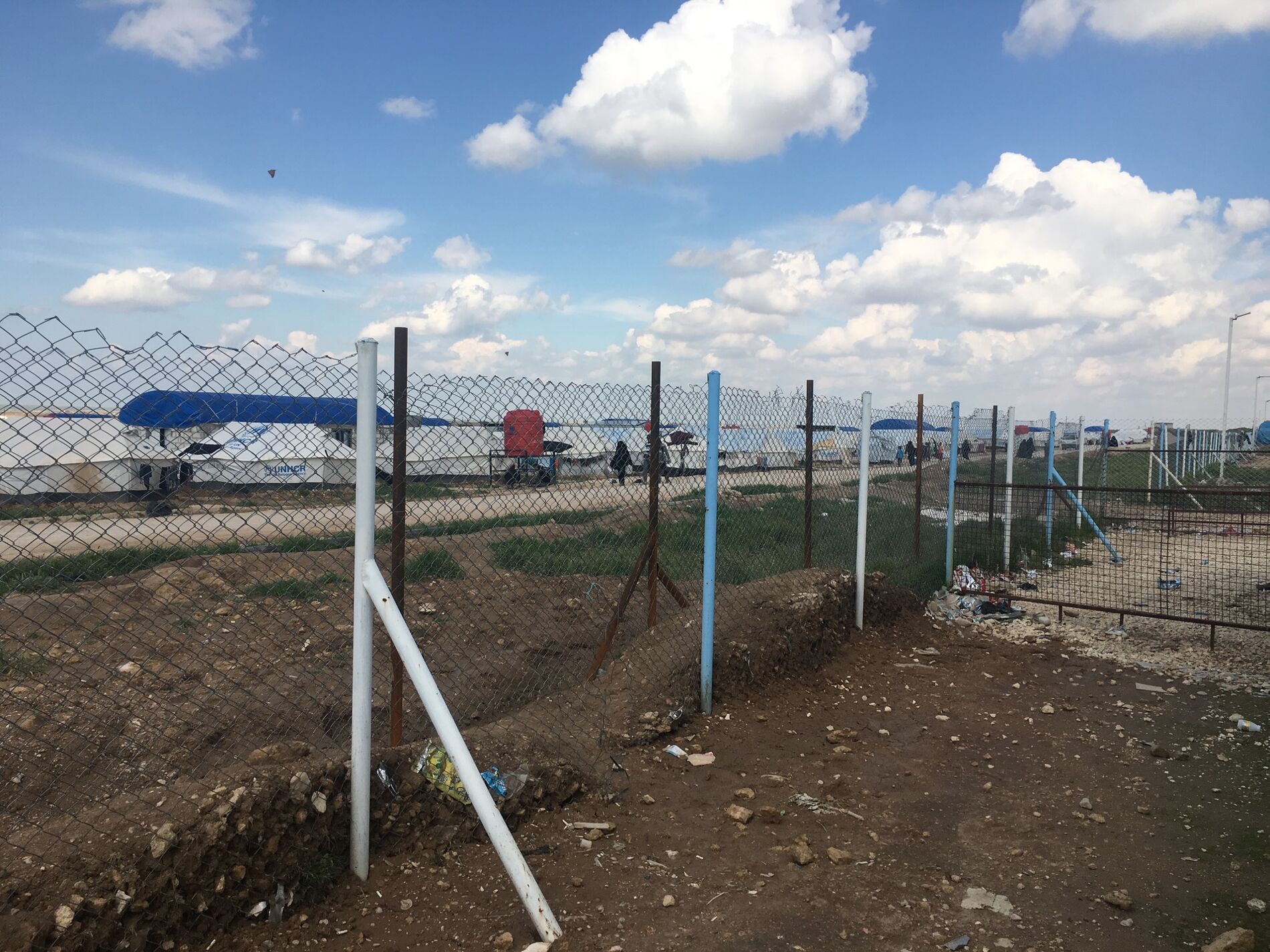
Das Geflüchtetenlager al-Hol in Nordostsyrien ist nach den Kämpfen gegen die letzten Überreste des IS komplett überfüllt und jegliche Struktur überlastet. Die gemeinsame Unterbringung von IS-Angehörigen und deren ehemaligen Opfern sorgt immer wieder für Konflikte unter den Bewohner*innen. Angesichts dessen stellt …
Pressemitteilung – Social Media Action Day #RechtaufFlucht
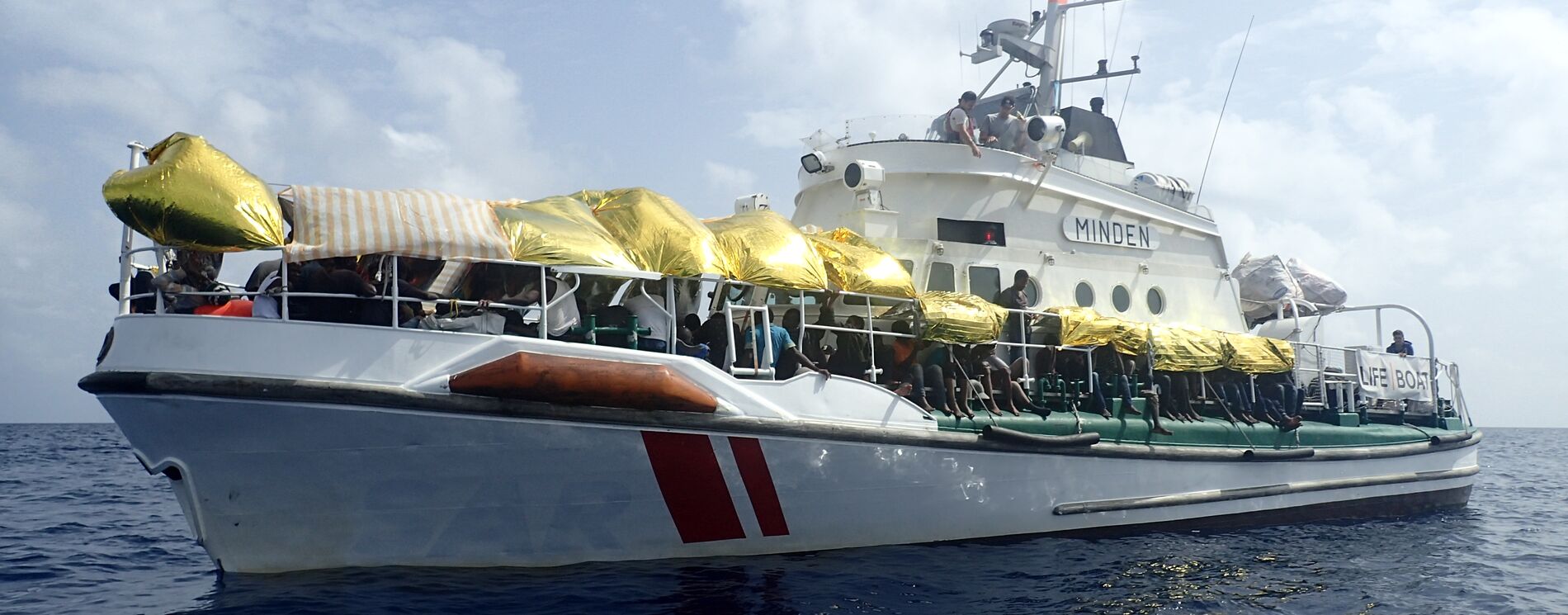
Gemeinsamer Social Media Action Day: Stoppt EU-Unterstützung für Libysche „Küstenwache“ Am Sonntag, den 28. Januar 2018 rufen Organisationen der zivilen Seenotrettung und humanitären Hilfe zu einem Social Media Action Day auf. Über den gesamten Tag werden die beteiligten Organisationen Artikel, Bilder und Videos …
Press release: Treatment of displaced persons from ISIS territory: CADUS starts providing medical care at al-Hawl refugee camp
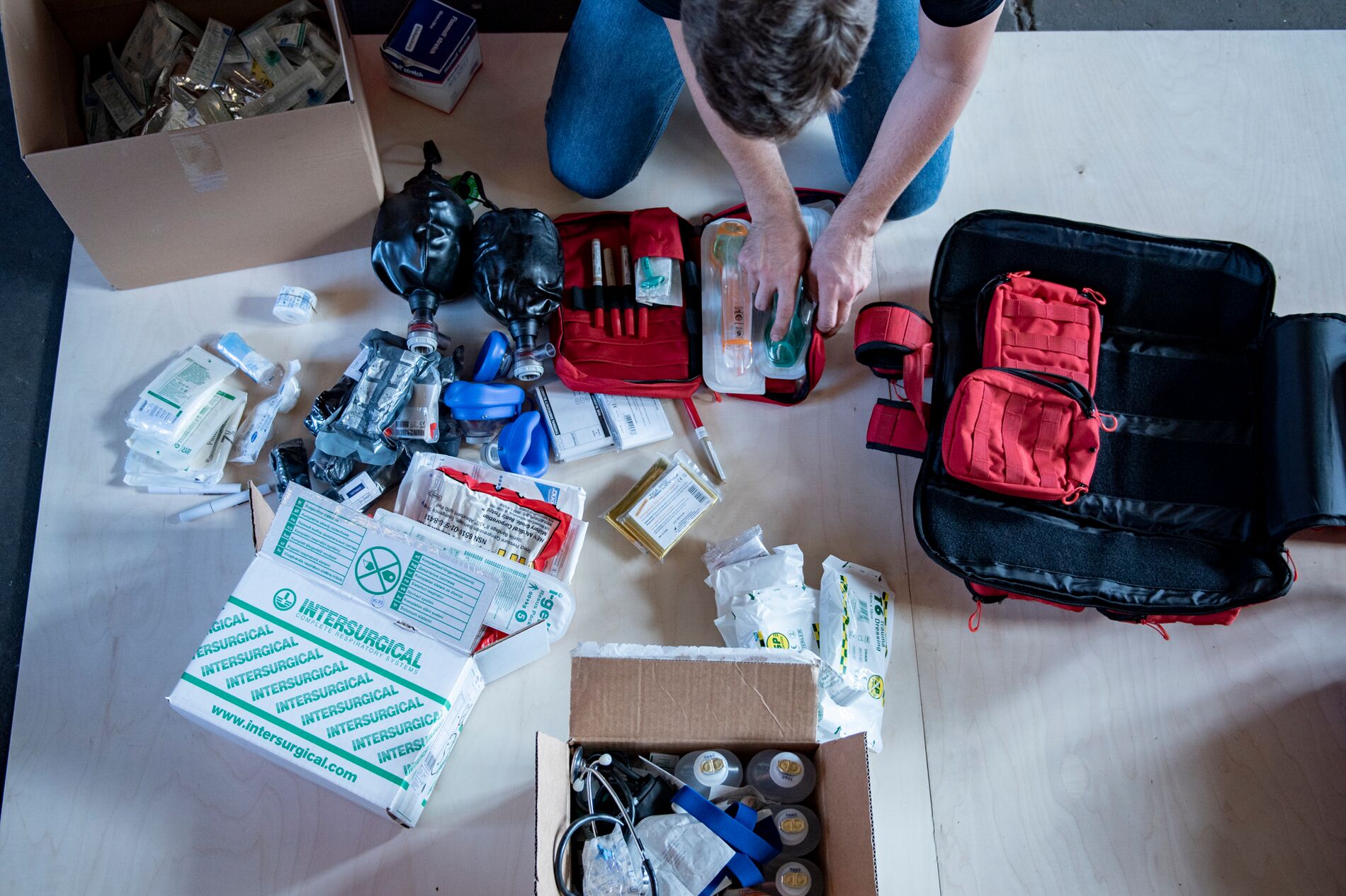
Berlin based relief organisation CADUS e.V. is supporting the construction of a field hospital in the al-Hawl refugee camp in the northeast of Syria. Medical care is one of the most pressing issues of the camp which is hopelessly crowded with over 75.000 people. One of the main reasons for the big number of people in …