Arrived in Kobanê
Published on 22. June 2017
from CADUS-PR
arrived-in-kobane-feature-cadus_projekt_koban-08-2015_05-5d4b9533
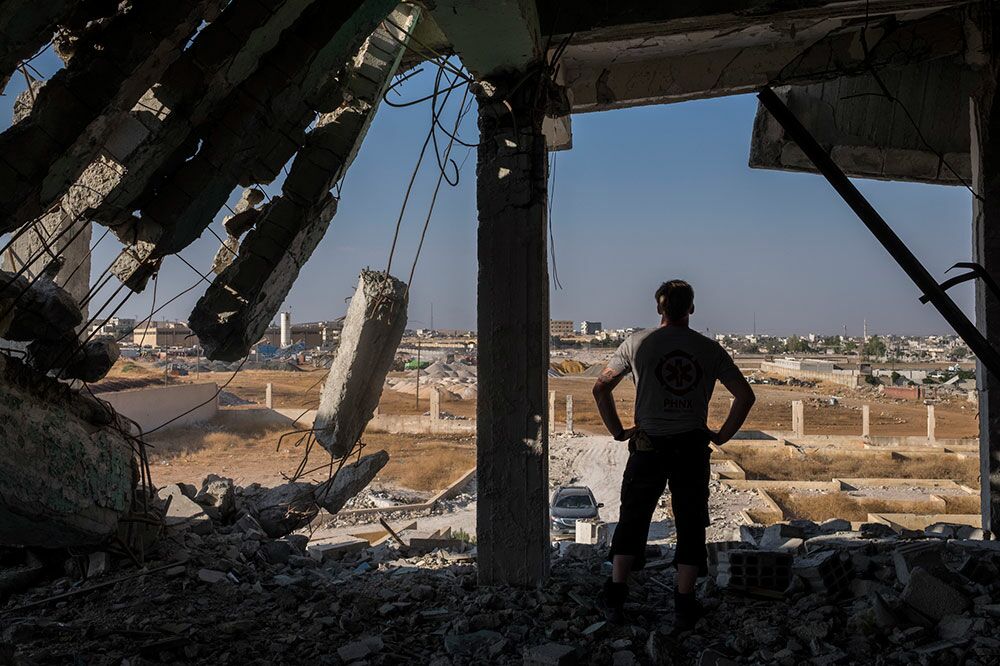
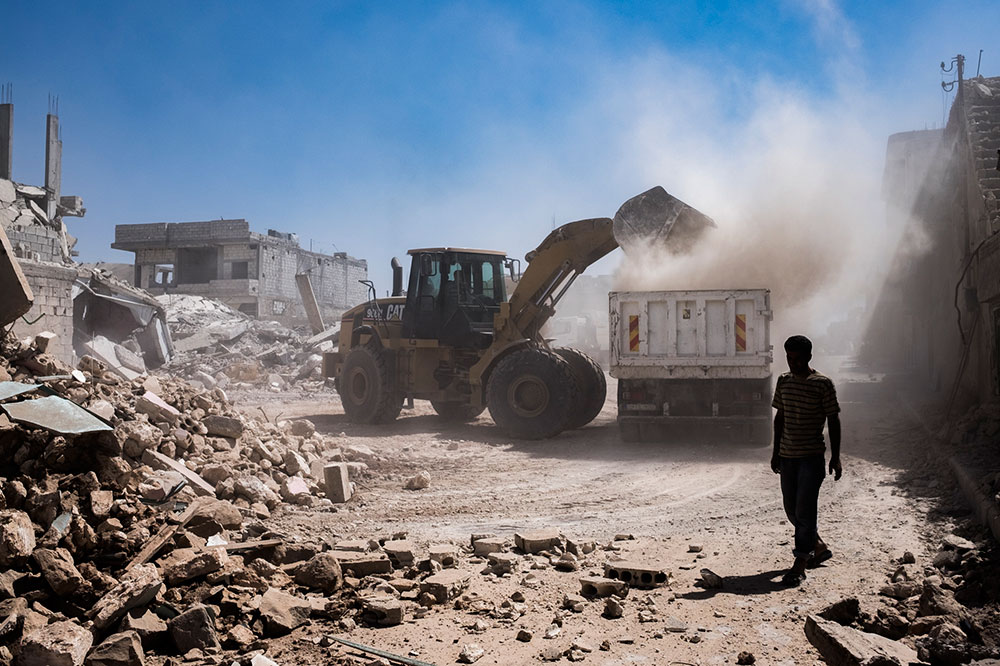
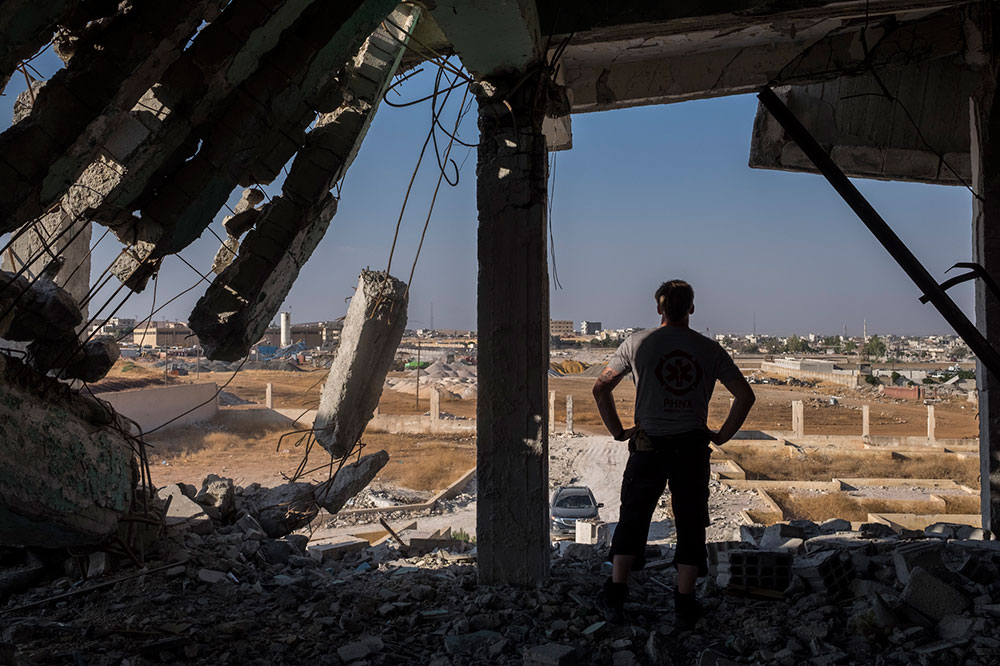
The odds were against us! “If you want to go to Rojava” so they told us “you can only cross the border from Iraq or illegaly”. One day of waiting in Suruç and countless times of presenting our passports, however finally succeeded in us walking over the turkish-syrian border legally, right on time as the sun went down.
The border appeared like a film set. Warm wind from the west! Train tracks with parked wagons! Silence and a sky full of stars. A turkish military truck with running engine is parked on the border strip. High streetlights with white light accentuate the setting. What's the catch? we thought… will we still have to turn around? No one ever made it over the border before.
After a signature and our fathers' names we eventually passed through a simple metal door.
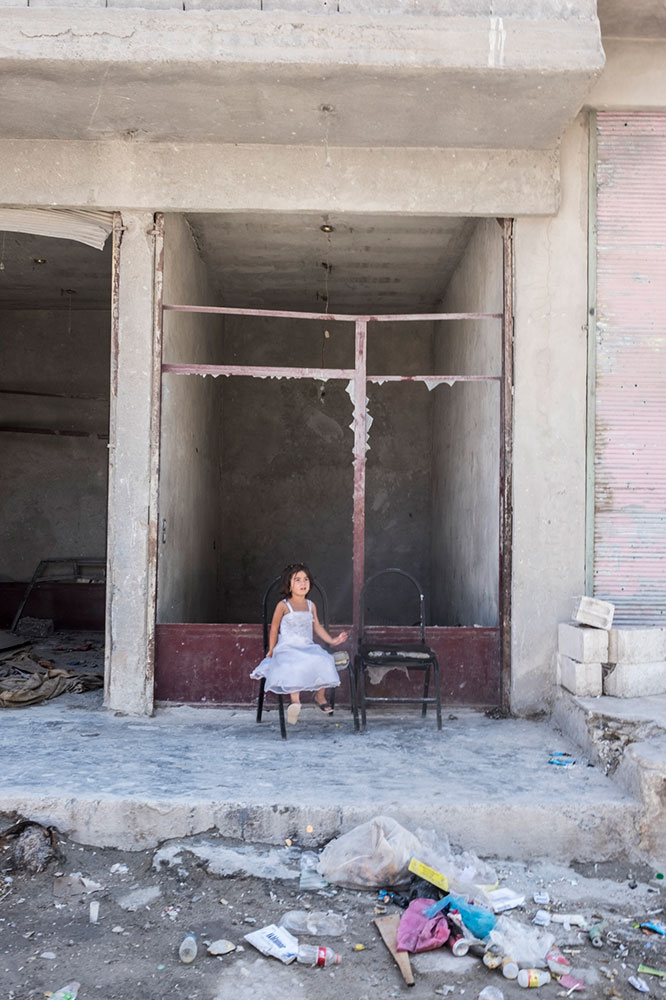
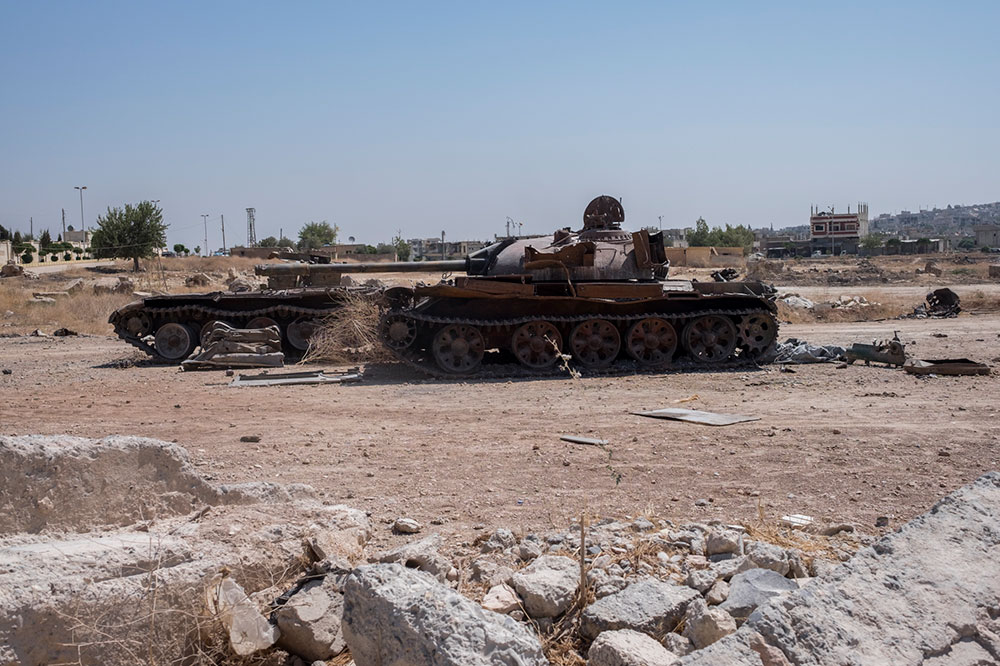
Off we went throught the gate. We made it. On the other side in Kobane we were picked up. And now we are lying and sweating in the so called guest house. “Unfortunately the restaurant is not yet open. But that will happen soon!”
The sound of clattering generators mixed with cricket chirping lulls us to sleep.
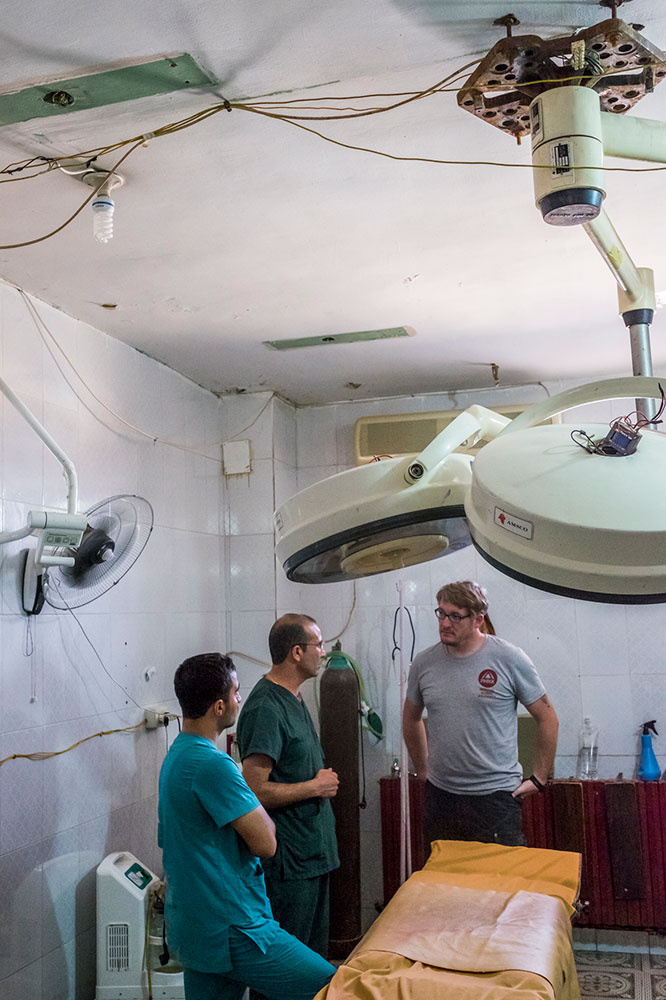
Fotos of the latest journey to Kobanê on the blog of the photographer Christoph Löffler.
Published
Author: by Jan Kout
How to Build an EMT – What we learned on Lesbos
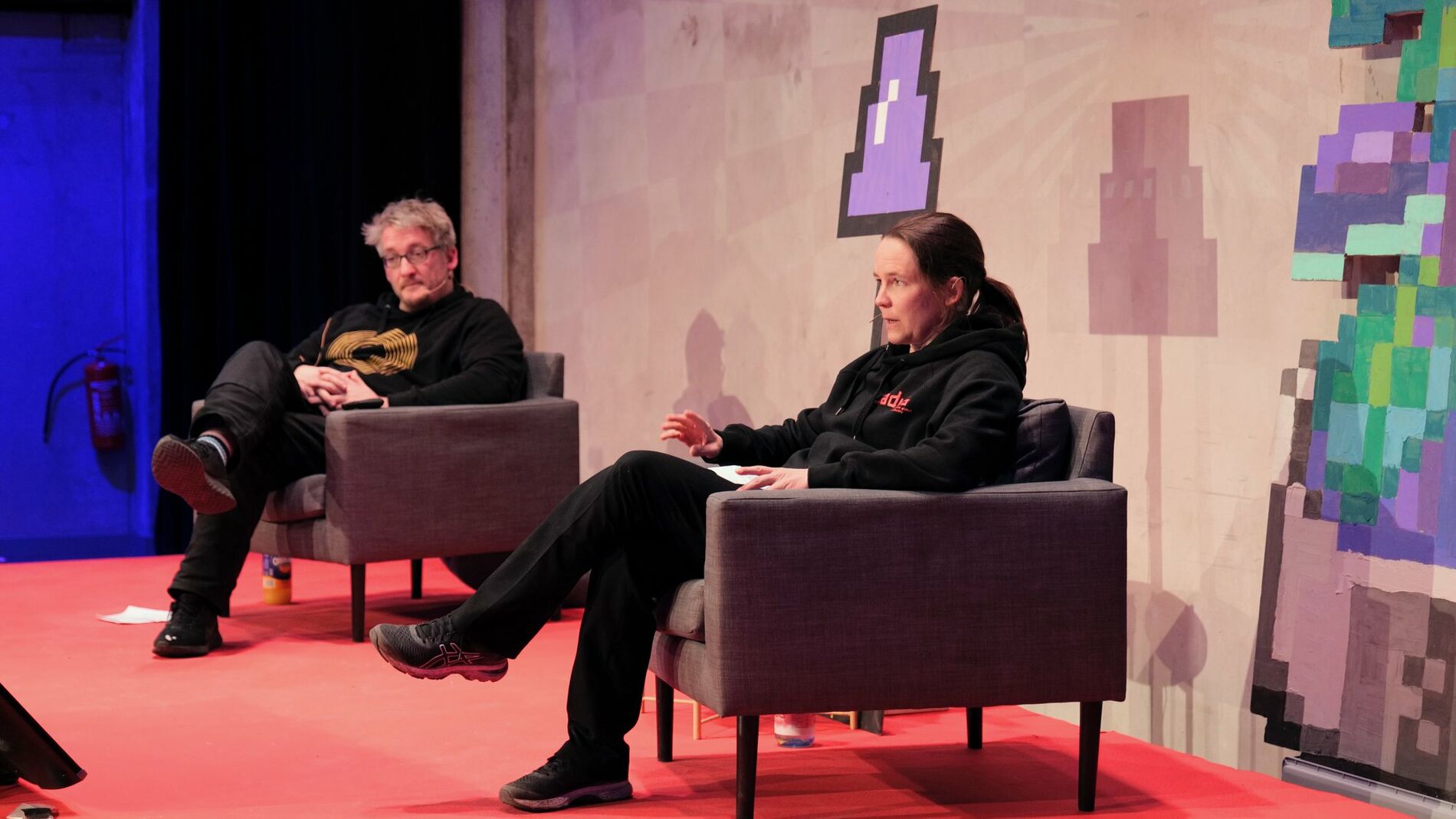
Shortly before Christmas, our mission in Camp Kara Tepe on Lesbos officially came to an end. Corinna and Sebastian sum up what they have learned in a presentation at rc3.
Mask shortage in North East – Syria
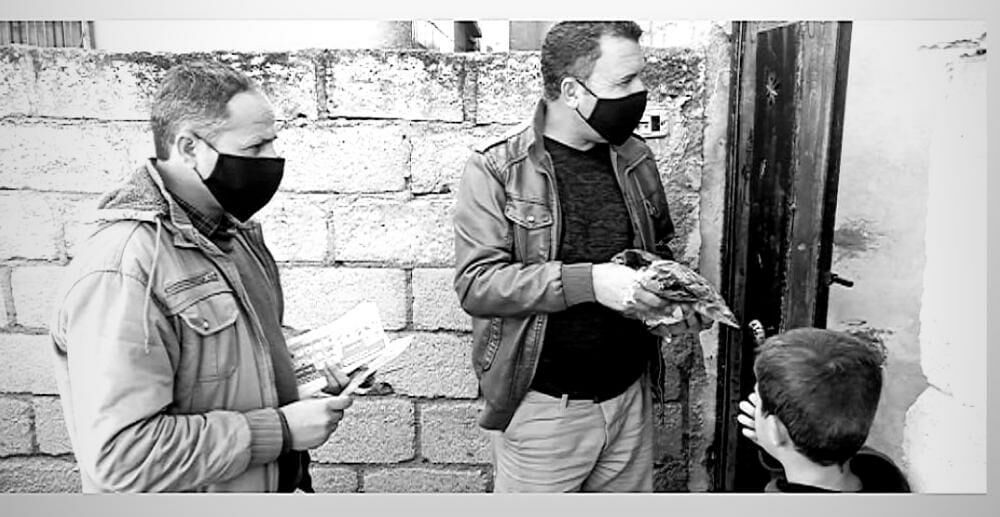
In northeast Syria, everyday-masks are expensive and rare goods. Together with local seamstresses, we have produced and distributed over 8000 masks to prevent the spread of coronavirus.
Every illness has a history: Our medics talk about the camp on Lesvos
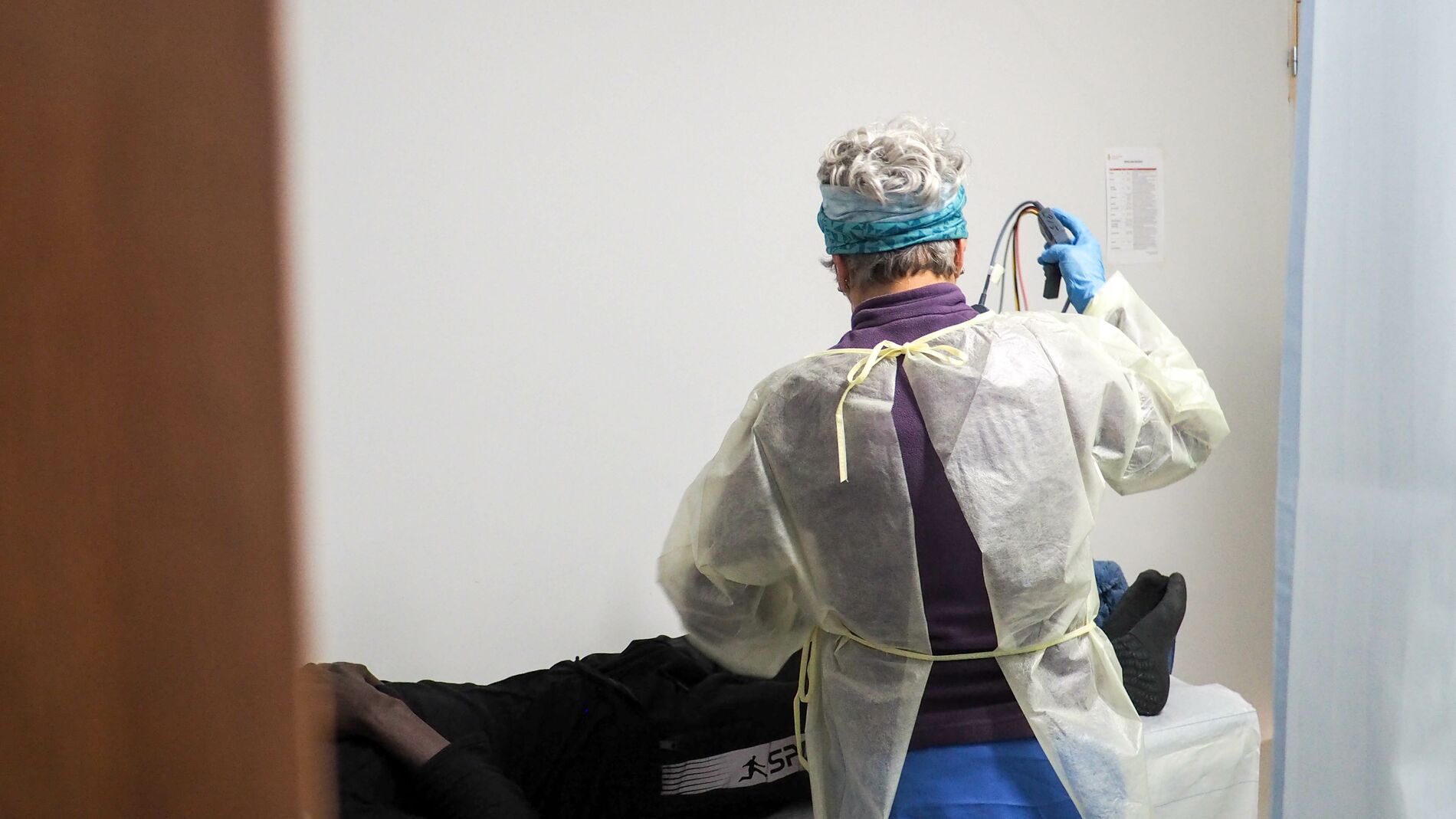
For almost four weeks we have been daily treating the inhabitants of the camp Kara Tepe 2 on Lesvos. Through medical access, we gain an insight into life in the camp. Many clinical pictures repeat themselves again and again. They are probably directly related to the current living conditions there, and range from …