Arrived in Kobanê
Published on 22. June 2017
from CADUS-PR
arrived-in-kobane-feature-cadus_projekt_koban-08-2015_05-5d4b9533
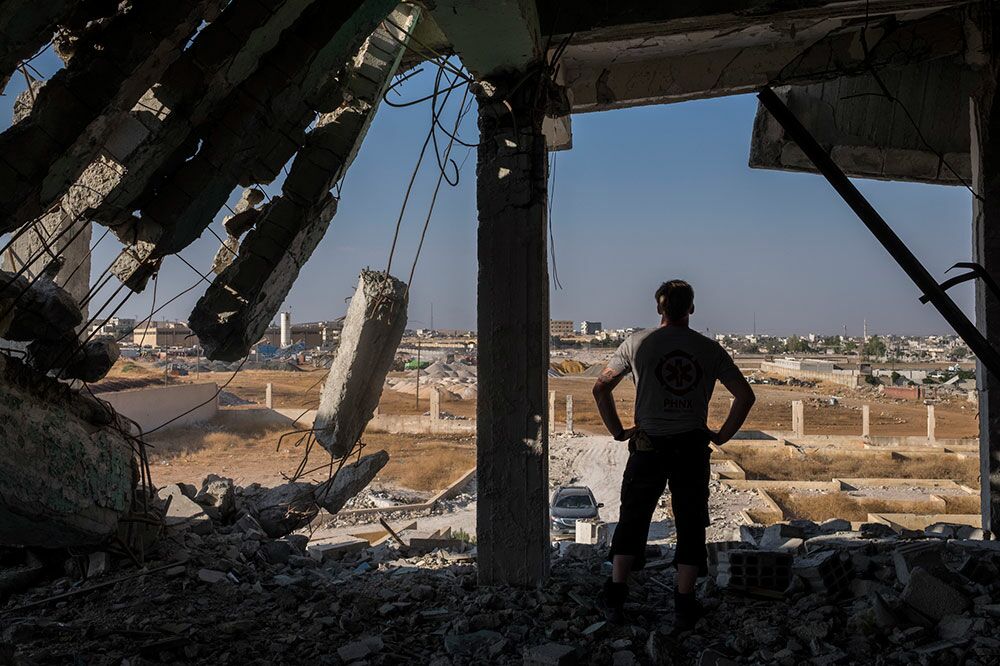
The odds were against us! “If you want to go to Rojava” so they told us “you can only cross the border from Iraq or illegaly”. One day of waiting in Suruç and countless times of presenting our passports, however finally succeeded in us walking over the turkish-syrian border legally, right on time as the sun went down.
The border appeared like a film set. Warm wind from the west! Train tracks with parked wagons! Silence and a sky full of stars. A turkish military truck with running engine is parked on the border strip. High streetlights with white light accentuate the setting. What's the catch? we thought… will we still have to turn around? No one ever made it over the border before.
After a signature and our fathers' names we eventually passed through a simple metal door.
Off we went throught the gate. We made it. On the other side in Kobane we were picked up. And now we are lying and sweating in the so called guest house. “Unfortunately the restaurant is not yet open. But that will happen soon!”
The sound of clattering generators mixed with cricket chirping lulls us to sleep.
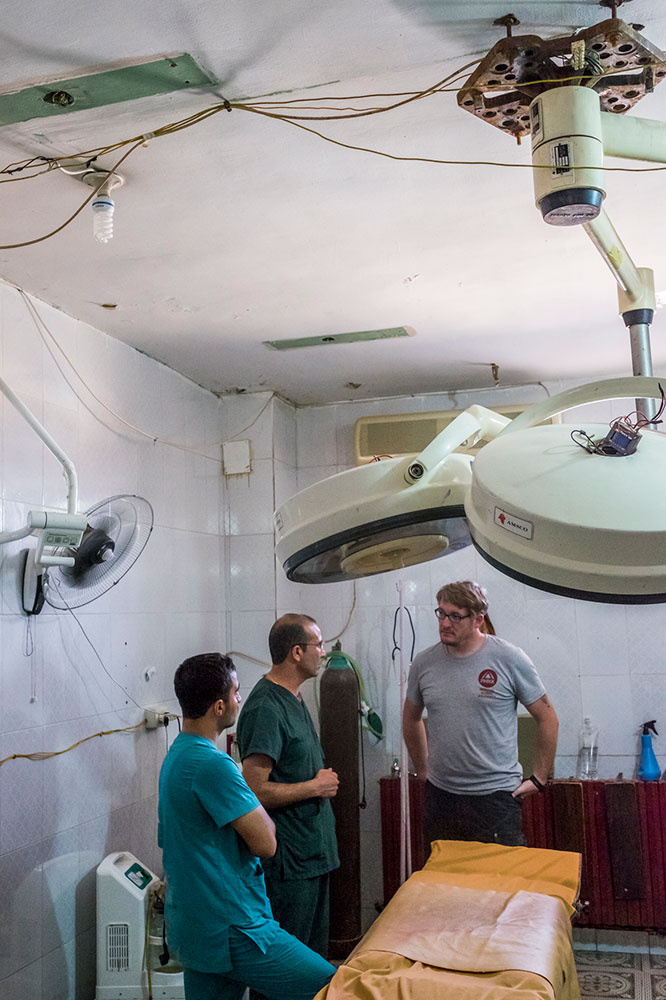
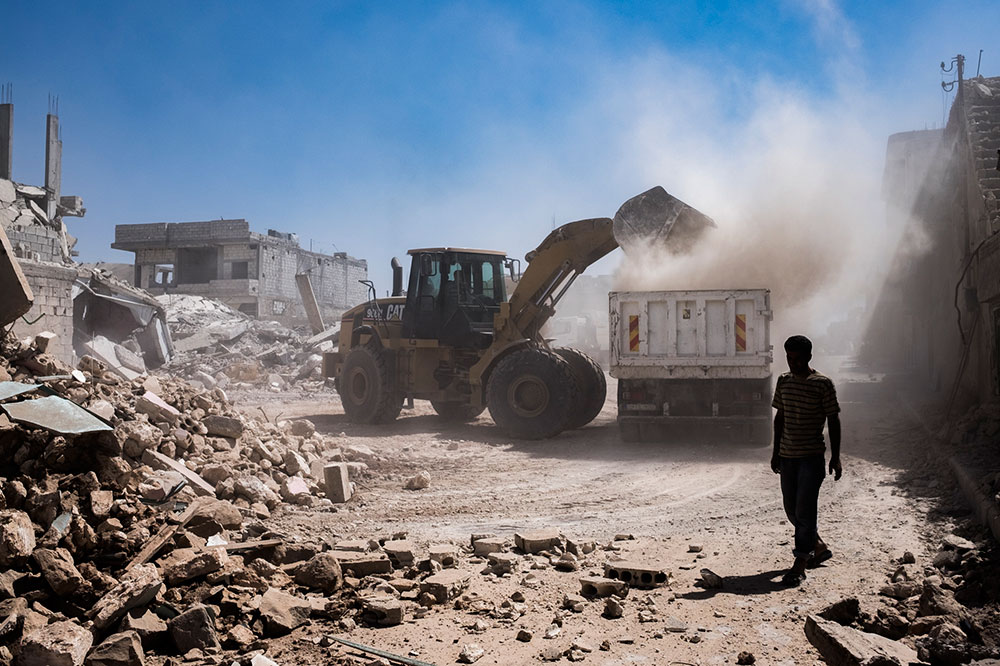
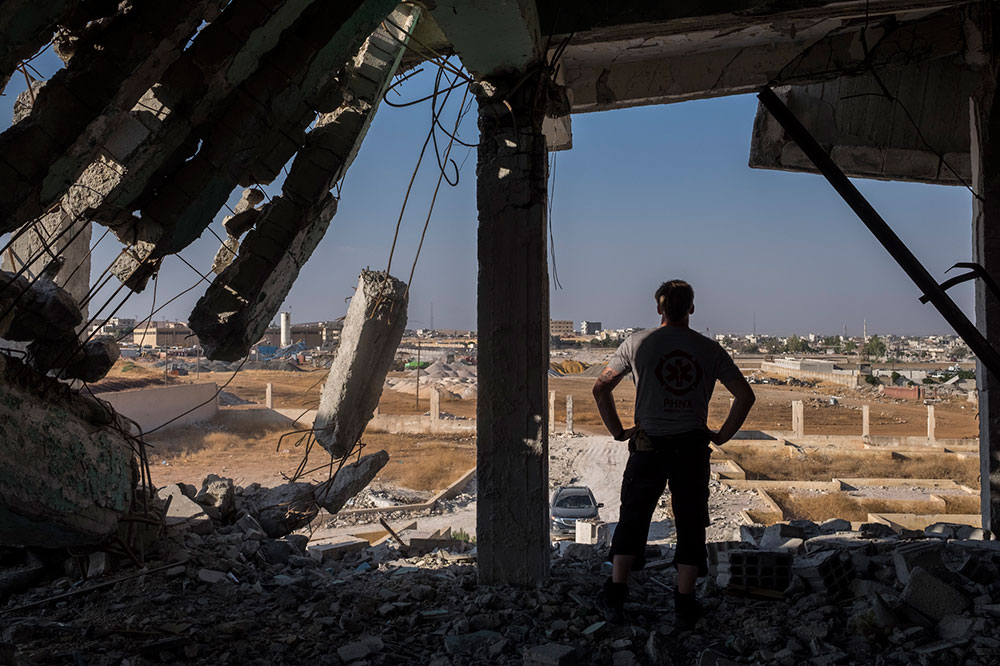
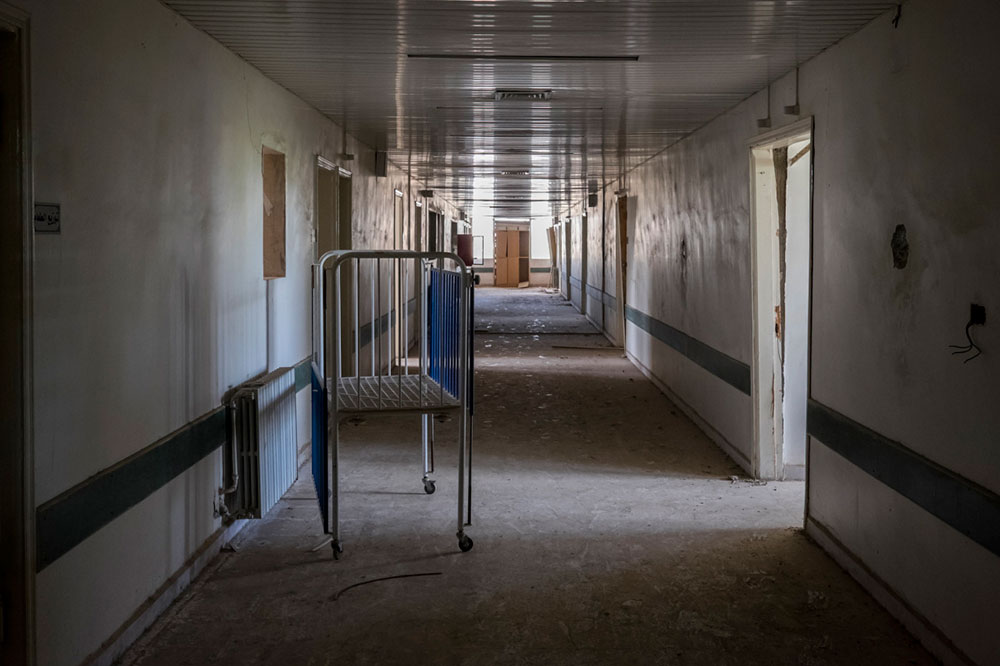
Fotos of the latest journey to Kobanê on the blog of the photographer Christoph Löffler.
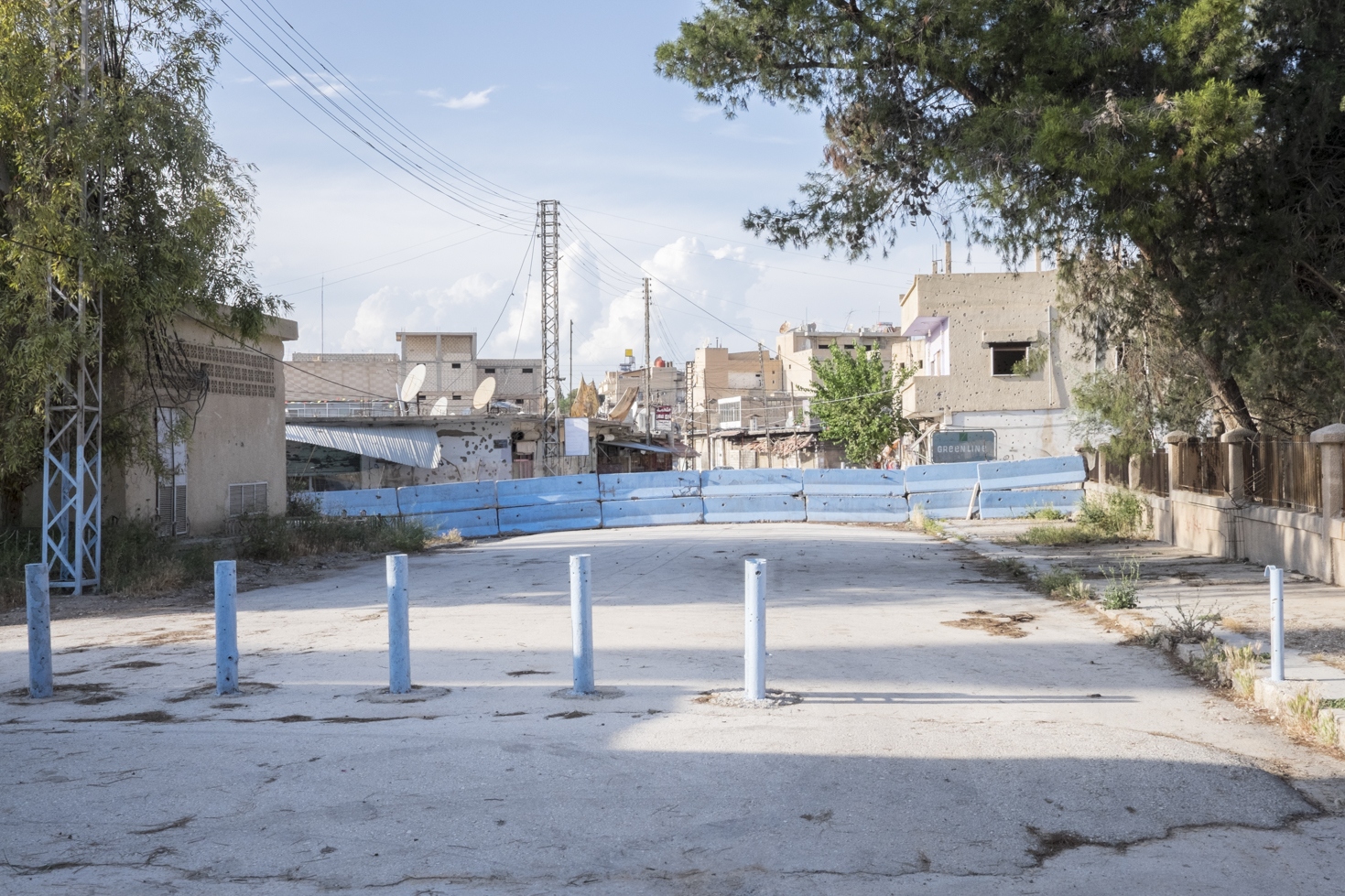
Published
Author: by Jan Kout
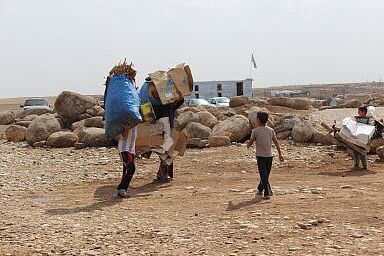
Die Situation überall in Rojava ist nach wie vor dramatisch
Die Menschen vor Ort sind mit ihren Herzen und Gedanken zur Zeit hauptsächlich in Kobanê, aber auch in anderen Städten und Kantonen ist die Lage äußerst kritisch. Bei Besuchen verschiedener Krankenhäuser und Gesundheitsstationen wird deutlich, dass es im medizinischen Bereich schlichtweg an allem mangelt: Von …
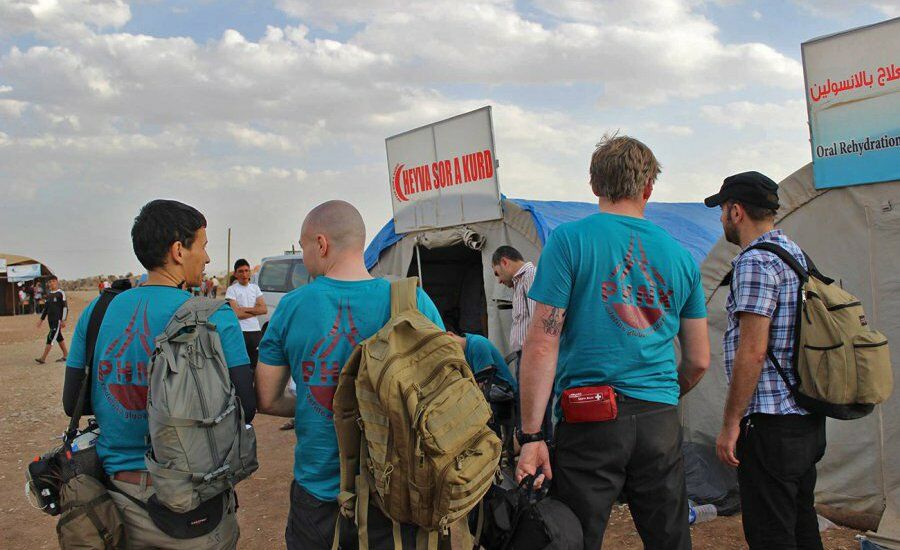
Rojava: Sere Kaniye
Sere Kaniye (Ras al Ain, ca. 55000 Einwohner) war längere Zeit vom IS besetzt, bevor es von der YPG/YPJ befreit wurde. In der Stadt sieht man die Spuren der Kämpfe an vielen Häusern.
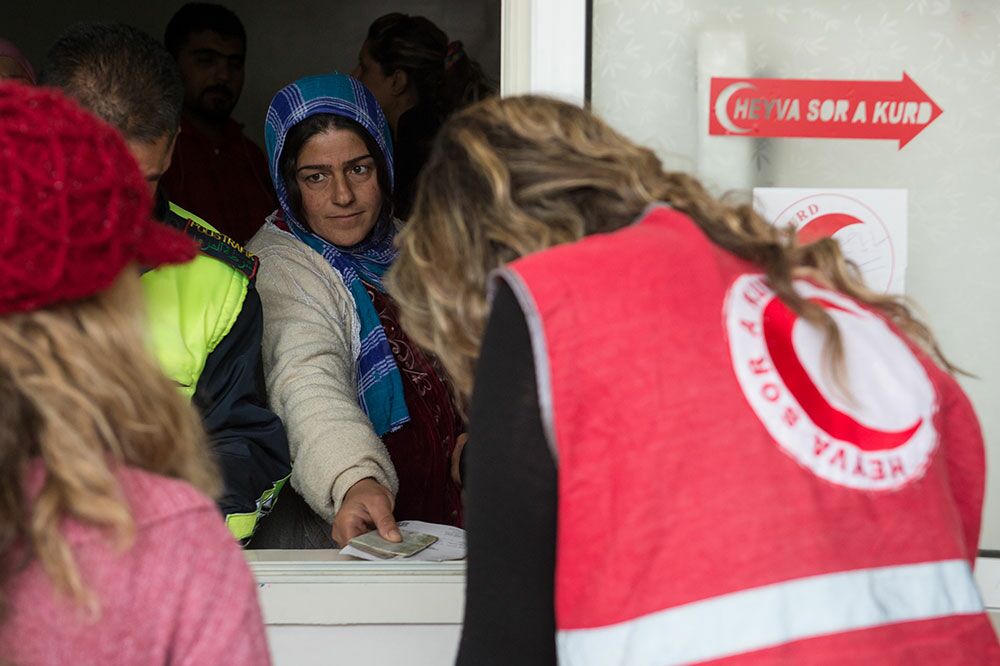
Unsere erste Woche in Rojava 1/2
Unser Fazit nach einer Woche: Wir haben mit sehr vielen ‚Ratsvorsitzenden‘ der Selbstverwaltungsstrukturen, Betroffenen des Krieges, sowie Flüchtlingen aus anderen Teilen Syriens und dem Irak gesprochen. Zudem haben wir einen guten Eindruck vom täglichen Leben in der Region bekommen.