PHNX goes CADUS … but why?
Published on 29. August 2015
from CADUS-PR
phnx-goes-cadus-but-why-feature-cadus_distel_foto_homepage-8f28a589
18 months ago, when we first started, everything happened very quickly. The kid needed a name. We didn't waste a lot of time and thought, too much had to be done… events went head over heels. Anyway, content was more important than the cover. Who cares about the wrapping?We still put content over cover, of course. However, it didn't take long until we hit those limits that a young humanitarian aid organisation hits, when it doesn't have a clear concept about its public presence. With the only positive reference to your own name being the overworked “risen from the ashes”-mythology – apart from the fact that MacGyver too worked for the Phoenix Foundation – it was difficult to work longterm. And eventually we recognized that while content indeed prevails over cover, it is definitely the cover that assists when it comes to conveying the content.
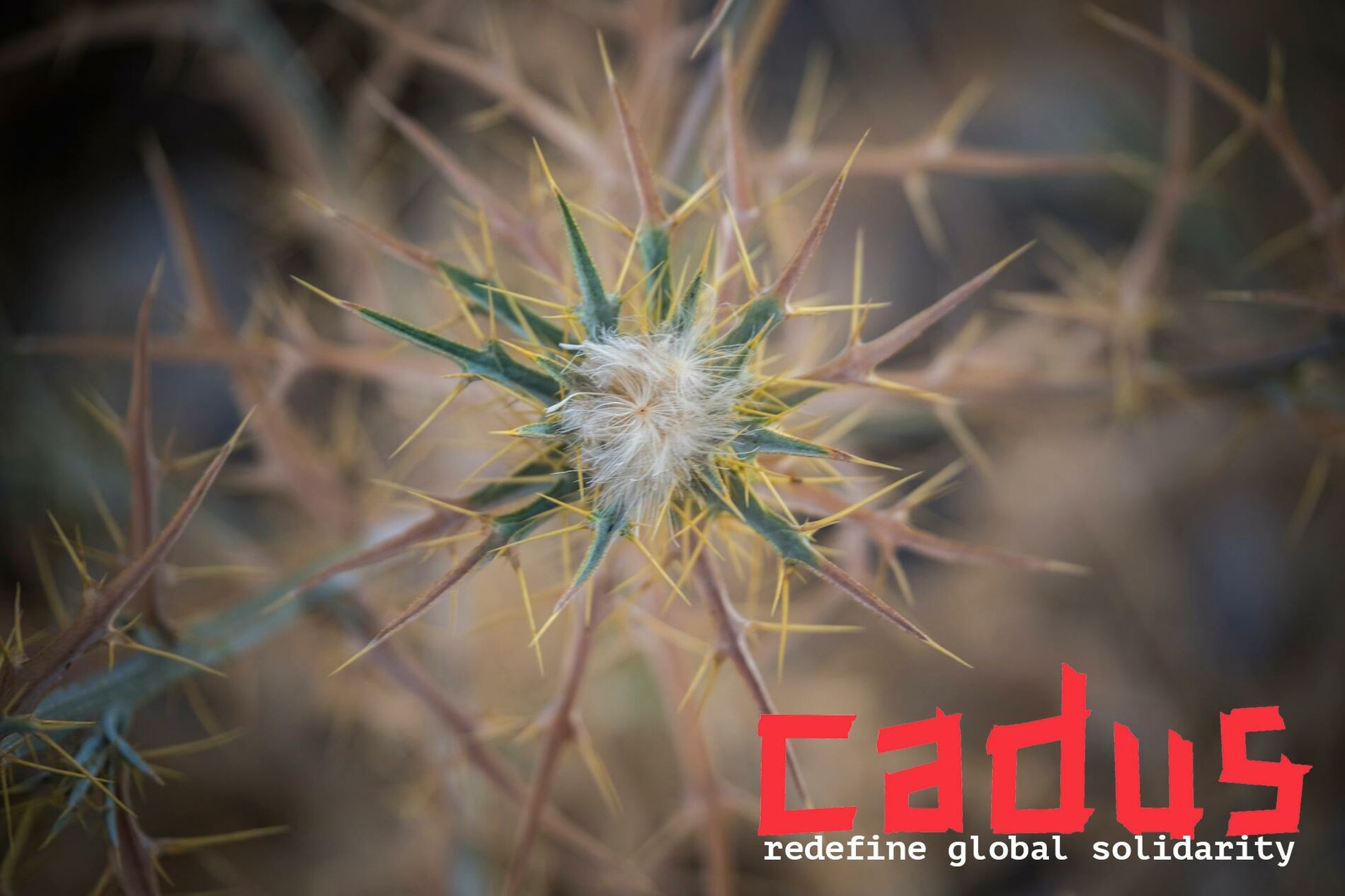
At least if you want to leave an enduring impression. CADUS. Derived from thistle (lat. Carduus), also to be found growing in Rojava. Like its botanical role model, CADUS stands for resiliency, perseverence and the ability to bloom where war and destruction have become the center of human survival.Whether we can live up to that standard… remains to be seen. We already love our new name and design… even without MacGyver.
Published
Author: by Jan Kout
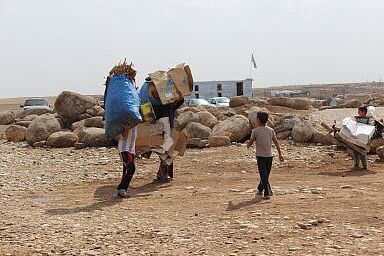
Die Situation überall in Rojava ist nach wie vor dramatisch
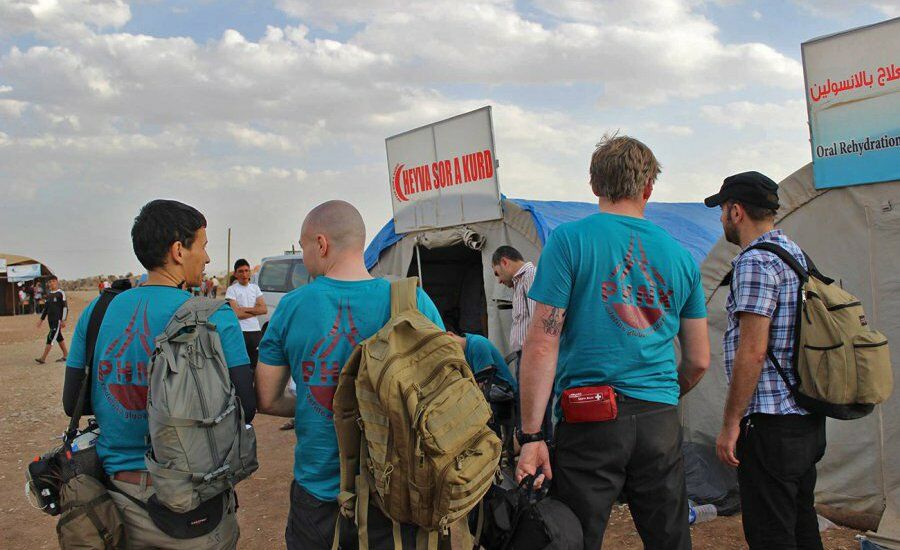
Die Menschen vor Ort sind mit ihren Herzen und Gedanken zur Zeit hauptsächlich in Kobanê, aber auch in anderen Städten und Kantonen ist die Lage äußerst kritisch. Bei Besuchen verschiedener Krankenhäuser und Gesundheitsstationen wird deutlich, dass es im medizinischen Bereich schlichtweg an allem mangelt: Von …
Rojava: Sere Kaniye
Sere Kaniye (Ras al Ain, ca. 55000 Einwohner) war längere Zeit vom IS besetzt, bevor es von der YPG/YPJ befreit wurde. In der Stadt sieht man die Spuren der Kämpfe an vielen Häusern.
Unsere erste Woche in Rojava 1/2
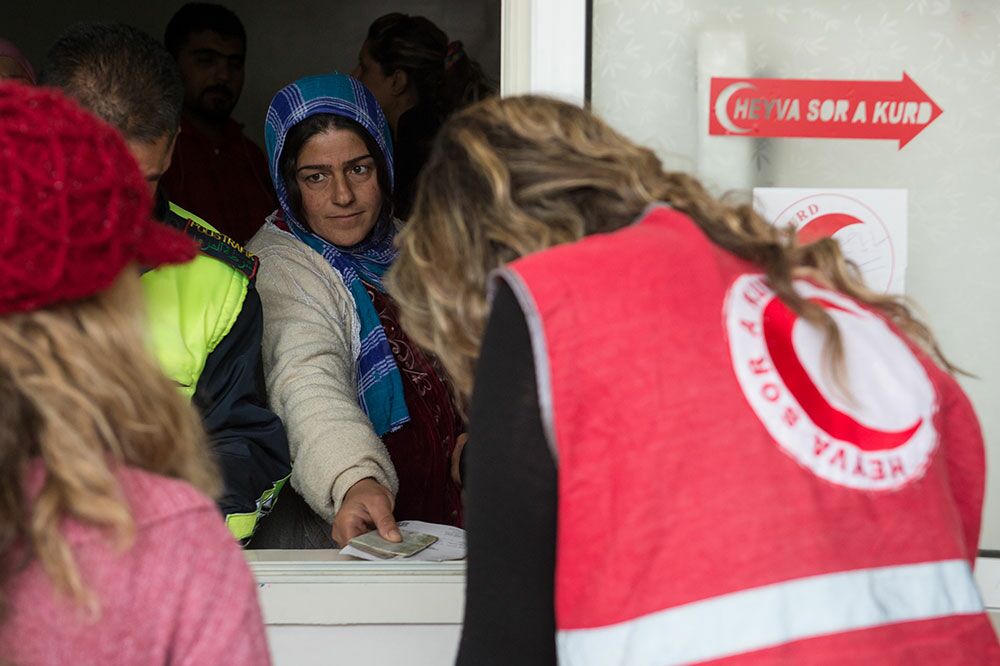
Unser Fazit nach einer Woche: Wir haben mit sehr vielen ‚Ratsvorsitzenden‘ der Selbstverwaltungsstrukturen, Betroffenen des Krieges, sowie Flüchtlingen aus anderen Teilen Syriens und dem Irak gesprochen. Zudem haben wir einen guten Eindruck vom täglichen Leben in der Region bekommen.