Trainings and Burns
Published on 26. March 2020
from CADUS-PR
trainings-and-burns-feature-trainings3-9eee4629
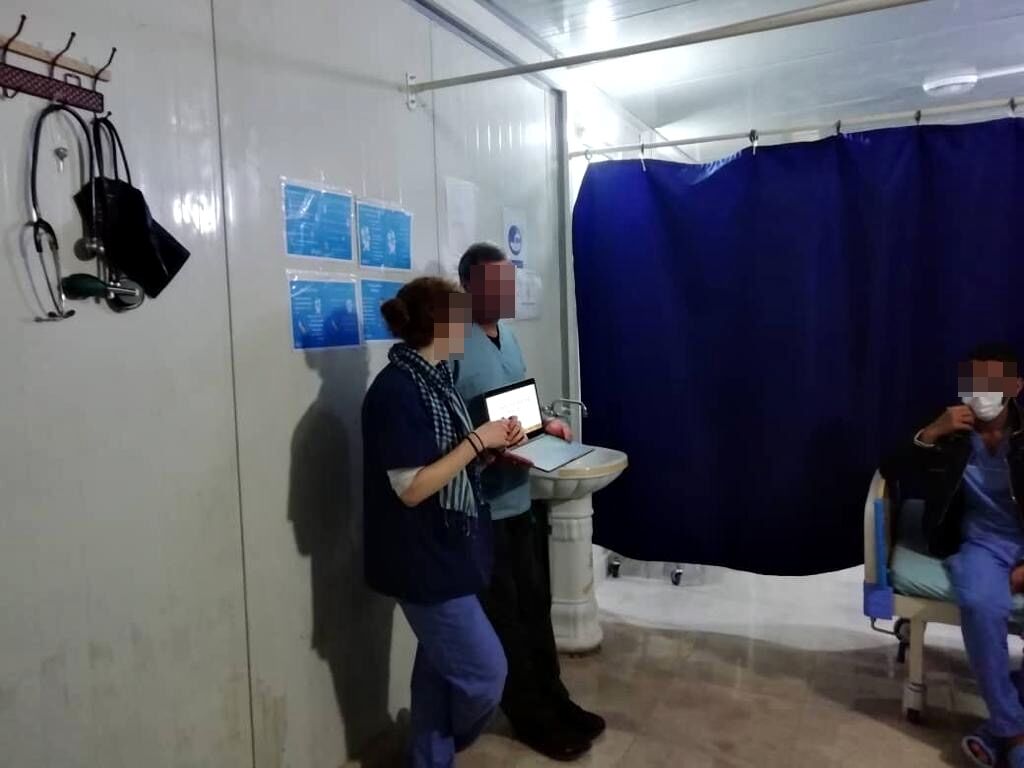
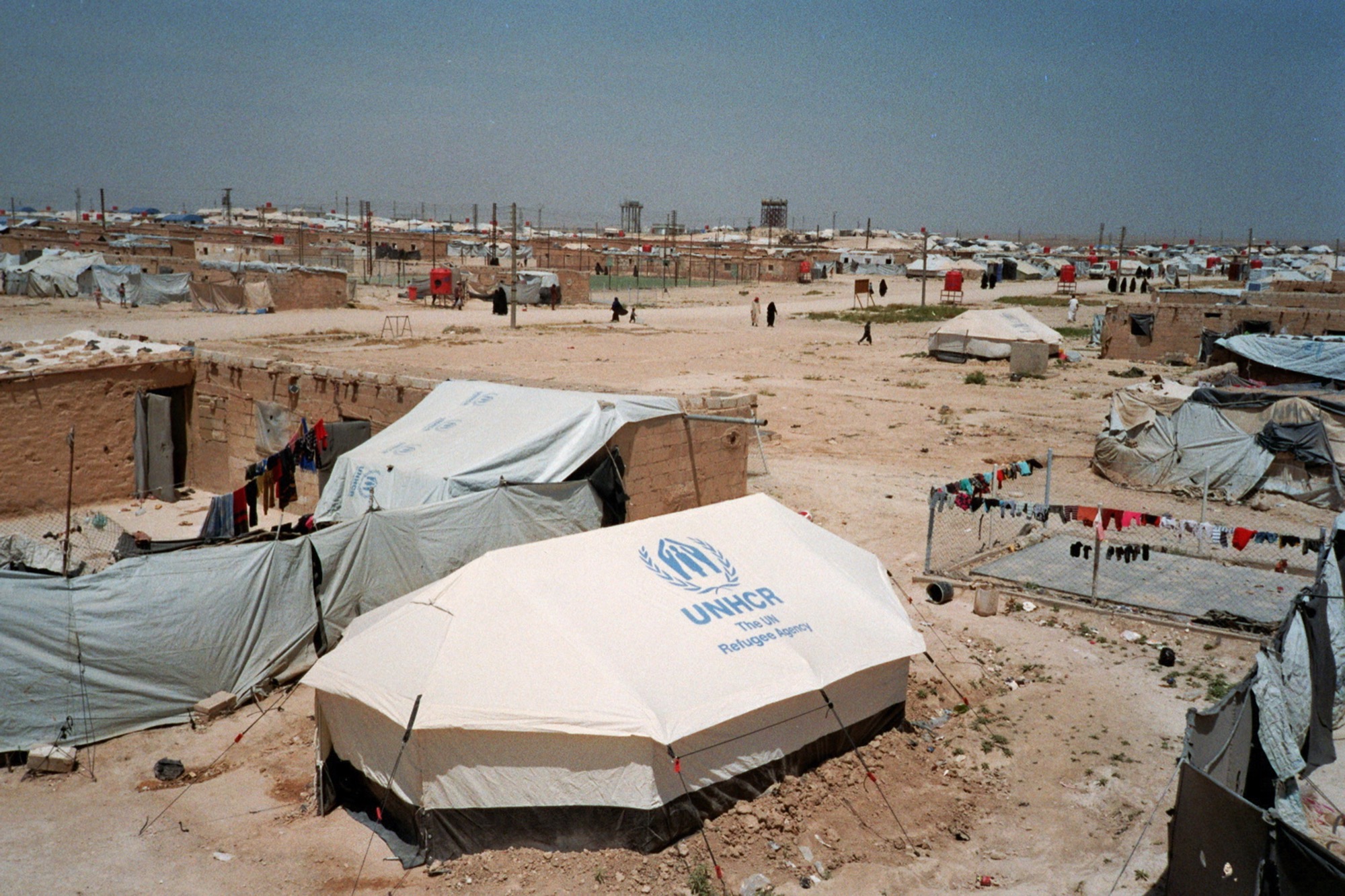
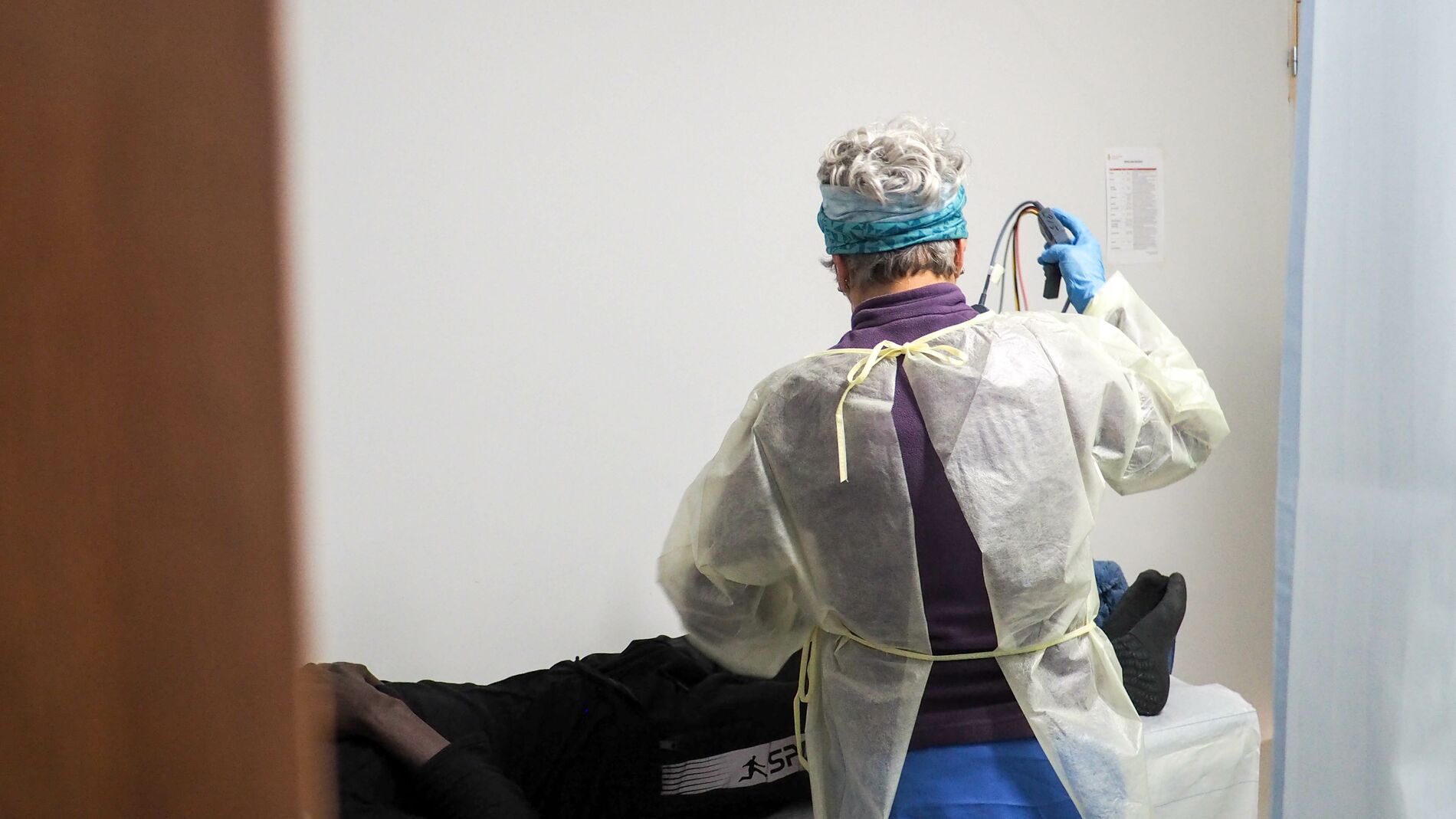
The financing of our hospital has been secured for the time being and we are continuing to train medical staff e.g. in terms of dealing with the treatment of burns, which we can treat as the only hospital in the camp.
Even if media attention is currently almost exclusively focused on COVID-19, we should not forget that all other diseases, injuries and other emergencies are not diminishing or less important.
An example from our hospital in al-Howl: the treatment of burn injuries. These are divided into different "degrees". While grade 1 has been experienced by each of us (e.g. on a hot stove, on a hot engine or exhaust pipe..), grade 2 has already caused significant burn blisters. Grade 3 corresponds to open wounds where the skin has been completely burned away by the heat.
These burns have special demands on the treatment. On the one hand, due to the size of the open wound, the risk of wound infection is much higher and on the other hand these wounds only heal with the formation of scar tissue. This means that many burn victims, who are not adequately cared for during the healing process, often have significant restrictions in the parts of the body where the burn wounds were caused throughout their lives.
In addition, there is the fact that considerably more burn injuries occur in refugees who have to live in camps in makeshift accommodation or tents. People have to live there in relatively close quarters, tents and makeshift shelters are much more prone to fire than massive houses. People often cook on open stoves and heat with unsuitable oil or wood heaters.
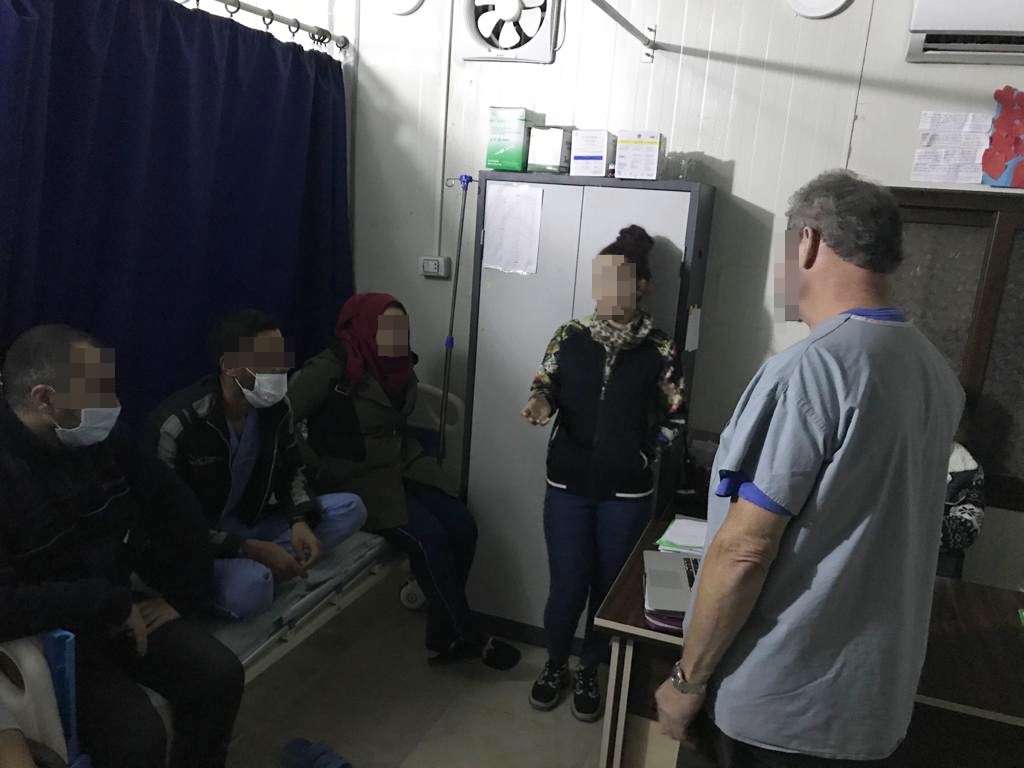
In Al Hol we are the only field hospital that is currently generally taking care of burns up to the 3rd degree. In addition, we train our nursing staff on a regular basis, so that during the healing phase they can work towards minimizing movement restrictions, so that the patients can return to a "normal" everyday life as soon as possible.
Published
Author: by Jonas Grünwald
How to Build an EMT – What we learned on Lesbos
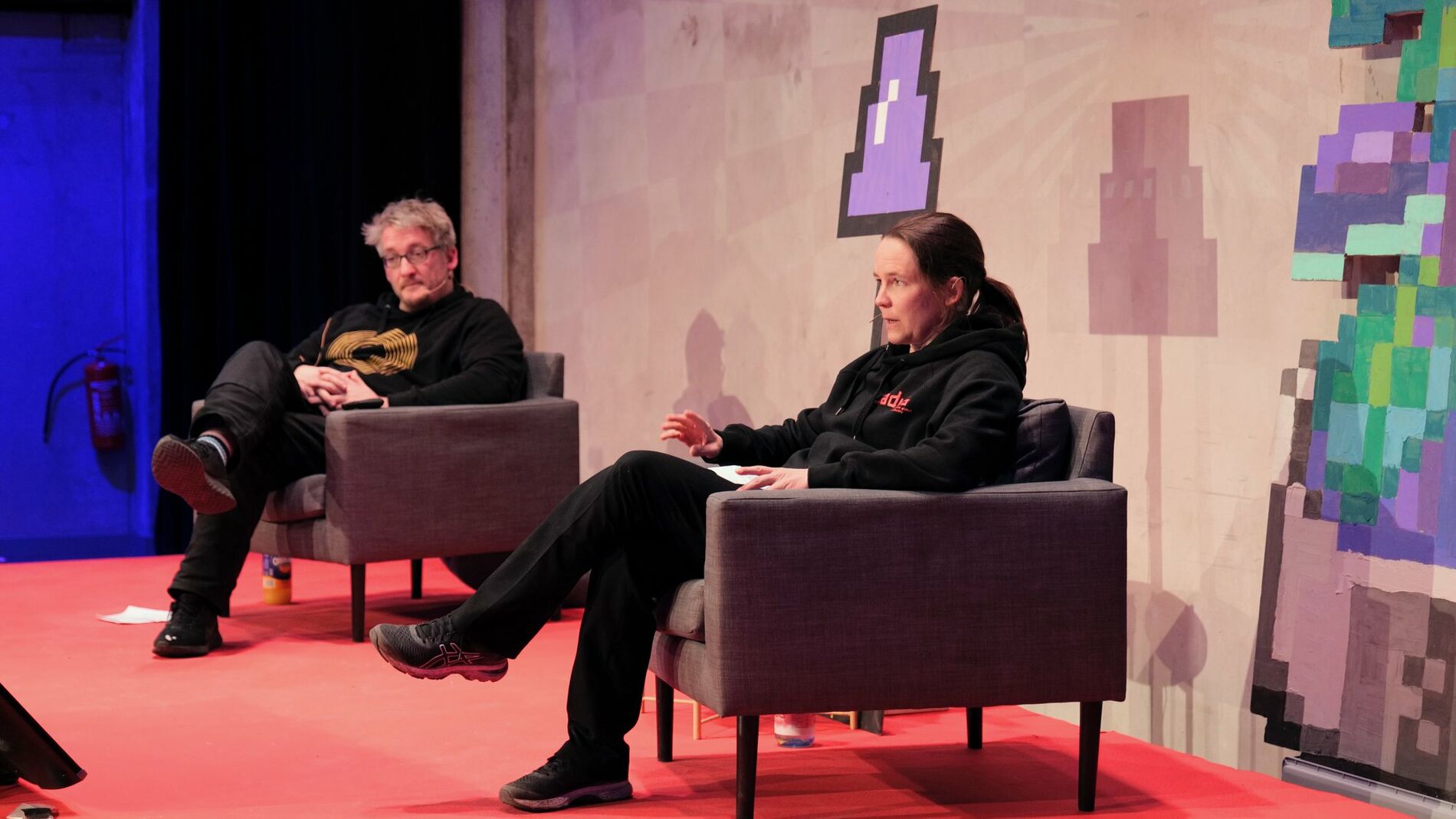
Shortly before Christmas, our mission in Camp Kara Tepe on Lesbos officially came to an end. Corinna and Sebastian sum up what they have learned in a presentation at rc3.
Mask shortage in North East – Syria
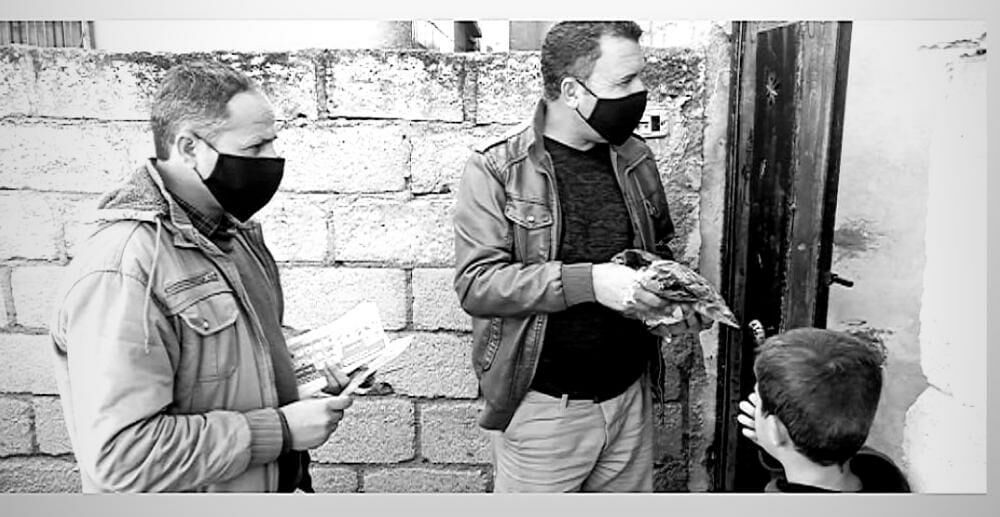
In northeast Syria, everyday-masks are expensive and rare goods. Together with local seamstresses, we have produced and distributed over 8000 masks to prevent the spread of coronavirus.
Every illness has a history: Our medics talk about the camp on Lesvos
For almost four weeks we have been daily treating the inhabitants of the camp Kara Tepe 2 on Lesvos. Through medical access, we gain an insight into life in the camp. Many clinical pictures repeat themselves again and again. They are probably directly related to the current living conditions there, and range from …