Paramedic Training In North East Syria
Published on 13. March 2020
from CADUS-PR
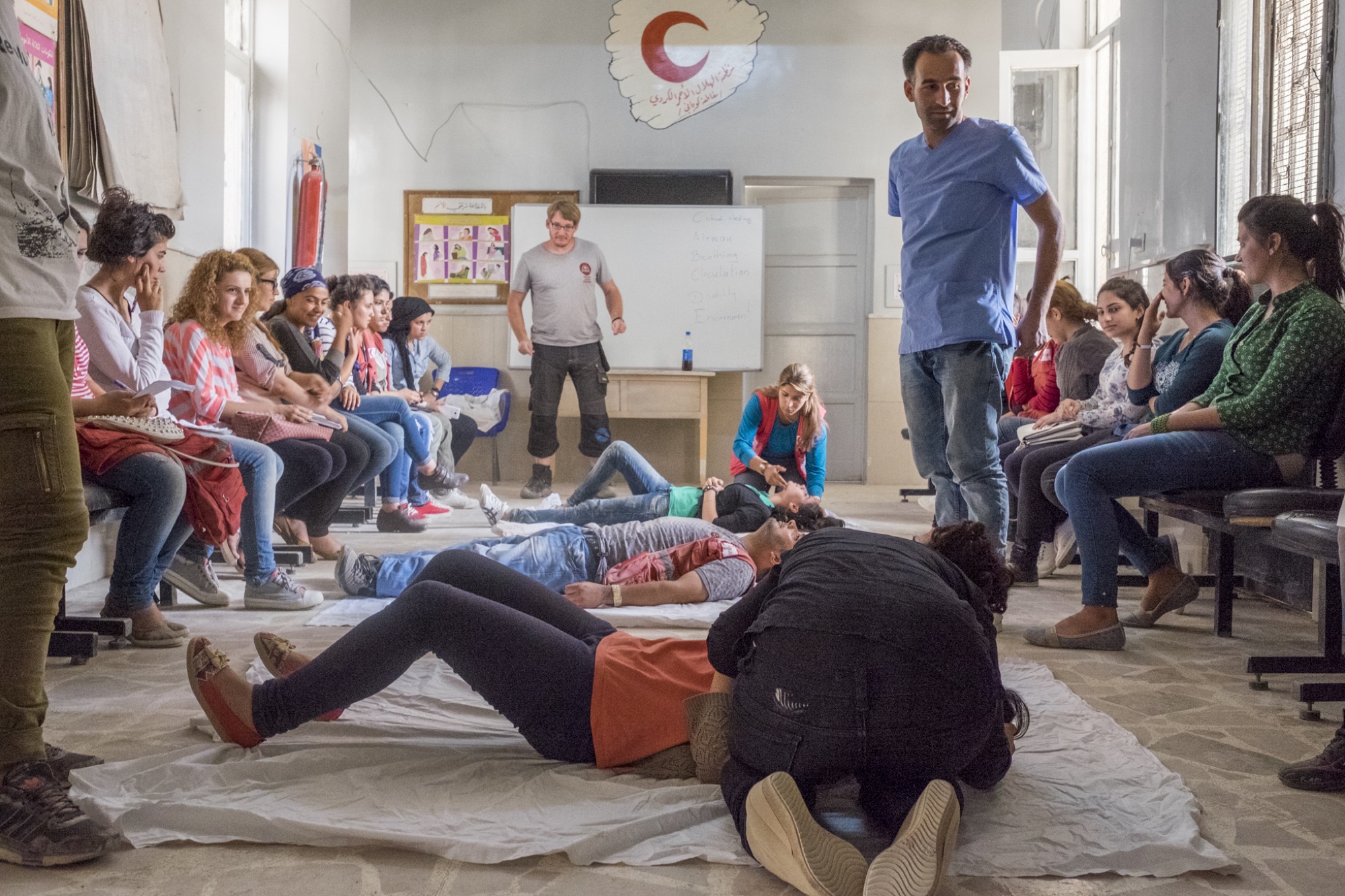
kobané 2015, rojava, syrien
Inhaltsveraendernde Manipulation des Fotos nur nach ausdruecklicher Genehmigung des Fotografen. Vereinbarungen ueber Abtretung von Persoenlichkeitsrechten/Model Release der abgebildeten Person/Personen liegen nicht vor. NO MODEL RELEASE! Only Publish with copyright: Christoph Loeffler / http://chloephoto.de, Veroeffentlichung nur mit Fotografennennung, sowie gegen Honorar, MwSt. und Beleg. Konto: Christoph Loeffler, P o s t b a n k M u e n c h e n , BLZ 70010080, Ktonr: 763689805, Kontakt: ch.loe@emdash.org. Urhebervermerk wird gemaess Paragraph 13 UHG verlangt.
Target country/region: Northeast Syria
Period: 2014-2015
Brief Description:
The tense medical care situation in northeastern Syria was further strained by the ongoing fighting against the Islamic State. Medical facilities had been destroyed, and there was a shortage of medicines, materials, and specialized personnel. We wanted to counter the latter with a training program to sustainably improve medical care in the region and increase patients’ chances of survival. Unfortunately, we had to end the project prematurely, as access to the region was no longer possible due to the political situation.
Project progress:
In September 2014, an initial team traveled to northeastern Syria to assess the situation on the ground and identify needs and gaps in care.
The civil war, which had already been going on for several years at that time, had massively limited health care in the region. There was a lack of medical facilities, functioning rescue structures, specialized personnel and, due to an embargo, material and equipment. At the same time, the need for medical care was high, not least because of numerous war injuries.
Despite the poor conditions and with a lot of improvisation, Heyva Sor a Kurd managed to provide many free health care services.
In order to improve the medical care in the long term, we decided to offer a training program for the volunteers of Heyva Sor and thus support the establishment of a nationwide ambulance service.
The program was divided into seven modules of 8-10 learning days on topics such as polytrauma care, gynecology, hygiene and emergency management. We were able to successfully complete several modules. The aim of the training was to establish a “train the trainer” system to enable the course participants to train staff independently in the medium term.
Unfortunately, from the end of 2015 on it became more and more difficult for us to reach the region and to gather all course participants in one place. In 2016, the political situation and the security situation in the region deteriorated further, so that we had to cancel the program in September of that year.
Based on this experience, we have started the development of an e-learning platform, through which advanced trainings will be possible even without a presence in the respective region.
Despite the early termination of the project, we were able to improve local medical care in certain areas and develop our Mobile Hospital on the basis of the experience gained there. Last but not least, this project also laid the foundation for our commitment in northeast Syria, which continues to this day.
“It takes more than symbolic politics”
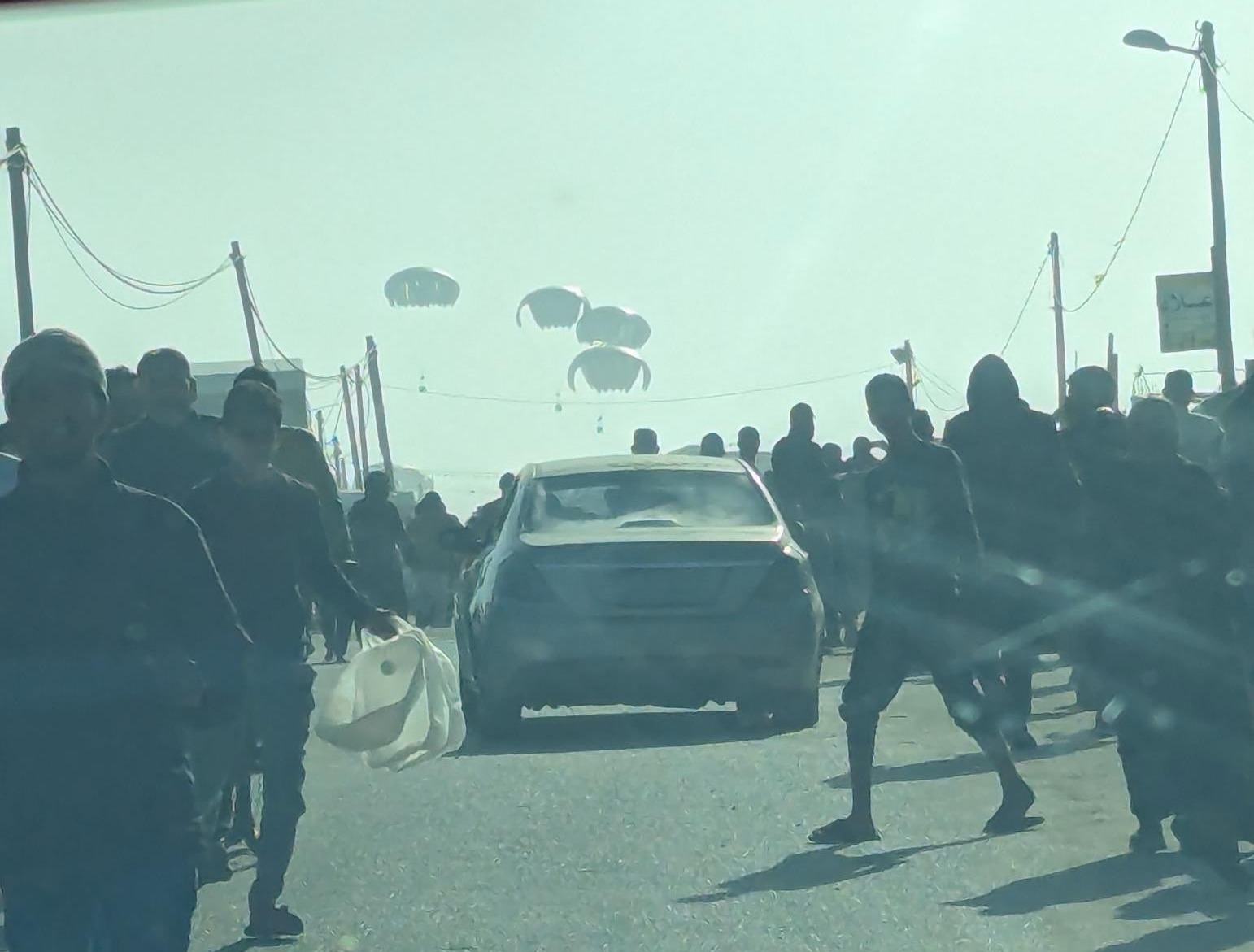
Statement from CADUS on the German government's planned airlift to Gaza. The German government's announcement that it will set up an airlift to Gaza together with Jordan is above all one thing: symbolic politics.
Congress Recap: Soliprepping – facing crises with solidarity
Last Saturday (14th June 2025), around 200 people gathered in the mathematics building at TU Berlin to explore new ways of solidarity-based crisis prevention.
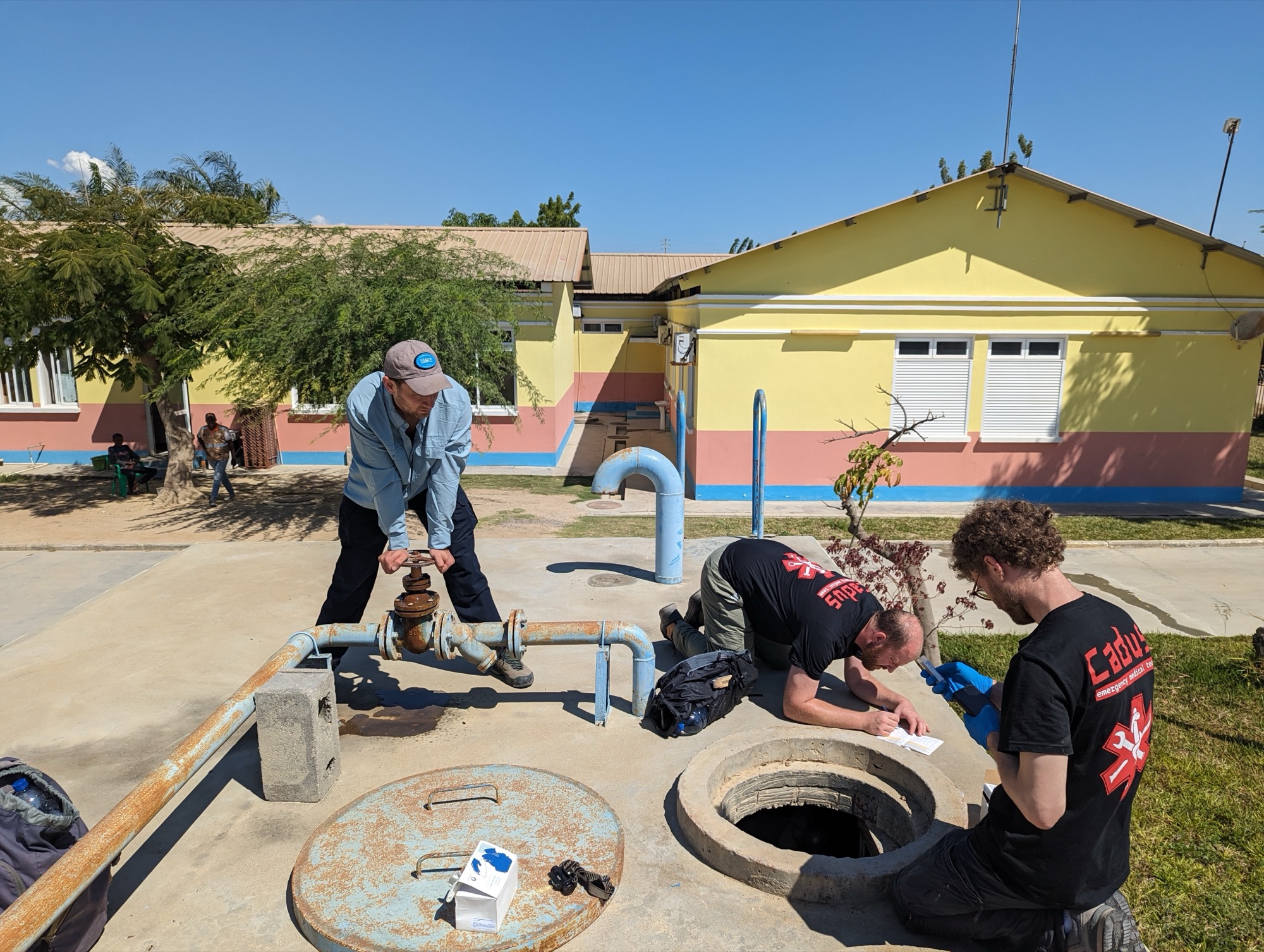
Cholera mission in Angola – Part 2
In response to a request for assistance from the Angolan government due to an ongoing cholera outbreak, CADUS deployed a technical assistance team as part of a joint EMT mission with Arbeiter-Samariter-Bund, Malteser International and the Robert Koch Institute.