Mask shortage in North East – Syria
Published on 11. December 2020
from CADUS-PR
mask-shortage-in-north-east-syria-feature-maskenverteilung2-801d443c
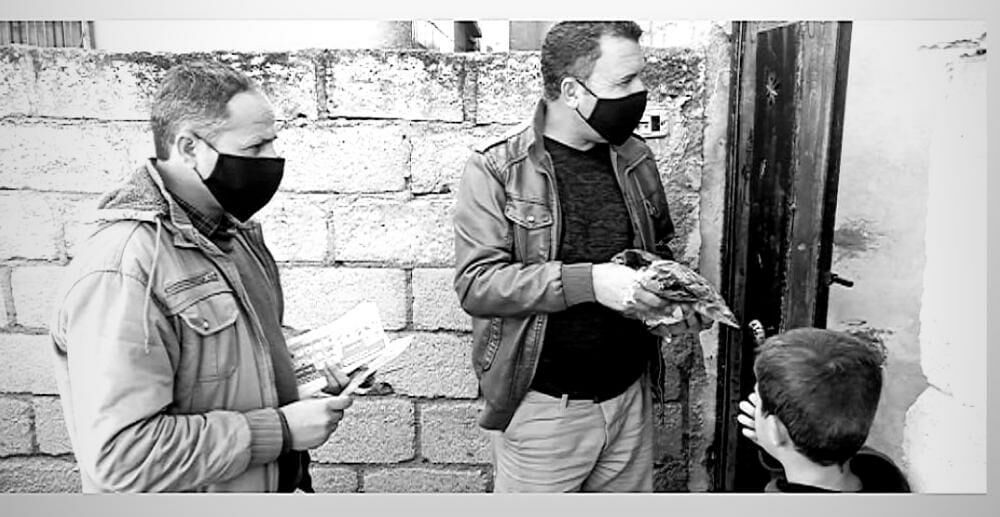
In northeast Syria, everyday-masks are expensive and rare goods. Together with local seamstresses, we have produced and distributed over 8000 masks to prevent the spread of coronavirus.
A few months ago here in Germany, facemasks were overpriced and hard to come by, just like in Syria. Here this problem was resolved within a few weeks. But Syria’s mask shortage cannot be solved simply by mass importing goods from the production countries.
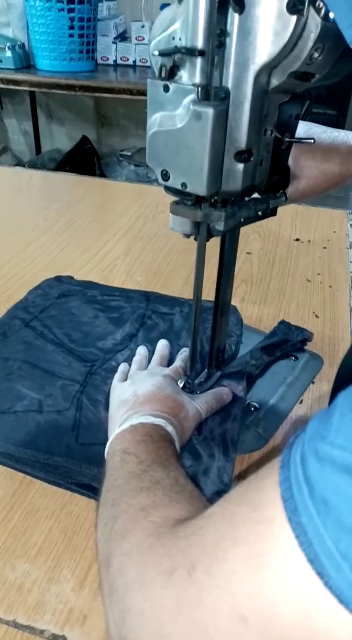
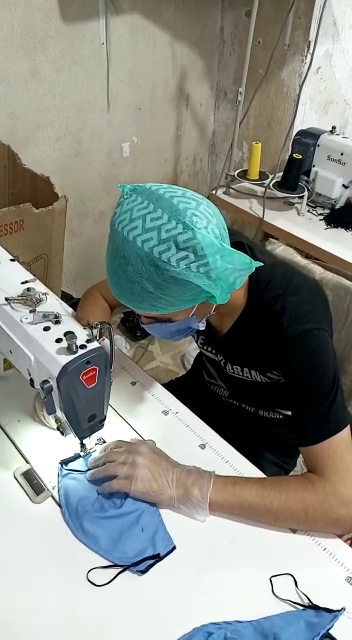
The masks are cut (left) and sewn (right).
Weak economy – a risk of disease
We became aware of the situation when neighbours and friends of our team in northeast Syria asked them for some of their disposable medical masks. The danger posed by the coronavirus is generally known in the syrian population, although hardly anyone wears a mask. In a population where 80% of the people live below the poverty line, almost nobody can afford such an overpriced luxury good. This critical economic situation also forces people to work, despite the increased risk of infection. Many Syrians are displaced from their homes and live in overcrowded shelters, where keeping distance is hardly possible. In these places, the insufficient sanitation rarely makes it achievable to adhere to hygiene rules.
Sanctions affect the population
The reasons for the scarcity of everyday masks are countless and complicated. Border crossings to deliver goods to northeast Syria without restrictions are hardly possible. And the effects of the Ceasar Act are becoming noticeable throughout Syria.
The Ceasar Act came into effect a few months ago and contains far-reaching economic sanctions by the USA against the Syrian regime under the ruler Bashar al Assad. The goal is to end the war between the syrian elite and their own people. The real consequence, however, is a deathly blow to Syria’s already weak economy. The sanctions have caused inflation and a dramatic deterioration in the living conditions of the local people. The northeast of Syria is severely affected by these sanctions. Medical supplies are the only imported goods, delivered by the United Nations. Although they do typically include the typical disposable surgical masks, these are very limited and only intended for health workers
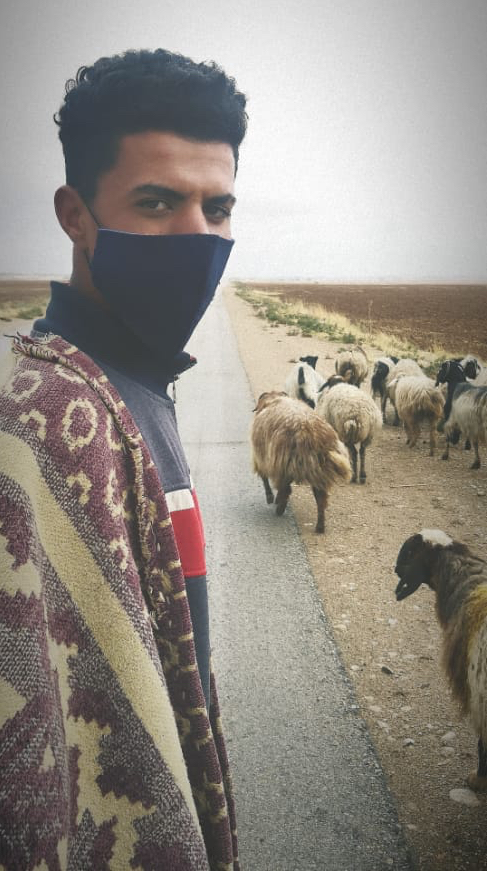
One of the finished masks.
Masks from Syria for Syria
The threat of Sars-COV-2 is only one of many problems that need to be solved. That is why we have joined forces with our local partners and initiated the production of everyday masks.
Doctors instructed seamstresses and they have been able to produce about 8.000 masks, financed by the Lush Charity Pot. In the self-organized administrations, for example, Tal Tamr, health workers distribute the masks to the population. The masks are placed in hygiene packages with detailed instructions for use.
Before distribution, we carry out comprehensive hygiene training for the health workers. The trainings include general information about Covid-19, infection risks, and measures to protect against the virus.
Despite our efforts, the 8,000 masks produced up till now are still far from being enough, but they are a start.
Published
Author: Carolin Lebek
Ukraine: Four years between war and emergency response
Russia launched its full-scale invasion of Ukraine in February 2022. The fighting has been going on for four years now, and with it our humanitarian aid on the ground.
Gaza – Contradictory developments
A ceasefire has been officially in place in Gaza since October 2025. More than three months later, however, there are no clear signs of progress towards peace. Uncertainty and deprivation continue to dominate everyday life in Gaza.
Syria: Former CADUS field hospital in al-Hol burnt down
After the Kurdish security forces withdrew from the al-Hol camp due to battles with Syrian government troops, violent unrest broke out inside the camp. An interview about the situation on the ground with Adrian, an employee of the organization Sîler.