Deportation of our team from Turkey
Published on 20. October 2017
from CADUS-PR
deportation-of-our-team-from-turkey-feature-_CHL9029-71eb70a8
And suddenly, the mission was over before it even started. Four members of our team had been on the way to Erbil on 15th of March to deliver urgently needed medical support with our “Mobile Hospital” to the people in northern Iraq.
They were traveling, via Istanbul, to Erbil but the journey ended prematurely at the Turkish airport. They were detained and kept in custody for about 16 hours. They were searched and interrogated. All mobile phones were confiscated and evaluated. They were denied the right to a phone call, so were unable to communicate what was happening.
When we realized our team hadn’t arrived in Erbil we started searching for them – neither the Ministry of Foreign Affairs nor the German consulate at Ankara had any information for us. “Endangering public security” was the official “reason” for deporting our team back to Berlin. “We were treated like criminals”, stated the team afterwards.
It is not new to us that the Turkish government is hindering humanitarian assistance in the region of northern Iraq, we have been experiencing this since 2014. But this is a new level of repression and arbitrariness we are facing right now. To not risk our project any further we waited until our “Mobile Hospital” trucks were out of reach of the Turkish customs before we started publicising the incident.
Since then, our team has arrived safe and sound at Erbil and is preparing the first mission of our “Mobile Hospital”. We are just waiting for the last official authorisation and then we will start treating our first patients.
Access to medical support should never be limited. To put political interests ahead of the needs of the most weak is inhuman.
Support us and donate, so that we can all work together on a constant supply of urgently needed medical support for the region.
Published
Author:
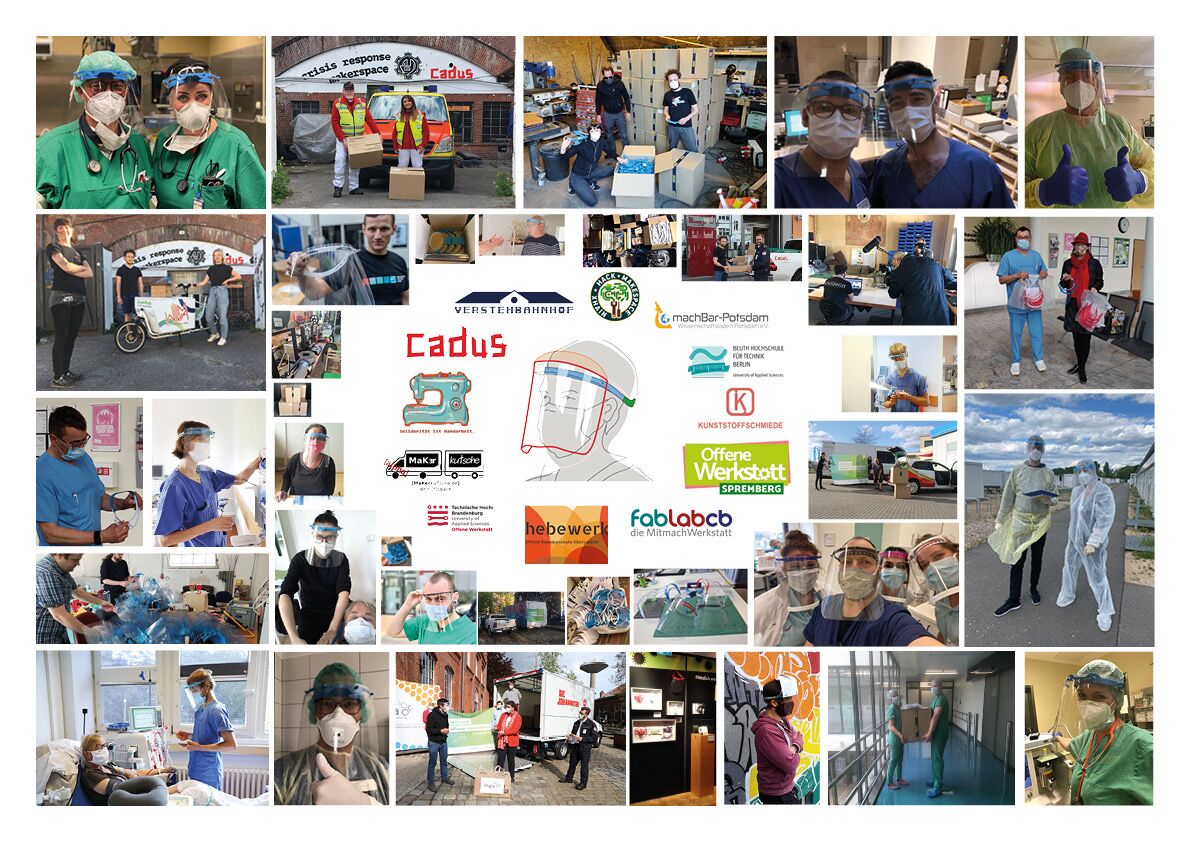
network face shield: an interim report
When the pandemic really started, we at CADUS were faced with a situation that was unusual for our circumstances: a crisis right on our doorstep, for which there were hardly any recommendations for action in the world of humanitarian aid that we could have based on. Through our Crisis Response Makerspace we were …
Northeast Syria: Public Relations done sensitively
Part of the essential public relations work of an organization that depends on donations is to report regularly on its own work. Nevertheless, we report comparatively little about our work in Northeast Syria. What are the reasons for our hesitation, which sometimes leads to smoking heads in our PR department?
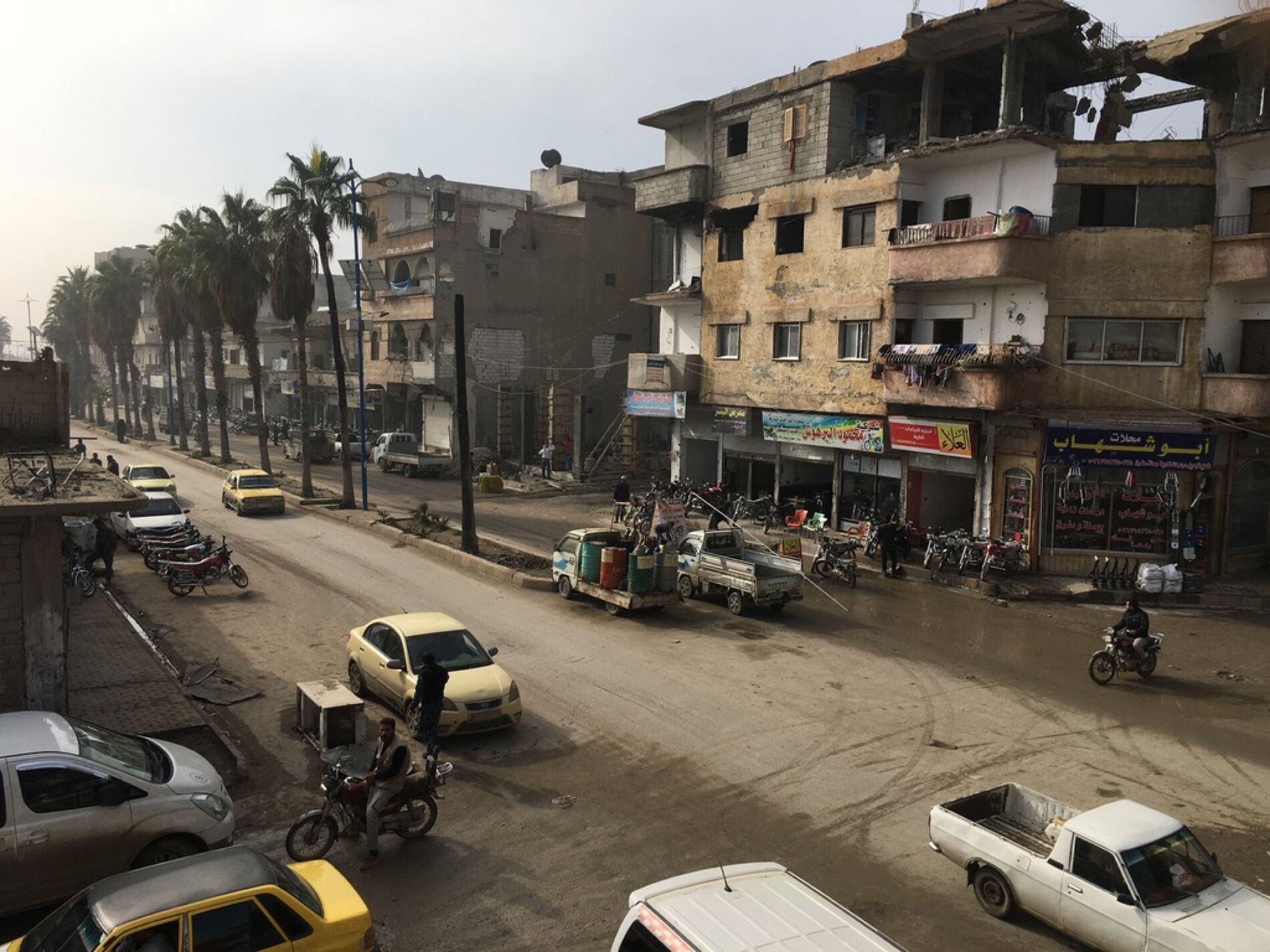
Raqqa – closing words
For the last two years, our clinic in Raqqa was a little but successful project which never got the attention it deserved. It started without much noise and ended the same way.